
Low Porosity Hair: What It Is and How to Work With It
You condition religiously. You use the products everyone raves about. You follow the routine to the letter. And somehow your hair still feels dry, stiff, and coated in a layer of product that never seems to absorb.
The problem isn’t your routine. It’s your hair’s porosity. Specifically, your cuticles are sealed so tightly that almost nothing gets in.
Low porosity hair is actually healthier by default. The tightly sealed cuticle protects the inner cortex from environmental damage, which is why low porosity hair tends to be shinier and stronger.
Low porosity hair plays by different rules. Once you understand those rules, everything changes.
What Low Porosity Actually Means

Every strand of hair is covered in a protective outer layer called the cuticle. It’s made up of overlapping scales, like shingles on a roof. The way those scales sit determines your porosity, which is just a measure of how easily your hair absorbs and holds onto moisture. Understanding your hair texture alongside porosity gives you a much clearer picture of what your hair actually needs.
With low porosity hair, the cuticle scales lie flat and overlap tightly. There are very few gaps. This creates a near-waterproof barrier around the hair shaft.
Low porosity hair actually takes significantly longer to get wet in the shower. If water beads up on your hair before absorbing, that is a classic low porosity indicator that many people mistake for product buildup.
Think of it as hair wearing a raincoat.
This tight cuticle comes with real advantages. Low porosity hair is naturally shiny because light bounces evenly off the smooth surface. It’s strong, resistant to chemical damage, and holds color well once you actually get color into it.
The downside is that same barrier keeps everything out. Water, conditioner, oils, and styling products struggle to penetrate. They sit on the surface and accumulate, making your hair feel greasy and heavy while staying paradoxically dry underneath.
Apply products to damp, warm hair. Low porosity cuticles resist moisture entry, but warmth causes them to open slightly. A warm towel wrap for 10 minutes after applying conditioner makes a dramatic difference.
Research published in the International Journal of Cosmetic Science shows that cuticle density varies significantly between individuals. Low porosity is largely genetic. You didn’t do anything wrong. Your hair is just built tight.
How to Know If You Have Low Porosity Hair
Forget the tests for a minute. The signs of low porosity hair are pretty distinct once you know what to look for. For a direct comparison, see our high vs low porosity hair guide.
Water beads on your hair instead of absorbing. Stand under the shower and watch. If water sits in droplets on the surface before running off, that’s a sealed cuticle at work.
Products sit on top and feel greasy. You apply a leave-in conditioner and an hour later it’s still there, making your hair look coated. The product can’t get past the cuticle.
Your hair takes forever to get fully wet. You’re under running water for a solid minute before your hair feels saturated.
Air drying takes a long time. Counterintuitive, but the same tight cuticle that blocks entry also blocks exit. Once water gets between the strands, it’s trapped. Low porosity hair can take hours to fully air dry.
Hair color doesn’t take easily. The cuticle is difficult for color molecules to penetrate, requiring longer processing times. On the flip side, once color does deposit, it tends to last because nothing leaks out easily either.
Conditioner doesn’t seem to absorb. You leave a deep conditioner on for 30 minutes and rinse it out, and it feels like you just rinsed off a layer of product. The moisture never made it past the gate.
If three or more of these sound familiar, you almost certainly have low porosity hair.
Testing Your Porosity
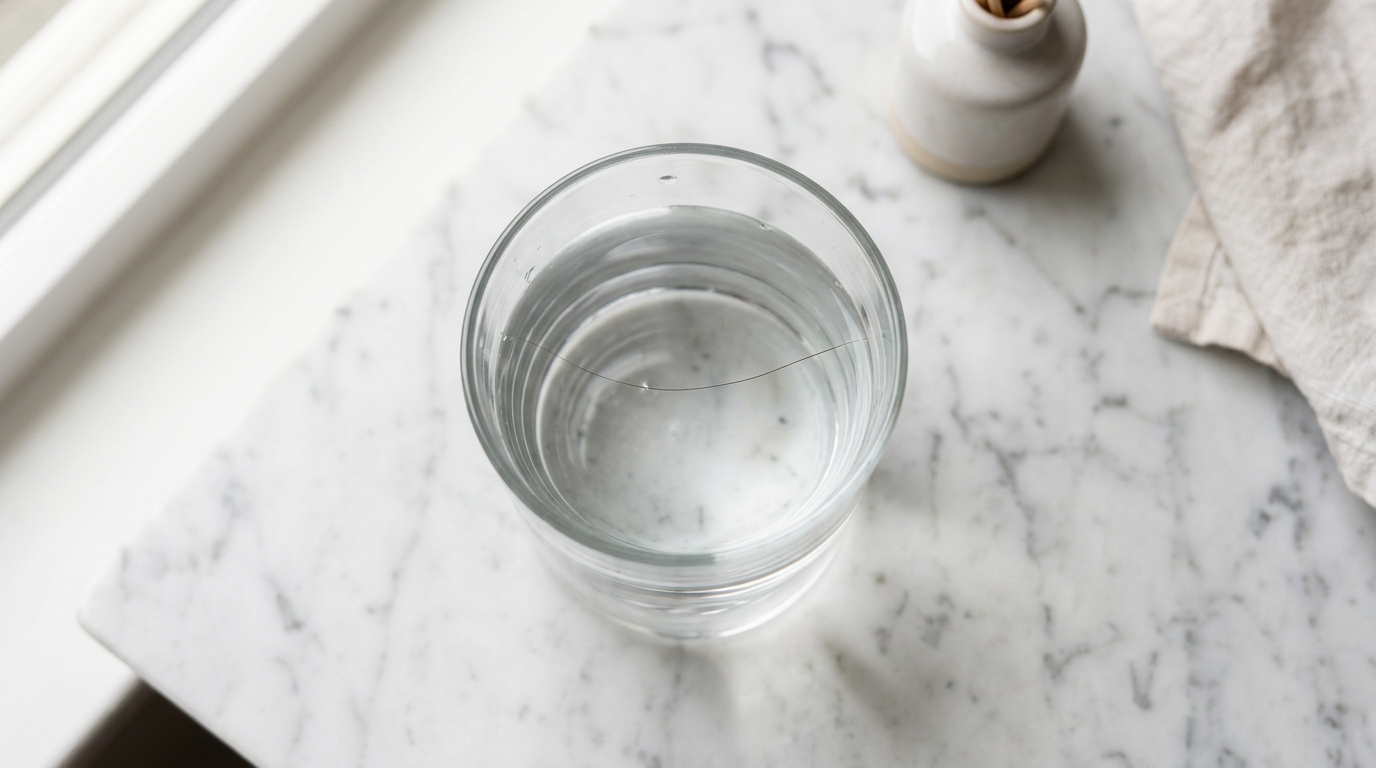
Several at-home tests exist, but let’s be honest about their limitations upfront. They’re rough indicators, not diagnostic tools. A trichologist looking at your hair under magnification would give you a definitive answer. These tests give you a reasonable guess.
The float test. Take a clean strand (freshly washed, no product) and drop it into a glass of room-temperature water. Wait 2 to 4 minutes. If it floats, that suggests low porosity. The sealed cuticle repels water and keeps the strand buoyant. High porosity hair sinks. Important: dirty or product-coated hair floats regardless of porosity. You need a truly clean strand.
The spray test. Mist clean, dry hair with a spray bottle. If water beads up like rain on a waxed car, that’s low porosity. If it absorbs quickly and the hair darkens, that’s higher porosity.
The slide test. Pinch a single strand near the tip and slide your fingers toward the root. Smooth and easy glide means the cuticle is lying flat, consistent with low porosity. Rough or bumpy means raised scales.
None of these tests are definitive on their own. If all three point the same direction and match the signs listed above, trust the pattern.
See how different hairstyles look on you — upload your photo and try any style with our AI tool.
Try HairStyleMojo Free →Why Products Build Up on Low Porosity Hair
This is the central problem, and understanding the mechanism helps you fix it.
The cuticle is a physical barrier. When scales are tightly sealed, product molecules can’t pass through. They land on the surface of the hair and stay there. Apply more product on top and now you have layers of unabsorbed product coating every strand.
Heavy ingredients are the worst offenders. Shea butter, castor oil, and thick creams have large molecular structures that can’t penetrate a tight cuticle. They coat the outside, attract dust, and create a waxy residue that makes your hair look dull and feel stiff.
Silicones compound the problem. Dimethicone and similar ingredients form a smooth coating over the hair shaft. On high porosity hair, this fills gaps in the cuticle and locks moisture in. On low porosity hair, it seals over an already-sealed cuticle, trapping nothing useful inside. Now you have an extra barrier, and your hair is still dry underneath.
This is why low porosity hair often looks shiny but feels terrible. The surface is coated. The interior is parched. And every product you apply afterward can’t penetrate through layers of accumulated silicone and butter.
The Right Products for Low Porosity Hair
The guiding principle is simple: lightweight, water-based, and small-molecule.
Use liquid-based, lightweight products rather than heavy butters and oils on low porosity hair. Heavy products sit on top of the cuticle instead of absorbing, causing buildup that makes hair look greasy and limp.
Water should be the first ingredient. Look at the ingredient list of any product you’re considering. If water (or aqua) is the first ingredient, that product has a chance of actually reaching your hair. If the first ingredients are oils or butters, put it back on the shelf.
Liquid leave-ins over creams. Spray-on or liquid leave-ins absorb better than thick creams. The water base carries active ingredients closer to the cuticle before evaporating.
Lighter oils only. Argan, grapeseed, and sweet almond oil have smaller molecular structures than castor oil or shea butter. They sit lightly on the surface without the waxy buildup heavier oils cause. Use them sparingly.
A monthly clarifying wash is essential for low porosity hair. Product buildup accumulates faster because products cannot penetrate the tight cuticle, so they layer on the surface instead.
Humectants are your best friend. Glycerin, honey, and aloe vera attract and hold moisture from the surrounding air. They pull moisture toward the hair shaft rather than relying on penetration. In very dry air, glycerin can pull moisture out of your hair, so adjust seasonally.
Clarifying shampoo once a month. This is non-negotiable. Even with the right products, some buildup is inevitable on low porosity hair. A monthly wash with a sulfate-based clarifying shampoo strips accumulated layers off the cuticle and gives your hair a fresh start. Think of it as resetting to factory defaults. Your regular products work better in the week after a clarifying wash because they’re actually touching your hair instead of a layer of old product.
How to Actually Get Moisture Into Low Porosity Hair
Product choice matters, but application method matters just as much. You need to open the cuticle enough to let moisture in, then seal it back shut.
Use warm water, not cold. Heat causes cuticle scales to swell and lift slightly, creating small gaps that moisture can slip through. Start your wash routine with warm water and keep it warm through the conditioning step. This alone makes a measurable difference in how much moisture your hair absorbs.
Steam treatments work wonders. A hooded dryer or handheld steamer opens the cuticle more effectively than warm water alone. If you don’t own a steamer, run a hot shower until the bathroom is steamy and apply your deep conditioner in that environment. Twenty minutes under steam does what an hour of room-temperature conditioning can’t.
Apply products to damp, warm hair. This is the optimal window. Your cuticle is slightly open from the warm water, and the damp surface provides a water bridge that helps products spread and absorb. Applying to dry hair at room temperature is essentially applying to a locked door.
Try the greenhouse effect method. Apply a light leave-in to damp hair, then cover with a plastic cap for 20 to 30 minutes. Your body heat creates a warm, humid microclimate that opens the cuticle and helps products absorb. Some people sleep with the cap on. It sounds strange. It works.
Deep condition with heat, never without it. A deep conditioner at room temperature is a waste of product on low porosity hair. The cuticle stays sealed. Always pair deep conditioning with a hooded dryer, steamer, or warm towel over a plastic cap.
Finish with a cool water rinse. The temperature drop causes cuticle scales to contract and lie flat, sealing in whatever moisture made it through during the warm phase.
The LCO Method for Low Porosity Hair
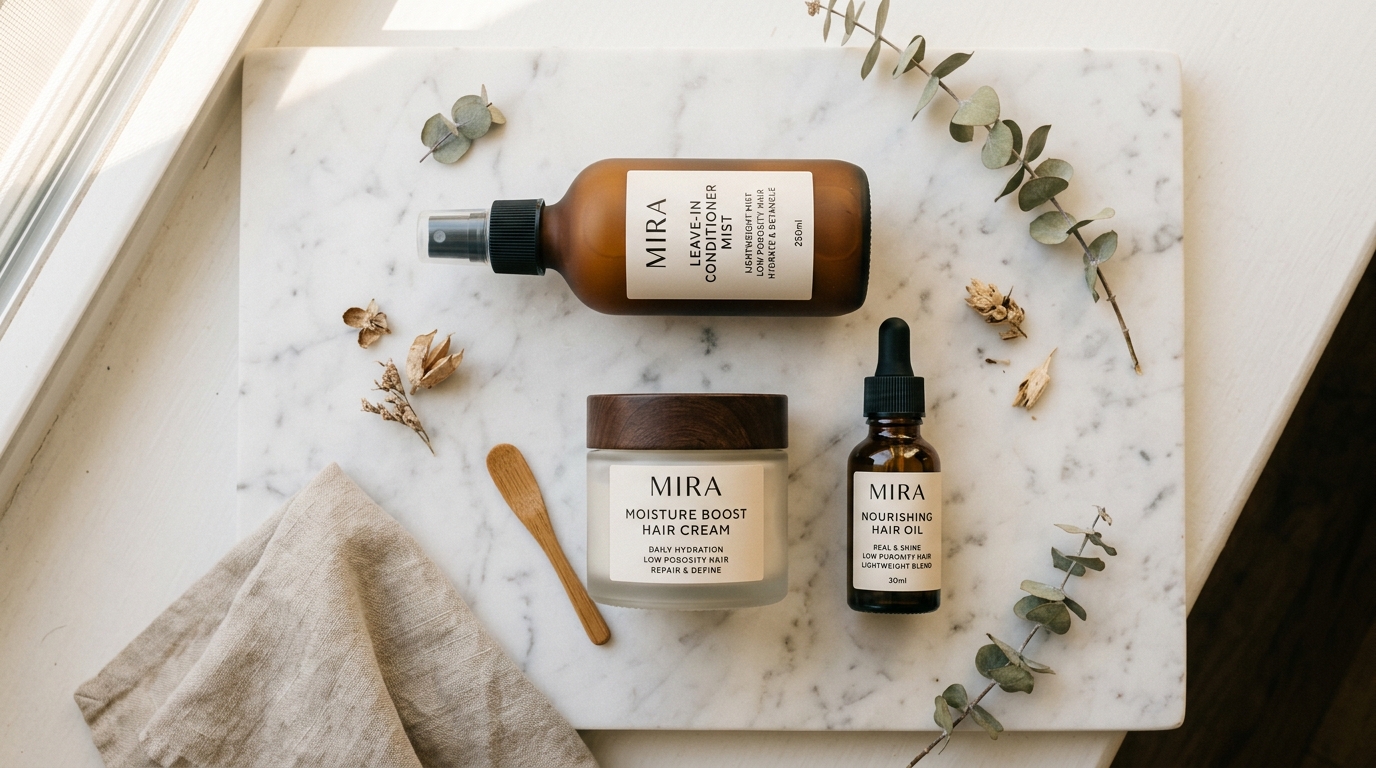
If you’ve spent time in natural hair communities, you’ve heard of the LOC method: Liquid, Oil, Cream. For low porosity hair, LOC is backwards. Applying oil second creates a barrier that prevents the cream from absorbing. You’ve sealed the cuticle before the thickest moisture layer arrived.
The LCO method flips the last two steps: Liquid, Cream, Oil.
Step 1: Liquid. Apply a water-based leave-in spray or plain water to damp hair. This is your primary hydration layer. Water molecules are small enough to work through even a tight cuticle, especially while hair is still warm from washing.
Step 2: Cream. Apply a lightweight moisturizing cream. On damp hair with open cuticles, the cream has a better shot at delivering conditioning agents to the shaft. Keep the amount small.
Step 3: Oil. Seal with a light oil. Argan or grapeseed, just a few drops. The oil slows moisture evaporation from the layers underneath. This is the only step that’s supposed to stay on the outside.
The LCO order respects the physics of low porosity hair. Hydration first while the door is open, conditioning second while there’s still a chance of absorption, and sealing last.
Common Mistakes With Low Porosity Hair
Most low porosity frustration comes from doing the right things for the wrong hair type. Here are the mistakes that keep people stuck.
Using too much product. Low porosity hair needs less product per application than high porosity hair. The cuticle doesn’t absorb excess, so it just piles up. Start with half the amount you think you need. You can always add more. You can’t undo buildup without a clarifying wash.
Reaching for heavy products. That rich shea butter mask your friend swears by was designed for high porosity hair. On your hair, it sits on the surface and creates a waxy film. Stick to lightweight formulations.
Skipping clarifying washes. Co-wash advocates say sulfates are the enemy. For low porosity hair, periodic sulfate-based clarifying is essential. Without it, product layers accumulate until nothing works and your hair feels like straw coated in wax. Once a month minimum.
Deep conditioning without heat. Forty-five minutes of deep conditioner at room temperature accomplishes nothing on low porosity hair. The cuticle stays sealed. Heat is the key that opens the lock.
Applying products to dry hair. Products need a water bridge to reach the cuticle. Applying to dry, room-temperature low porosity hair is pushing against a wall. Dampen first with warm water, then apply.
Key Takeaways
- Low porosity hair has tightly sealed cuticle scales that resist moisture and product absorption. It’s genetic, not damage.
- Water beading, product buildup, slow wetting, and long dry times are the signature signs.
- Use lightweight, water-based products. Avoid heavy butters, thick creams, and silicones that seal an already-sealed cuticle.
- Heat is essential. Warm water, steam, and hooded dryers open the cuticle enough for moisture to enter.
- Follow the LCO method (Liquid, Cream, Oil) instead of LOC. Oil goes last to seal, not second to block.
- Clarify with a sulfate shampoo at least once a month to strip accumulated buildup.
- Always apply products to damp, warm hair. Never dry.
Frequently Asked Questions
Yes, but not in a good way. Bleaching, relaxers, and repeated chemical treatments force the cuticle open and permanently damage its structure. Heat damage does the same thing gradually. This isn’t a solution to low porosity. It’s destruction of healthy structure. Work with your porosity, not against it.
Not exactly, but there’s overlap. Many people with low porosity hair react poorly to protein-heavy products because the molecules are too large to penetrate the tight cuticle. Instead of strengthening hair from within, they coat the outside and make it feel stiff and straw-like. If protein treatments make your hair worse, focus on moisture-based products. Your cuticle is already strong.
Avoid protein treatments on low porosity hair unless it is genuinely damaged. The tight cuticle already retains protein well, and adding more causes protein overload, which makes hair stiff, brittle, and prone to snapping.
No. Growth rate is determined by the follicle, not the cuticle. Low porosity hair grows at the same rate as any other type, roughly half an inch per month. What differs is length retention. An intact cuticle resists breakage and split ends better than a damaged one, so low porosity hair often retains length well once you stop causing damage with the wrong products.
No, but be selective. Heavy oils like castor and coconut sit on the surface and cause buildup. Lighter oils like argan, grapeseed, and jojoba absorb more readily. The bigger factor is when you apply. Use oil as the final sealing step, on damp hair, in small amounts. Oil is not a moisturizer for low porosity hair. Water is. Oil is the lock.
Every 5 to 7 days works well for most people, with a clarifying wash once a month. Washing too often strips natural oils. Too infrequently lets product buildup accumulate. If your hair starts feeling coated or waxy before your next wash day, you need to wash sooner or switch to lighter products.
—
Sources & References
- Robbins, C.R., Chemical and Physical Behavior of Human Hair, 5th ed., Springer (2012).
- Seshadri, I.P. & Bhushan, B., “Effect of Ethnicity and Treatments on Hair Roughness,” Acta Materialia (2008).
- Gavazzoni Dias, M.F., “Hair Cosmetics: An Overview,” International Journal of Trichology (2015).
- Bolduc, C. & Bhapiro, J., “Hair Care Products: Waving, Straightening, Conditioning, and Coloring,” Clinics in Dermatology (2001).
- LaTorre, C. & Bhushan, B., “Nanotribological Effects of Hair Care Products and Environment on Human Hair Using Atomic Force Microscopy,” Journal of Vacuum Science & Technology (2005).
- Draelos, Z.D., “Essentials of Hair Care Often Neglected: Hair Cleansing,” International Journal of Trichology (2010).
Try different hairstyles on yourself
Upload your photo and see how any hairstyle looks on you before committing.
Try HairStyleMojo Free