
Hair Texture Explained: Fine, Medium, and Coarse
Most people hear “hair texture” and immediately think curly versus straight. That is curl pattern, not texture. Texture refers to the thickness of an individual hair strand. Fine, medium, or coarse. One single strand, not the overall look or feel of your head of hair.
If you’ve ever bought a “holy grail” conditioner that did absolutely nothing for your hair, there’s a good chance texture mismatch was the reason.
To determine your texture, take a single strand and roll it between your fingers. If you can barely feel it, you have fine hair. If it feels like a thread, you have coarse hair. Medium falls in between.
These two traits, curl pattern and strand thickness, are independent of each other. Once you know your actual texture, a lot of product confusion clears up overnight.
Coarse hair thrives on heavy butters and oils that would flatten fine hair. Shea butter, castor oil, and thick cream leave-ins penetrate the wider hair shaft and provide the intense moisture coarse strands need.
Texture Is Not What You Think It Is
Let’s kill the confusion right here.
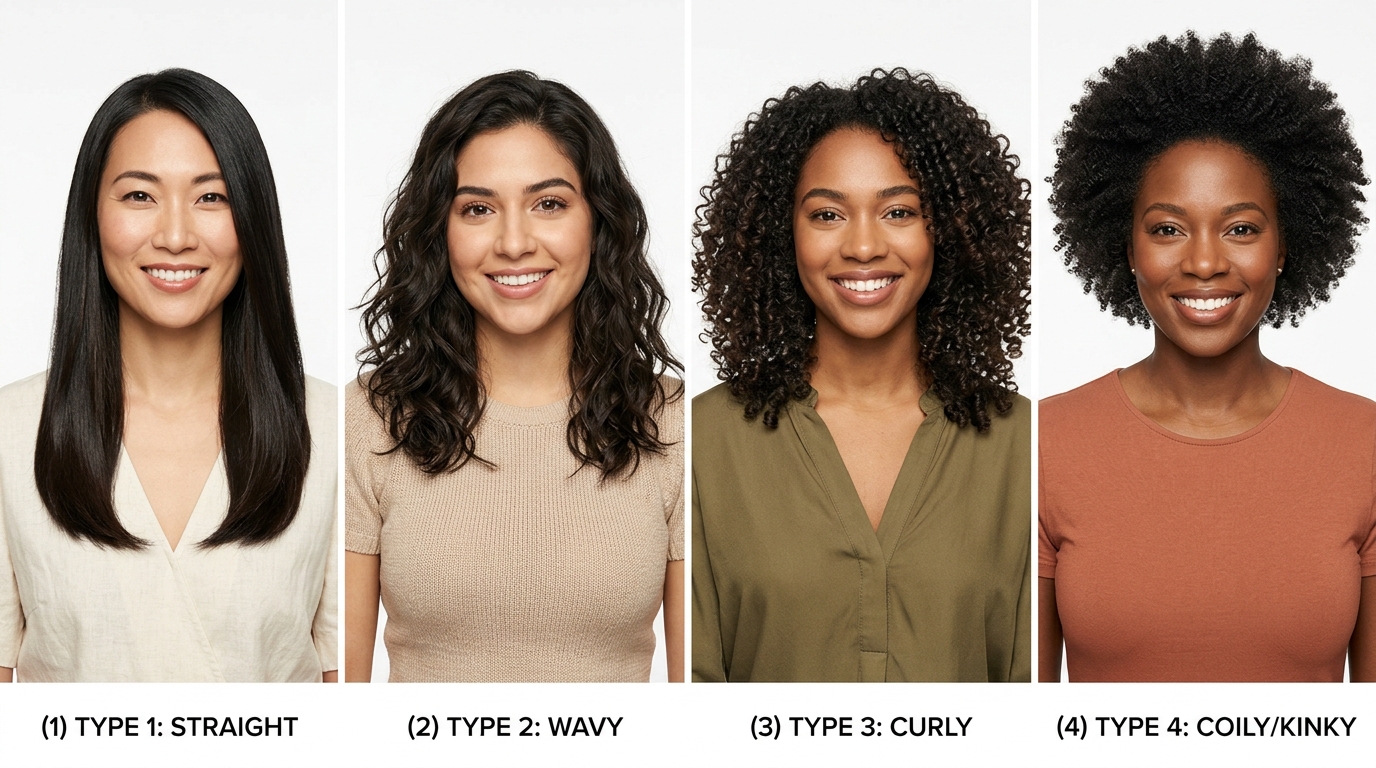
Curl pattern is the shape your hair makes. Straight, wavy, curly, coily. You might know it as the Andre Walker system — the 1A-to-4C chart that categorizes curl patterns.
Texture is the physical thickness of a single strand. How wide is one hair? That’s texture.
Density is how many strands grow on your head. A lot of strands packed together, or fewer with visible scalp between them.
These three things are independent. You can have fine hair with high density, coarse hair with low density, coarse curly hair, or fine straight hair. Any combination exists.
Fine hair needs volume-building techniques, not heavy products. Use root clips while drying, apply products only from mid-shaft down, and avoid silicone-heavy conditioners that weigh fine strands down.
The reason this matters: someone with fine 3B curls and someone with coarse 3B curls need completely different products even though their curls look similar from a distance.
A single coarse strand of hair can be up to three times the diameter of a fine strand. This means coarse hair has significantly more inner cortex, which is why it holds styles longer and resists chemical processing.
How to Test Your Texture
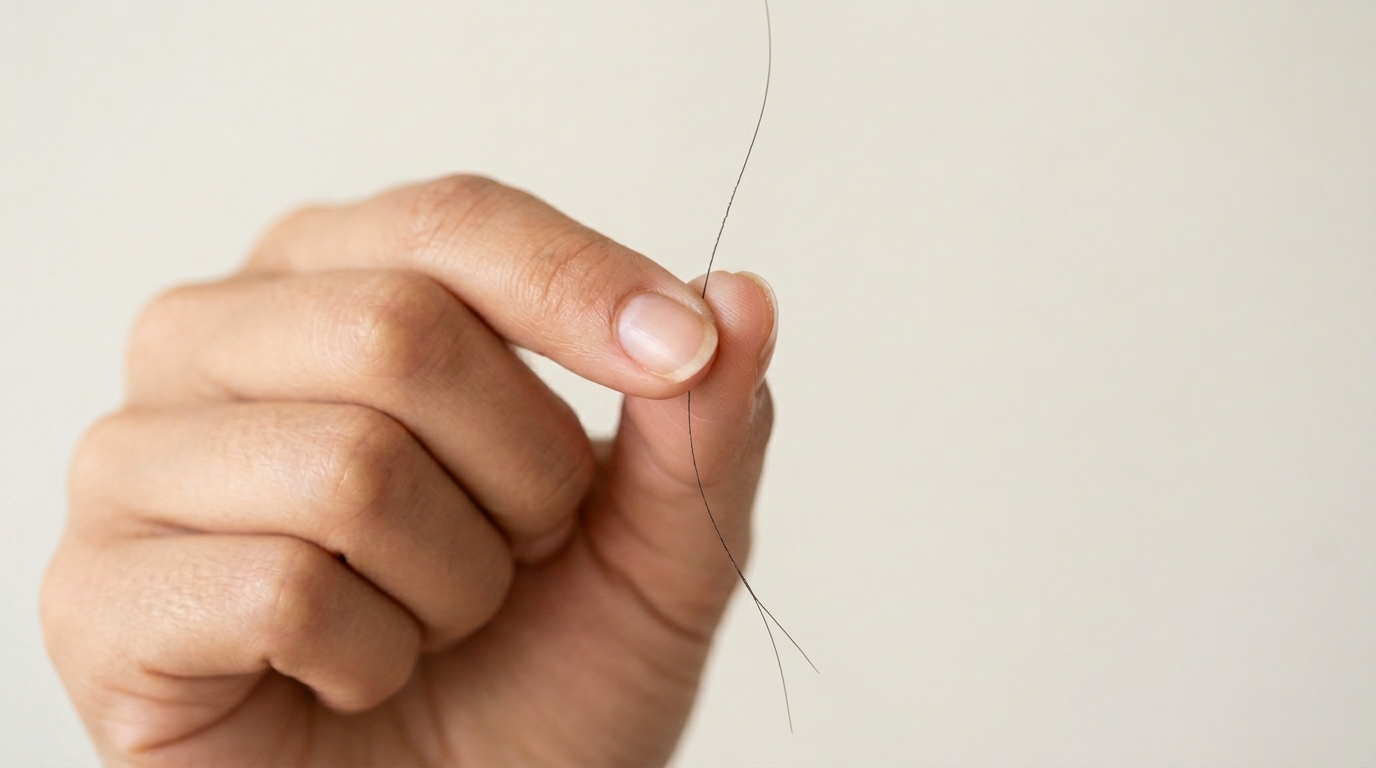
You don’t need a microscope. The single strand test works well enough for practical purposes.
Using the same products for fine and coarse hair is a widespread mistake. Fine hair gets weighed down by heavy formulas, while coarse hair stays dry and frizzy with lightweight products. Texture should dictate your product weight.
Pull one strand of hair from your head (sorry). Hold it between your thumb and index finger. Roll it gently.
Fine hair: You can barely feel it. Hold it up against a white surface and it’s almost invisible. It feels like nothing between your fingers.
Medium hair: You can clearly feel it between your fingers. It’s visible when held up. About the thickness of a standard cotton sewing thread.
Coarse hair: Obvious to the touch. Clearly visible. Thicker than sewing thread, closer to a piece of dental floss in diameter. When you roll it between your fingers, it has a firm, wiry quality.
Hair texture refers to the diameter of individual strands, which is completely separate from hair density (how many strands per square inch). You can have fine hair that is very dense, giving the illusion of thick hair.
Test strands from different areas of your head. It’s normal to have mixed textures, with finer hair around the temples and coarser hair at the nape. Whatever dominates across most of your head is your texture type.
Fine Hair
Individual strands typically measure under 60 micrometers in diameter. For context, a human hair ranges from about 40 to 120 micrometers, so fine hair sits at the narrow end of that spectrum.
Fine hair has less cuticle and cortex (the inner structural layers) than medium or coarse strands. This has real consequences.
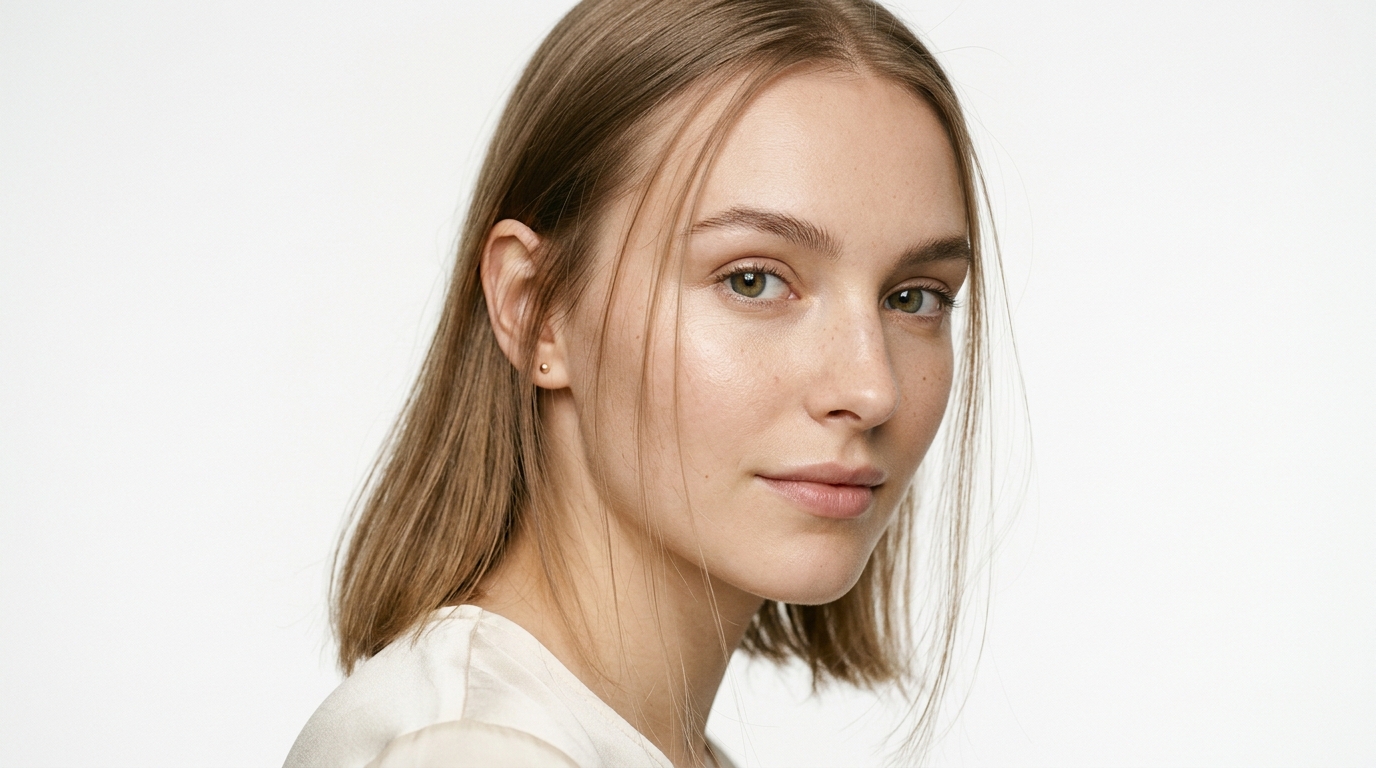
It gets oily faster. Sebum coats a thin strand more quickly than a thick one. Same amount of oil, less surface area to cover. Fine hair often feels greasy by end of day one. If your fine hair also resists absorbing products, check out our guide on low porosity hair for targeted care tips.
It goes flat easily. Less structural mass means less natural lift at the root. Blowouts and volume drop within hours.
It tangles easily when long. Fine strands are more prone to wrapping around each other and knotting, especially when wet.
It’s more vulnerable to heat damage. Less cuticle protecting the cortex means heat penetrates faster. Where coarse hair might tolerate 400 degrees Fahrenheit, fine hair starts sustaining damage well below 350.
If your ponytail feels embarrassingly thin compared to your friends’, fine texture is probably why — not hair loss. Fine strands simply take up less physical space, so even a head full of healthy fine hair can look sparse when pulled back.
Styling and Product Notes for Fine Hair
The golden rule: go lightweight. Always.
Choose mousse over cream. Choose spray over serum. Choose water-based formulas over oil-based ones. Volumizing products with polymers that coat the strand and add temporary thickness are your best friend. Dry shampoo at the roots extends volume between washes.
For heat styling, keep temperatures at 300 degrees Fahrenheit or below and always use a heat protectant spray (not a cream protectant, which adds weight).
See how different hairstyles look on you — upload your photo and try any style with our AI tool.
Try HairStyleMojo Free →Medium Hair
The middle ground. Strands measure roughly 60 to 80 micrometers in diameter. This is the most common hair texture, and if you have it, you probably don’t spend much time thinking about texture at all. That’s actually the best compliment medium hair can get — it just works without constant troubleshooting.
Medium hair holds styles reasonably well. It doesn’t go flat as quickly as fine hair, and it doesn’t resist styling the way coarse hair can. It tolerates most product types without getting weighed down or feeling under-conditioned.
If a shampoo or conditioner is marketed without specifying a hair type, it was probably formulated with medium hair in mind. This is the default that the beauty industry targets.
Medium Leaning Fine vs. Medium Leaning Coarse
Not all medium hair behaves the same. If your strands sit closer to the 60-micrometer end, you have “medium leaning fine” hair. Your hair might hold volume decently but still gets weighed down by rich butters and heavy oils. You’ll do better with lighter creams and water-based serums rather than thick leave-ins.
If your strands sit closer to 80 micrometers, you have “medium leaning coarse” hair. You can handle richer conditioners and oil-based products without your hair going limp. Lightweight mousses and spray-only routines might leave you feeling under-moisturized, especially in dry weather.
Most people with medium hair land somewhere in between and can swing either direction depending on the season, humidity, and how much heat styling they do.
Common Medium Hair Mistakes
The biggest mistake people with medium hair make is borrowing routines from the extremes. Seeing a viral “curly girl” routine built for coarse 4B hair and layering on thick creams and butters will weigh medium hair down. Going the other direction and using only the lightest volumizing sprays because a fine-haired influencer swears by them can leave medium hair dry and flyaway.
The other common mistake: ignoring texture altogether. Because medium hair is forgiving, people often use whatever is in the shower without thinking about it. That works well enough, but matching products to your specific spot on the medium spectrum turns “fine” results into genuinely great ones.
Styling and Product Notes for Medium Hair
Medium texture gives you the widest range of product options. Creams, mousses, serums, oils, sprays — most things work without extremes. If you’ve never had a strong reaction (positive or negative) to a hair product, that’s a good indicator you’re in the medium range.
For specific recommendations: a medium-weight leave-in conditioner or a light cream styler is usually the sweet spot. Argan oil in small amounts adds shine without heaviness. Flexible-hold hairsprays work better than maximum-hold ones, which can make medium hair look stiff and crunchy.
Medium hair is the most adaptable texture — you can experiment with the widest range of products and techniques. Use that to your advantage. Try things that are marketed for fine hair and things marketed for thick hair, and you’ll quickly learn where your particular version of “medium” sits.
Coarse Hair
Strands measure over 80 micrometers in diameter. Each hair is thick, strong, and individually visible. You can see a single coarse strand lying on a white countertop from a few feet away.
Coarse hair gets a bad reputation because the word itself sounds unflattering. In reality, coarse texture is the most structurally resilient of the three types. It’s strong, it holds styles well, and it can handle products and processes that would wreck fine hair. If your hair is coarse, you’ve got a lot to work with.
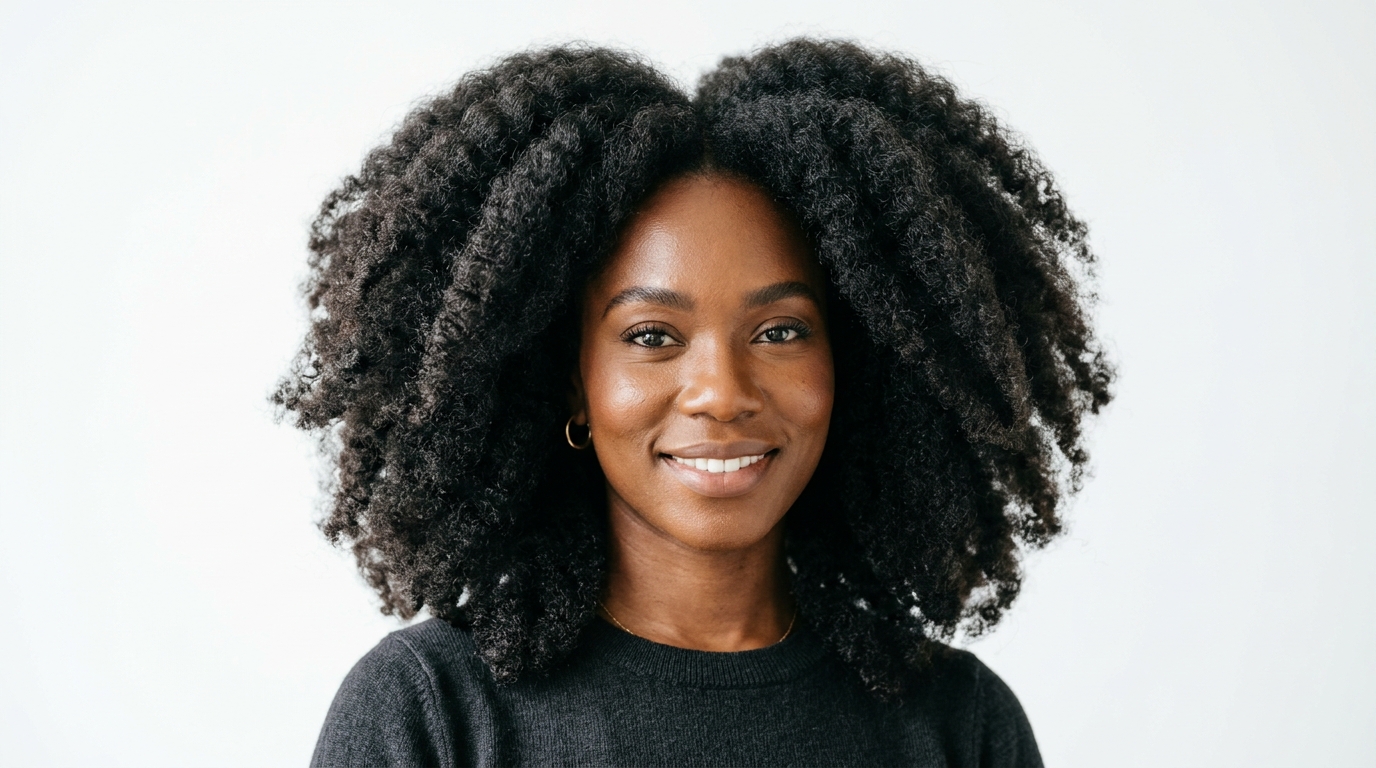
It takes longer to dry. More mass means more water absorption and a longer evaporation time. Air drying coarse hair can take hours depending on length and density.
It resists chemical processing. Hair color takes longer to penetrate because the cuticle layer is thicker. Perms need stronger solutions. This is both an advantage (less accidental damage) and a frustration (dramatic color changes require more effort).
It’s more durable against heat. A thicker cuticle and cortex provide more structural protection. This does NOT mean it’s immune. Repeated high-heat styling still causes cumulative harm. But coarse hair has a longer runway before damage becomes visible.
It handles heavy products without flinching. The thick butters, rich oils, and dense creams that flatten fine hair are exactly what coarse hair needs. Lightweight sprays and foams barely register on coarse strands.
The Coarse vs. Thick Confusion
This trips people up constantly.
Coarse means each individual strand is wide. That’s texture.
Thick means you have a lot of strands. That’s density.
You can have coarse hair with thin density (fewer strands, but each one is wide). You can have fine hair with thick density (many thin strands packed tightly, creating volume). Someone who says “my hair is so thick” might mean coarse strands, or they might mean high density. The care routines for each are different.
Hair Texture at a Glance
| Characteristic | Fine Hair | Medium Hair | Coarse Hair |
|---|---|---|---|
| Strand Diameter | Under 60µm | 60–80µm | Over 80µm |
| Feel Between Fingers | Barely detectable | Soft thread | Wiry, distinct |
| Oil Distribution | Gets oily fast | Balanced | Slow, tends dry |
| Volume | Falls flat easily | Natural body | Naturally full |
| Heat Tolerance | Low (under 350°F) | Moderate (350–380°F) | High (up to 400°F+) |
| Product Weight | Lightweight only | Medium weight | Rich, heavy OK |
| Drying Time | Fast | Moderate | Slow |
| Breakage Risk | High | Moderate | Low |
Why Texture Changes Everything About Product Choice
You buy a highly rated product, use it correctly, and it does nothing. Or worse, it makes things worse. Sound familiar?
The problem isn’t the product. It’s a texture mismatch. Fine hair plus heavy cream equals flat, greasy, lifeless results. Coarse hair plus lightweight spray equals nothing. Product weight needs to match strand thickness.
Fine hair: Water-based products, lightweight gels, volumizing mousses, spray conditioners, mist-type heat protectants. Avoid anything with shea butter, coconut oil, or heavy silicones in the first few ingredients.
Medium hair: Most products work. Creams, light oils, standard conditioners. You have flexibility. Adjust based on whether your hair leans fine or coarse.
Coarse hair: Rich conditioners, hair butters, argan or castor oil, thick leave-in creams, oil-based serums. Products labeled “intense moisture” or “deep conditioning” were made for you.
This is why “best conditioner for curly hair” means nothing without knowing whether those curls are fine, medium, or coarse.
Can Your Texture Change?
Generally, no. Hair texture is genetic, determined by the size and shape of your hair follicle. Follicle size is written into your DNA, and no product or treatment changes the follicle itself.
But there are real exceptions.
Hormonal shifts can alter texture. Pregnancy is the most common trigger, with elevated estrogen making hair coarser, then reverting after delivery. Menopause often shifts hair from medium toward fine. Thyroid conditions can also change strand thickness. If your hair suddenly feels different than it did a year ago and you can’t figure out why, hormones are usually the answer.
Aging tends to shift hair finer over time. The follicle gradually produces thinner strands. By your 60s and 70s, hair that was medium in your 20s may test as fine.
Chemical damage can make coarse hair behave finer. Repeated bleaching or coloring strips the cuticle and thins the cortex. The strand physically loses mass. It’s not truly fine in the genetic sense, but it responds to products more like fine hair until the damaged sections grow out.
Medication can alter texture temporarily. Chemotherapy drugs, blood pressure medications, and hormonal treatments can change strand thickness. These changes usually reverse when the medication stops.
Key Takeaways
- Hair texture means strand thickness (fine, medium, coarse), not curl pattern. These are independent traits that both affect product choice.
- The single strand test is the simplest way to determine your texture: roll one hair between your fingers and compare it to sewing thread.
- Fine hair (under 60 micrometers) needs lightweight, water-based products and lower heat settings. Heavy products flatten it.
- Medium hair (60–80 micrometers) is the most adaptable — experiment widely, but pay attention to whether you lean fine or coarse.
- Coarse hair (over 80 micrometers) thrives with rich creams, butters, and oils that would weigh down fine hair.
- Product mismatch is the main reason products “don’t work.” Weight must match strand thickness.
- Texture is genetic, but hormones, aging, and chemical damage can shift it over time.
Frequently Asked Questions
No. Hair type (the 1A-to-4C system) describes curl pattern. Hair texture describes strand thickness. They are separate characteristics. Someone with 3A curls and fine texture has very different needs than someone with 3A curls and coarse texture, even though their curl pattern is identical.
Not through any product or treatment. Texture is set by your follicle size, which is genetic. A keratin treatment can make coarse hair feel smoother temporarily, but new growth will always match your genetic baseline. Only hormonal changes and aging genuinely shift texture.
Not at all. Coarse is a texture type, not a condition. Coarse hair is more structurally resilient than fine hair because its thicker cuticle and cortex provide more protection. The word “coarse” sounds negative in everyday language, but in hair science it simply means the strand is wide. Coarse hair in good condition is strong, durable hair.
Completely normal. Most people have finer hair around the temples and hairline, where follicles are smaller. Hair at the crown and nape is often coarser. When determining your overall texture type, go with whatever is dominant across most of your head.
Fine hair has less cuticle and cortex, so heat penetrates faster and causes damage at lower temperatures. Stay at or below 300 degrees Fahrenheit. Coarse hair tolerates higher settings (up to 400 degrees) but that doesn’t mean maximum heat is a good idea. Use the lowest effective temperature for your texture. Fine hair should use spray protectant while coarse hair can handle cream or oil-based formulas.
—
Sources & References
- Robbins, C.R. Chemical and Physical Behavior of Human Hair, 5th ed., Springer (2012).
- Gavazzoni Dias, M.F., “Hair Cosmetics: An Overview,” International Journal of Trichology (2015).
- Franbourg, A. et al., “Current Research on Ethnic Hair,” Journal of the American Academy of Dermatology (2003).
- Sinclair, R.D., “Healthy Hair: What Is It?” Journal of Investigative Dermatology Symposium Proceedings (2007).
- American Academy of Dermatology, “Tips for Healthy Hair.”
- Wolfram, L.J., “Human Hair: A Unique Physicochemical Composite,” Journal of the American Academy of Dermatology (2003).
Try different hairstyles on yourself
Upload your photo and see how any hairstyle looks on you before committing.
Try HairStyleMojo Free