
How to Get Rid of Frizzy Hair
How to Get Rid of Frizzy Hair If you’ve got hair that likes to frizz…
Matching Products to Your Hair Type The right product in the wrong hair is worse than no product at all.
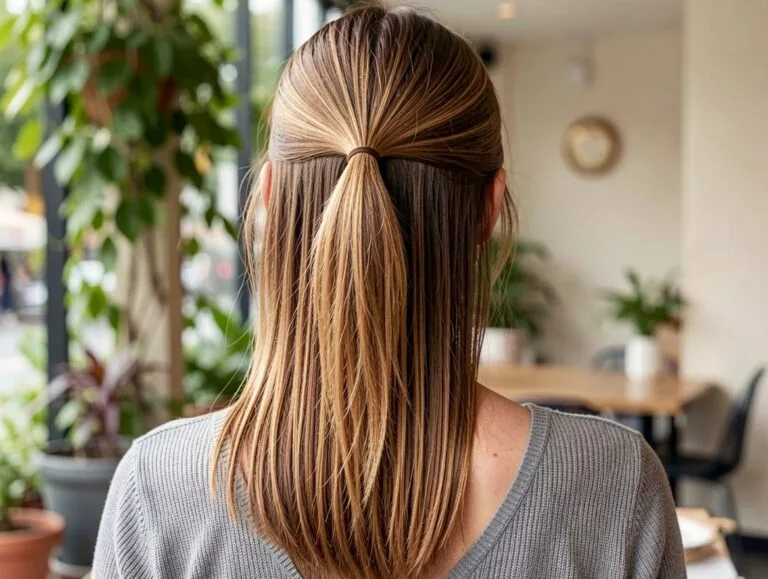

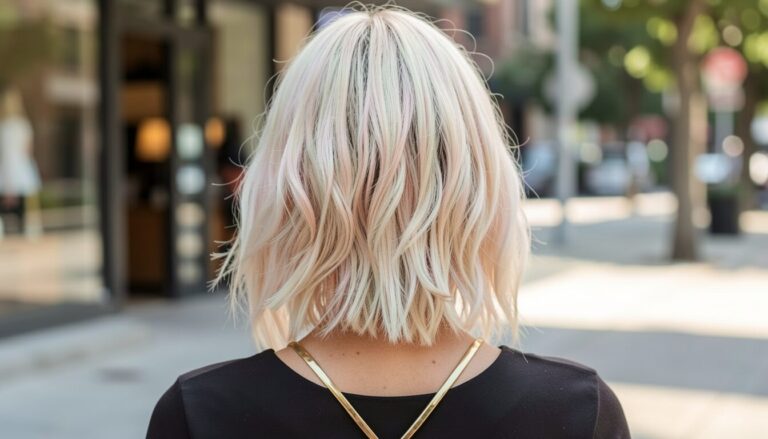

The right product in the wrong hair is worse than no product at all. A heavy pomade on fine hair creates a greasy mess. A lightweight spray on thick, coarse curls does absolutely nothing. Understanding your hair texture and type is step one. The product comes second.
Shampoo and conditioner are the foundation, but most people are doing them wrong. You don't need to shampoo every day unless your scalp is genuinely oily. Most hair types do better with washing every 2-3 days (or less for curly and coily types). When you do shampoo, focus it on the scalp, not the lengths. Conditioner goes on the mid-lengths and ends only - putting it on your roots weighs hair down and makes it greasy faster. If your hair feels dry despite conditioning, you likely need a leave-in conditioner or a weekly deep conditioning treatment, not more frequent washing.
Styling products fall into a few major families. Texturizing sprays and sea salt sprays add grit and volume to straight and wavy hair. Curl creams and gels define and hold curl patterns. Mousses add volume without weight. Pomades and waxes provide hold and shine for structured styles. Dry shampoo absorbs oil between washes and adds texture at the roots. Heat protectant is non-negotiable before any hot tool touches your hair - it's not marketing hype, the damage prevention is real and measurable. If you're experimenting with a new hair color, color-safe products become essential to maintain vibrancy.
The price spectrum in hair products is wide and not always correlated with quality. A $8 drugstore texturizing spray can outperform a $35 salon brand if it happens to be the right formula for your hair. That said, certain product categories are worth spending on: heat protectants (the engineering matters), color-depositing treatments (cheap ones stain unevenly), and deep conditioners (the protein-moisture balance in pro formulas is noticeably better). For everything else - shampoo, basic conditioner, styling cream - try drugstore first and upgrade only if your hair demands it. Read ingredient lists: silicones, sulfates, and alcohols aren't universally bad, but knowing which ones your hair type handles is useful information.
Shampoo is the foundation of every hair routine, and the sulfate-free switch is the single highest-impact product change most people can make. This guide covers options across price points with specific recommendations by hair type.
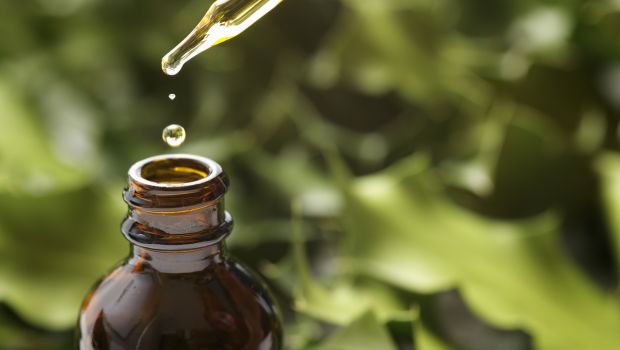
Covers the full spectrum of hair oils from castor and rosemary to argan and jojoba with evidence-based information about what each oil actually does and how to use them effectively.

More of a treatment guide than a product review, this covers the specific products and techniques needed to rebuild heat-damaged hair. Especially valuable for anyone transitioning away from regular flat-ironing.
How to Get Rid of Frizzy Hair If you’ve got hair that likes to frizz…
Hot Oil Treatment For Natural Hair and Damaged Hair Sometimes hair that’s dry or damaged…
Best Essential Oils for Hair Growth When you provide your hair with boosts from oils…

Just Natural Hair Care Product Reviews If you are someone who cringes at the idea…

Best Hair Loss Shampoos And Hair Growth Shampoos For Men and Women Hair loss can…

Splat Hair Dye Reviews Bold hair colors are a trend that’s here to stay, but…

Best Tea Tree Oil Shampoo Reviews Tea Tree oil, also known as Melaleuca, is an…
Best Bubble Curling Wands Reviews With a bubble curling wand you can create different types of…

Curlformers and Magic Leverag Curlers Reviews Getting perfect curls can come at a price, and…

10 Best Dual Voltage Flat Irons If a hair straightener is one of your must-pack…
13 Best Hypoallergenic Shampoo Reviews If you are someone who suffers from itchy, irritated skin,…
Argan Oil for Hair: Best Argan Oil Hair Product Reviews If you are feeling your…

Grapeseed Oil For Hair There are many organic methods to maximizing your hair’s potential, one…

Shea Butter For Hair: Shea Butter Benefits and Uses Amongst all of the glitz and…
Hair Vitamins: Hair Growth Vitamins | Hair Growth Pills Reviews Have you ever wanted to…

Sweet Almond Oil for Hair There is nothing worse than having dry, out of condition…

The Best Jojoba Oil For Your Hair: Top 5 Reviews Jojoba oil is a very…
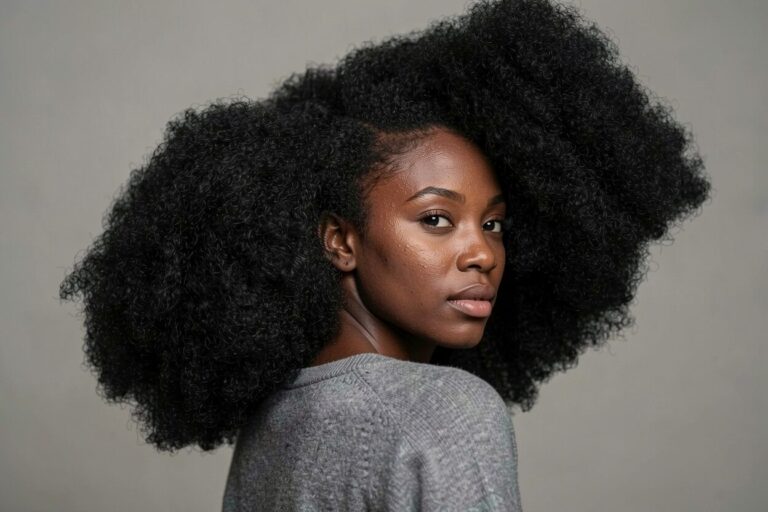
25 Best Natural Hair Products That Actually Work From moisturizers and makeup to hair dyes…
Sulfates (sodium lauryl sulfate, sodium laureth sulfate) are strong detergents that create a thick lather and strip oil efficiently — sometimes too efficiently. They dissolve color molecules, dry out curls, and irritate sensitive scalps. Sulfate-free shampoos use gentler surfactants like cocamidopropyl betaine or sodium cocoyl isethionate that clean without stripping natural moisture. The trade-off: sulfate-free formulas produce less lather (which doesn't mean less cleaning — lather is cosmetic, not functional) and may not fully remove heavy silicone buildup. Use a clarifying sulfate shampoo once every 3-4 weeks to reset, then stick with sulfate-free for daily washing.
Perform the wet stretch test: take a single wet strand and gently pull it. If it stretches like taffy and feels mushy before breaking, your hair is over-moisturized and needs protein — the internal keratin structure is weak. If it snaps immediately with zero stretch, your hair is protein-overloaded and needs moisture. Healthy hair stretches about 30% and springs back. Most people need both, alternating treatments: a protein mask (keratin-based, rice water rinse, or Aphogee Two-Step) one week, a deep moisture treatment (Shea Moisture, Olaplex No. 8, or a cholesterol mask) the next. Reassess every 4-6 weeks.
The jump from a $30 drugstore dryer to a $60-$120 mid-range model (BaByliss Pro, T3 Fit, Hot Tools) is the most impactful upgrade: ionic technology for 40% faster drying, multiple heat settings to prevent damage, and a longer lifespan (3-5 years vs. 1-2). Going from $100 to $400+ (Dyson Supersonic, Shark FlexStyle) gets you quieter operation, intelligent heat control, and lighter weight — real improvements but diminishing returns on hair results. If you blow-dry daily with fine or damaged hair, invest at least $70 in an ionic dryer with a concentrator nozzle.
Clinical evidence supports it. A 2015 study showed rosemary oil performed comparably to 2% minoxidil for androgenic alopecia after 6 months of daily application, with less scalp itching. It works by improving scalp microcirculation and may inhibit DHT, the hormone that shrinks follicles. Mix 3-5 drops of pure rosemary essential oil into a tablespoon of jojoba or grapeseed carrier oil, massage into the scalp for 2-3 minutes, and leave on for at least 30 minutes before washing. Results require 3-6 months of consistent use. It thickens thinning zones but will not regrow hair on completely bald areas.
Apply to clean, towel-blotted hair — not dripping wet, because excess water dilutes the formula. Section hair into 4-6 parts and apply from mid-shaft to ends using a wide-tooth comb (a comb distributes product far more evenly than hands). Then add heat: cover with a plastic processing cap and sit under a hooded dryer for 15-20 minutes, or wrap a hot damp towel around the cap. Without heat, most masks sit on the surface and deliver only 30-40% of their benefit. Rinse with cool water to seal the cuticle.
Minoxidil (Rogaine) remains the most clinically proven over-the-counter hair growth product — the 5% solution or foam applied twice daily shows measurable regrowth in 60-70% of users within 4-6 months. For a natural alternative, rosemary oil has clinical backing comparable to 2% minoxidil. Biotin supplements (2,500-5,000 mcg daily) support hair growth only if you have a biotin deficiency — most people get enough from diet. Caffeine-based serums (The Ordinary, Plantur 39) stimulate follicles topically. The Ordinary's Multi-Peptide Serum for Hair Density ($18) combines multiple growth peptides and redensyl at a fraction of prescription costs.
Curly hair needs hydration, definition, and frizz control — in that order. For cleansing, a sulfate-free shampoo or co-wash (As I Am Coconut CoWash, $8) preserves natural oils. For conditioning, a rich leave-in conditioner (Kinky-Curly Knot Today, $14) detangles and hydrates. For definition, a curl cream (Cantu Moisturizing Curl Activator, $6, or DevaCurl SuperCream, $28) on soaking-wet hair sets the curl pattern. For hold without crunch, a light gel (LA Looks Extreme Sport, $3, or Aussie Instant Freeze, $5) scrunched into wet hair creates a cast you break once dry.
For permanent coverage, Madison Reed Radiant Hair Color ($28) uses a no-ammonia formula with keratin and argan oil that colors without the harsh chemical smell or damage of drugstore brands. For semi-permanent color, oVertone ($29) and Celeb Luxury Viral Colorwash ($35) deposit vivid color without developer. For gray coverage specifically, Clairol Natural Instincts ($9) or Garnier Nutrisse ($8) provide reliable results — Nutrisse includes a built-in conditioner that leaves hair softer post-color. If you're just refreshing existing color between salon visits, a color-depositing conditioner (dpHue Gloss+, $35) adds a transparent color layer without commitment.
Gray coverage depends on how much gray you have. Under 30% gray: a demi-permanent color (Clairol Natural Instincts, $9; Madison Reed Color Reviving Gloss, $25) blends grays softly without harsh roots as it fades over 28 washes. Over 30% gray: you need permanent color — Garnier Nutrisse ($8) and Revlon ColorSilk ($5) consistently cover resistant grays because their formulas include higher developer volumes. For stubborn, wiry grays that resist color, apply the formula to gray areas first and let it process an extra 5-10 minutes before applying to the rest.
For medically-backed treatment, 5% minoxidil foam (generic Rogaine, $25-$40 for 3-month supply) applied to the scalp twice daily is the gold standard — FDA-approved with decades of clinical data. Women should use the 2% solution or consult a dermatologist before using 5%. Prescription finasteride (for men only) blocks DHT at the hormonal level and is more effective than topical treatments alone. For non-prescription support, products containing redensyl, procapil, or caffeine (The Ordinary Multi-Peptide Serum, $18; Nioxin System kits, $30-$45) strengthen existing hair and support follicle health. A scalp massager ($8-$12) used 5 minutes daily increases blood flow to follicles.