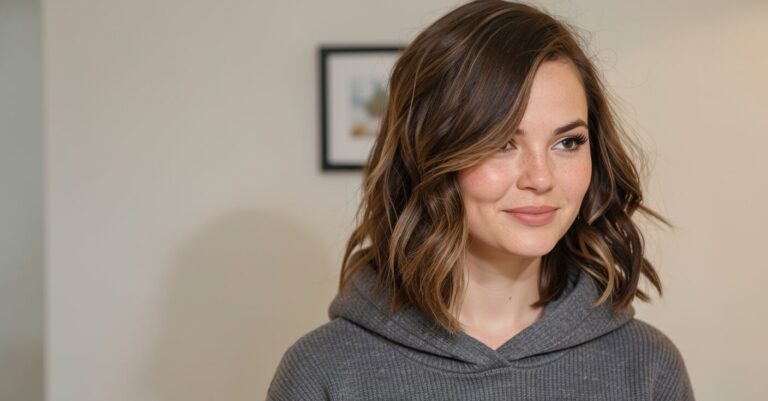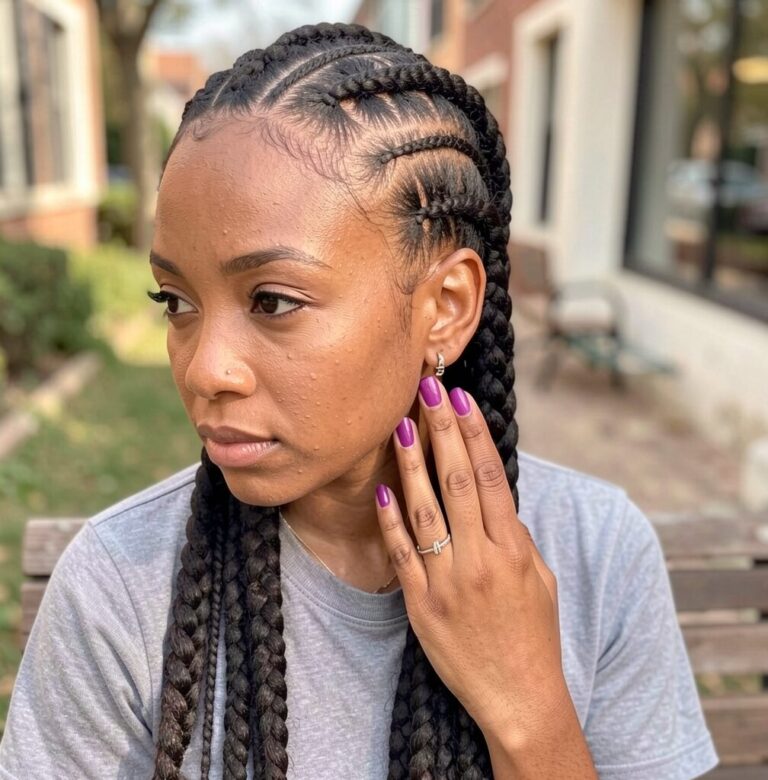
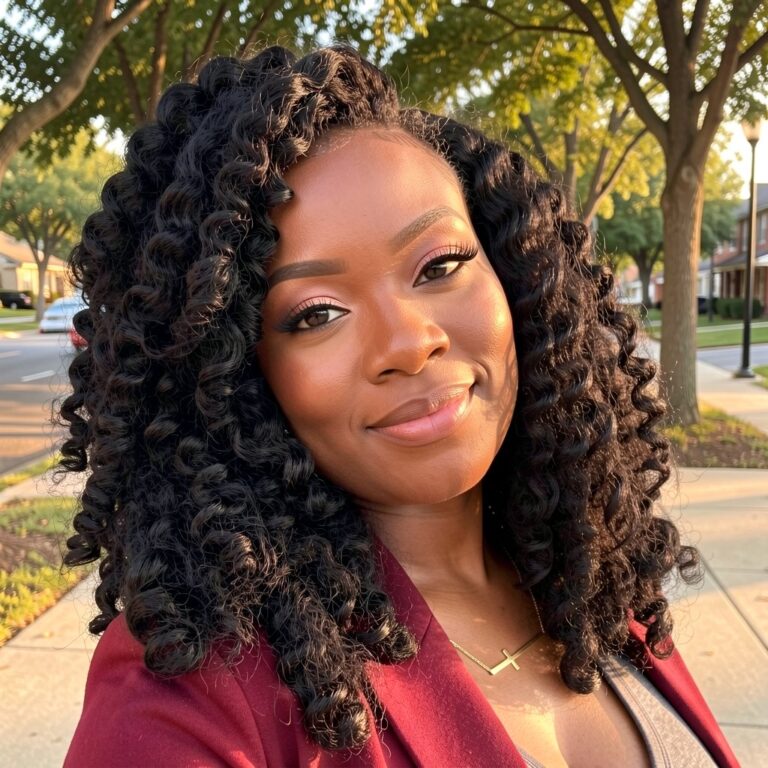
Crochet Braids Hairstyles
40 Crochet Braids Hairstyles | Crochet Hair Inspiration Crochet braids made a huge debut in…
Hair products are not one-size-fits-all, and the sheer number of options makes choosing genuinely difficult.


Hair products are not one-size-fits-all, and the sheer number of options makes choosing genuinely difficult. Every review here is built around what actually works in daily use, not what looks good on packaging.
The right product depends on your hair's specific needs. Fine hair needs volumizing formulas that will not weigh strands down; heavy oils and thick creams make it greasy within hours. Thick, coarse hair craves moisture-dense products like butters and heavier oils to seal the cuticle. Curly and natural hair has specific layering systems (LOC and LCO methods) that dictate product order and type. Color-treated hair needs sulfate-free formulas and UV protection since sun exposure fades color almost as much as washing does.
Best Curling Iron for Fine Hair and Best Hot Air Brushes review tools tested on specific hair types, not generic roundups. Best Sulfate Free Shampoo and Best Shampoo for Dry Scalp cover the foundation of any hair routine with honest ingredient breakdowns. The oil guides cover both the science and practical application of hair oils. For repair, Keratin Treatment at Home and Best Keratin Hair Masks tackle the most popular smoothing treatments with real cost comparisons between salon and DIY.
A solid shampoo-conditioner pair runs $15-$40. Styling products average $12-$25 each. Hot tools range from $25 for a basic curling iron to $300+ for professional-grade dryers. Here is what seasoned stylists know: a $15 gel can outperform a $40 one for certain curl types. Ingredient lists matter more than brand names, so look for what your hair actually needs (protein for damaged hair, humectants for dry hair, clarifying agents for buildup).
Before buying anything, know your hair's porosity, strand thickness, and density. These three factors determine which products will actually perform.
Shampoo is the foundation of every hair routine, and the sulfate-free switch is the single highest-impact product change most people can make. This guide covers options across price points with specific recommendations by hair type.
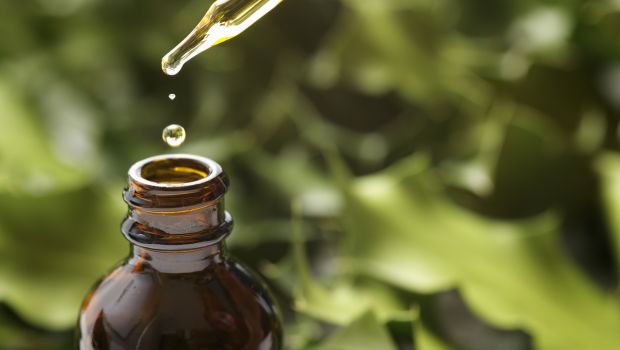
Covers the full spectrum of hair oils from castor and rosemary to argan and jojoba with evidence-based information about what each oil actually does and how to use them effectively.

More of a treatment guide than a product review, this covers the specific products and techniques needed to rebuild heat-damaged hair. Especially valuable for anyone transitioning away from regular flat-ironing.
40 Crochet Braids Hairstyles | Crochet Hair Inspiration Crochet braids made a huge debut in…
Best Leave In Conditioner For Curly Hair Reviews Leave-in conditioner is designed to provide additional…
Best Hair Growth Serum Reviews Are you are struggling with hair loss or slow hair…
Best Hair Thickening Shampoos Product Reviews If you want to take care of your thin…
12 Best Shampoos for Keratin Treated Hair | Best Keratin Shampoo and Conditioner Reviews Want…
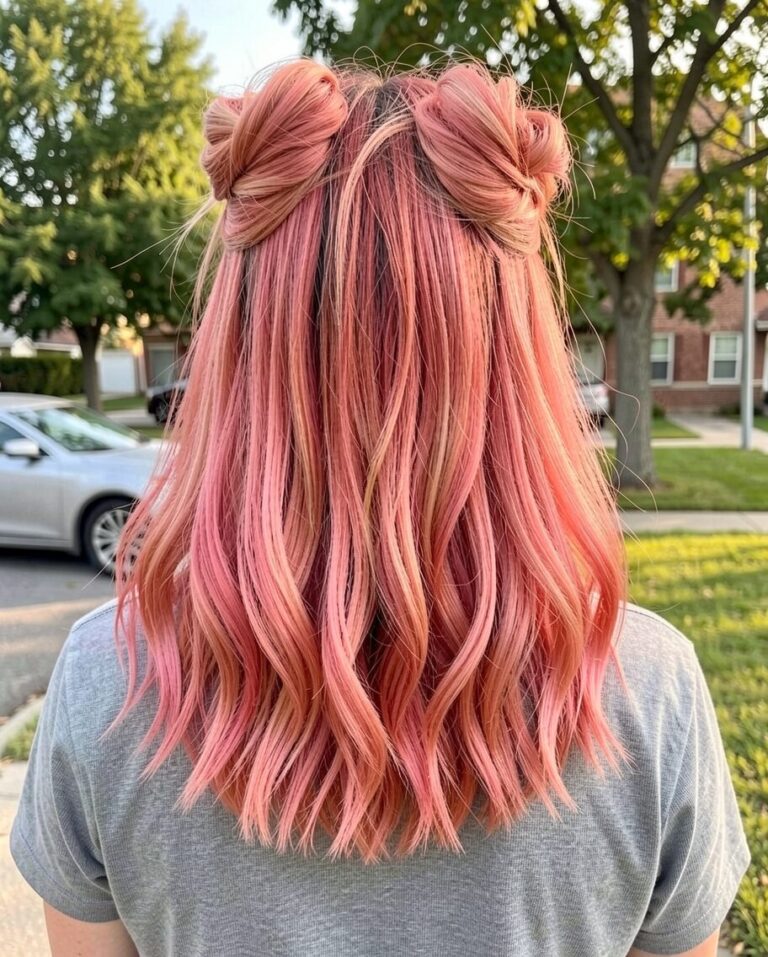
Manic Panic Colors 101 With an incredible range of colors and products that are 100%…
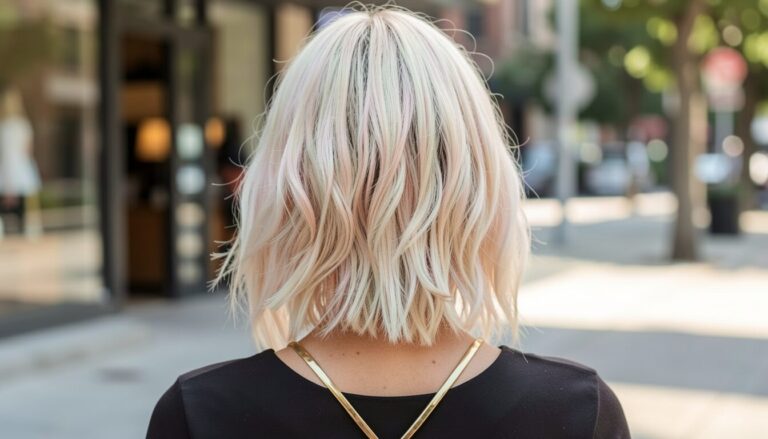
How to fix fried and bleached hair If you love wearing your hair in ultra…

8 Best Toners for Brassy Hair | Brassy Hair Toner Reviews How to prevent your…

3C Natural Hair Care Guide With great curls comes great responsibility. Wavy, curly, coily, kinky…
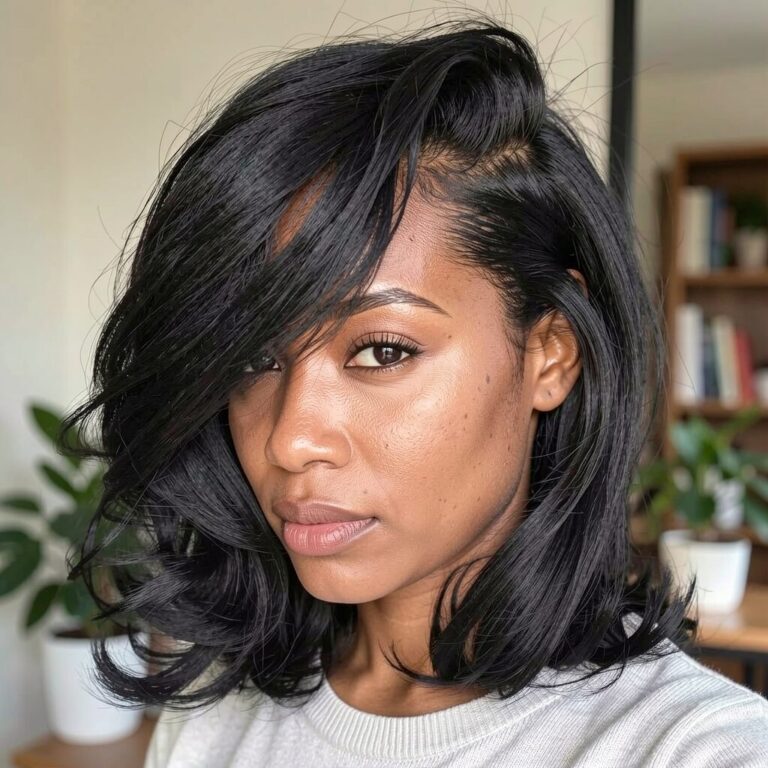
Silk Press Natural Hair Against popular belief, there are several methods to achieve bouncy, invigorated…
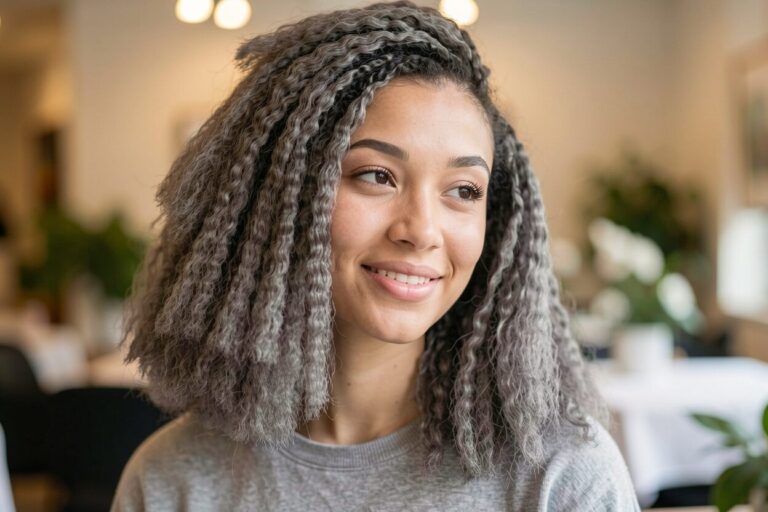
The 10 Best Hair Crimpers Let’s give a warm welcome to one of the most…

10 Best Hot Air Brushes Don’t get confused, we aren’t about hot air balloons, we…
Best Keratin Treatment To Do At Home Keratin treatments for hair were once the exclusive…
Best Curling Irons for Fine Hair A curling iron is an important styling tool that…

Best Hair Straightening Brushes On the Market Looking for a brush that straightens hair? Whether you…
Best Shampoo for Greasy Hair If you have greasy or oily hair that refuses to…
Keratin Hair Mask and Deep Conditioner Reviews If you have recently had a keratin treatment,…

Best Vegan Hair Dyes that Actually Work Here we If you are taking part in…
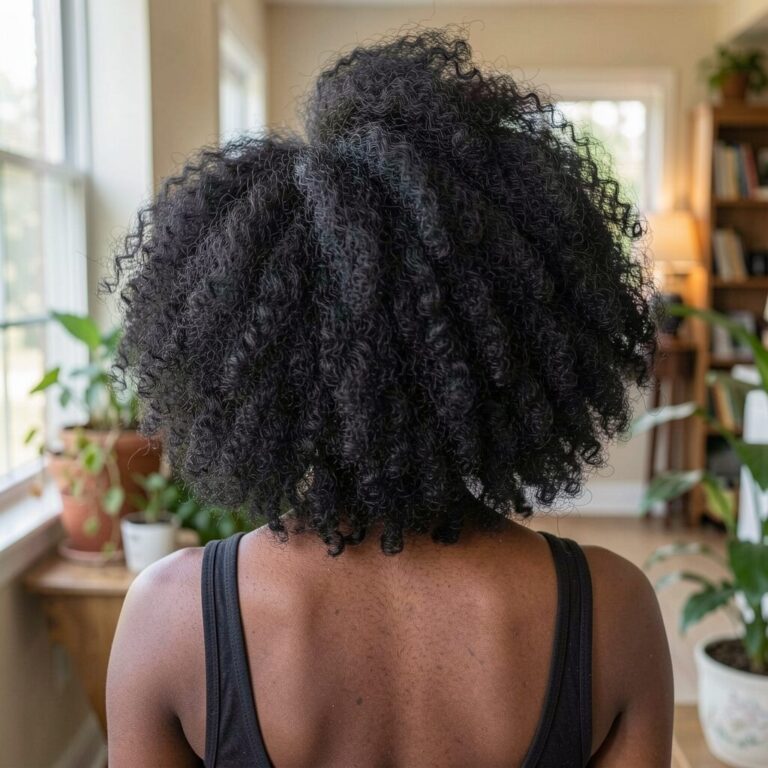
All You Need To Know About Low Porosity Hair One could say the hair care…
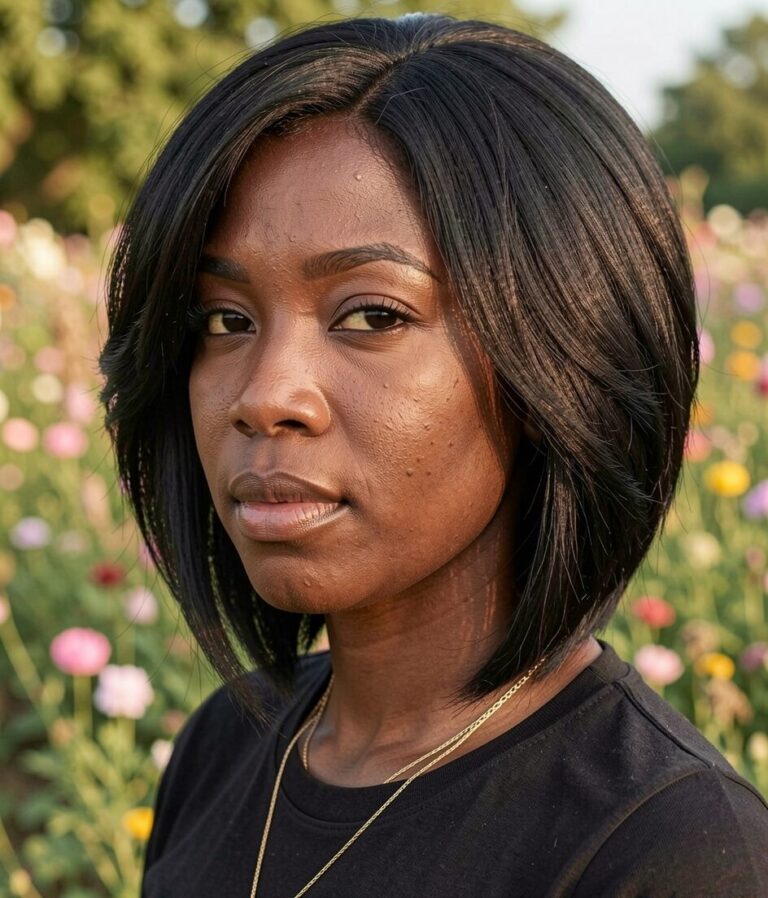
Keratin Treatment For Black Hair Interested to learn how DIY Keratin treatment at home on…
Heat Damage and Natural Hair: How to Get Curl Pattern Back Heat styling is tempting…
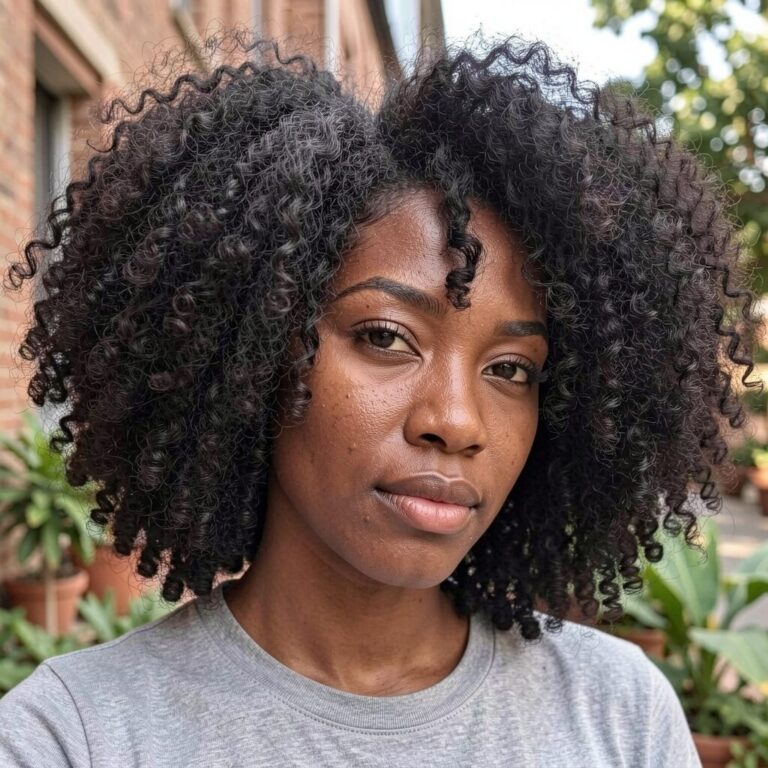
Natural Hair LOC Method Guide What’s the LOC Method? LOC method is one of the…

Clip in Extensions for Short Hair Guide If you have short hair, but sometimes wish…
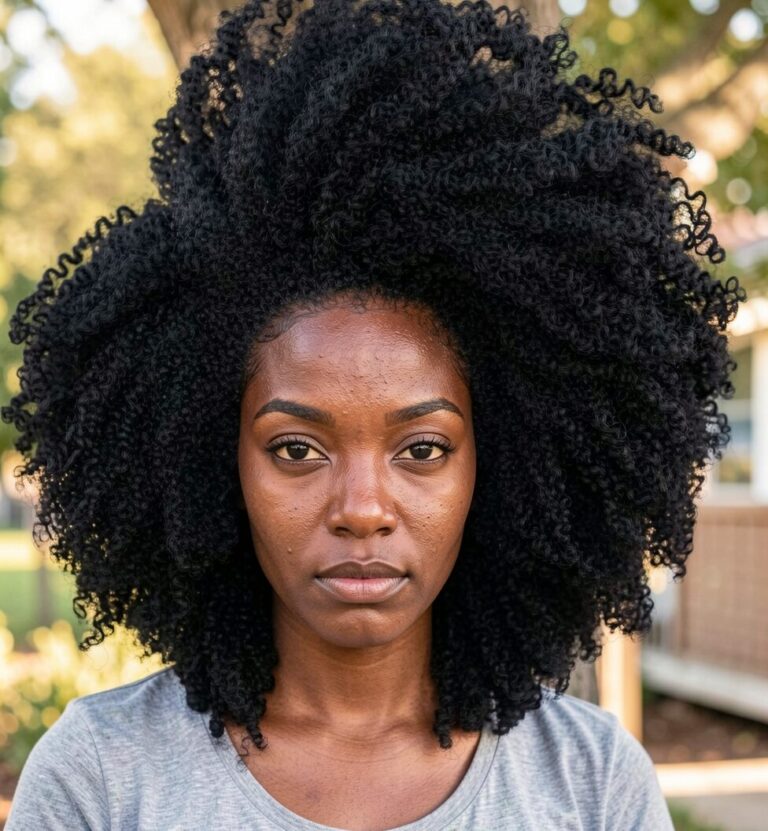
Best Hooded hair dryers From conditioning to styling, hooded hair dryers are a convenient addition…
Sulfates (sodium lauryl sulfate, sodium laureth sulfate) are aggressive cleansing agents that strip oils effectively but can over-dry hair, especially curly, color-treated, or naturally dry types. Sulfate-free shampoos use gentler surfactants like cocamidopropyl betaine that clean without stripping natural moisture. The trade-off: sulfate-free formulas do not lather as much and may not fully remove heavy silicone buildup, so you may need a clarifying sulfate shampoo once a month. For daily use, sulfate-free is better for most hair types.
Stretch a wet strand. If it stretches far and feels gummy or mushy before breaking, you need protein because the internal structure is weak and over-moisturized. If it snaps immediately with no stretch, you need moisture because the hair is brittle and protein-overloaded. Healthy hair stretches slightly and bounces back. Most people need a balance of both, alternating between protein treatments (keratin masks, rice water rinses) and moisture treatments (deep conditioners, oil treatments) every 1-2 weeks.
For most people, a mid-range dryer ($60-$120) with ionic technology and multiple heat/speed settings is the sweet spot. The jump from $30 to $70 is significant: faster drying, less heat damage, and longer motor life. Going from $100 to $400 (like Dyson) is more about ergonomics and noise than dramatically better results. If you blow-dry daily with fine or damaged hair, invest in at least a mid-range ionic dryer.
Clinical studies show rosemary oil performs comparably to 2% minoxidil for androgenic alopecia when applied topically over 6 months. It improves scalp circulation and may inhibit DHT. Mix 3-5 drops of pure rosemary essential oil into a carrier oil (jojoba or grapeseed), massage into the scalp for 2-3 minutes, and leave on for at least 30 minutes before washing. Results take 3-6 months of consistent use. It will not regrow hair on slick-bald areas but can thicken thinning areas.
Apply your mask to clean, towel-dried hair — not soaking wet — because excess water dilutes the formula. Section hair into 4-6 parts and apply from mid-shaft to ends. Use a wide-tooth comb to distribute evenly. Then add heat: wrap in a plastic cap and sit under a hooded dryer for 15-20 minutes, or wrap a hot towel around the cap. Heat opens the cuticle and drives product deeper. Without heat, most masks just sit on the surface.