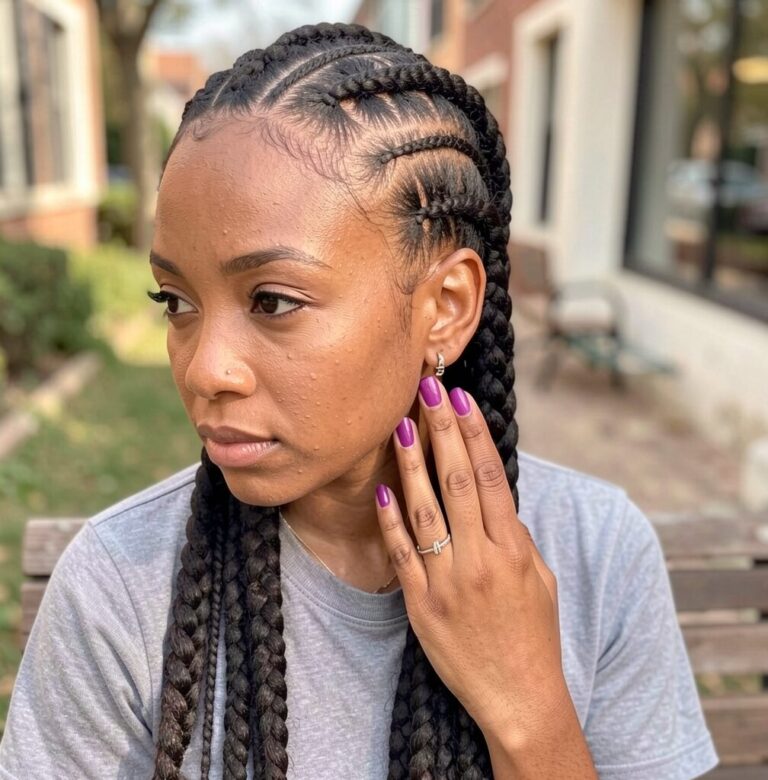

20 Braided Hairstyles for Black Women
Chic Black Braided Hairstyles Since the beginning of time one of the most worn styles of…
Black hairstyles encompass one of the richest and most technically complex traditions in hair care.
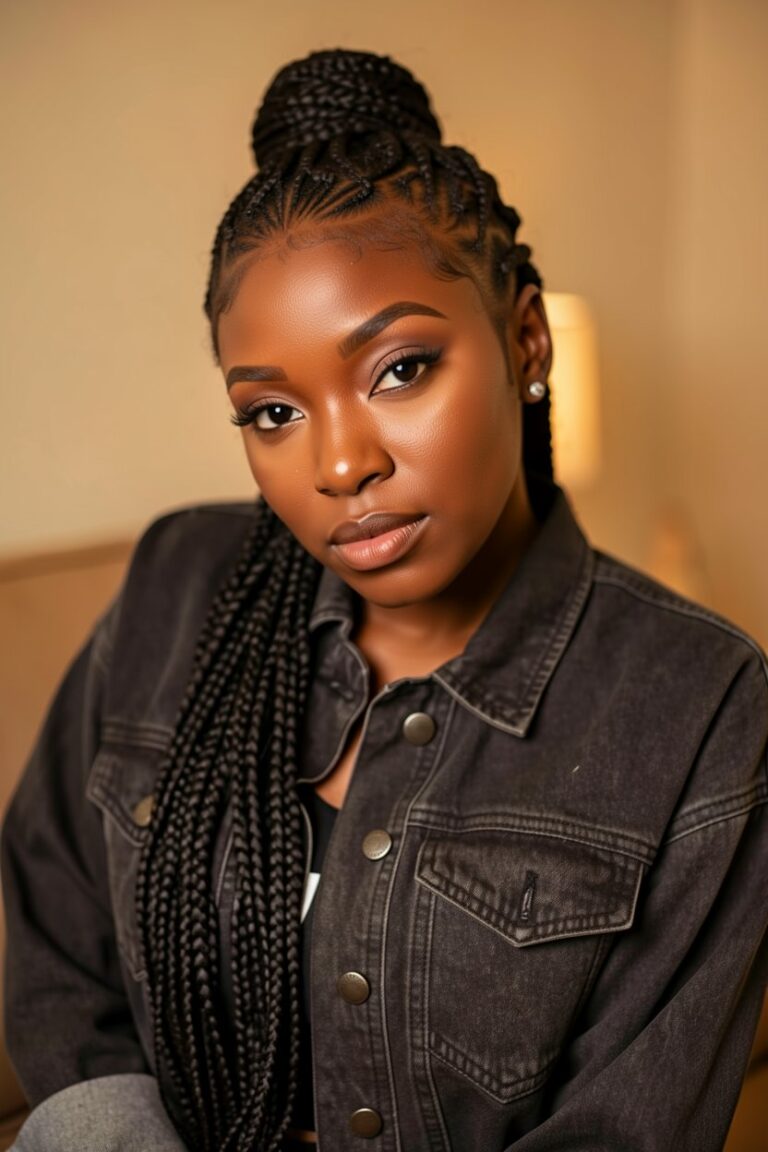

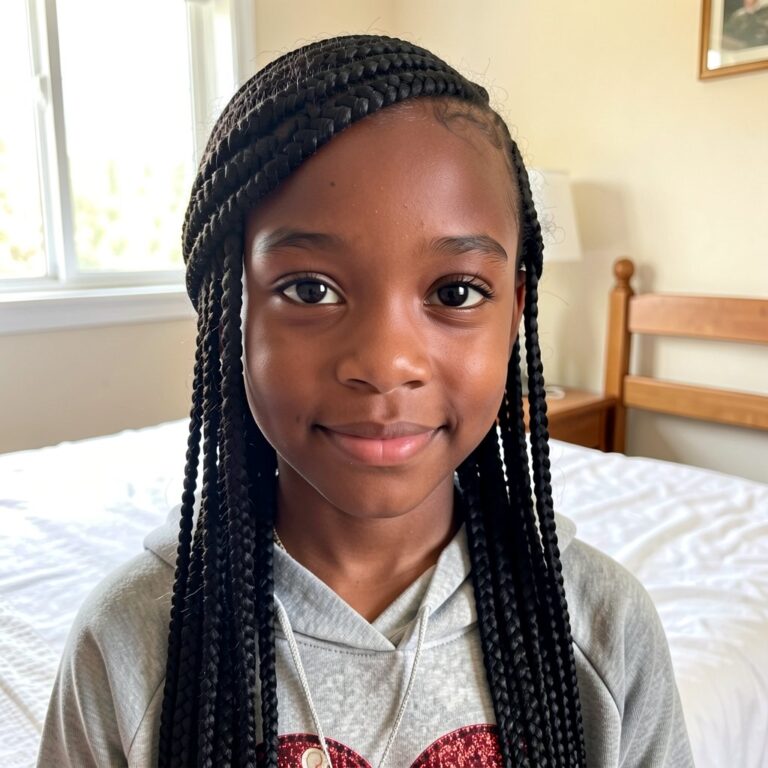
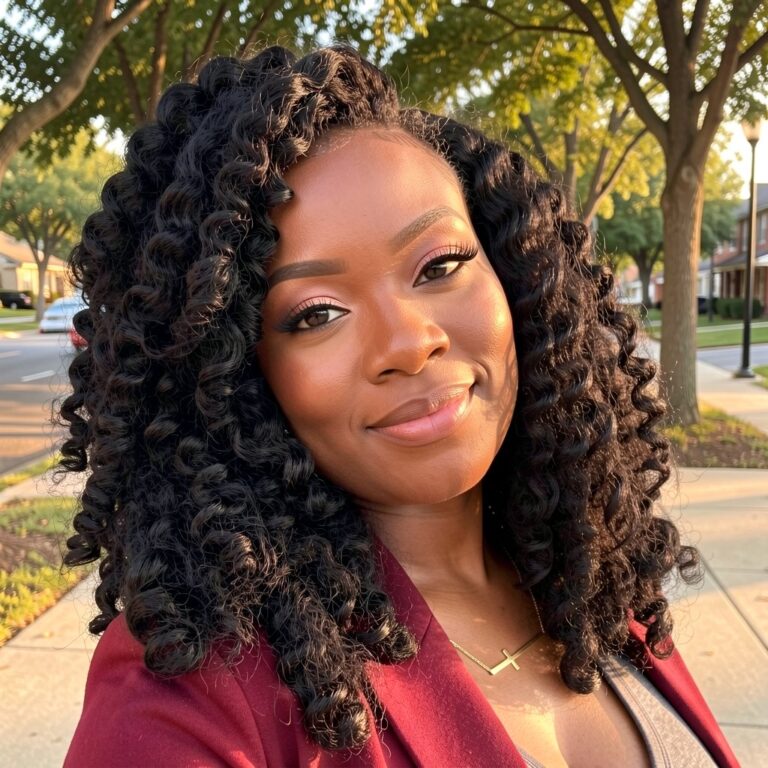
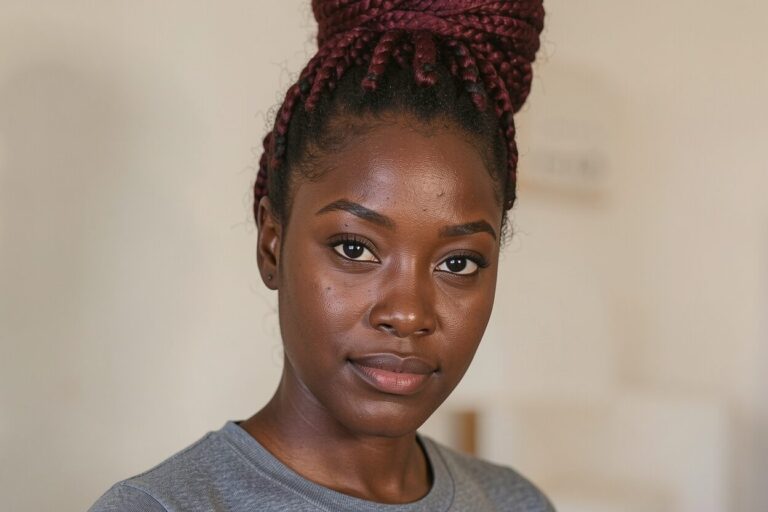
Black hairstyles encompass one of the richest and most technically complex traditions in hair care. Rooted in African heritage where hairstyles communicated marital status, community membership, and identity, Black hair styling influences mainstream fashion while maintaining deep cultural meaning. The texture of Type 3 and Type 4 hair, from loose curls to tight coils and zig-zag patterns, creates unique styling possibilities and care requirements. Black hair care is its own discipline with its own product science, styling techniques, and health considerations.
The category covers everything from corporate-friendly silk presses to bold colored crochet installs. Protective styling is central: box braids, twists, cornrows, and crochet installs shield fragile ends from daily manipulation and environmental damage, promoting length retention. 4C hair has up to 75% shrinkage and requires the most moisture. A silk press achieves a sleek, straight look temporarily without permanent chemical straightening. The choice between protective styles, natural wear, and straightened looks is personal and often shifts with seasons and life stages.
Protective braided styles cover box braids, cornrows, feed-in braids, and lemonade braids. Twist-based styles span two-strand twists, Marley twists, and kinky twists. Crochet installations are faster to install than traditional braids. Loc styles include goddess locs, faux locs, and short faux locs. Natural hair worn out covers wash-and-gos, twist-outs, and natural updos.
Box braids cost $150-350 for installation (4-8 hours) and last 6-8 weeks. Cornrows run $50-150 and last 2-4 weeks. Crochet installs take 2-3 hours at $100-200 and last 4-6 weeks. A professional silk press costs $65-120 and reverts with the first wash or humidity exposure. Daily maintenance for unbraided natural hair centers on moisture: the LOC or LCO method, satin bonnets or pillowcases every night, and deep conditioning every 1-2 weeks.
Look for a stylist with specific experience on your hair type and ask to see their portfolio. Communicate your tenderness tolerance upfront: braids should be firm but should never cause pain, bumps, or headaches. Preview different styles with the AI try-on tool before booking a multi-hour appointment.
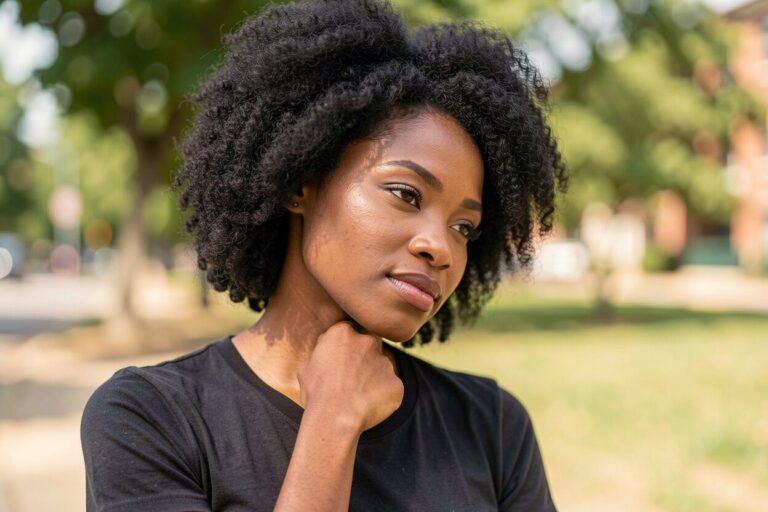
The foundational guide for understanding why and how protective styling works — essential reading before choosing any specific braid, twist, or crochet style.
The broadest collection of natural styling options, from everyday wash-and-go looks to styled-out special occasion hair.

Detailed breakdown of the tightest curl pattern's specific care needs, product recommendations, and styling techniques — critical for anyone with Type 4C texture.
Chic Black Braided Hairstyles Since the beginning of time one of the most worn styles of…
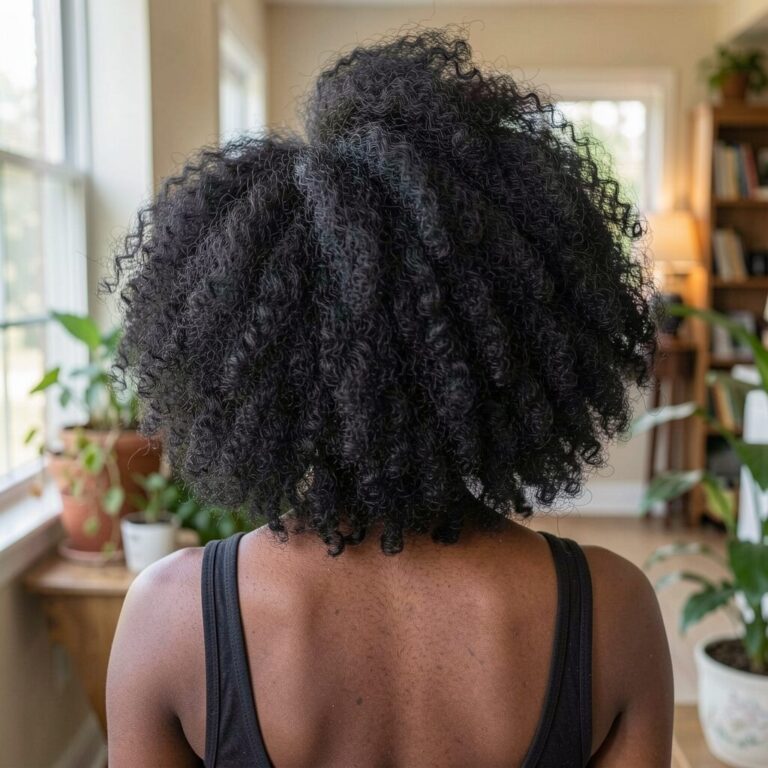
All You Need To Know About Low Porosity Hair One could say the hair care…
Box Braids Guide: How To Box Braids Out of the dozens of braiding styles that…
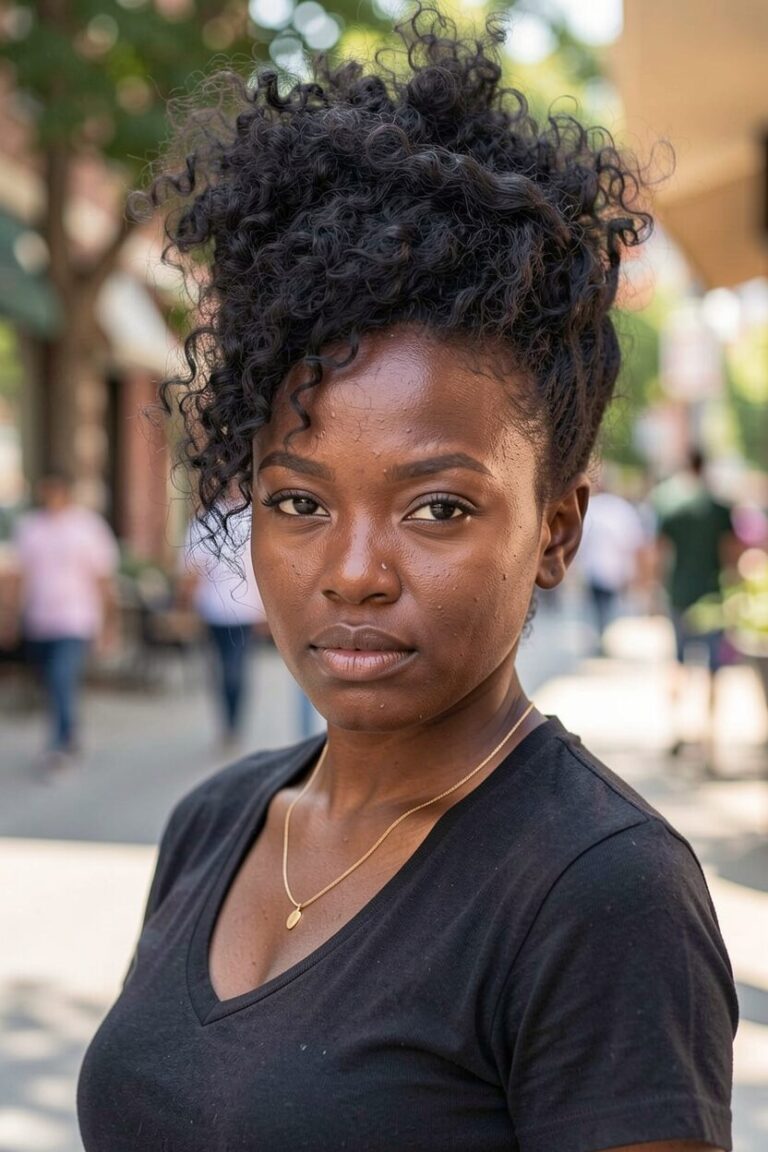
How To Pineapple Your Hair | Pineapple Hairstyles Wondering how to keep your curls intact…

Heat Damage and Natural Hair: How to Get Curl Pattern Back Heat styling is tempting…

Your Guide to Crochet Braids Crochet braids have taken the natural hair community by storm…

Hairstyles for Plus Size Women What makes women great is that we are all unique…
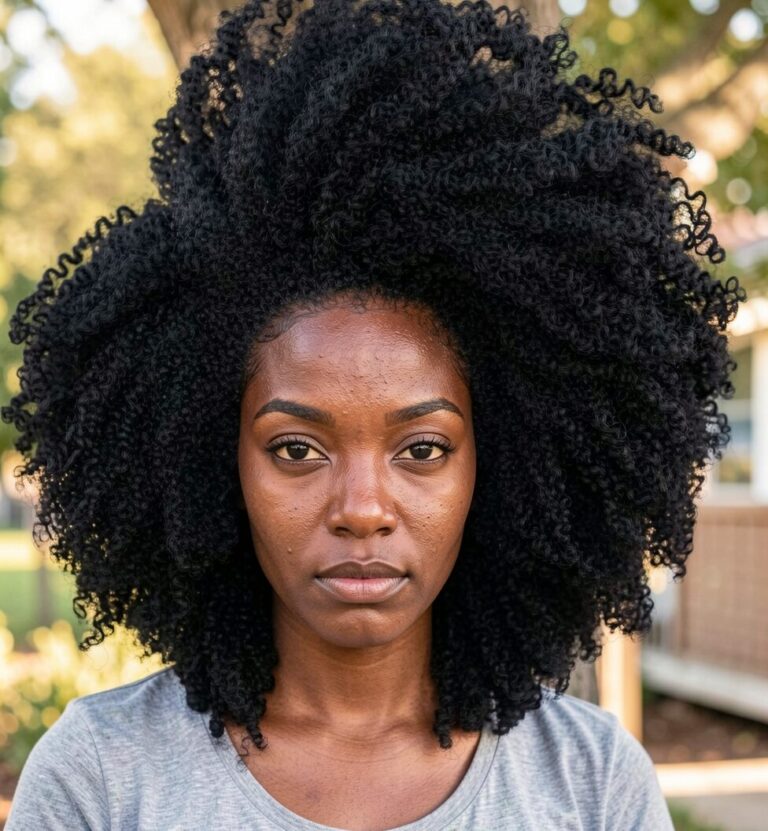
Best Hooded hair dryers From conditioning to styling, hooded hair dryers are a convenient addition…
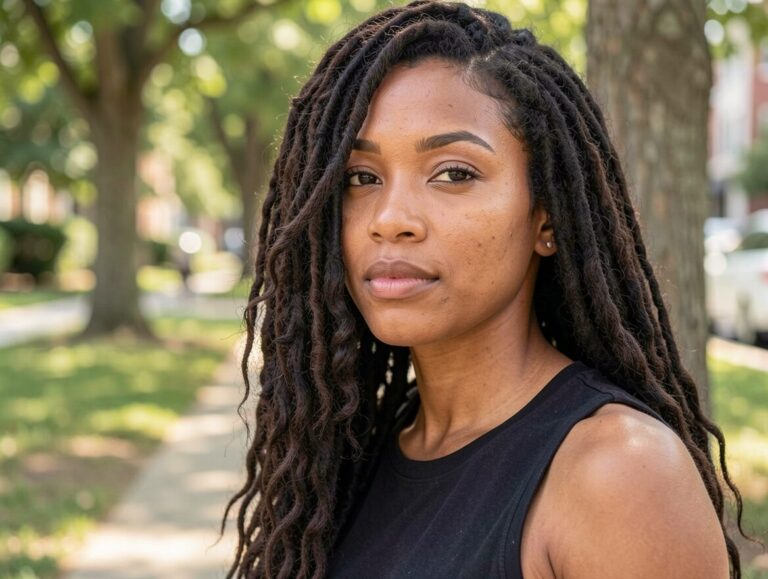
Goddess Locs 101 One of the trendiest ways to wear your hair in a protective…
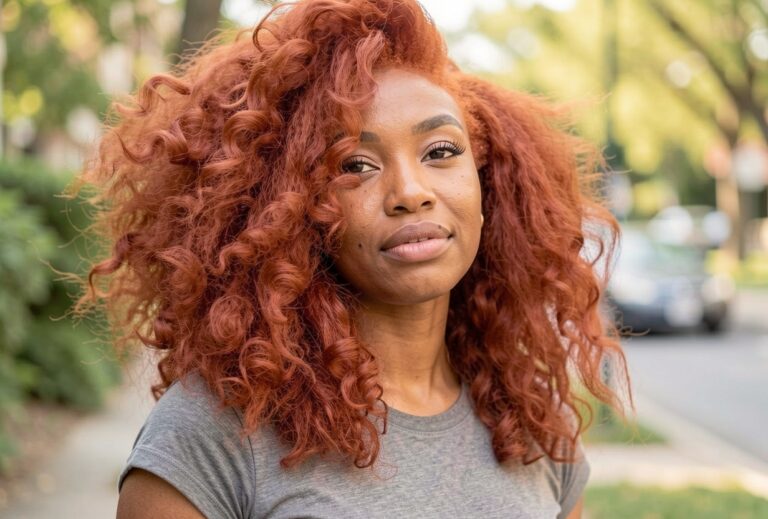
Best Hair Colors for Dark Skin Tones Dark skin tones are not one size fits…

Best Hair Dryer For Natural Hair For many people, the blow dryer is a must-have…
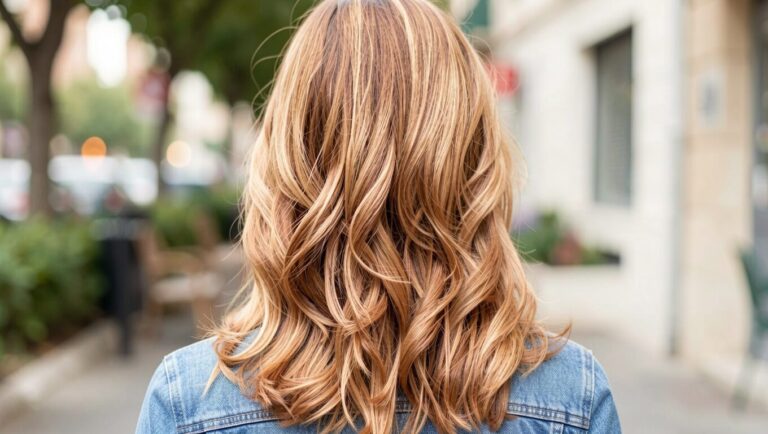
Balayage Hair Color Ideas Celebrity stylist such as Guy Tang have really brought balayage into…
25 Natural Hair Protective Styles Being natural is not a trend or a new craze…
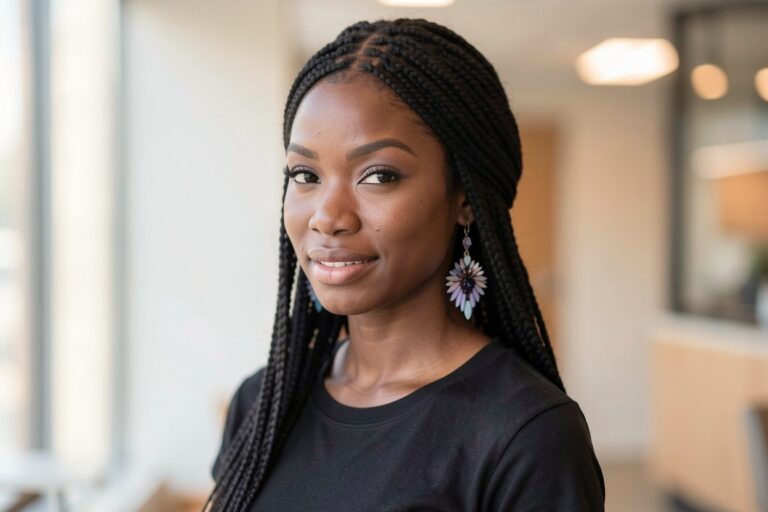
Single Braids Styles Whether you’re looking to take a break from styling your natural hair…
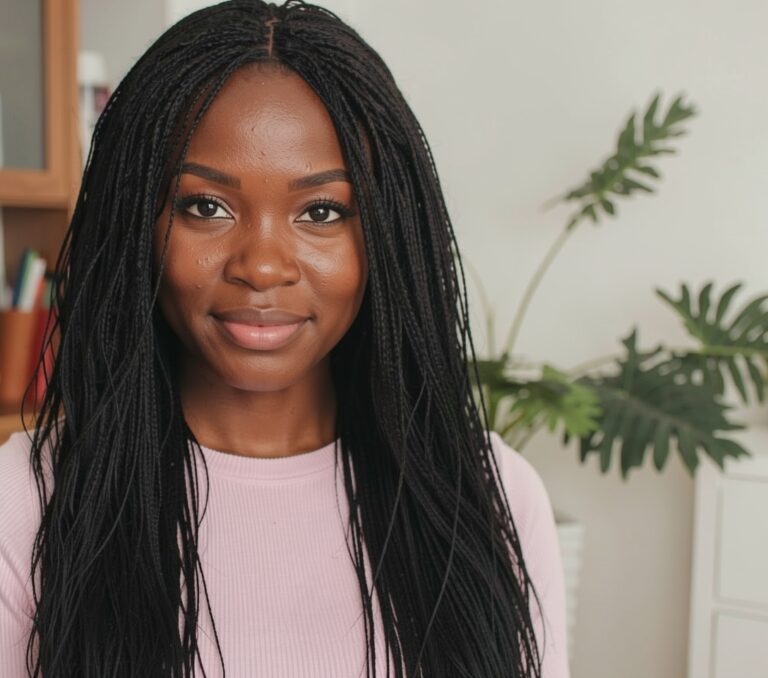
35 Micro Braids Hairstyles Braids are one of the most popular ways to wear natural…
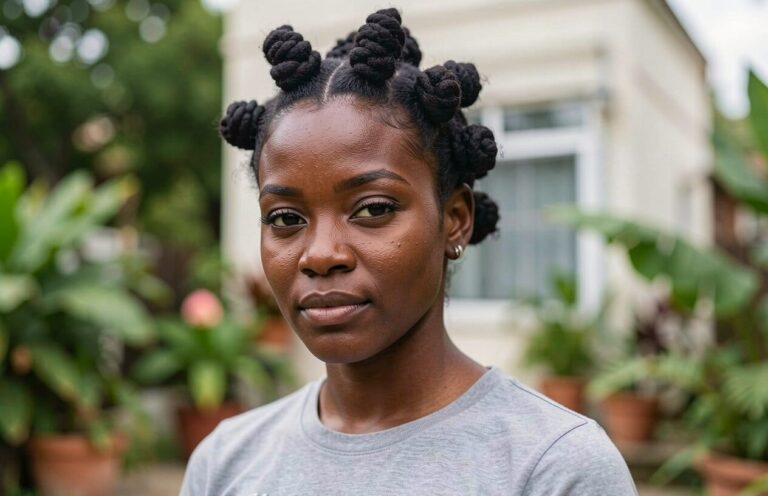
Twist Hairstyles: Twist Braided Hairstyles for Black Women Twists is a style that has been around…
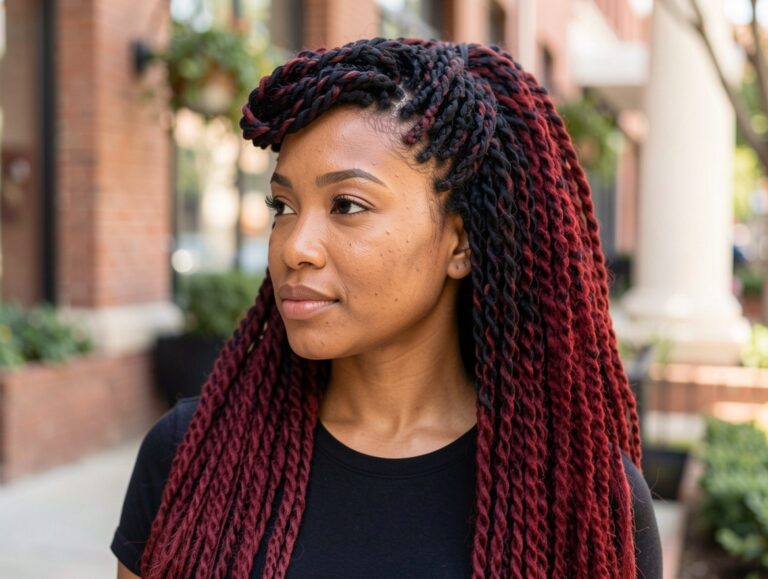
30 Senegalese Twist Styles If you’re looking for a protective hairstyle that keeps your natural…
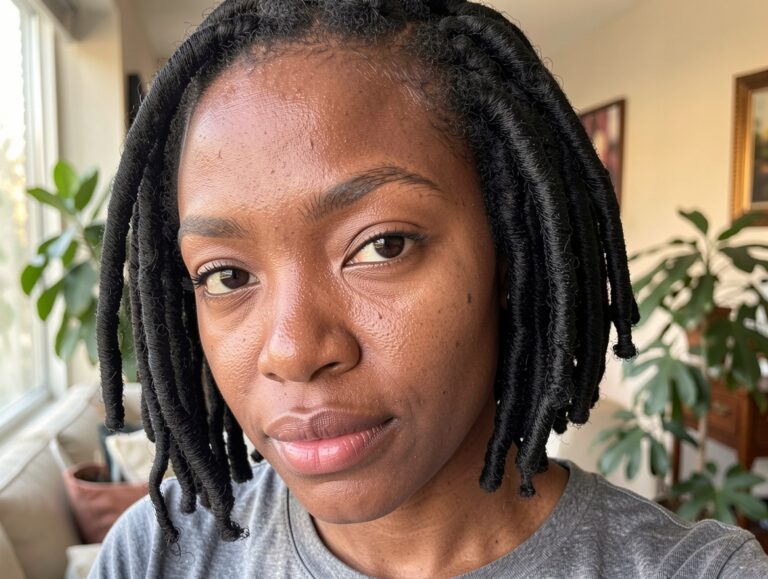
Short Faux Locs Styles Faux locs have quickly become one of the trendiest protective hairstyles,…
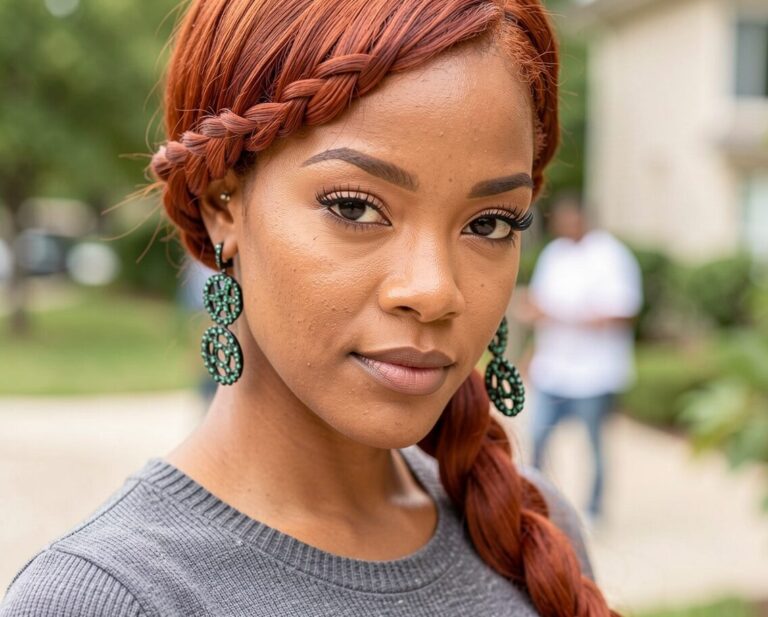
Top 30 Goddess Braids Styles An incredibly versatile style, Goddess braids are like cornrows, but…

35 Stunning Blonde Faux Locs Looks Locs are a well-loved hairstyle that hold a lot…

Shea Butter For Hair: Shea Butter Benefits and Uses Amongst all of the glitz and…
Hair Vitamins: Hair Growth Vitamins | Hair Growth Pills Reviews Have you ever wanted to…
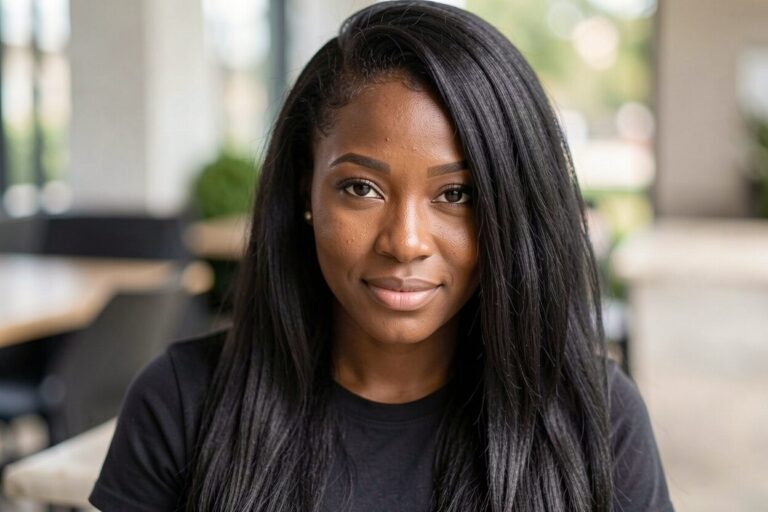
30 Tree Braids Styles There are so many protective hairstyles to choose from to keep…
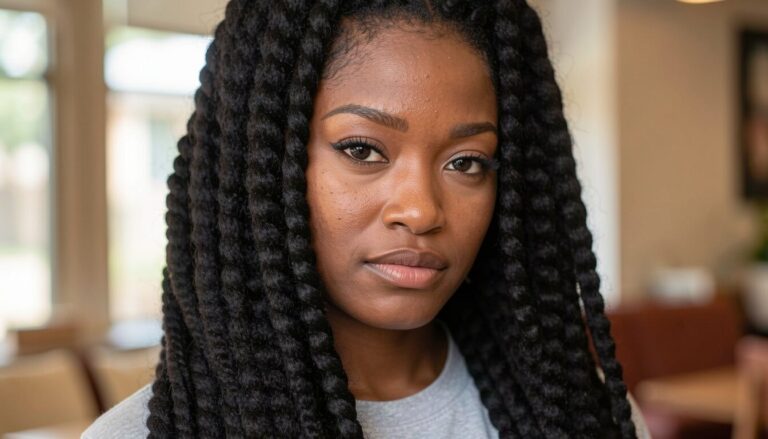
35 Kinky Twist Braids Styles Senegalese, Havana, and Marley? Oh my! With twisted hair being…
The LOC method (Liquid, Oil, Cream) or LCO method is the foundation: start with water or a water-based leave-in, seal with an oil like jojoba or sweet almond, then lock it in with a butter-based cream. Re-moisturize every 2-3 days, more often in dry climates. Avoid products with drying alcohols and sulfate shampoos. Deep condition with heat every 1-2 weeks. Satin or silk at night is non-negotiable.
Faux locs are temporary: extensions wrapped or crocheted onto your natural hair to mimic mature dreadlocks. They last 6-8 weeks and are removed without cutting. Real locs are permanent: your natural hair is coiled, twisted, or interlocked and matures over 12-24 months. Faux locs let you test the look without the years-long commitment. Real locs become easier to maintain over time but require patience through the early undefined stages.
Most natural hair types do well washing every 7-14 days. Frequent washing strips oils that coily hair needs since sebum struggles to travel down tightly coiled strands. Co-wash mid-week if your scalp itches. Use a sulfate-free shampoo and follow with deep conditioner every time. Always detangle on soaking wet, conditioner-saturated hair.
Box braids themselves don't damage your hairline, but excessive tension does. Traction alopecia from tight braiding is real and can become permanent. To protect your edges: insist on feed-in technique at the hairline, never let a braider pull tight enough to cause bumps or pain, take breaks between installations (minimum one week), and use edge control products sparingly since daily brushing stresses the hairline. If you notice thinning at the temples, stop braiding that area immediately.
Flat twists and two-strand twists on your own hair (no extensions) are the gentlest option because there's no added weight or tension. Among styles with extensions, crochet braids are lighter than box braids since the base is cornrows and the extensions are looped through rather than braided tightly from root to tip. Key factors: low tension at installation, reasonable weight, proper nighttime protection, and adequate rest periods between installs.