
Bridal Hairstyles
Bridal Hair Styles Every bride wants to look and feel their best on their wedding…
Braiding is one of the oldest hair practices in human history, with evidence dating back 30,000 years to Africa, where braided patterns identified tribe, status, age, and religion.
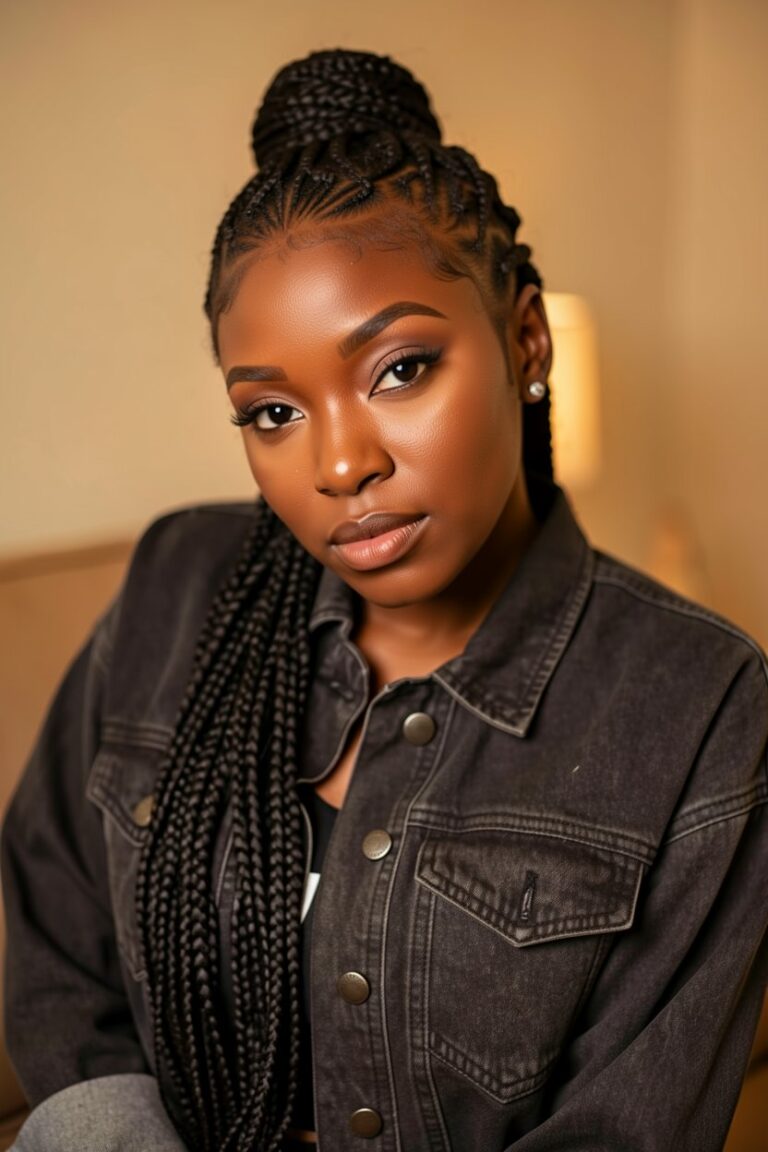
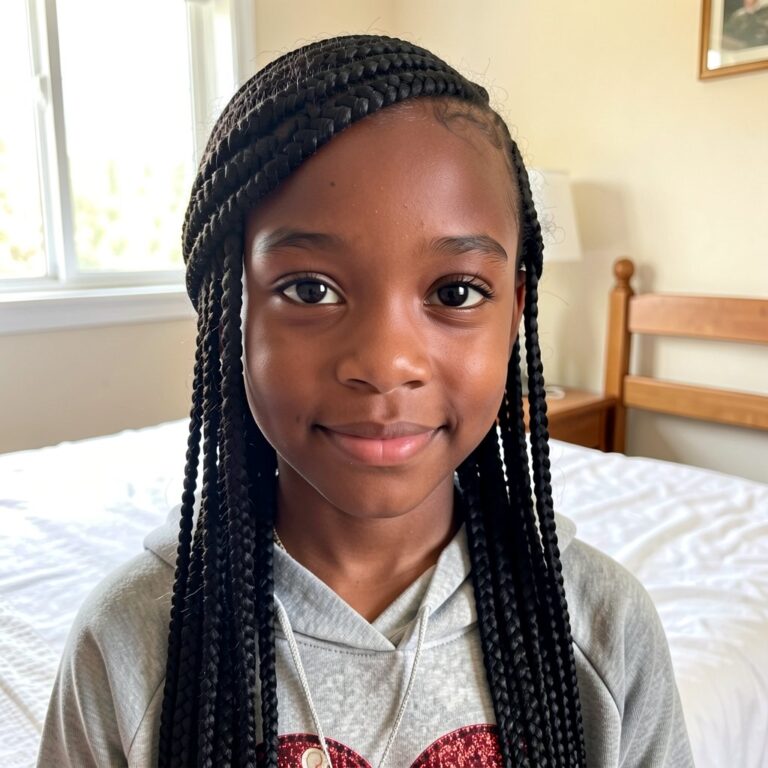
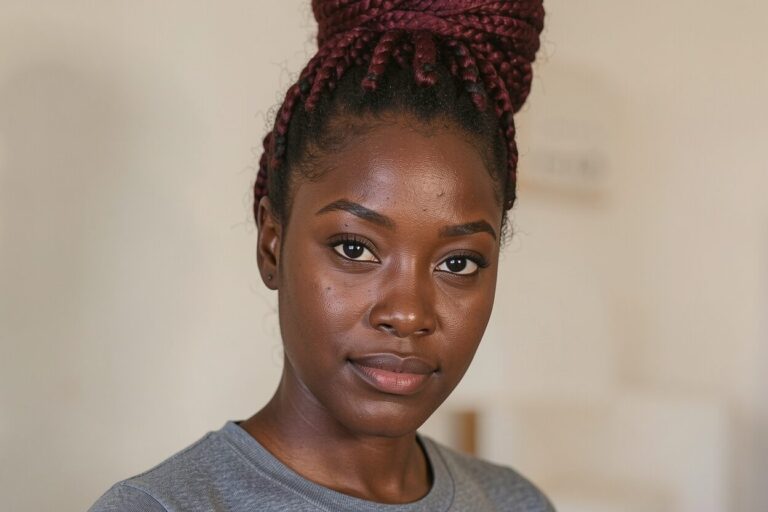
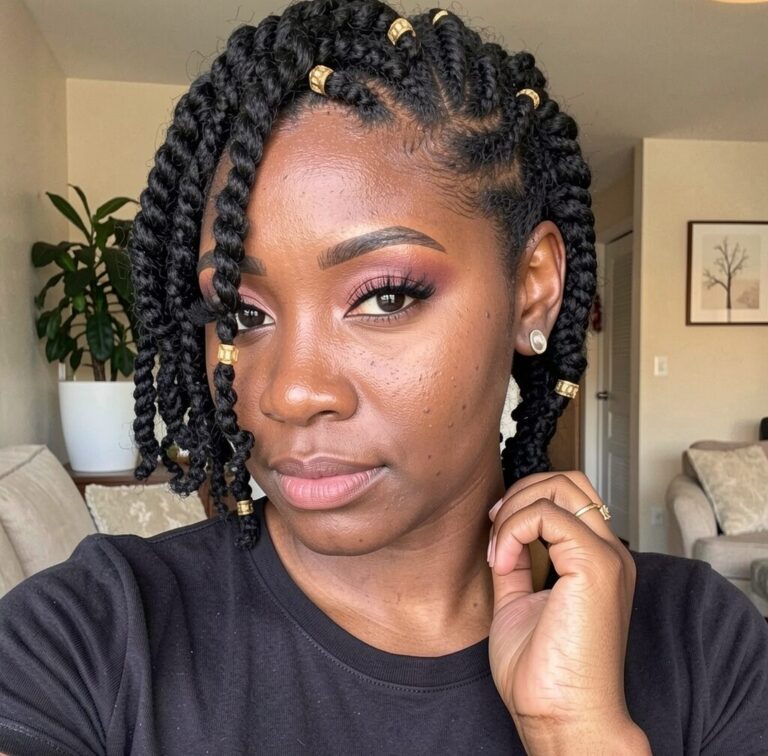
Braiding is one of the oldest hair practices in human history, with evidence dating back 30,000 years to Africa, where braided patterns identified tribe, status, age, and religion. Today, braiding remains deeply rooted in Black culture while practiced universally. What makes braiding unique among styling techniques is that it's both a daily practical solution and a high-art form, capable of creating patterns and shapes that no other method can produce.
Braids work on every hair type but behave differently depending on texture. Type 4 coily hair holds braids naturally and can maintain styles for 4-8 weeks, making braids a cornerstone of protective styling. Straight and wavy hair (Types 1-2) needs product grip, like a sea salt spray or texturizing mousse, to keep braids from slipping out within hours. Fine hair braids look delicate and romantic but can cause tension alopecia if pulled too tight, especially at the hairline. Curly hair (Type 3) braids well but creates a different texture when unbraided, the braid-out wave, which is its own styling technique. Face shape affects placement: cornrows pulled straight back elongate round faces, while side-swept braids soften angular features.
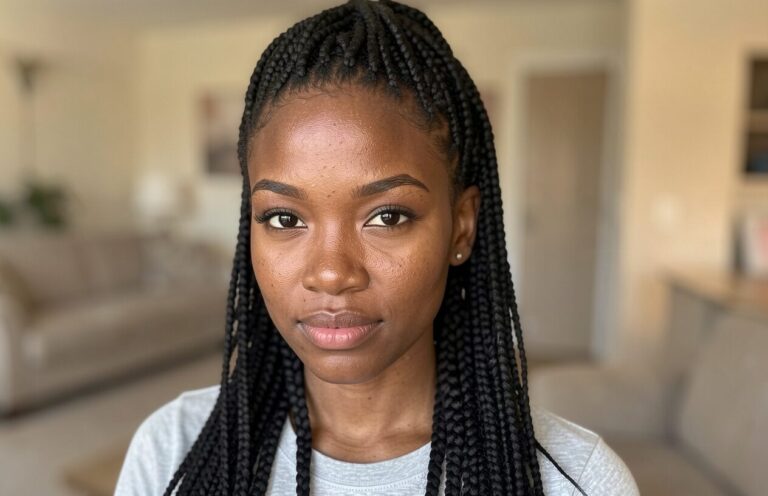
Foundational styles include French braids, Dutch braids, and fishtail braids. These three techniques form the basis for most complex braid styles. Protective braiding for natural hair covers box braids, cornrows, lemonade braids, and Senegalese twists. For events, braided wedding styles and braided updos show how braids translate into formal settings. The category includes kids' styles too.
A simple French braid done at home costs nothing and lasts a day. Professional box braids take 4-8 hours to install, cost $150-350, and last 6-8 weeks with proper care: wrapping in a silk scarf at night, washing the scalp (not the braids) with diluted shampoo, and applying lightweight oil to prevent dryness. Cornrows run $50-150 and last 2-4 weeks. Feed-in braids take 3-5 hours and last 3-6 weeks. The investment is front-loaded: higher upfront cost, but almost nothing on daily styling for weeks. Between installs, give your hair a full week of rest to moisturize, deep condition, and let your scalp recover from the tension.
Communicate the exact size, length, and pattern you want when booking. Ask about the hair type being used for extensions (kanekalon versus human hair) and how much hair you'll need to purchase. Preview different braid patterns with the AI try-on tool before committing to a multi-hour install.
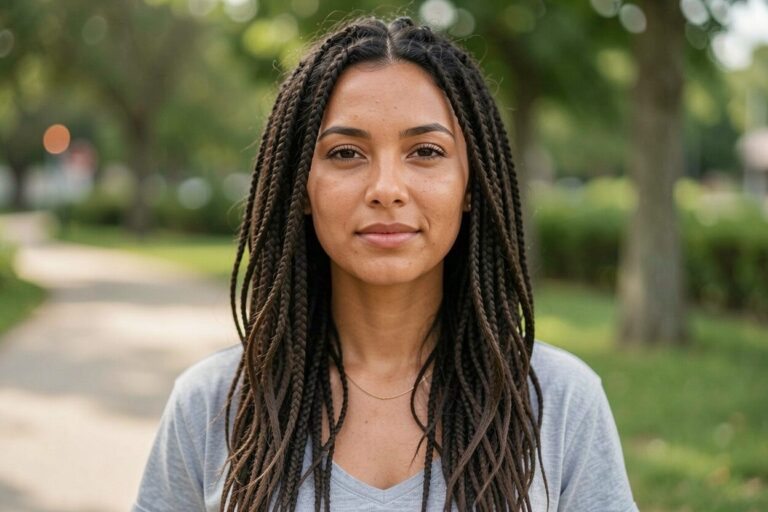
The largest box braids resource available — 100 variations covering different sizes, lengths, colors, and styling options in one reference.

A visual glossary of braiding techniques that helps you name exactly what you want before sitting in the stylist's chair.
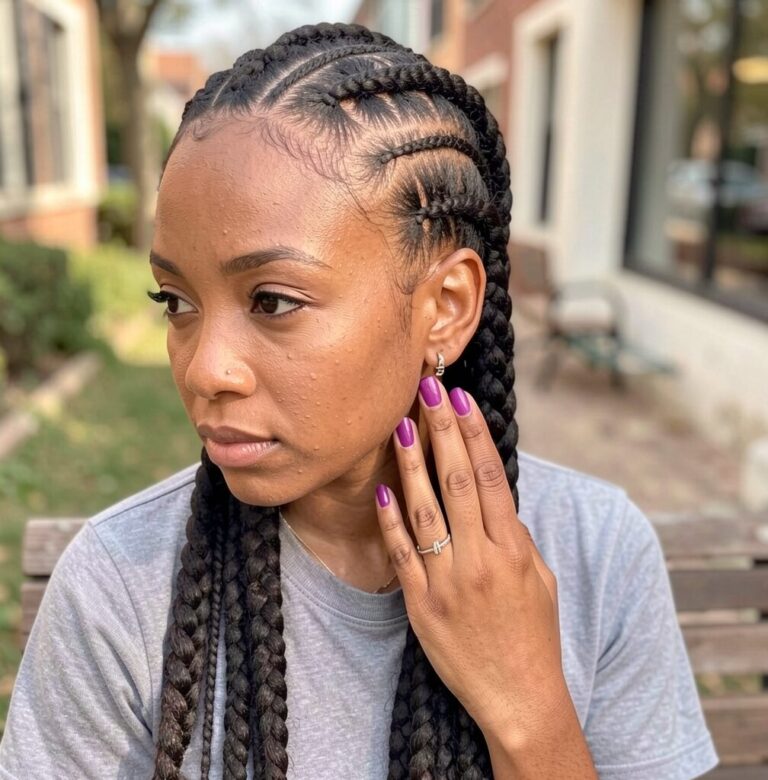
Feed-in braids are the modern evolution of cornrows — lighter, flatter, and less tension on the hairline. This guide shows the full range of patterns and sizes.
Bridal Hair Styles Every bride wants to look and feel their best on their wedding…

Crimped Hairstyles It was a staple hair styling technique of the 1980s and 1990s and…
Box Braids Guide: How To Box Braids Out of the dozens of braiding styles that…

Braided Hairstyles for Short Hair If you have short hair you may have the impression…
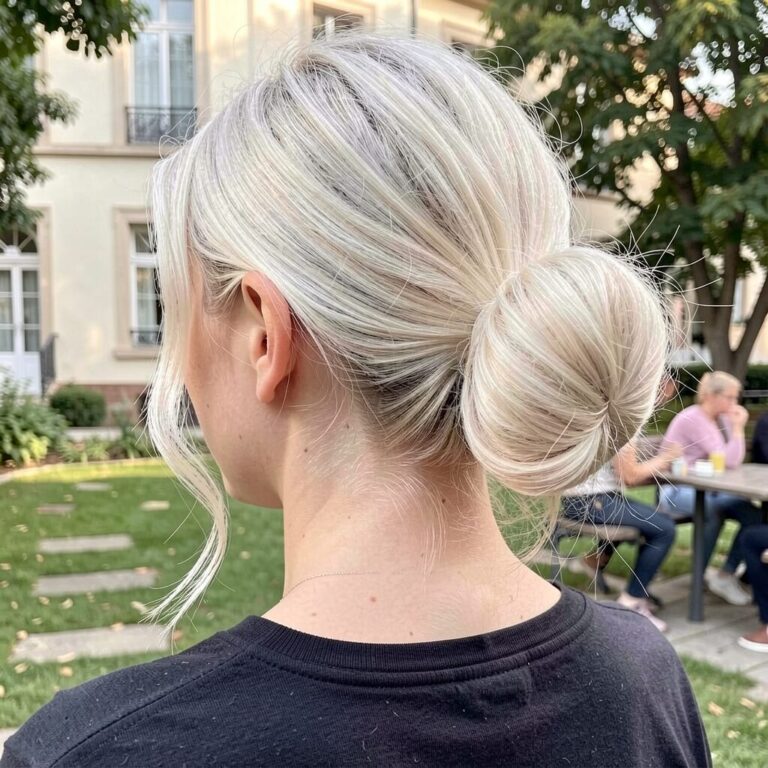
Sock Bun Hairstyles and How To Do A Sock Bun The sock bun is a…

Mother Of The Bride Hairstyles On your daughter’s big day, it can be tough to…

25 Natural Hair Protective Styles Being natural is not a trend or a new craze…
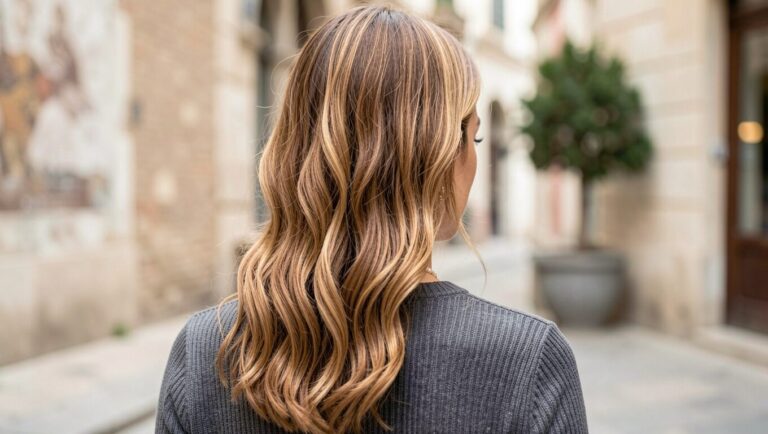
Cute Homecoming Hair Ideas Homecoming is an important time in any young girl’s life. It…
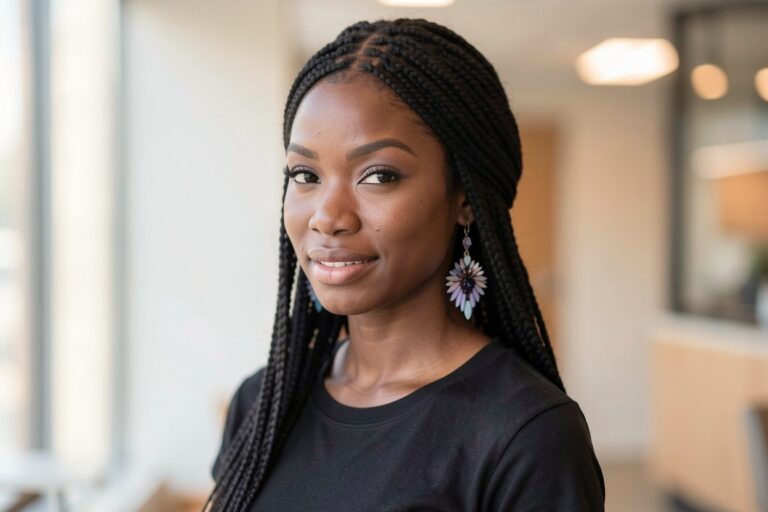
Single Braids Styles Whether you’re looking to take a break from styling your natural hair…
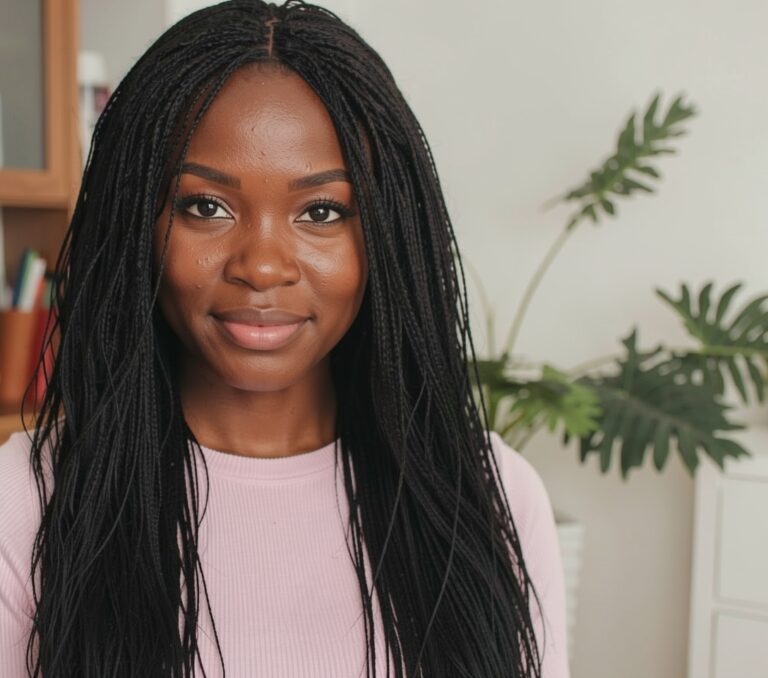
35 Micro Braids Hairstyles Braids are one of the most popular ways to wear natural…
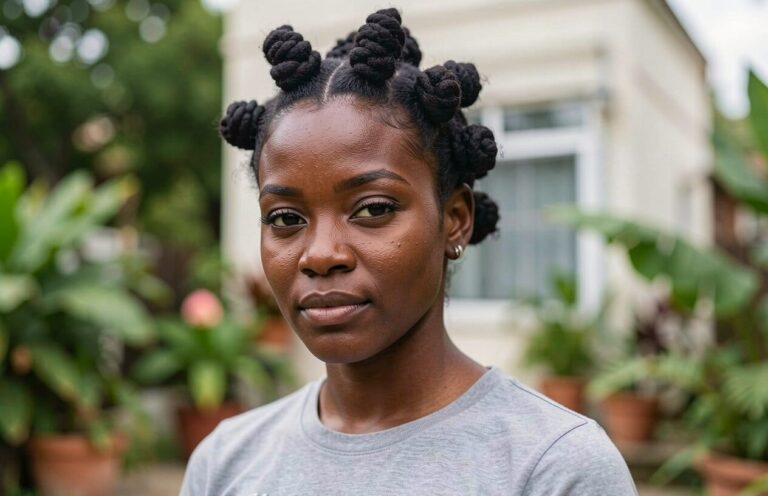
Twist Hairstyles: Twist Braided Hairstyles for Black Women Twists is a style that has been around…
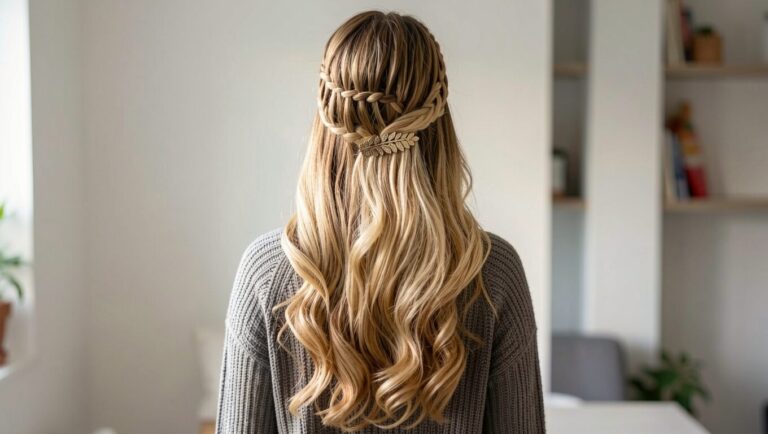
Ladder Braid Tutorial If you love hairstyles that are innovative and intricate, you’ve probably already…
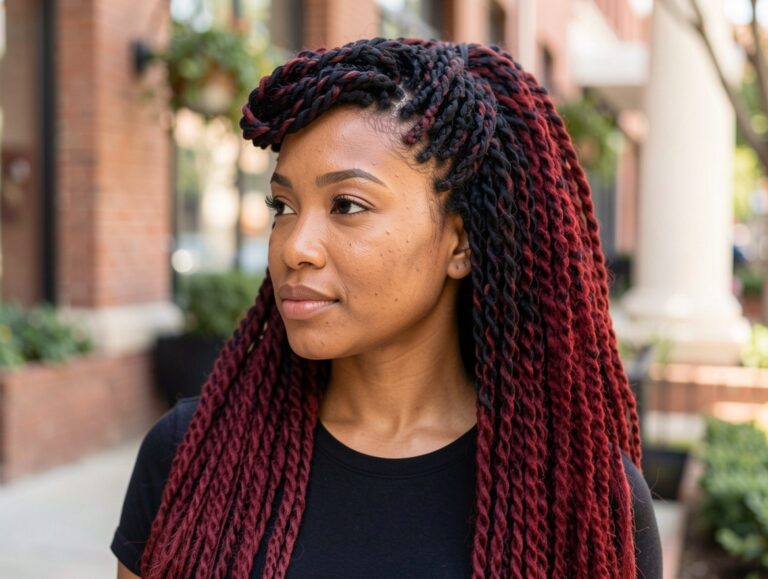
30 Senegalese Twist Styles If you’re looking for a protective hairstyle that keeps your natural…
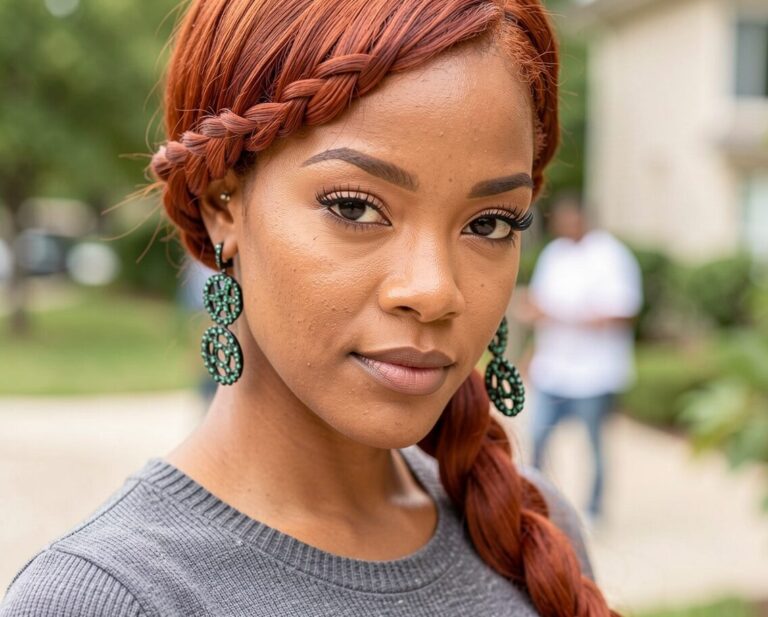
Top 30 Goddess Braids Styles An incredibly versatile style, Goddess braids are like cornrows, but…

How To Do A Dutch Braid Dutch braids are everywhere right now, and the good news is…

’90s Hairstyles We Love Whether you were old enough to remember them the first time…

35 New Hairstyles To Try Out This Year Your new year’s resolution has probably long…
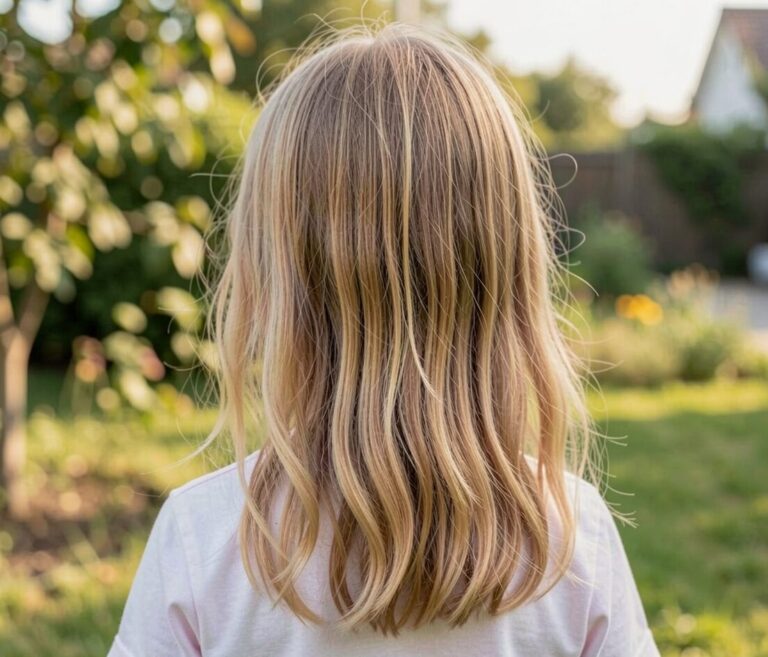
Braids For Girls Parents are often stuck between wanting their kids to look cute and…
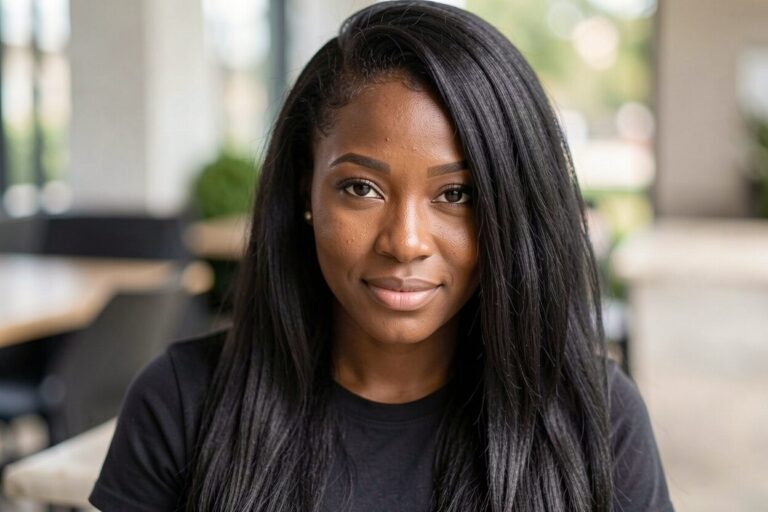
30 Tree Braids Styles There are so many protective hairstyles to choose from to keep…
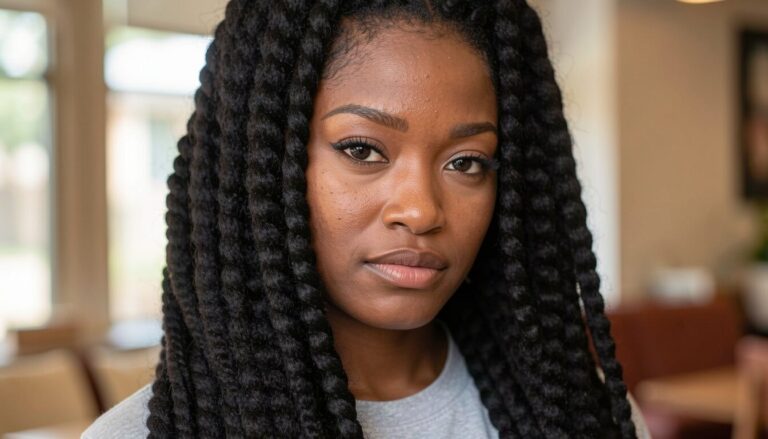
35 Kinky Twist Braids Styles Senegalese, Havana, and Marley? Oh my! With twisted hair being…
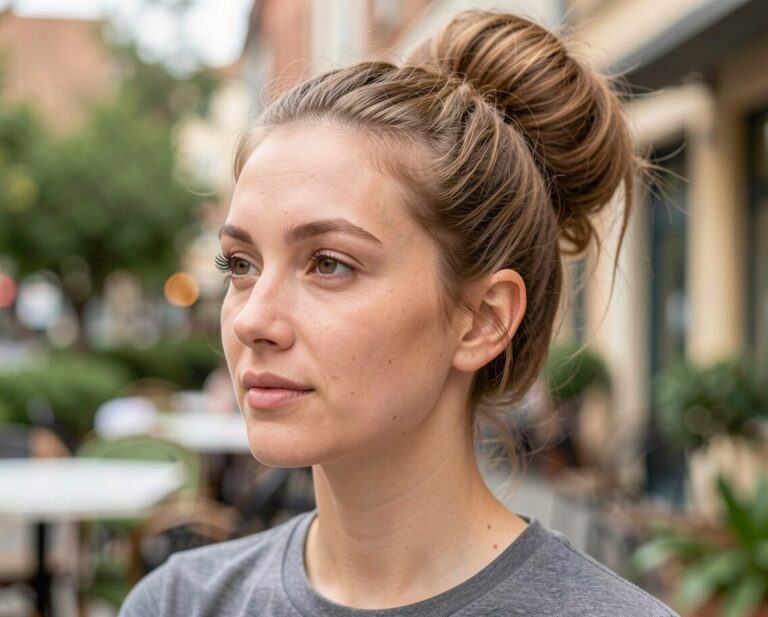
Easy Updos for Long Hair Having long hair takes a lot of work, and some ladies…
Poetic Justice Braids Inspiration Box braids or “Poetic Justice” braids as they have most commonly…

35 Super Easy Updo Hairstyles Whether you’re searching for a low maintenance wedding style or…

35 Romantic Wedding Hairstyles For Short Hair Even if you’re a hardcore lover of pixies…
Properly installed box braids last 6-8 weeks. After that, new growth at the roots creates looseness and the style starts looking fuzzy. Pushing past 8 weeks risks matting, buildup, and breakage from the weight pulling on weakened new growth. To maximize longevity, sleep with a silk or satin bonnet every night, avoid heavy products that cause buildup, and re-do any loose braids at the hairline around week 4 rather than redoing the whole head.
Braids themselves don't cause damage — tension does. Braids installed too tightly at the hairline cause traction alopecia, which can become permanent if repeated. Signs of too-tight braids include bumps on the scalp, headaches, or visible pulling at the edges. A good braider creates neat parts without excessive tension. If it hurts, speak up immediately — once installed, the tension doesn't ease over time. Between braid installations, give your hair at least one week of rest with deep conditioning.
Mix sulfate-free shampoo with water in an applicator bottle and apply directly to the scalp between braid parts. Gently massage with your fingertips — never scrub the braids themselves. Rinse thoroughly with lukewarm water, squeezing water through the braids downward. Follow with a diluted leave-in conditioner spritzed on the scalp. Let braids air dry completely — never sleep with wet braids, as this causes mildew and odor. Wash every 2-3 weeks to prevent buildup without disrupting the style.
Kanekalon is synthetic fiber: lighter, cheaper ($5-10 per pack), holds braids well, and comes in every color. The downside is it can irritate sensitive scalps due to the alkaline coating (soak in apple cider vinegar first to reduce this). Human hair is heavier, more expensive ($15-40+ per pack), but looks and feels more natural and can be heat-styled. For most box braids and twists, kanekalon is standard. For crochet installs and heat-set styles, human hair is worth the investment.
You need about 2-3 inches of natural hair for most braid styles with extensions. Feed-in braids and crochet braids work on shorter lengths because the braider feeds in extension hair gradually. Without extensions, you need at least 4-5 inches for a secure three-strand braid. Braids for Short Hair covers techniques specifically designed for shorter lengths, including Dutch braids, crown braids, and braided bangs that work with minimal length.