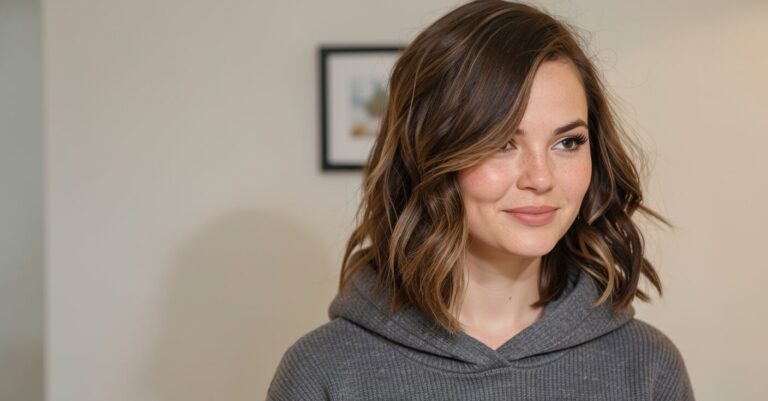
45 Brown Hair with Blonde Highlights Looks
45 Brown Hair with Blonde Highlights Looks If you’re a natural brunette, chances are at…
Blonde is not a single color but an entire spectrum from near-white platinum through warm honey down to sandy shades that barely read as blonde indoors.
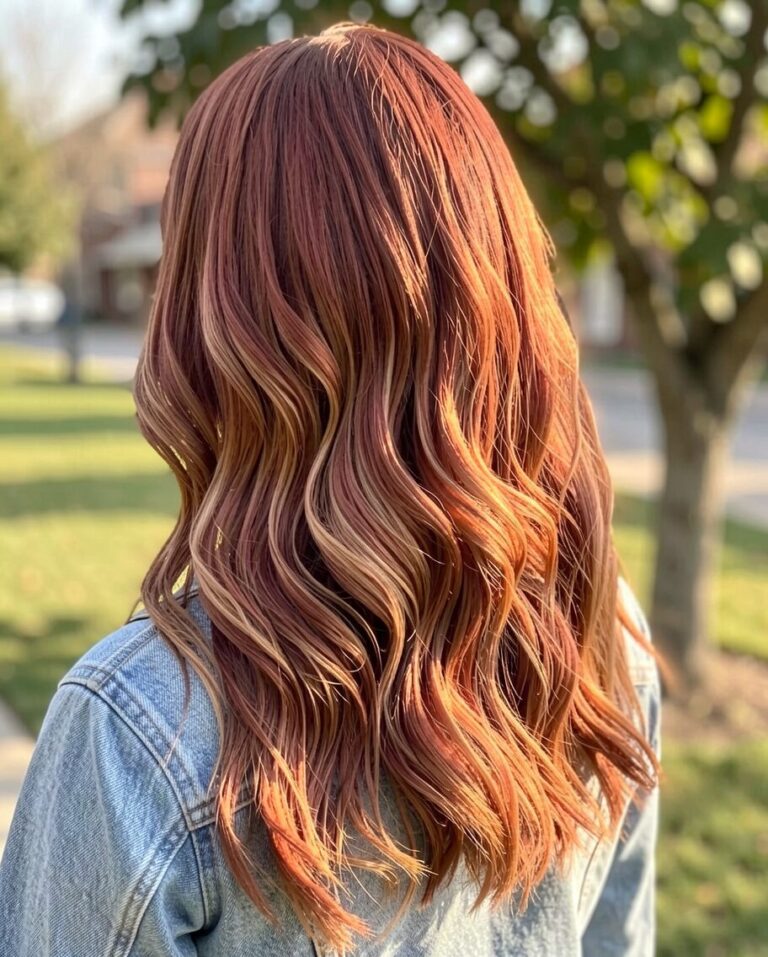


Blonde is not a single color but an entire spectrum from near-white platinum through warm honey down to sandy shades that barely read as blonde indoors. Getting blonde right is one of the most technically demanding things a colorist does. Good blonde looks natural. Bad blonde looks fried, brassy, and flat.
Your natural base determines everything. Light brown or dark blonde reaches medium blonde in one session. Dark brown or black needs multiple sessions spaced four to six weeks apart, easily running $300-$600 total. Skin tone matters too: cool tones pair with Ash Blonde Hair and icy platinum, warm tones light up with Golden Highlights Ideas and Caramel Blonde Hair Color Ideas. Sandy Blonde Hair sits in a neutral zone that flatters almost everyone.
Blonde Balayage Hair Color Ideas gives sun-kissed dimension with lower maintenance than foils, stretching appointments to ten or twelve weeks. Shadow Root Blonde keeps roots intentionally darker. Partial Highlights Looks target just the face-framing sections and crown. For dramatic lightening, Icy Blonde Hair Styles covers platinum territory, while 35 Rose Gold Hair Color Styles mixes blonde with warm pink undertones.
Purple shampoo two to three times per week is non-negotiable for cool-toned blondes to fight brassiness. A weekly deep conditioning mask is essential because lightening opens the cuticle. Budget $150-$300 every eight to twelve weeks for touch-ups. Bond-building treatments during color add $30-$50 but significantly reduce breakage.
Tell your colorist your natural level and maintenance commitment, and show photos in natural daylight since salon lighting distorts color. Ask about toner specifically: it is what makes the blonde cool or warm, and it fades fastest. Test your ideal shade with the AI try-on tool before investing.
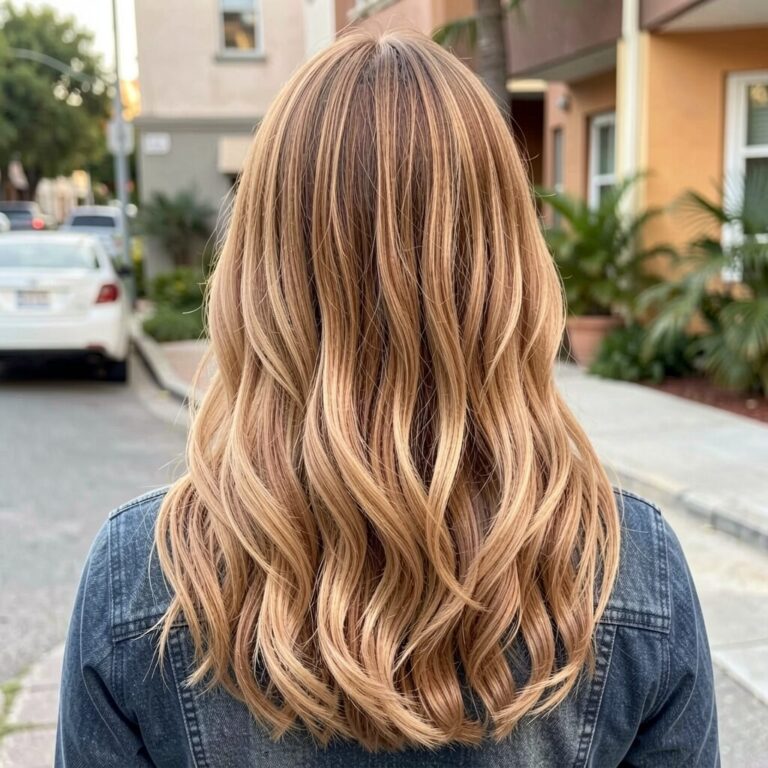
The most popular blonde technique in salons today. This guide breaks down balayage placement options, maintenance schedules, and what to expect during a four-hour appointment.
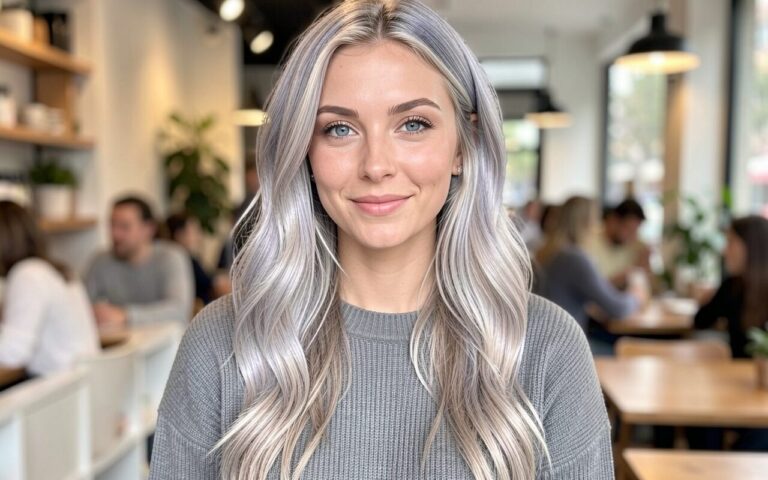
Cool-toned blondes are tricky to achieve and harder to maintain. This is the go-to reference for understanding ash tones, toner requirements, and how to prevent warmth from creeping back in.
A full shade guide that helps you identify exactly which blonde you are after before committing. Essential reading before any consultation with a colorist.
45 Brown Hair with Blonde Highlights Looks If you’re a natural brunette, chances are at…
Red Hair with Blonde Highlights Calling all our beautiful redheads! Yep, we’re talking to you…
Sandy Blonde Hair Looks Sandy blonde is a great way to wear your lighter locks…
Amazing Shades of Strawberry Blonde Hair Color Blondes really do have more fun! If you’re…
35 Different Shades of Blonde Hair Thinking of coloring your hair blonde? Or maybe you…
Blonde Balayage Highlights And Looks As the subtle, more sophisticated sister of ombre hair color,…

Golden Highlights and Rose Gold Highlights Looks One of THE hair color trends right now?…
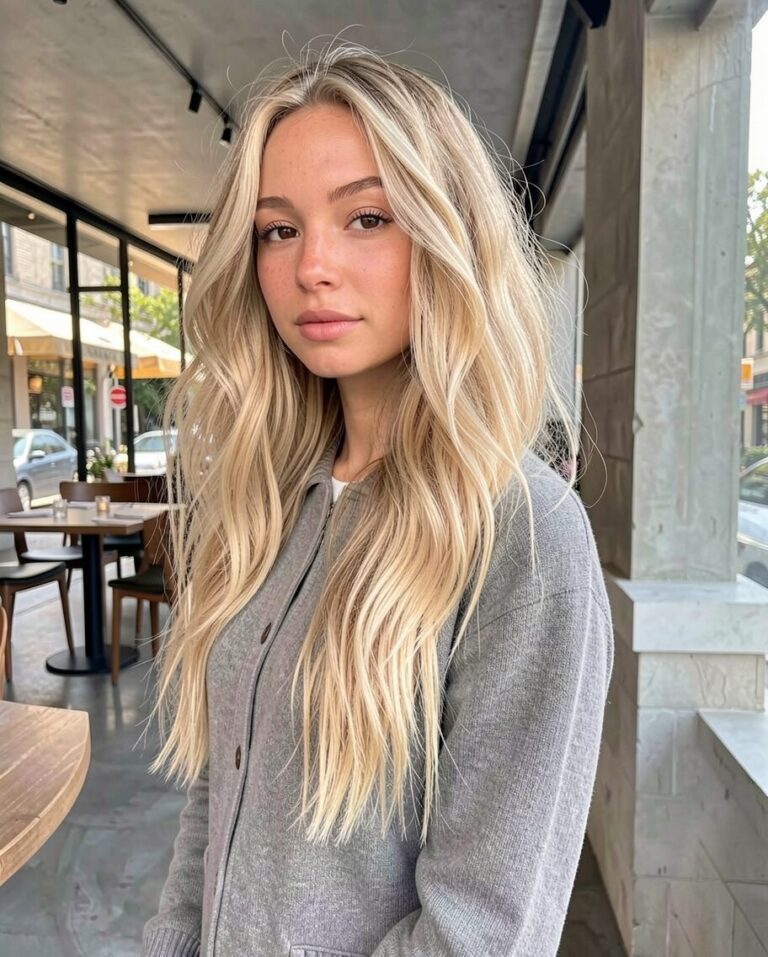
Summer Blonde Hair Colors Summer is upon us and that means a few things. One,…
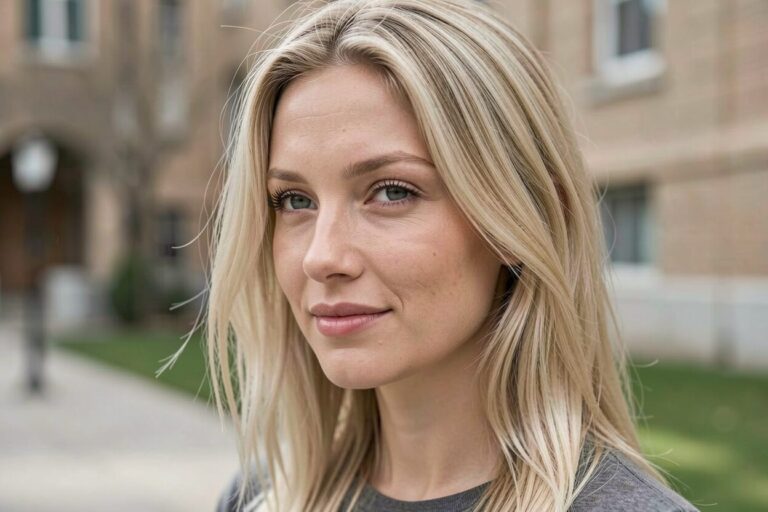
8 Best Toners for Brassy Hair | Brassy Hair Toner Reviews How to prevent your…
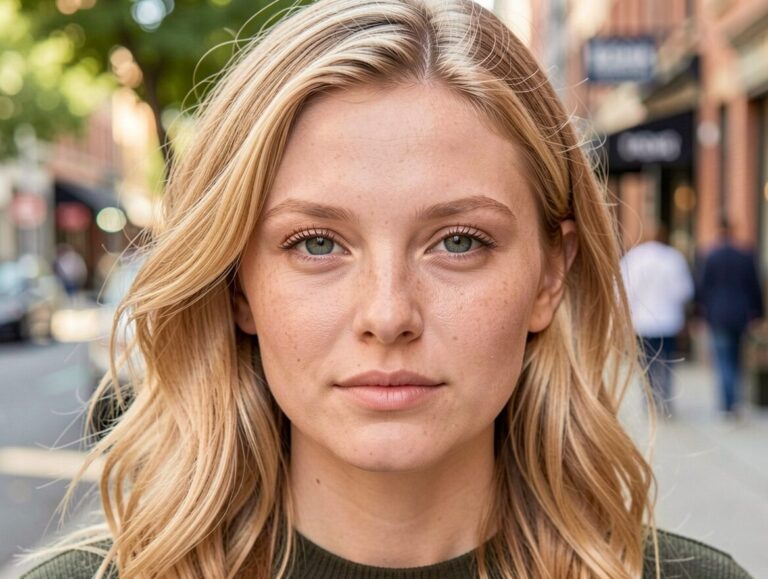
Best Hair Colors For Green Eyes and Hazel Eyes Blue eyes get lots of attention,…

Best Hair Colors for Hazel Eyes When choosing a hair color for your hazel eyes…
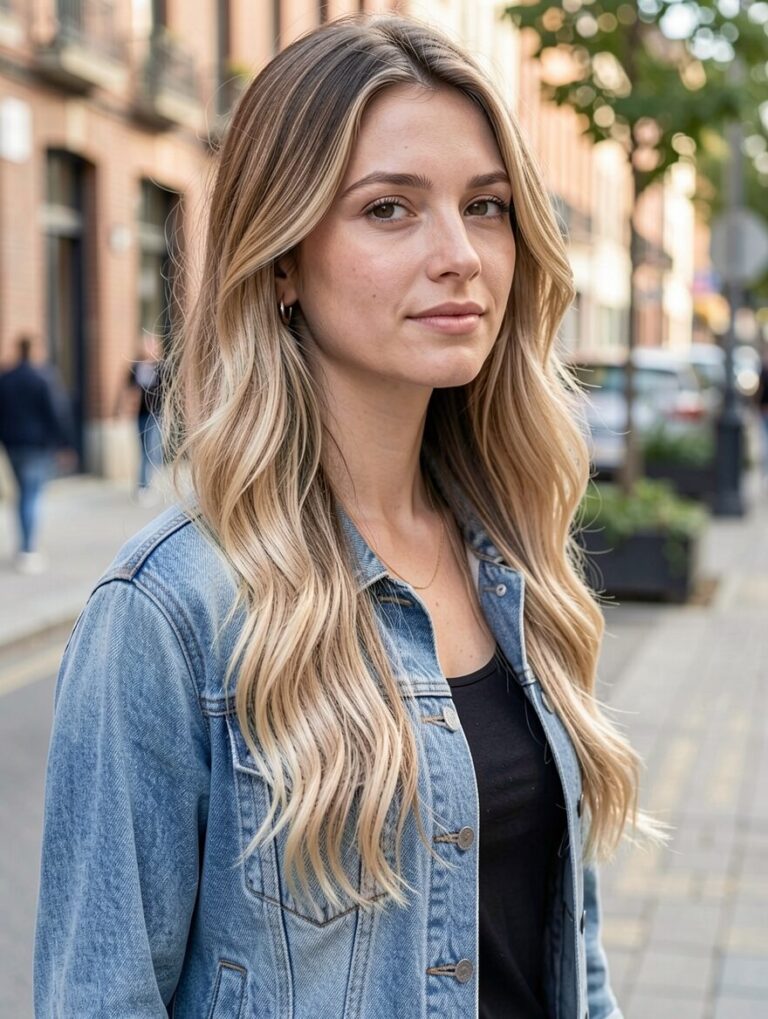
Ombre Hair Brown to Blonde Ombre became a popular hair coloring technique quite a few…
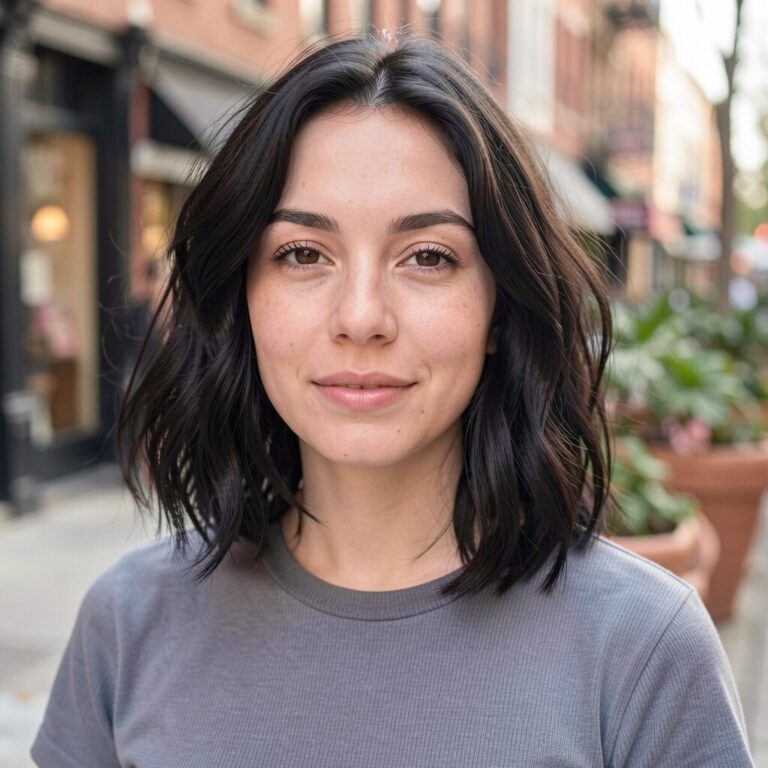
Short Textured Haircuts Thinking of chopping your hair? Going in to the salon for the…

25 Fun and Sexy Short Blonde Hairstyles Could it be true that blondes have more…
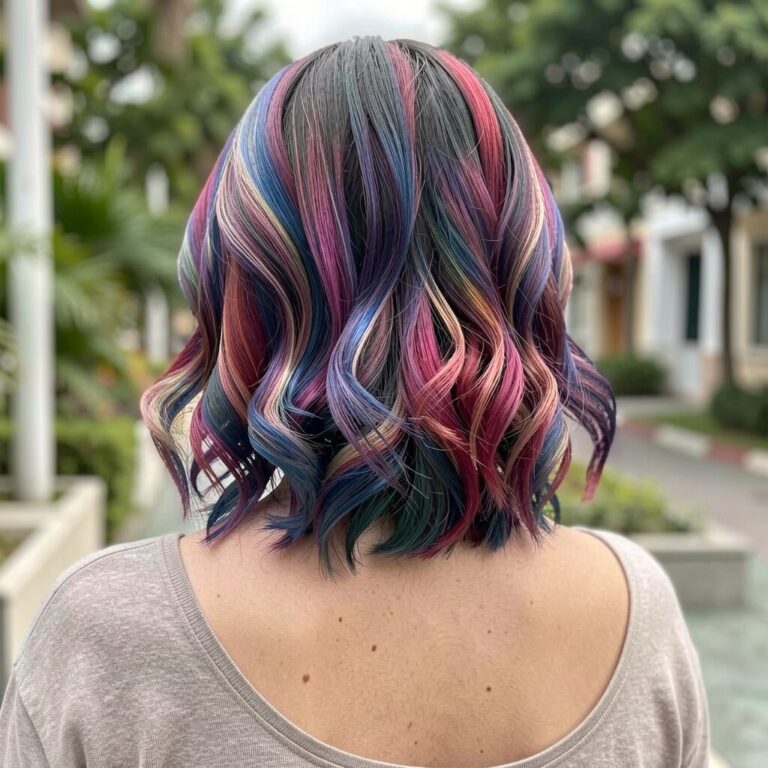
Trendy Unique Hair Color Ideas Looking for a new, unique hair color to try? Perfect!…
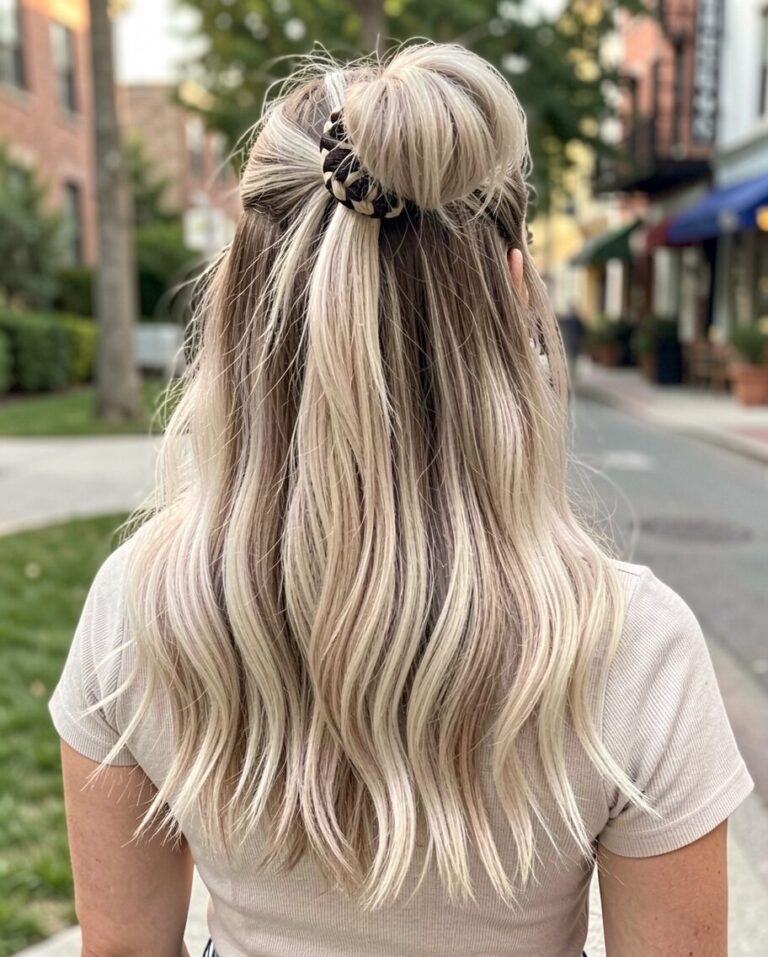
Shadow Root Hair Trend Shadow root is a hair trend you’ve likely seen quite a…
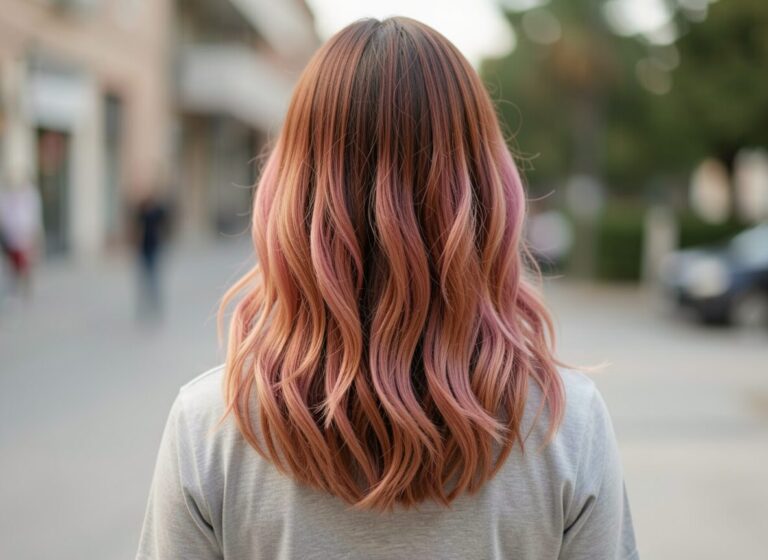
Color Melting Hair Technique First, there as the ombre, the hair coloring technique where there…
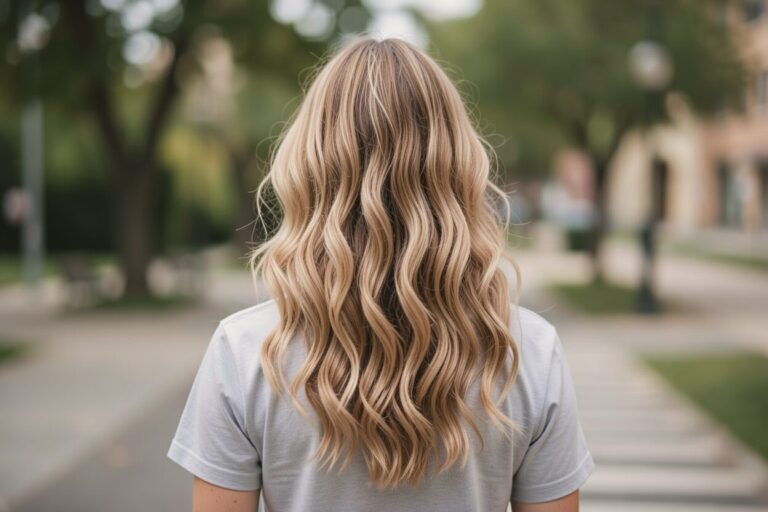
Tortoiseshell Hair Color Ideas Ombre and Balayage have a rival for most popular hair dye…

1980s Hairstyles We Love! I don’t know if you have noticed, but the 1980s are…

Caramel Blonde Hair Color Ideas One of 2020’s biggest hair color trends: caramel blonde! If…
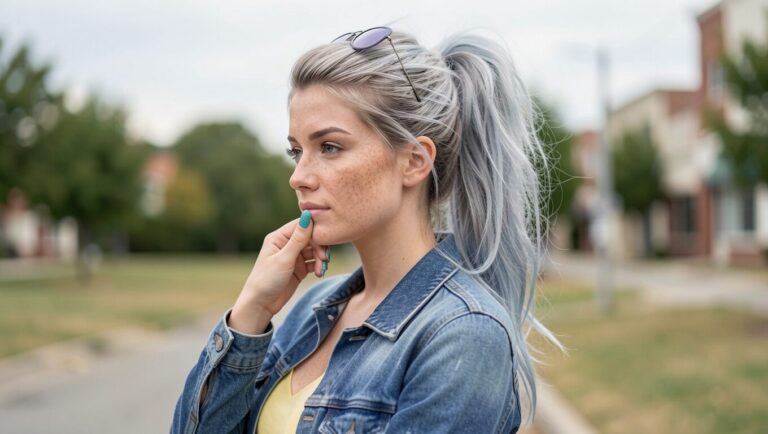
30 Silver Hair Dye Ideas For years, the conventional idea of feminine and beautiful hair…

Wedding Hair Accessories Inspiration So your big day is just around the corner. Chances are…

Bobby Pin Hairstyle Ideas Bobby pins have been one of those go-to hair accessories to…

How To Do A High Ponytail + High Ponytail Hairstyles Ideas Ponytails are definitely not…
Purple shampoo neutralizes yellow-gold tones in blonde hair: use it two to three times per week, leaving it on for three to five minutes. Brands like Fanola No Yellow or Matrix So Silver are salon-grade options at $12-$18 per bottle. For stubborn brassiness, a purple toning mask left on for ten minutes once a week provides deeper correction. Always wash blonde hair with lukewarm or cool water — hot water lifts the cuticle and strips toner up to fifty percent faster.
Starting from light brown (level 6-7), one session of full highlights or balayage runs $200-$350 and can reach a solid blonde. From medium brown (level 4-5), plan for two sessions spaced four to six weeks apart, totaling $400-$700. From dark brown or black hair (level 1-3), expect three or more sessions at $600-$1,000-plus total — rushing this causes breakage and uneven lift. Each session takes three to five hours. Add $30-$50 per visit for a bond-building treatment like Olaplex or K18 to protect against damage during the lifting process.
Highlights use foils to lighten precise, uniform strands from root to tip, creating defined streaks with clear contrast. Roots show at six to eight weeks, making maintenance more frequent. Balayage is a freehand painting technique that sweeps lightener onto the mid-lengths and ends, producing a graduated, sun-kissed effect with soft root lines that grow out gracefully over ten to fourteen weeks. All-over blonde (a single-process or double-process) lightens every strand to one uniform shade — the most dramatic result but the highest maintenance, requiring root touch-ups every four to six weeks.
Going lighter with box dye carries real risk because the included developer is one-size-fits-all — usually 20 or 30 volume — and you cannot control where the bleach processes unevenly. This creates hot spots near the scalp (where body heat accelerates lift) and banding in the mid-shaft. Salon colorists select developer strength based on your specific hair condition, place lightener strategically, and monitor processing minute by minute. If you are going more than two shades lighter, a salon is worth the cost.
Check the veins on your inner wrist in natural light. Blue or purple veins indicate cool undertones — ash blonde, platinum, icy blonde, and champagne shades will complement you. Green veins suggest warm undertones, making golden blonde, honey blonde, and caramel tones your best match. Blue-green veins mean a neutral undertone, so you can wear virtually any blonde shade. Beyond the vein test, consider your eye color: cool blondes pair well with blue and grey eyes, while warm blondes enhance brown and hazel eyes.
Grey hair has already lost its natural melanin pigment, so it is essentially pre-lightened. You can tone grey hair blonde without bleach using a demi-permanent color or toner in an ash-blonde or golden-blonde shade. Products like Redken Shades EQ or Wella Color Charm toner deposit blonde pigment over the grey without a bleaching step. The result on fully grey hair can be a beautiful champagne or warm blonde. On hair that is partially grey (salt-and-pepper), the grey strands take on blonde while the darker strands blend into natural lowlights.
The green tint in blonde hair comes from copper deposits — usually from pool water, well water with high mineral content, or corroded pipes — not from chlorine itself. To remove it, use a chelating shampoo like Malibu C Hard Water Wellness Shampoo ($14-$18), which strips mineral buildup. For a quick home fix, saturate hair with ketchup or tomato paste (the red pigment neutralizes green), wrap in a shower cap for twenty to thirty minutes, and rinse thoroughly.
Blonde hair is genetically recessive. The gene variant responsible — primarily on the MC1R and KITLG genes — must be inherited from both parents for natural blonde hair to appear. Two dark-haired parents who each carry one copy of the blonde variant have a twenty-five percent chance of having a blonde child. Natural blonde hair is most common in Northern European populations, where roughly five to ten percent of adults remain naturally blonde past childhood.
Most natural blondes experience their hair darkening from childhood into adulthood because melanocyte activity increases with age. Melanocytes are the cells that produce melanin — the pigment that gives hair its color. In childhood, these cells produce less eumelanin (dark pigment), resulting in light blonde hair. By puberty, hormonal changes ramp up eumelanin production, gradually shifting hair to dark blonde, light brown, or medium brown. About two percent of adults worldwide remain naturally blonde throughout life.
Platinum blonde sits at level 10 — the lightest achievable shade — and requires lifting all pigment from the hair shaft. From light brown, expect two sessions spaced four to six weeks apart, costing $300-$500 total. From medium or dark brown, three to four sessions over two to four months, running $500-$900. Each session uses 20-30 volume developer with professional lightener, processed for twenty to forty-five minutes. After lifting, a platinum toner (Wella T18 is the classic) removes remaining warmth. Maintenance is demanding: root touch-ups every three to four weeks ($80-$150), weekly purple shampoo, bond-repair treatments, and limited heat styling.