35 Ash Brown Hair Looks
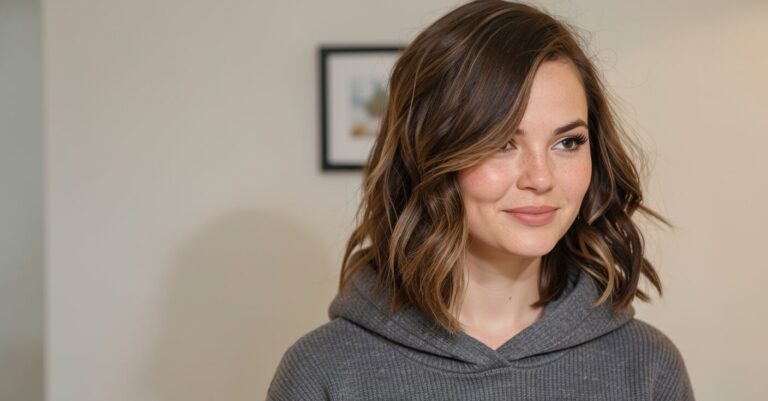
35 Smokey Ash Brown Hair Color Looks Brown hair is usually split into two main…
Brown hair is the most common natural hair color in the world, which means it runs an enormous spectrum from nearly-black espresso to sandy light brown that's one shade from blonde.
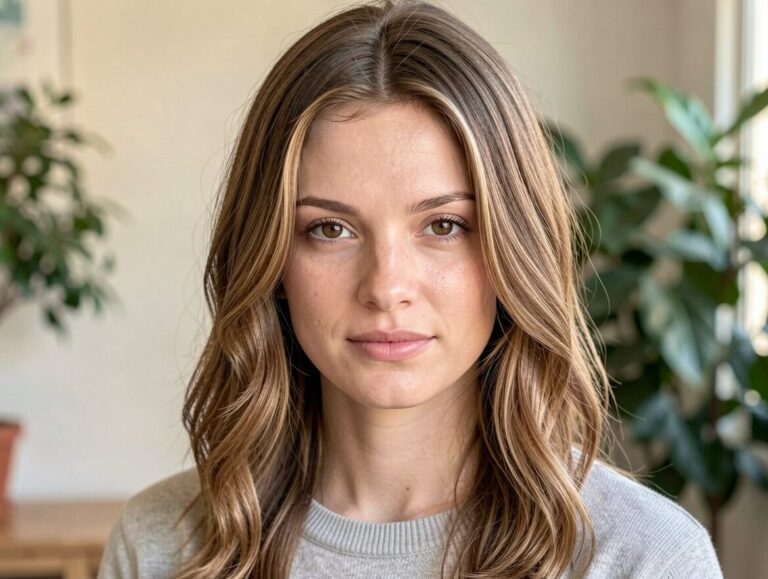

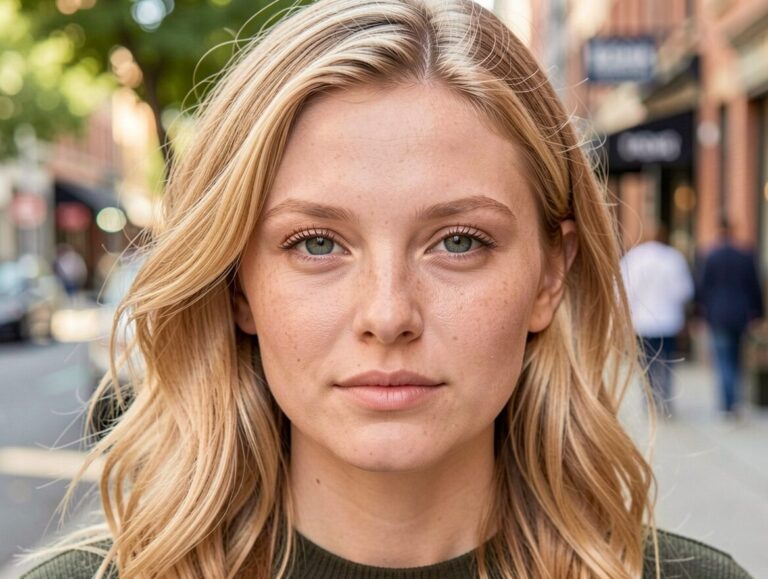
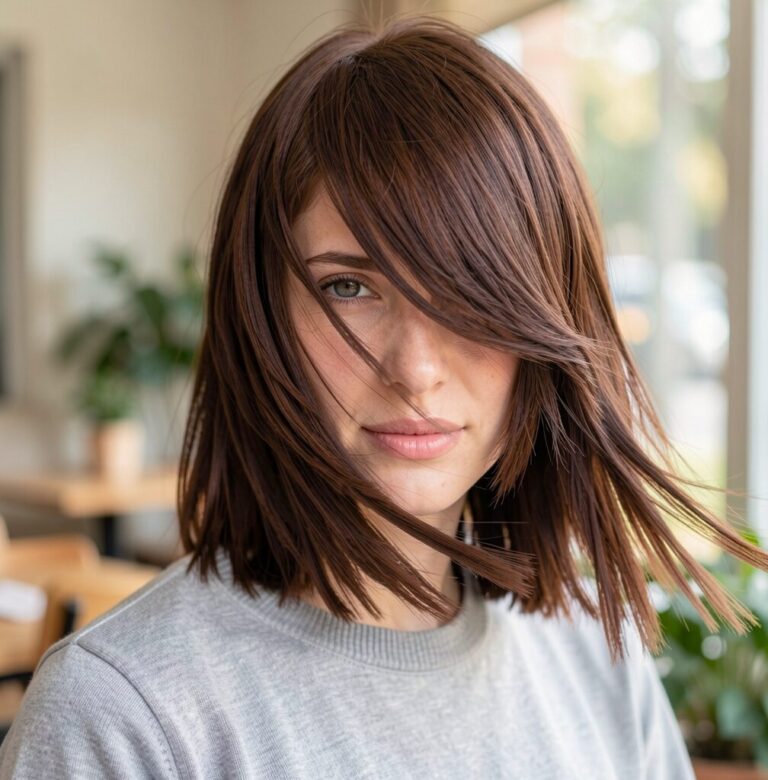
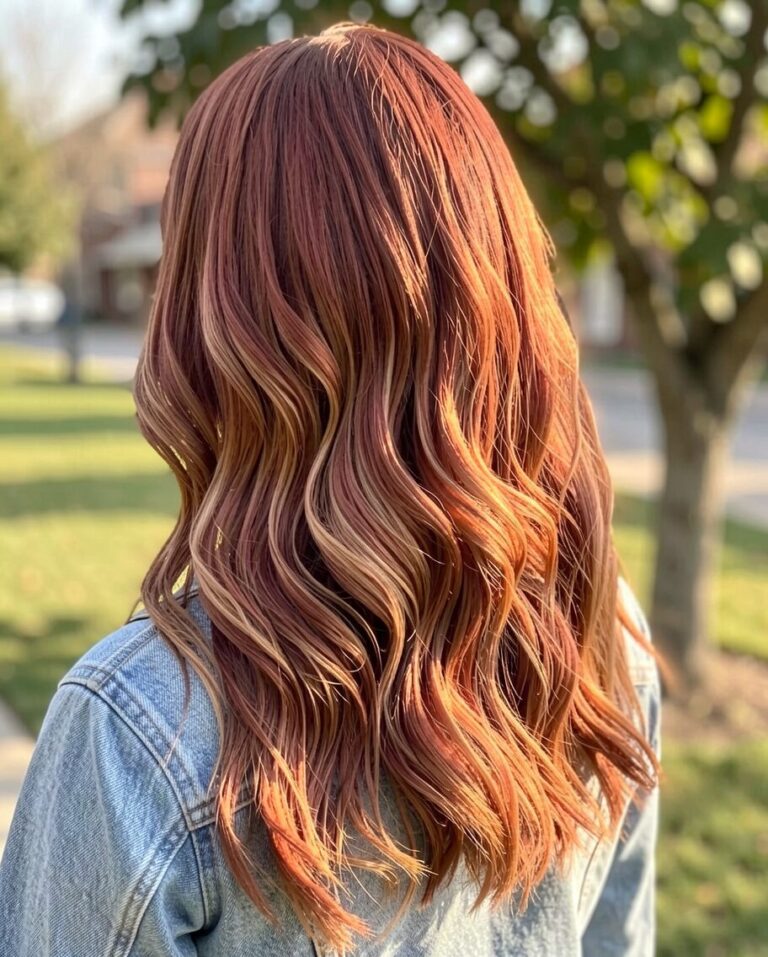
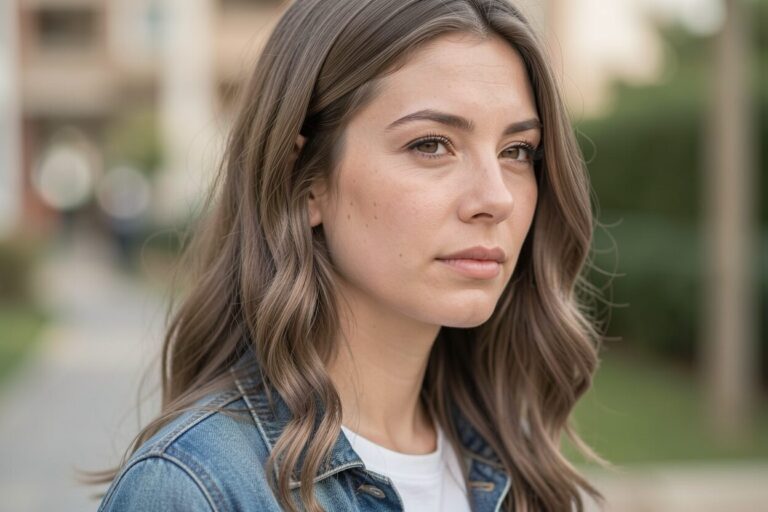
Brown hair is the most common natural hair color in the world, which means it runs an enormous spectrum from nearly-black espresso to sandy light brown that's one shade from blonde. In the salon, we break brown into warm tones (auburn, cinnamon, mahogany, copper) and cool tones (ash brown, mushroom brown, mocha). Understanding which camp you fall into determines everything about what techniques and shades will look right on you.
Brown works on literally everyone because the range is so wide. Cool-toned ash browns pair well with fair or olive skin and blue or green eyes. Warm cinnamon and auburn shades pop against medium and dark skin tones. Our Best Hair Color For Green Eyes and Different Skin Tones and Best Hair Color for Hazel Eyes guides get specific about matching your undertones.
Within brown hair color, the real variety comes from technique. Balayage Brown Hair covers hand-painted highlights that create sun-kissed dimension. For more contrast, 45 Brown Hair with Blonde Highlights Looks shows how lighter pieces lift a brown base. If you want low-maintenance color, Chocolate Brown Hair Color and Mocha Hair Color are rich single-process options that grow out cleanly. The Tortoiseshell Hair Color and Color Melt Hair Looks guides show more advanced multi-tone blending for clients who want depth without obvious highlights. And 25 Best Shades of Brown Hair is a useful reference for narrowing down your exact target shade.
Brown hair color requires salon visits every 8-12 weeks for touch-ups, less often if you go with balayage. Budget $80-200 per session depending on technique. Color-safe shampoo ($12-25) is non-negotiable to prevent fading. Purple shampoo once weekly keeps ash tones from turning brassy.
Bring reference photos showing your ideal shade in natural light. Try our AI tool to preview different brown tones on your own face before committing.
35 Smokey Ash Brown Hair Color Looks Brown hair is usually split into two main…
45 Brown Hair with Blonde Highlights Looks If you’re a natural brunette, chances are at…
Short Brown Hair with Highlights Short hair is trending! Really though, whether you have short…
Best Hair Colors For Green Eyes and Hazel Eyes Blue eyes get lots of attention,…
Mahogany Hair Color Ideas If you’re looking for a red hair color that’s got more…

Best Hair Colors for Hazel Eyes When choosing a hair color for your hazel eyes…
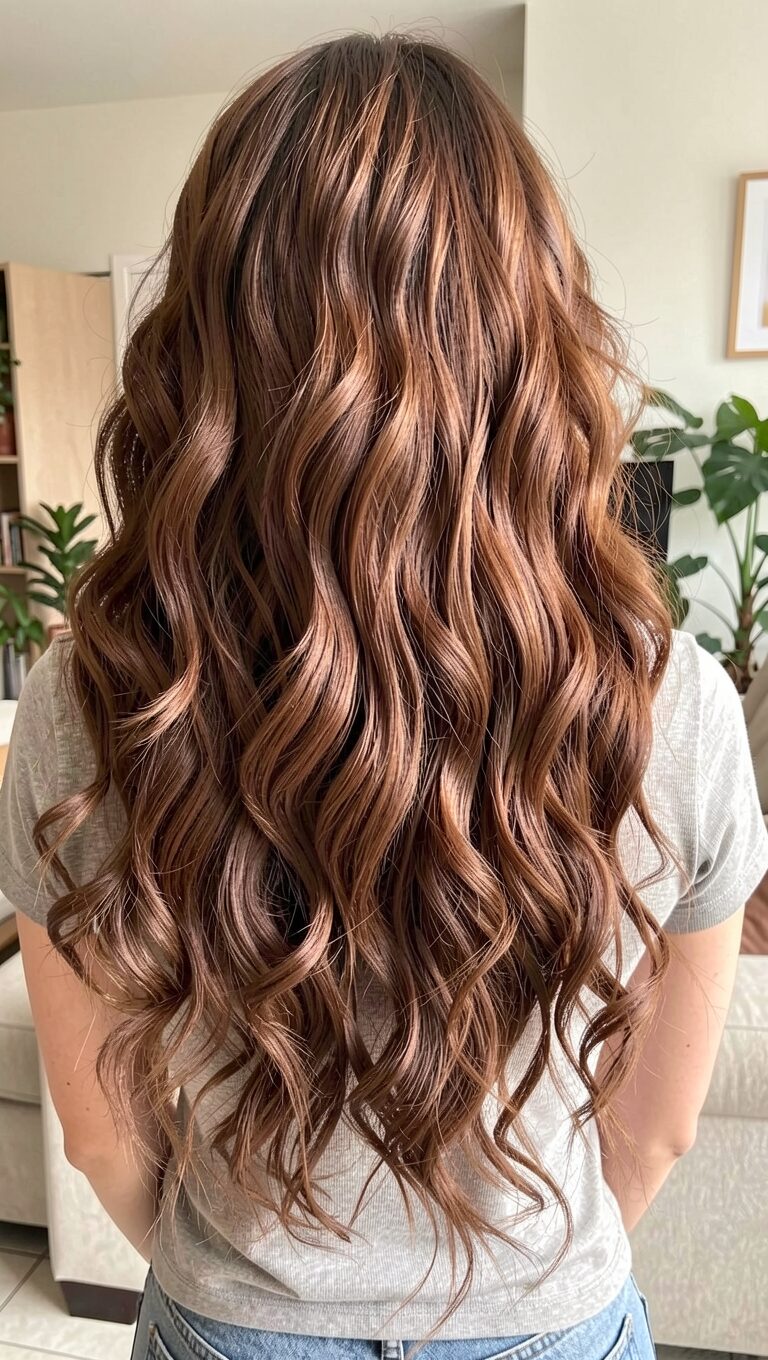
Auburn Hair Color Styles The perfect marriage of red and brunette shades, an auburn hair…

Strawberry Brown Hair Color Ideas One of the many beautiful aspects of hair color is…
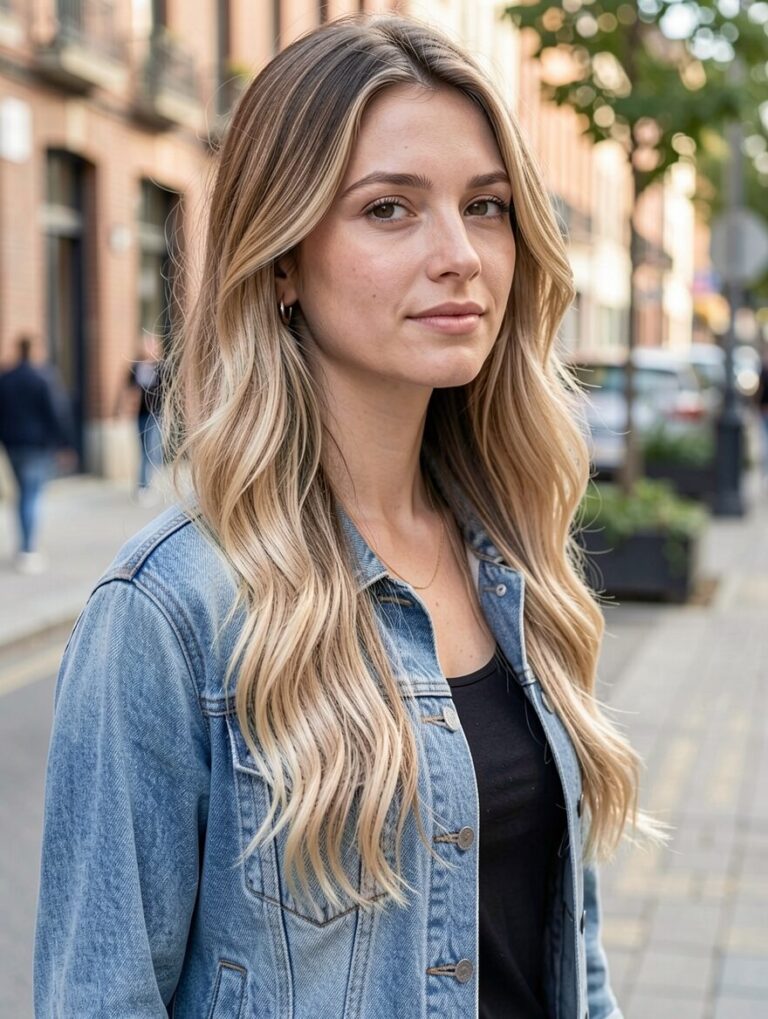
Ombre Hair Brown to Blonde Ombre became a popular hair coloring technique quite a few…

30 Chocolate Brown Hair Color Ideas Whether you prefer more natural hair colors, or work…

Cinnamon Brown Hair Color Ideas Brown hair comes in many different tones, colors and aesthetics.…
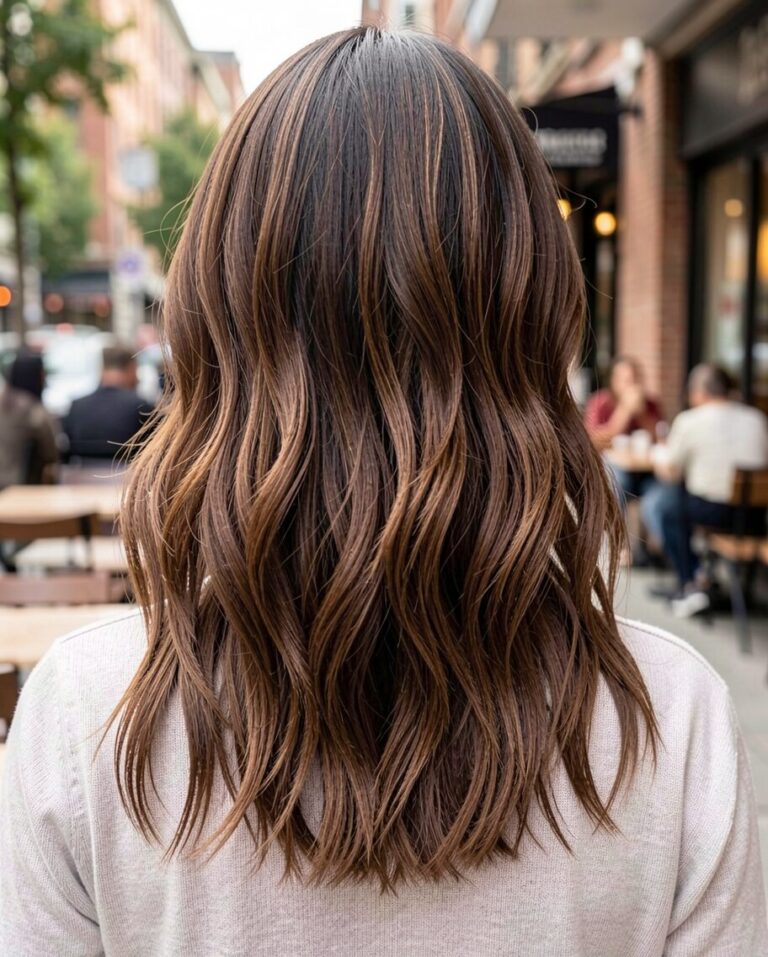
Mocha Brown Hair Color Ideas Looking for a way to change up brown hair color?…
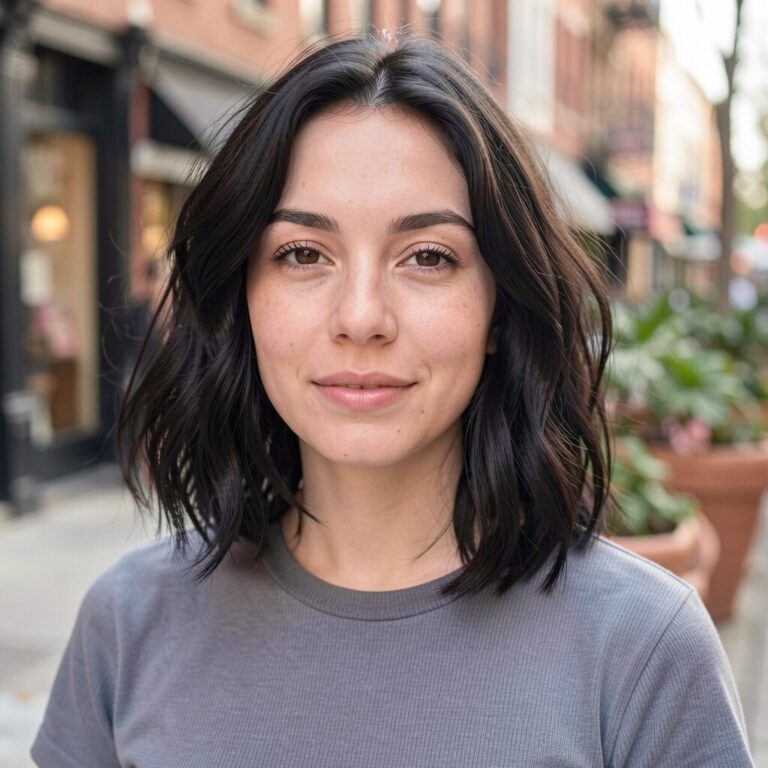
Short Textured Haircuts Thinking of chopping your hair? Going in to the salon for the…
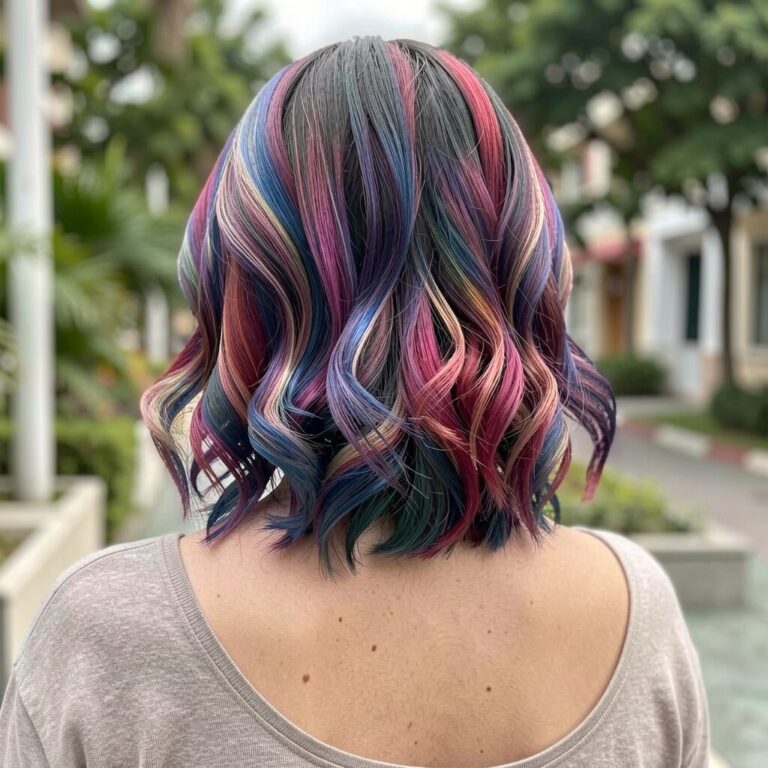
Trendy Unique Hair Color Ideas Looking for a new, unique hair color to try? Perfect!…
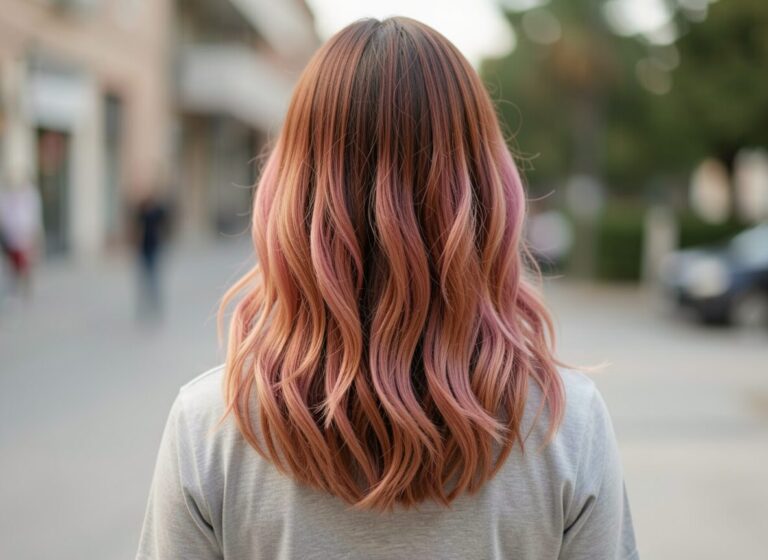
Color Melting Hair Technique First, there as the ombre, the hair coloring technique where there…
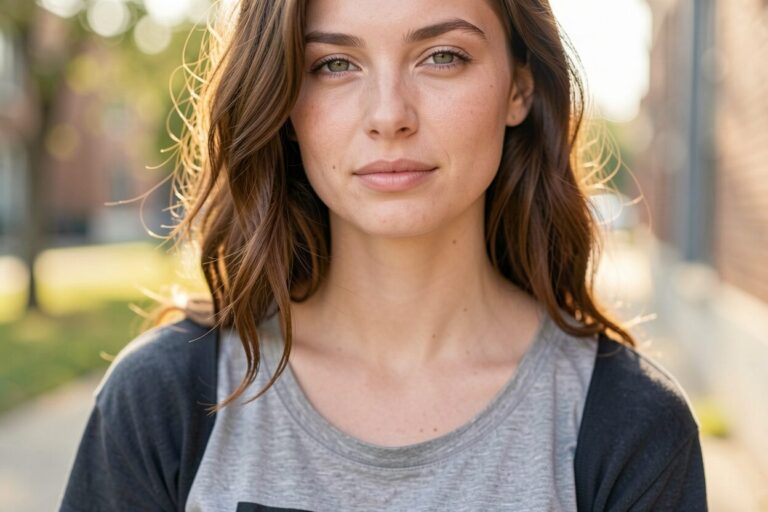
Different Shades of Brown Hair Color Brunettes can have fun too. Who knew there were…
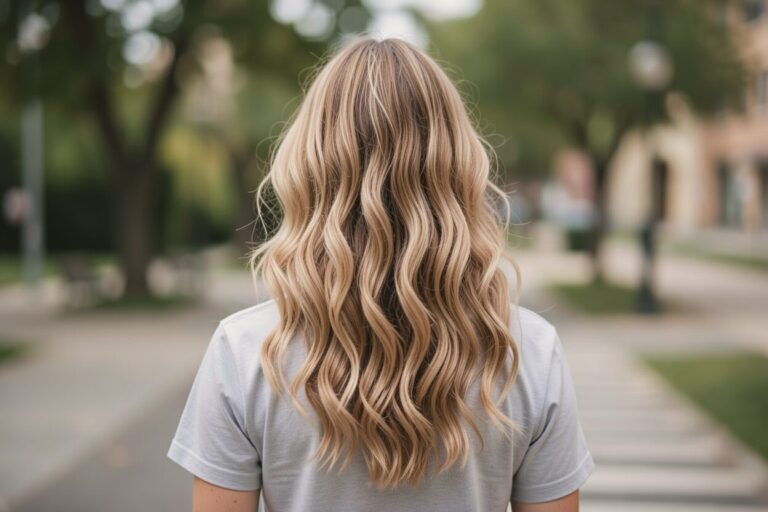
Tortoiseshell Hair Color Ideas Ombre and Balayage have a rival for most popular hair dye…
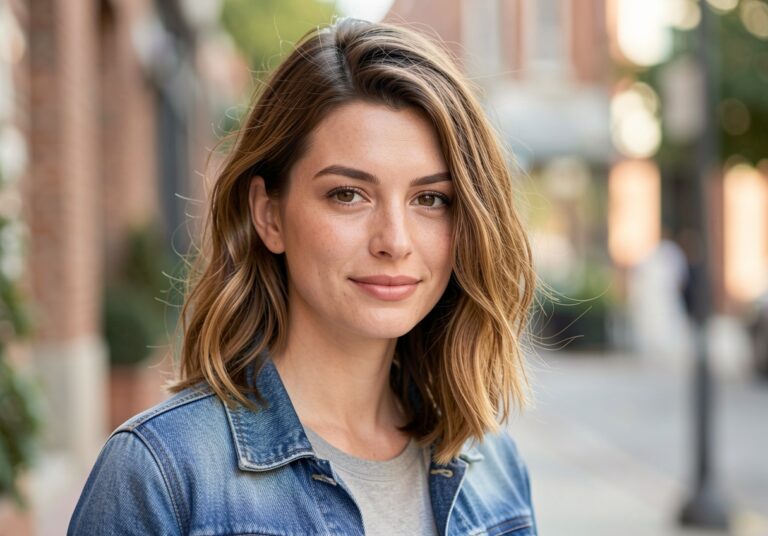
35 Gorgeous Highlights For Dark Brown Hair Whether you’ve got natural espresso hair or a…
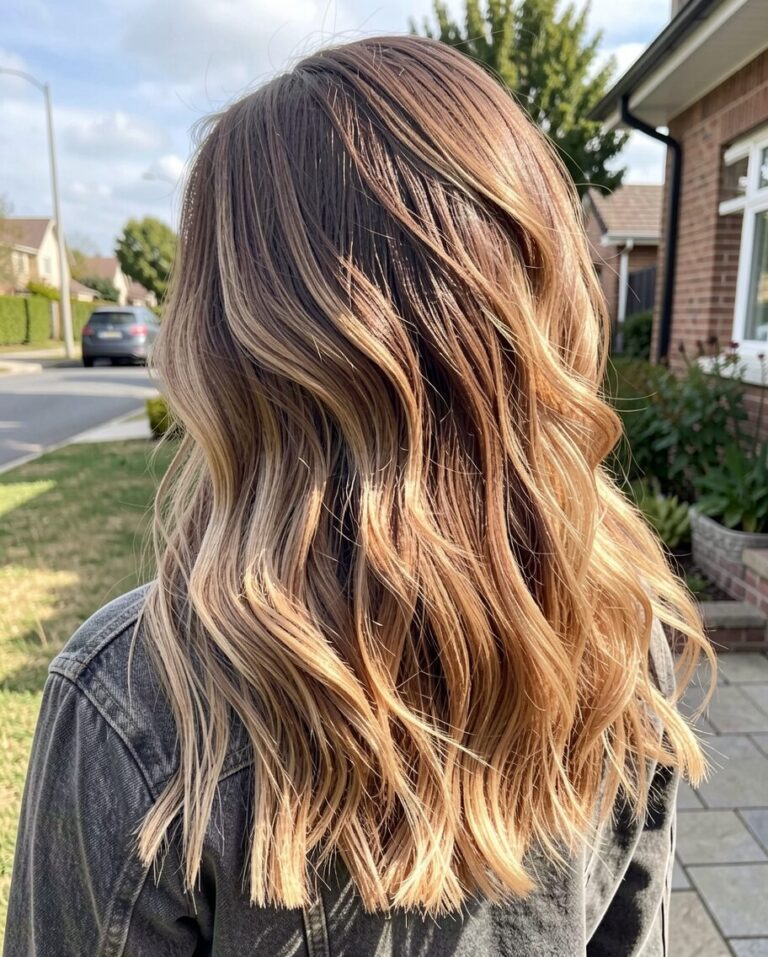
Brown Balayage Ideas If you don’t already know, balayage is a highlighting technique in which…

30 Brown Ombre Hair Color Ideas If you’re thinking about adding some new color to your…

Wedding Hair Accessories Inspiration So your big day is just around the corner. Chances are…

Bobby Pin Hairstyle Ideas Bobby pins have been one of those go-to hair accessories to…

How To Do A High Ponytail + High Ponytail Hairstyles Ideas Ponytails are definitely not…

Short Brunette Haircuts and Hairstyles If you have had long hair your whole life, suddenly…
Going darker within the brown hair color spectrum causes minimal damage because deposit-only dye (demi-permanent or semi-permanent) adds pigment without lifting your natural color — the cuticle stays relatively intact. Going lighter is where damage occurs: the developer (peroxide) opens the cuticle layer to remove existing pigment, and the more levels you lift, the more structural damage results. Moving from dark brown to light brown (2-3 levels of lift) with a 20-volume developer causes moderate dryness. Lifting 4+ levels requires a 30-volume developer and causes noticeable texture change — hair feels rougher and more porous.
Single-process brown looks like a solid block of color under any lighting because there is no tonal variation to catch and reflect light differently. The fix is adding highlights, lowlights, or both within the brown family — even a subtle half-head of babylights (very fine highlights) one to two shades lighter than your base creates visible depth and movement. Lowlights in a shade darker than your base add shadow and richness. A combination of both mimics how natural brown hair actually looks: multi-tonal, with lighter pieces where sun hits and darker pieces underneath.
Darker browns contain more pigment molecules per strand and fade the slowest — chocolate brown, espresso, and dark chestnut shades hold their tone for 10-14 weeks before needing a color refresh. Medium browns like caramel and toffee last 8-10 weeks. Lighter browns and heavily highlighted brunette shades fade fastest because lifted hair has open cuticles that release pigment more readily, especially with sun exposure, chlorine, and hard water. Ash-toned browns are the most fragile of all: the cool violet and blue pigments that neutralize warmth are small molecules that wash out within 4-6 weeks, revealing brassy undertones.
This is one of the most technical color corrections in the salon because previously bleached or heavily highlighted hair is missing the warm underlying pigments (red, orange, gold) that act as a foundation for brown to deposit evenly. Without a filling step, brown dye on porous blonde hair grabs unevenly — green or olive tones appear because blue pigment in brown dye has no red/gold base to anchor against. Your colorist must fill the hair first with a warm copper or gold tone (a separate 20-minute processing step), then apply the target brown shade over the filled hair.