35 Auburn Hair Color Styles
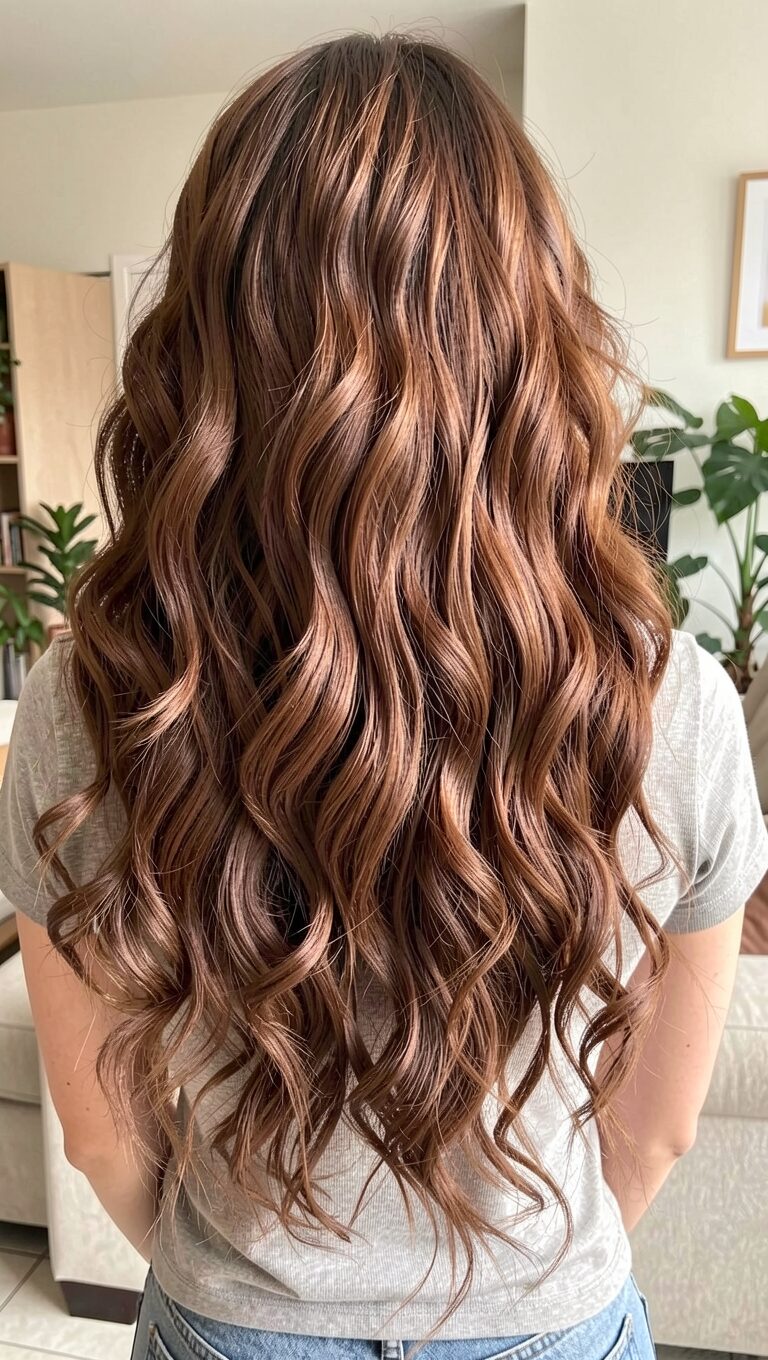
Auburn Hair Color Styles The perfect marriage of red and brunette shades, an auburn hair…
Hair color is the fastest way to change how you look without touching the length or shape of your hair.
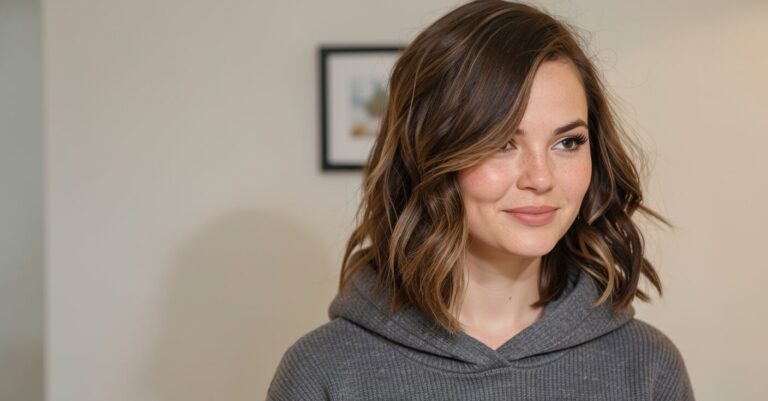
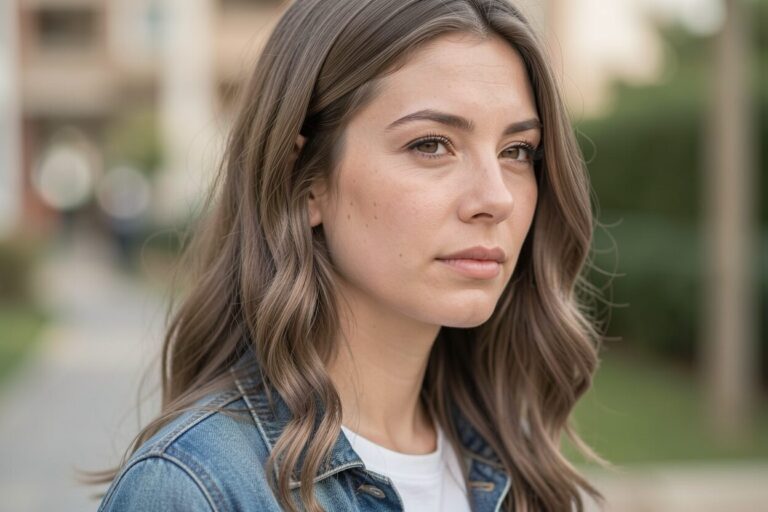
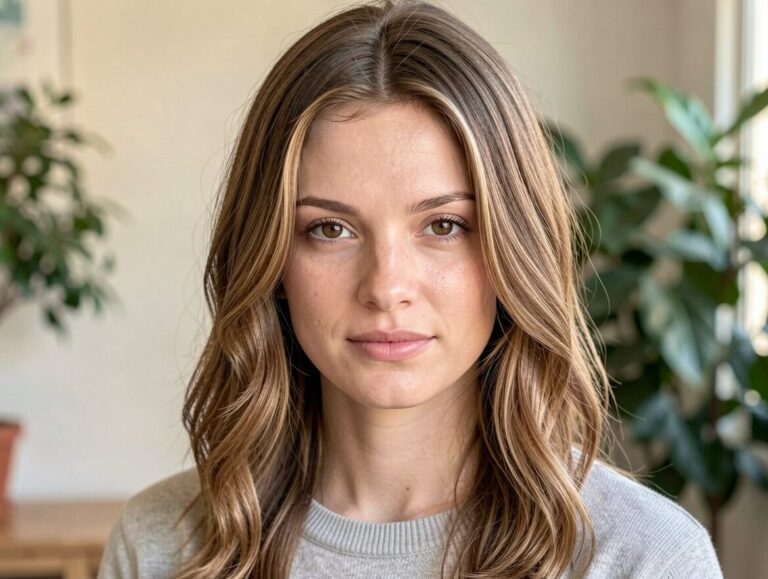


Hair color is the fastest way to change how you look without touching the length or shape of your hair. Professional formulations now include bond-building technology, ammonia-free options, and semi-permanent pigments that deposit vivid color without lifting your natural shade. The category covers everything from a 20-minute gloss to a six-hour fantasy color session.
Your ideal color depends on more than preference. Skin undertone, eye color, natural depth, and current hair condition all factor in. Warm skin tones (gold or peach undertones, veins that appear green) tend to look best with golden blondes, coppers, warm browns, and rich reds. Cool skin tones (pink undertones, blue veins) pair naturally with ash blondes, cool browns, burgundy, and icy fashion colors. But rules are made to break. If your hair is already damaged from heat or chemical processing, semi-permanent or demi-permanent formulas are smarter choices than permanent color because they skip the high-volume developer.
Natural-tone articles cover the colors most people transition between, and they're the easiest to maintain at home between salon visits. For bolder statements, fashion color articles push into territory where pre-lightening is usually required and fading is part of the look. Technique-based pieces show how the application method changes the final result as much as the color itself. Each substyle has its own maintenance profile, cost structure, and damage potential.
A single-process permanent color runs $80-150 at a salon and needs retouching every 4-6 weeks as roots grow in. Fashion colors (pastels, vivids, neons) cost $200-400+ initially and start fading within 2-3 washes. The most cost-effective approach is choosing a color within 2-3 shades of your natural level, which minimizes root visibility and stretches appointments to 8-10 weeks. Invest in a sulfate-free shampoo, wash with cool water, and limit heat styling. Those three habits alone can double the life of any color service.
Save 3-5 reference images before your appointment that show both the color and the technique you want. Try different shades with the AI try-on tool to narrow down your direction before spending salon time on consultations.
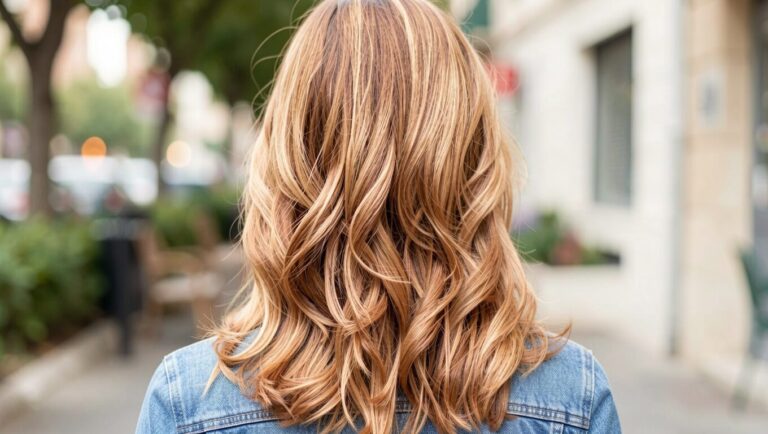
The largest balayage reference on the site with 50 real examples across different base colors, making it useful for anyone considering any form of color.
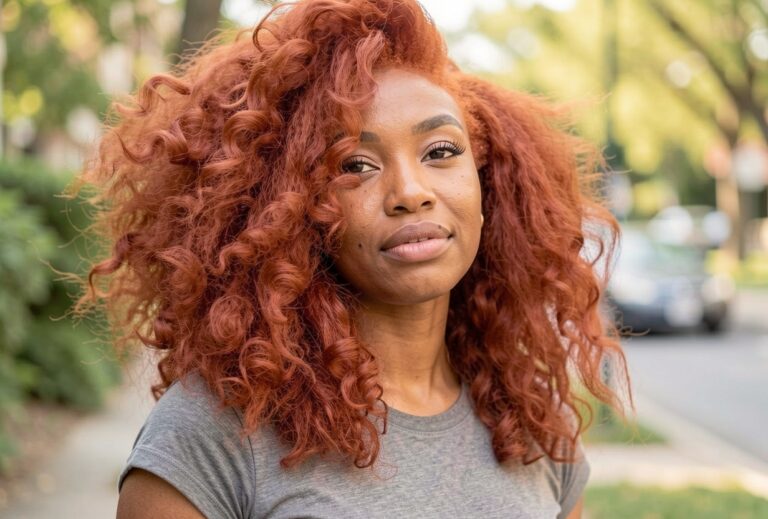
Addresses a specific need that's underserved in most color guides — matching hair color to deeper skin tones with examples that actually demonstrate the combinations.
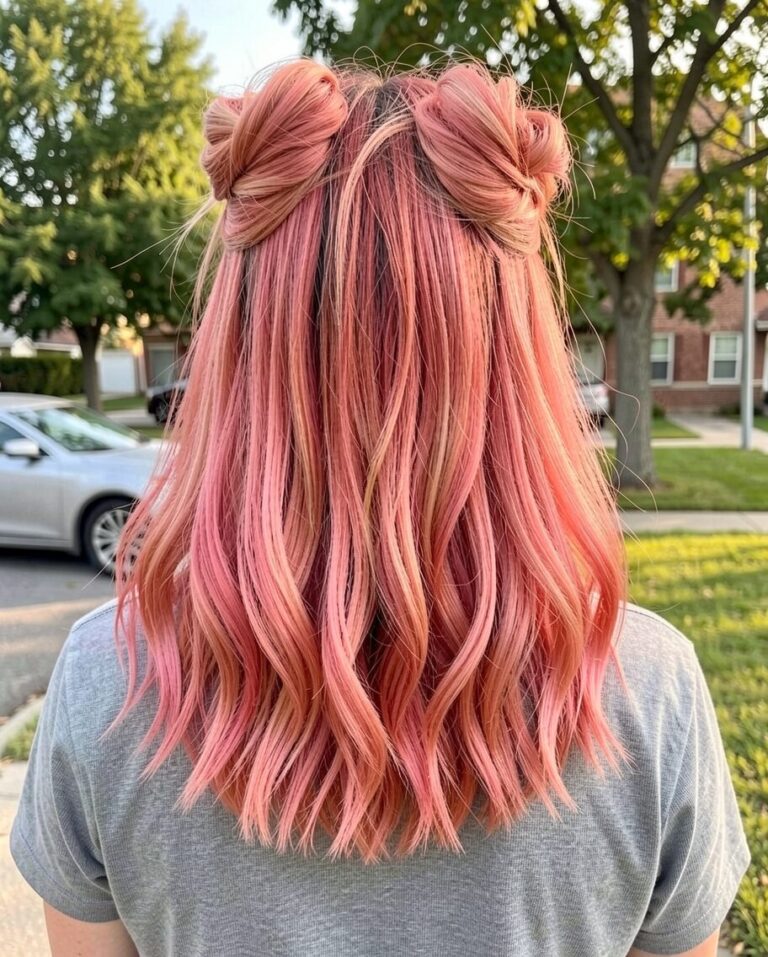
Practical product review covering the most popular semi-permanent brand with real color results, application tips, and fade timelines.
Auburn Hair Color Styles The perfect marriage of red and brunette shades, an auburn hair…

Strawberry Brown Hair Color Ideas One of the many beautiful aspects of hair color is…
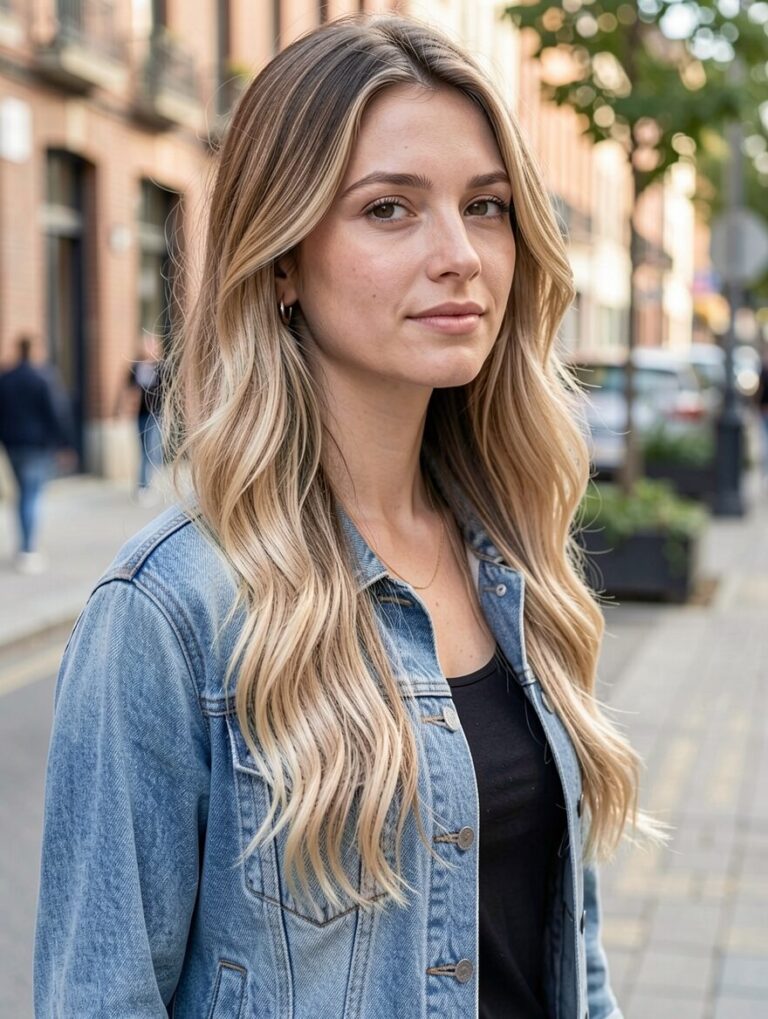
Ombre Hair Brown to Blonde Ombre became a popular hair coloring technique quite a few…

Ruby Red Hair Dye Color Ideas Want to make a RED HOT statement with your…

30 Chocolate Brown Hair Color Ideas Whether you prefer more natural hair colors, or work…
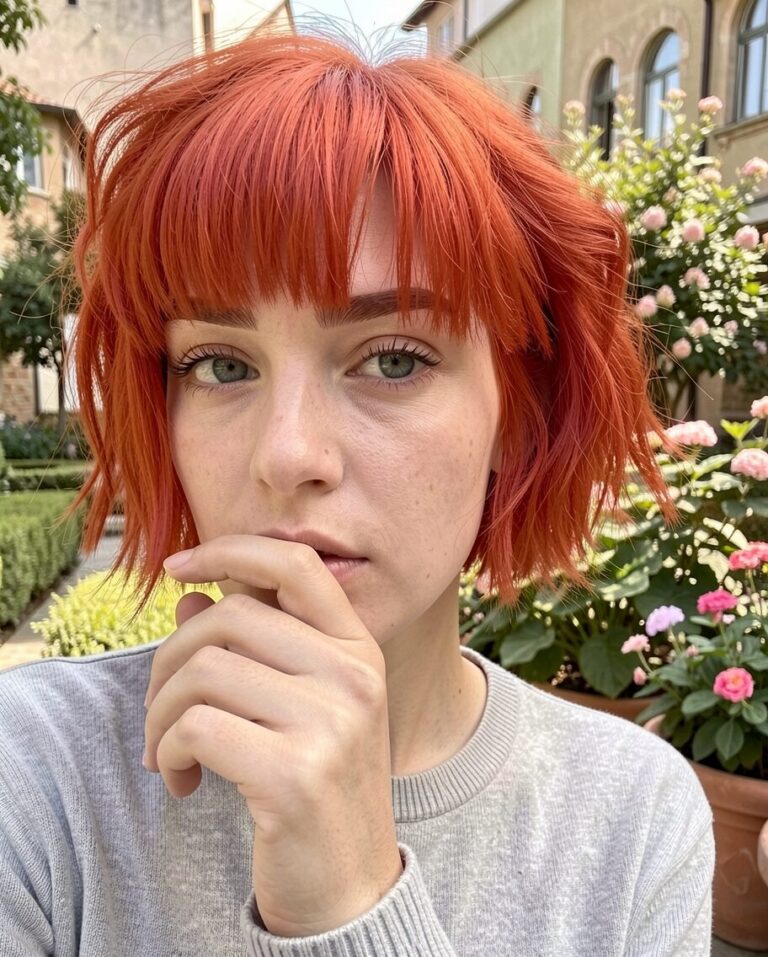
Short Red Hair Ideas Whether you currently have red hair or not, we know it…

Cinnamon Brown Hair Color Ideas Brown hair comes in many different tones, colors and aesthetics.…
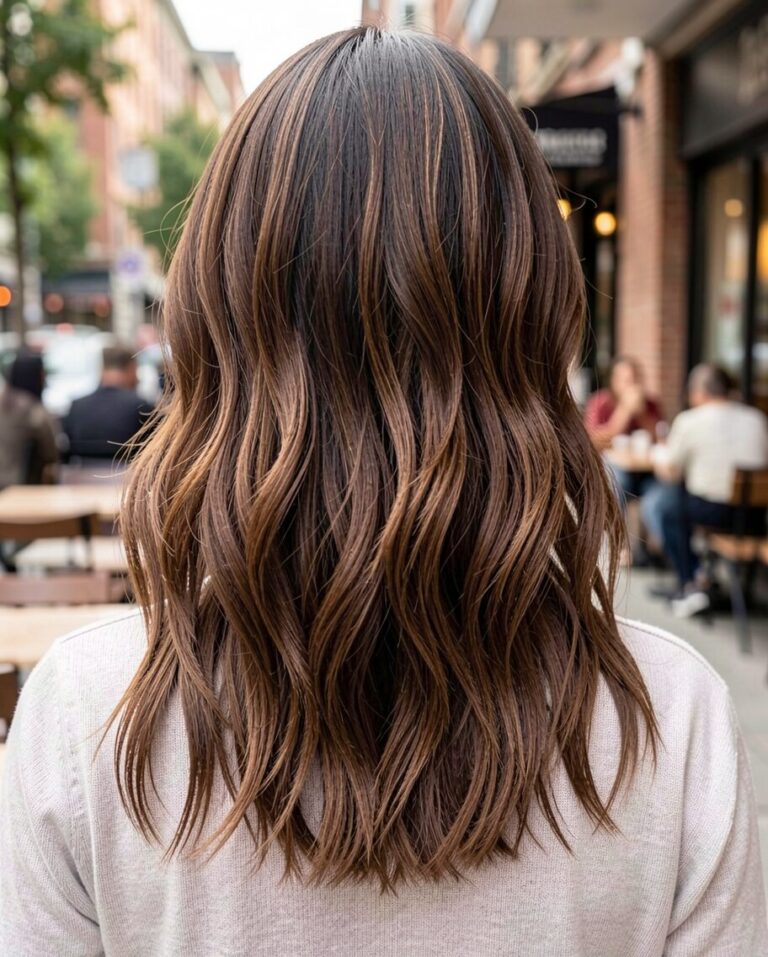
Mocha Brown Hair Color Ideas Looking for a way to change up brown hair color?…

Summer Hairstyles 2021 Spring is here, so hopefully, that means that summer isn’t too far…

25 Fun and Sexy Short Blonde Hairstyles Could it be true that blondes have more…

Tik Tok Hair Trends It’s no secret TikTok has been incredibly influential in trends of…
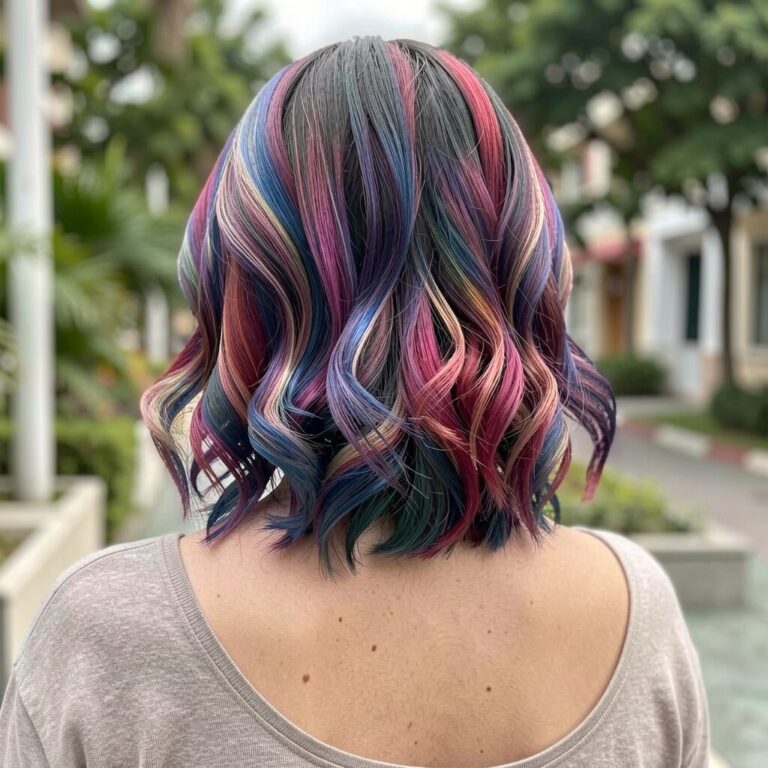
Trendy Unique Hair Color Ideas Looking for a new, unique hair color to try? Perfect!…

Pink Ombre Hair Ideas Need a little fun in your life? We have one of…
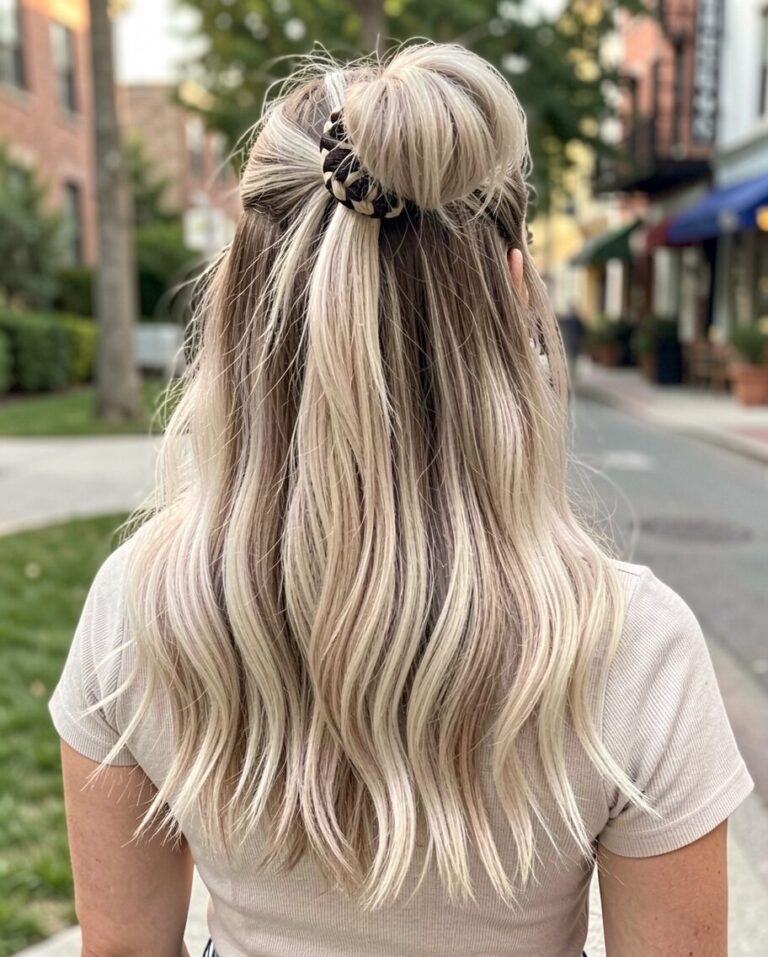
Shadow Root Hair Trend Shadow root is a hair trend you’ve likely seen quite a…
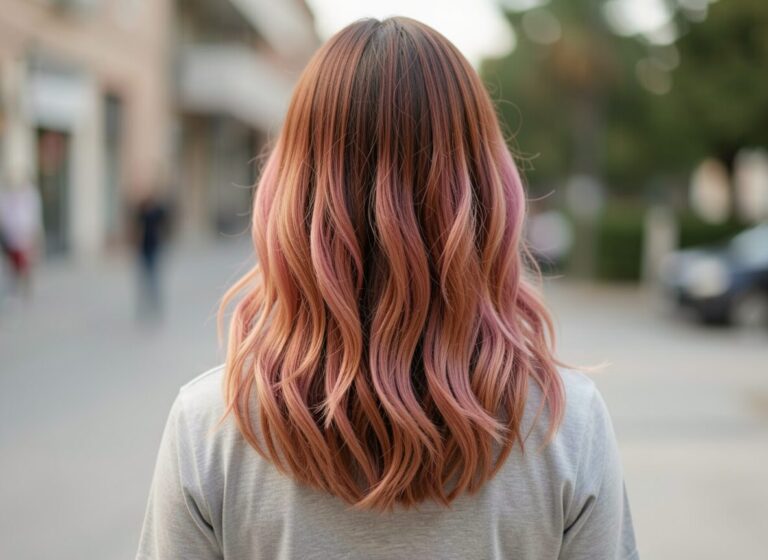
Color Melting Hair Technique First, there as the ombre, the hair coloring technique where there…

Different Shades of Brown Hair Color Brunettes can have fun too. Who knew there were…
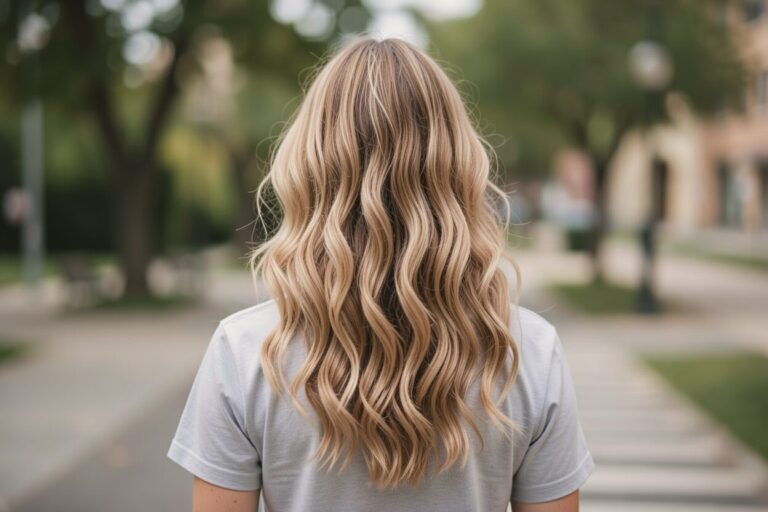
Tortoiseshell Hair Color Ideas Ombre and Balayage have a rival for most popular hair dye…

Peacock Hair Color Ideas One of the latest and biggest hair color trends is peacock…

Caramel Blonde Hair Color Ideas One of 2020’s biggest hair color trends: caramel blonde! If…
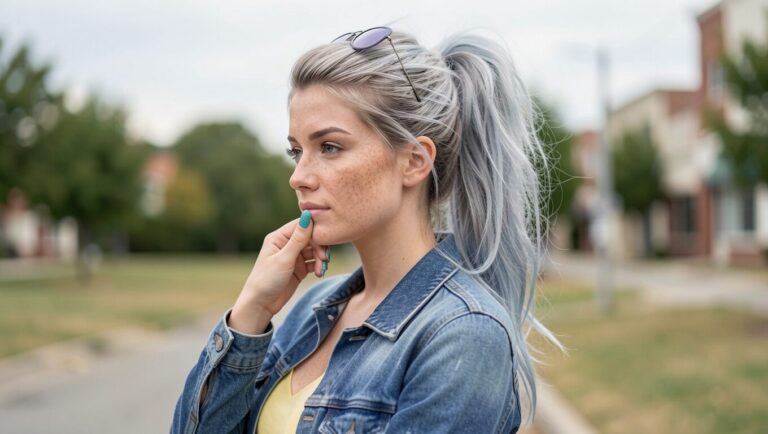
30 Silver Hair Dye Ideas For years, the conventional idea of feminine and beautiful hair…

Teal Hair Color Guide The enduring trend towards unnatural hair colors is inspiring women of…
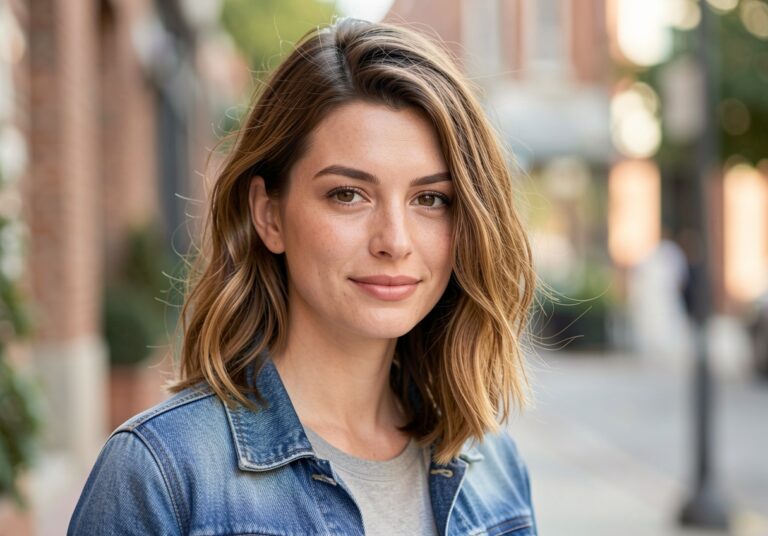
35 Gorgeous Highlights For Dark Brown Hair Whether you’ve got natural espresso hair or a…
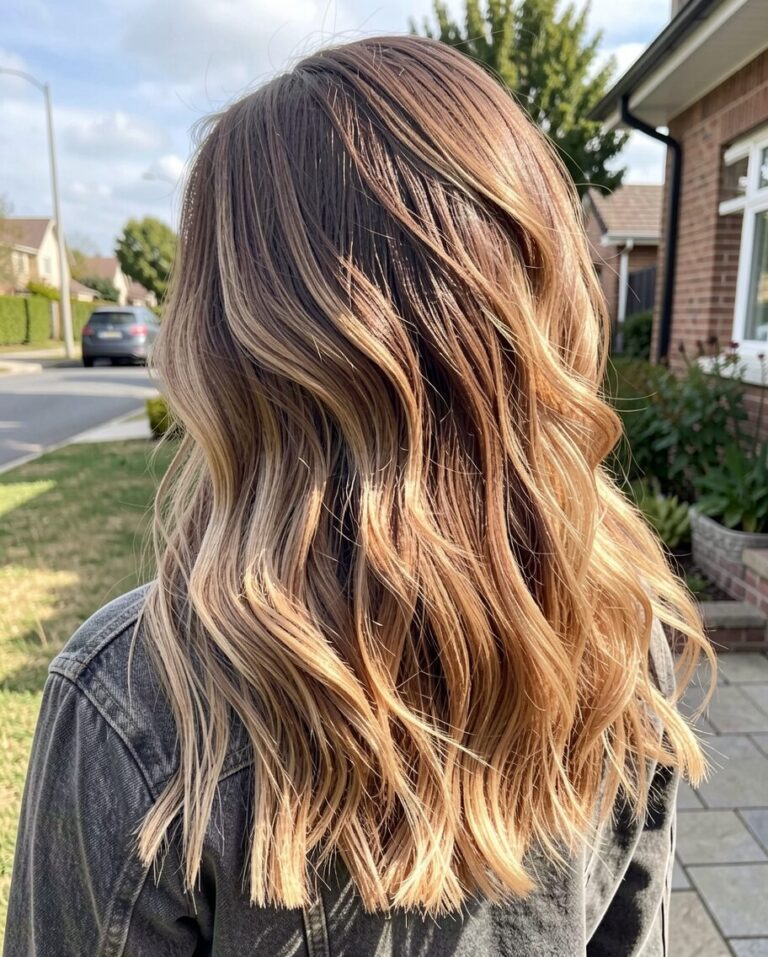
Brown Balayage Ideas If you don’t already know, balayage is a highlighting technique in which…

30 Brown Ombre Hair Color Ideas If you’re thinking about adding some new color to your…
It depends on the type of color and how close it is to your natural shade. Single-process permanent color needs root touch-ups every 4-6 weeks as regrowth becomes visible. Balayage and highlights can go 8-16 weeks because the grow-out is gradual. Semi-permanent color fades over 6-8 washes without a root line, so there's no touch-up — just re-application when it's gone. Grey coverage typically needs the most frequent touch-ups, sometimes every 3-4 weeks.
Single-process color (going darker or covering greys with one shade) is the safest DIY option. Avoid lightening at home — bleach placement requires training and mistakes cause breakage or banding. Use a demi-permanent formula for your first attempt since it fades naturally and won't leave a permanent line. Apply color to dry hair, section carefully, and set a timer. Semi-permanent options like Manic Panic or Overtone are essentially foolproof since they can't lift or damage.
Darker colors and colors close to your natural shade last longest because they deposit pigment without lifting, so there's no exposed warm undertone to shift. Permanent formulas in the brown-to-black range can last until they grow out. Reds fade fastest across all categories because red pigment molecules are the largest and wash out first. Vivid fashion colors (blues, purples, pinks) fade significantly within 4-8 washes whatever the formula.
Coloring over existing color is safe if you're going the same level or darker. Going lighter over previously colored hair is where problems happen — color doesn't lift color, so you'll get unpredictable results or breakage. A colorist can use a color remover or controlled bleaching to strip old pigment first. Always tell your stylist about box dye history — metallic salts in some drugstore formulas react badly with professional products and can cause severe damage.
Start with balayage or highlights rather than all-over bleach — you're lightening less total hair, which means less overall damage. Use a bond-building treatment during the service (Olaplex, K18, or Redken pH-Bonder). Go gradually: lift 2-3 levels per appointment over multiple sessions rather than forcing 6 levels in one sitting. Between appointments, use a protein-based deep conditioner weekly and avoid hot tools above 350°F. The process takes patience but your hair integrity stays intact.