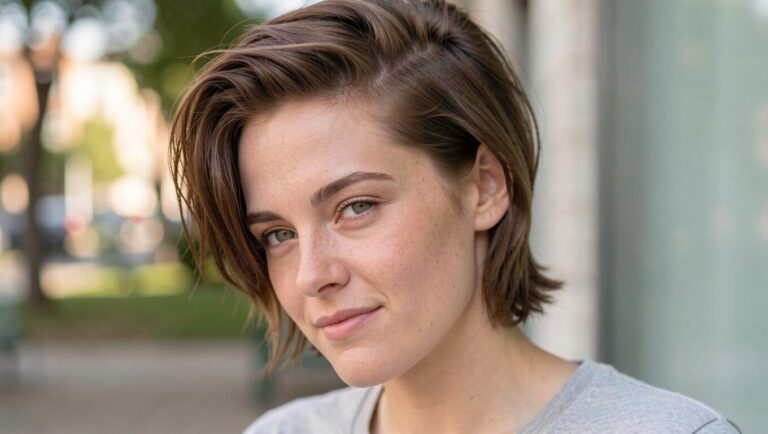
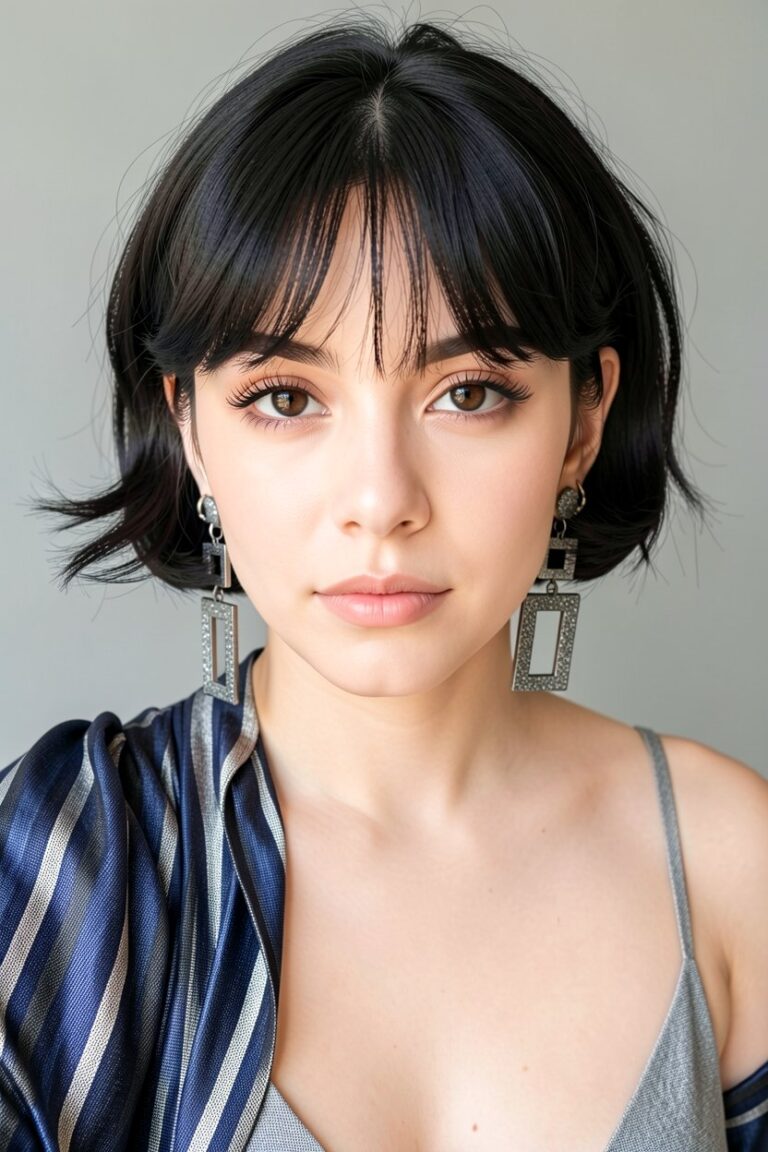
Pageboy Haircut for Women
The pageboy haircut was a classic style of the 1970s but is coming back in…
The bob has been the most requested haircut category in salons for over a century, starting with dancer Irene Castle around 1915.
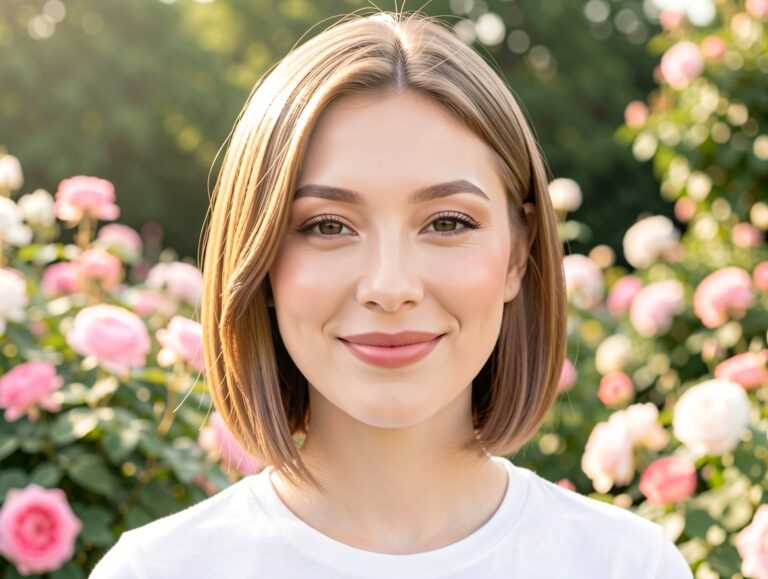


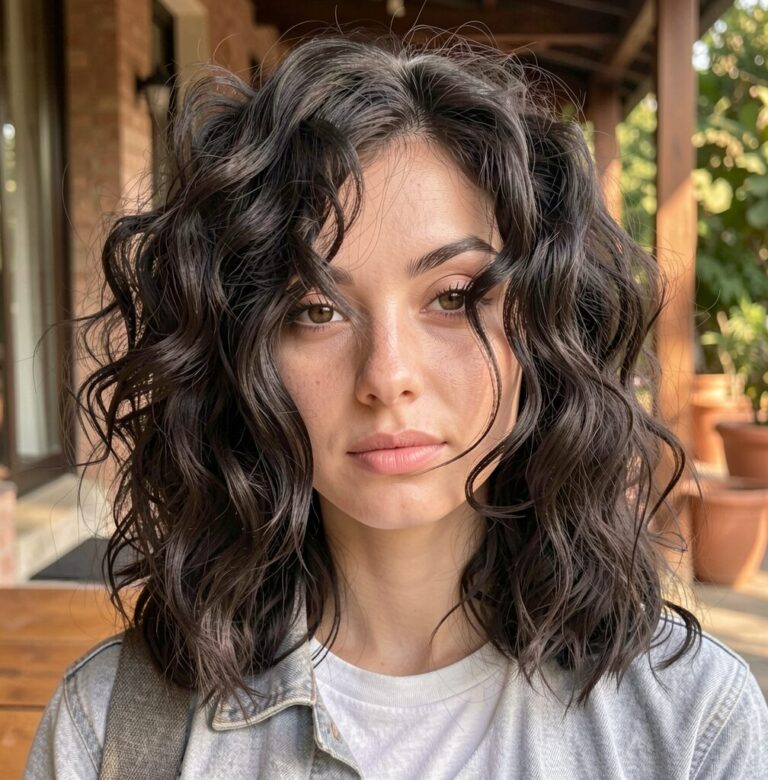
The bob has been the most requested haircut category in salons for over a century, starting with dancer Irene Castle around 1915. The reason is simple: a bob works. Short enough to be low-maintenance, long enough to have styling range, and structured enough to look intentional even when you skip styling entirely.
The key is choosing the right variation for your face shape and texture. Round faces look best with an A-line bob angling below the jawline. Square faces benefit from a layered bob with side-swept bangs. Long or oval faces can wear a chin-length blunt bob where the horizontal line adds width. Fine hair gets the most volume from a stacked or graduated bob (shorter in back, longer in front), while thick hair sits well in a blunt one-length bob. Curly bobs need to be cut longer than you think since curls spring up 1-2 inches when dry.
33 Layered Bob Haircuts covers the most universally flattering version. Top 20 Short Bob Hairstyles shows how dramatic a jaw-length cut can be. 30 Asymmetrical Bob Styles breaks the symmetry with one side noticeably longer. 30 Stacked Bob Haircuts creates that iconic rounded back shape. And 20 Chic and Trendy Curly Bob Hairstyles proves that texture and bobs are a natural match.
Expect $50-$100 at a mid-range salon, with trims needed every 5-7 weeks to keep the shape sharp (bobs lose their line faster than long hair). Daily styling takes 5-15 minutes: round brush blow-dry for smoothness, or air-dry with a texturizing spray. If you have very fine hair, volumizing mousse at the roots prevents flatness.
Bring photos showing the exact length and angle you want, and discuss how much time you spend styling daily. Preview different bob lengths on your own face with the AI try-on tool before your appointment.
The layered bob is the most universally flattering version of this cut. This guide shows how layering is adapted for fine, thick, straight, and wavy hair — each requires a different approach from the stylist.

For anyone wanting a bob with attitude. The asymmetrical cut is more fashion-forward and requires precise execution, so this is useful for showing your stylist exactly what angle and length difference you're after.

Fine hair is the most common concern people have before committing to a bob. This guide addresses the specific cutting techniques (blunt ends, strategic layering) that make fine hair look fuller in a bob silhouette.
The pageboy haircut was a classic style of the 1970s but is coming back in…
From choppy, edgy texture to softly shaped silhouettes, there are layered bob haircuts to suit…
The Best Pixie Haircuts for Older Women Over 50 Age doesn’t determine your haircut, style,…
Short Haircuts for Fine Thin Hair Thin and fine hair can sometimes feel flat and…
Medium Length Curly Hairstyles We’re shouting out all our curly haired women! Curly hair is…

Collarbone Length Haircuts Long hair is so last summer. This year it’s all about collarbone-skimming…

50 Short Haircuts for Round Faces If you have been blessed with a round face,…
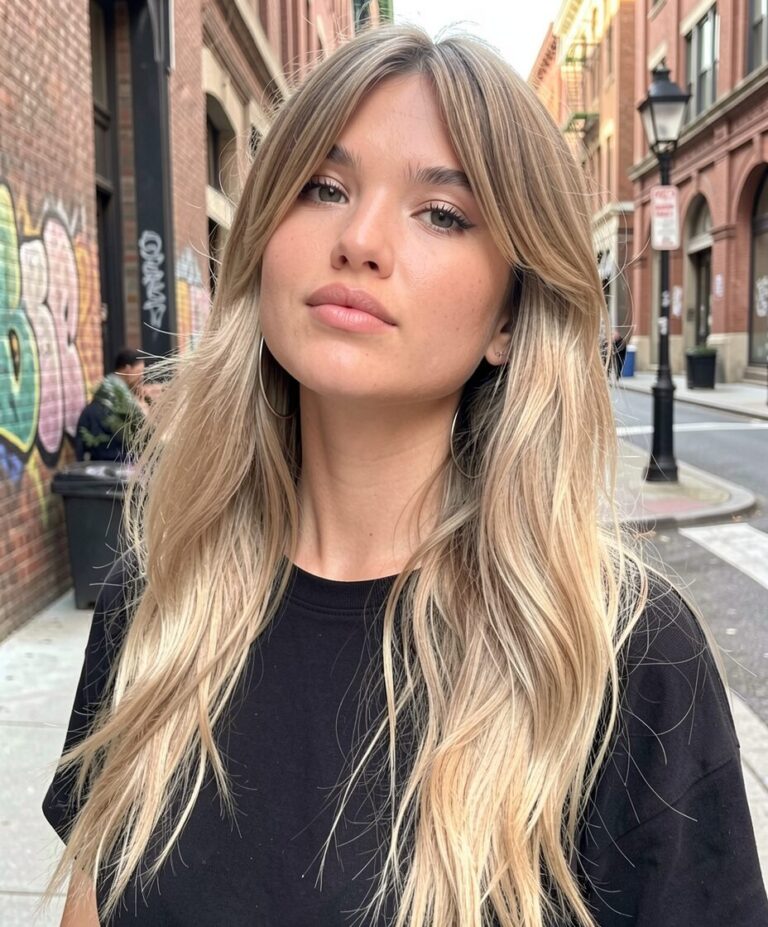
Curtain Bangs Hairstyles Thinking about getting bangs? Curtain bangs are THE bang hairstyle of the…

30 Shag Haircuts And Hairstyles One of the most popular looks of past decades, shag…

25 Vintage Glam Flapper Hairstyles While every decade sees unique fashions come and go, the…
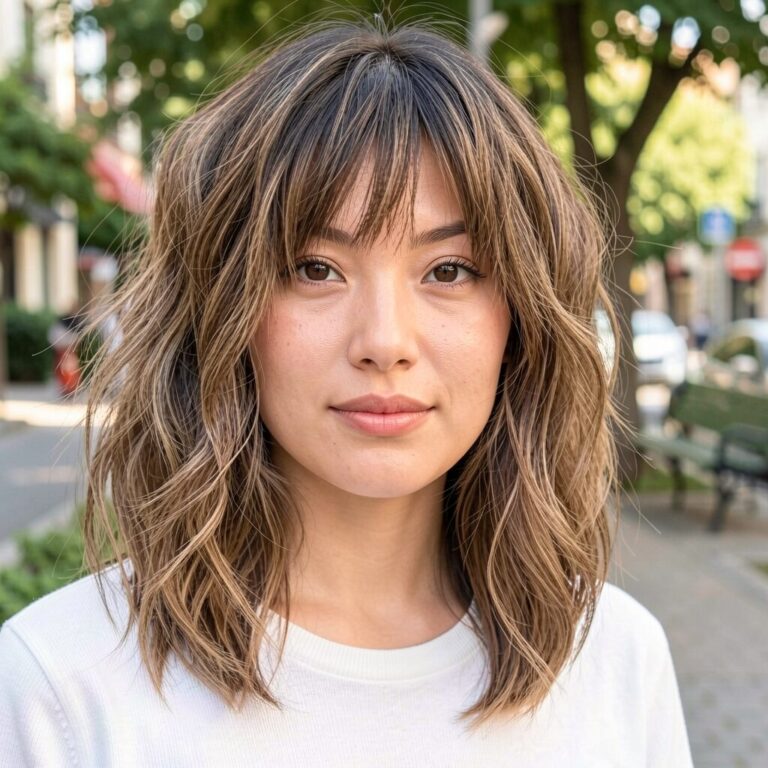
Short Shag Haircuts 2021 One of THE hottest haircuts this year was the shag cut.…
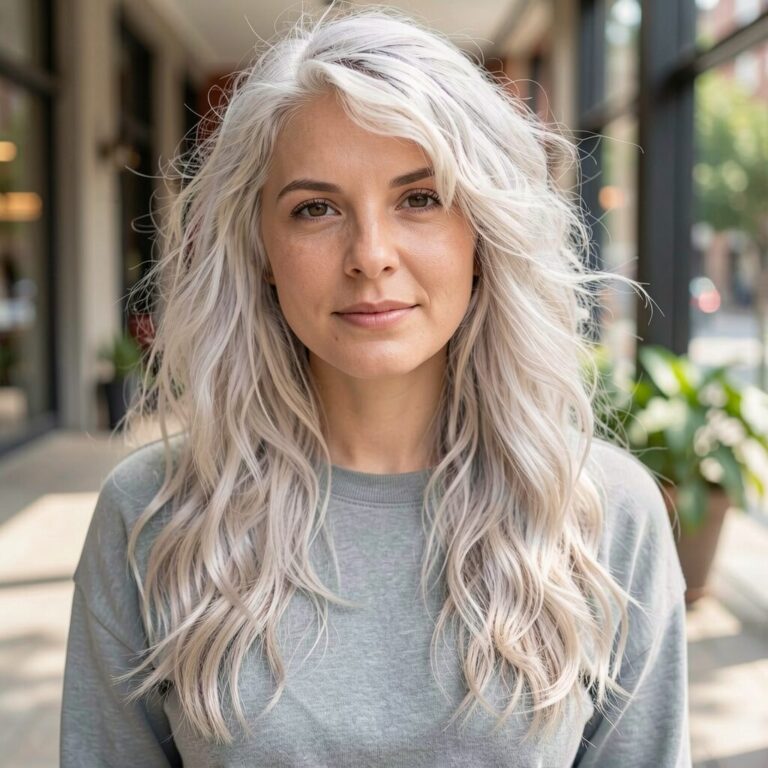
Long and Short Hairstyles for Women Over 60 We’re calling out for our women over…

Short Hairstyles for Fine Hair If you’ve got fine hair, each individual strand is relatively…

Peach Hair Trend Peach is the latest shade to be embraced by hair colorists and…
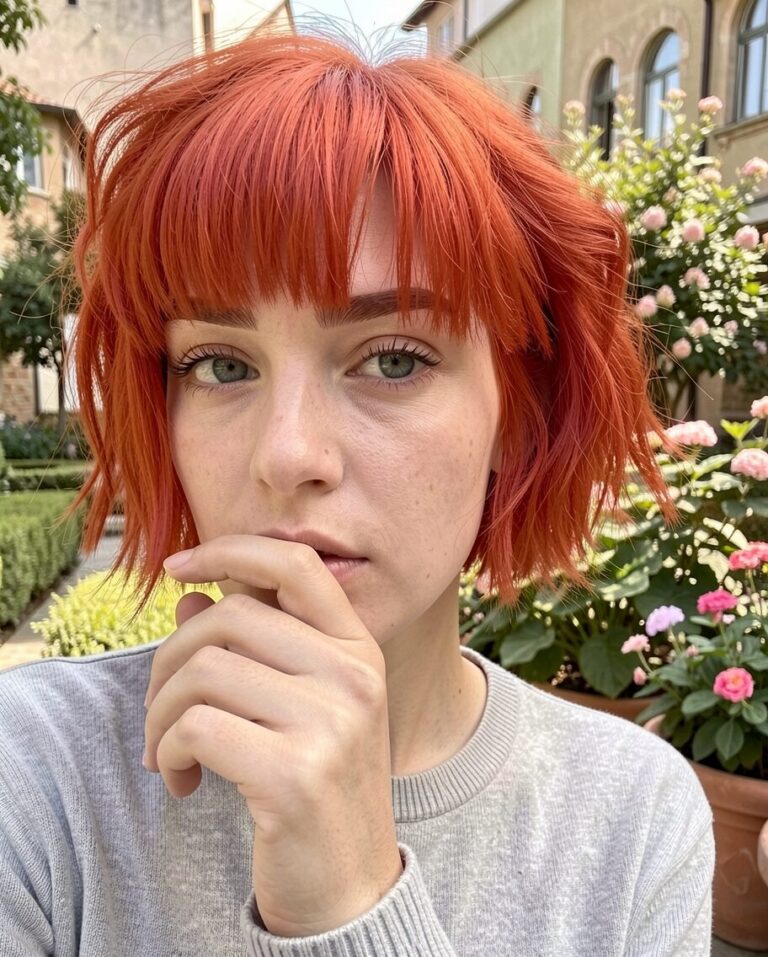
Short Red Hair Ideas Whether you currently have red hair or not, we know it…

30 Bob Hairstyles for Black Women Have you ever heard the saying “once a woman…

Short Hair with Bangs Every once in a while we all crave a new hairstyle.…

Summer Hairstyles 2021 Spring is here, so hopefully, that means that summer isn’t too far…

Short Textured Haircuts Thinking of chopping your hair? Going in to the salon for the…

25 Fun and Sexy Short Blonde Hairstyles Could it be true that blondes have more…

20 Chic Short Bob Hairstyles Short cuts have been all of the rave in 2016. We…

30 Cute Short Haircuts With Bangs Whether you’re a short hair lifer or trying it…

Short and Long Layered Curly Hairstyles Whether you choose big and bouncy, tight and defined,…

Bobby Pin Hairstyle Ideas Bobby pins have been one of those go-to hair accessories to…
The bob should end at the facial feature you want to highlight. Chin-length draws the eye to your jawline — flattering for oval and heart-shaped faces. A collarbone-length lob is the safest choice for round faces since it creates vertical length. Square faces benefit from a soft, side-parted bob just below the jaw with face-framing layers to soften angular lines. An A-line bob — 1-2 inches shorter in back than front — works for almost every face shape. Ask your stylist to hold a comb at different lengths before cutting so you can preview proportions in the mirror.
Thick wavy hair is ideal for bob hairstyles because you get natural volume and movement without blow-drying. The critical detail is interior thinning: your stylist should use texturizing shears or razor cutting to remove bulk from the mid-shaft and ends while keeping the perimeter blunt. Without this step, thick hair in a bob goes triangular — narrow at the crown, wide at the jawline. A lob (shoulder-length) controls volume better than a chin-length bob because the extra 2-3 inches add weight that pulls the wave pattern down. Avoid choppy layers shorter than cheekbone-level, which amplify puffiness.
Every 5-7 weeks is standard for maintaining a bob haircut. Bobs lose shape faster than long hair because even half an inch of growth visibly changes the proportions and weight line. A stacked bob — shorter and graduated in the back — grows out the fastest and starts looking like a mini-mullet by week 6 as the back layers lose their stacking. If you are stretching between appointments, ask for a quick back-only cleanup trim around week 4 ($15-$25 at most salons). Blunt bobs hold their shape slightly longer than layered bobs because all the hair hits one length line.
Yes — tell your stylist you want a wash-and-go bob and they will adjust the layering and texture for air-drying. A textured, piece-y bob air-dries well with a sea salt spray or curl cream scrunched into damp hair, taking 30-60 minutes depending on thickness. A sleek, glass-finish bob requires a blow-dry every time. For overnight styling, sleep in a loose low bun with a silk scrunchie, shake out in the morning, and smooth the front sections with a flat iron in two passes. Fine hair may need a root-lifting spray ($8-$14) to avoid looking limp.
A bob hairstyle is any haircut shorter than shoulder length with a defined weight line — the horizontal or angled line where all the ends meet. The classic bob sits at chin level with blunt, one-length ends. Main variations: the A-line bob (shorter back, longer front, angled 1-3 inches), the stacked bob (graduated layers in back for rounded volume), the inverted bob (dramatic angle with very short back), the lob or long bob (collarbone length), and the French bob (chin-length with bangs, minimal layering). A standard bob cut costs $45-$120 depending on your market and stylist experience.
A salon bob cut takes 45-75 minutes following a precise process. The stylist sections hair into four quadrants, then begins at the back nape, cutting a horizontal guide line at the desired length. Each subsequent section is pulled down to match that guide, working upward. For a stacked bob, back sections are over-directed at an angle so inner layers sit shorter for graduated fullness. Texturizing shears remove bulk from thick hair, and point cutting softens blunt ends. The final step is checking symmetry by pulling matching left and right sections forward together. Expect $50-$150 depending on stylist experience and city.
Use a 1-inch or 3/4-inch curling iron for chin-length bobs, or a 1.25-inch barrel for lobs. Section hair into 1-inch pieces, wrap each away from the face, hold for 8-10 seconds on 350°F heat, and release without touching. The key to long-lasting curls on a bob: let every curl cool completely before touching it — pin each one to your head with a duckbill clip as you go. Once all curls are pinned and cooled (about 10 minutes), release them all at once and shake gently at the roots. Finish with a flexible-hold hairspray from 12 inches away.
You can do a maintenance trim at home, but cutting an initial bob yourself is risky without training. Invest in sharp haircutting shears ($15-$30 — kitchen scissors crush hair and cause split ends). Dampen hair, part center, bring both sides forward, and cut in small increments starting half an inch longer than your target. Cut straight across while looking forward in the mirror, not down, because tilting your head changes the angle. The back is where home bobs fail — you cannot see it, and pulling hair forward creates unevenness when it falls back.
An A-line bob is cut shorter in the back and gradually longer toward the front, with a 1-3 inch difference between the shortest back section and longest front pieces. Fine hair benefits from A-line bob hairstyles because the blunt, one-length perimeter makes thin ends look thicker than layered cuts do. The shorter back adds volume at the crown without teasing or product. For fine hair, ask for a blunt A-line with no interior layers and minimal texturizing — every strand counts when density is low. Adding side-swept bangs creates the illusion of fuller hair around the face.