Lesbian Haircuts
Gay and Lesbian Hairstyles Inspiration Whether you’re a fashion-forward trendsetter or prefer to keep it…
The undercut is one of the most misunderstood haircuts in modern hairstyling.

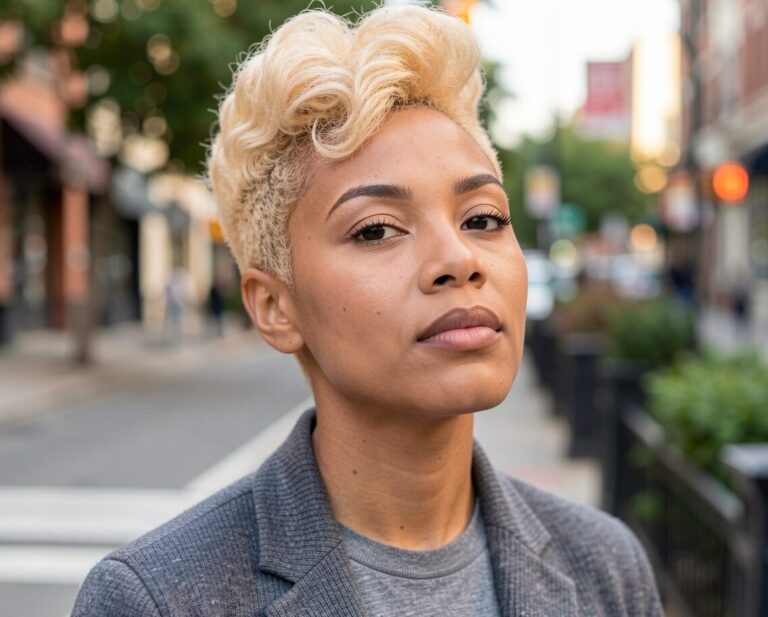
The undercut is one of the most misunderstood haircuts in modern hairstyling. At its core, the lower sections (nape, sides, or temples) are buzzed significantly shorter than the top, creating dramatic contrast. The style traces back to the Edwardian era, cycled through punk culture in the 1980s, and has settled into the mainstream for anyone who wants edge without full commitment to a short cut.
Undercuts work across hair types. On thick hair, they remove bulk from the heaviest sections. On fine hair, a nape undercut can make a bob or pixie look fuller on top by removing weight that drags the style down. A temple undercut narrows the visual width on round and square faces. A nape undercut works with any face shape since it is hidden unless you put your hair up.
Nape Undercut Hairstyles give you a hidden surprise: hair down and nobody knows, hair up and there is an edgy reveal. 20 Awesome Undercut Hairstyles for Women covers the full range from subtle to dramatic. 60 Shaved Hairstyles For Women shows styles where the undercut becomes the main event. Modern Edgy Haircuts shows how undercuts integrate with current trends.
The shaved section grows out fast. Cleanup trims every three to four weeks ($15-$25 per visit) keep the contrast sharp. The regrowth between weeks three and six feels prickly against your neck and looks fuzzy rather than clean. A home clipper set ($30-$50) lets you maintain it yourself, but practice on the lowest guard setting first.
Be specific with your stylist about how high you want the undercut and what guard length. The difference between a #2 and a #4 is the difference between visible scalp and a soft buzz; most people prefer the #3 to start. Test placements with the AI try-on tool before sitting in the chair.
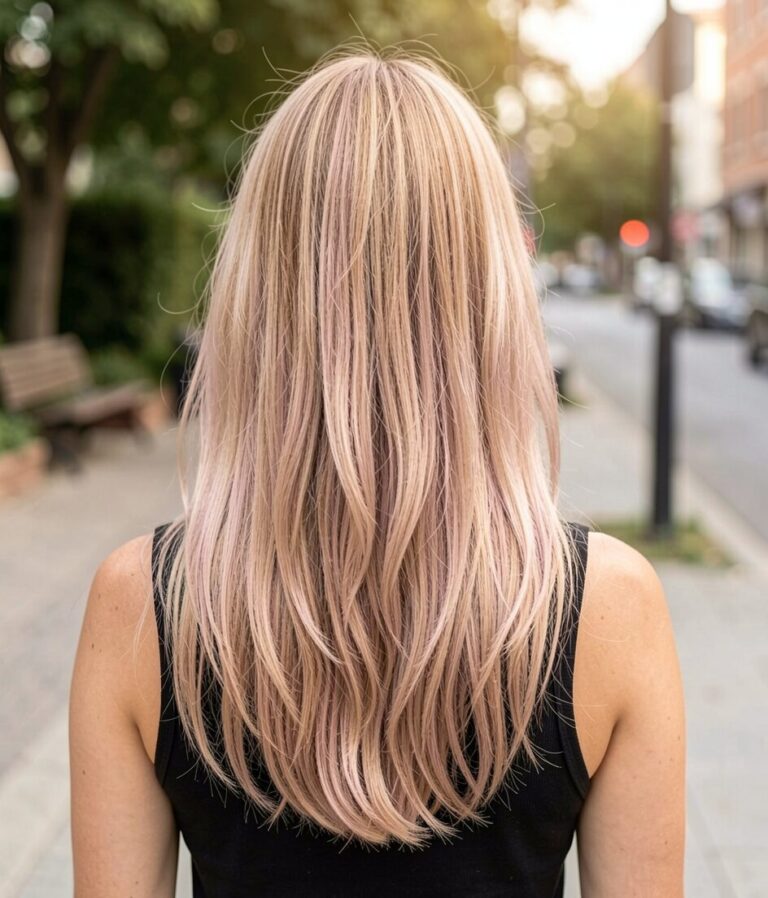
The most practical entry point into undercuts. Nape styles are hidden when hair is down and make a statement when it is up, ideal for anyone testing the waters.
A thorough overview of undercut placements and lengths across different hair types, from conservative office-friendly options to bold full-side shaves.

Places undercuts within the broader world of edgy styling. Useful for anyone who wants to understand how an undercut fits into a complete look rather than standing alone.
Gay and Lesbian Hairstyles Inspiration Whether you’re a fashion-forward trendsetter or prefer to keep it…
Short Haircuts for Fine Thin Hair Thin and fine hair can sometimes feel flat and…
60 Shaved Hairstyles For Women Modern hair trends for women are in a moment of…
20 Short And Long Undercut Hairstyles For Women If you’re looking to change up your…
Mohawk Hairstyles for Black Women Are you ready to be a little edgy? If you’re…
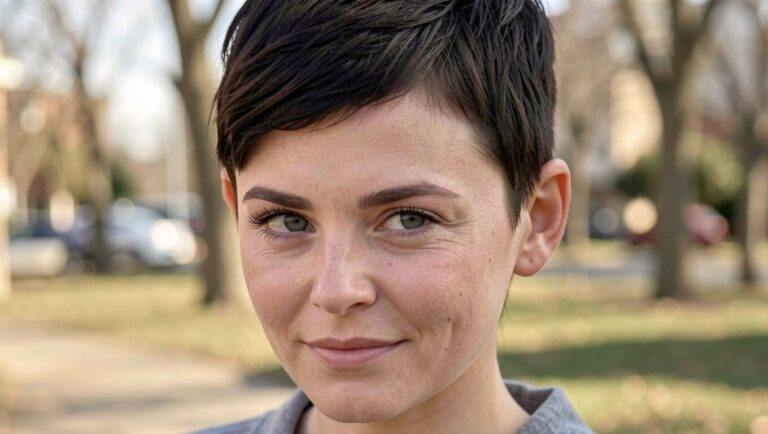
30 Pixie Haircuts For women looking to dramatically change their hair in time for a…

25 Fun and Sexy Short Blonde Hairstyles Could it be true that blondes have more…

30 Cute Short Haircuts With Bangs Whether you’re a short hair lifer or trying it…
Nape Undercut Ideas A few years ago, shaved sides were in style, but this has…
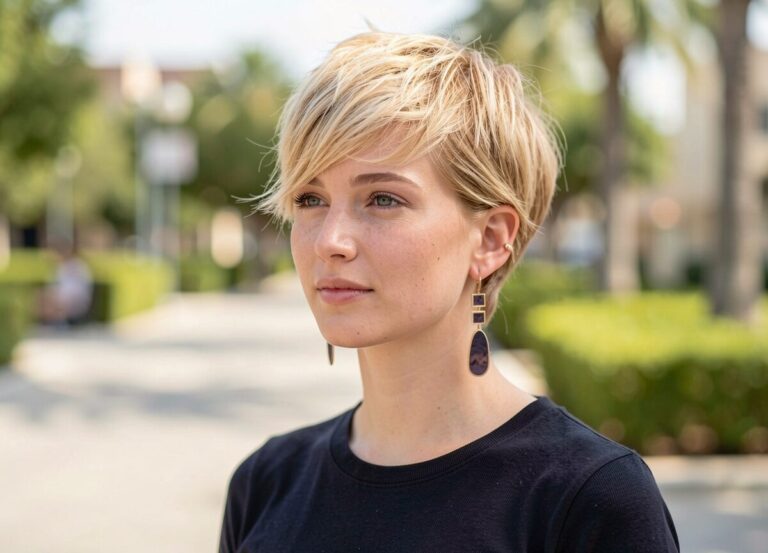
Short Haircuts For Thick Hair Thick hair can provide you with lots of styling options, but…
30 Stacked Bob Haircuts Short haircuts can be professional, edgy, or anything in between. Stacked…
Modern Edgy Haircuts If you’re bored of your hair, or feel like you’ve worn every…
30 Undercut Hairstyles For Men Men’s haircuts are beginning to enjoy as much variety as…

25 Cute Side Hairstyles Side hairstyles were a big hit in the 80’s and 90’s.…
Growing out an undercut takes 6 to 12 months to fully blend, depending on how short the shaved section was (a #1 guard takes longer than a #3) and your growth rate (average is half an inch per month). The awkward phase between months 2 and 5 is the hardest: the buzzed section sticks out at odd angles and creates visible bulk lines. Bobby pins, wide headbands, and strategic braiding hide the regrowth.
Yes, and a strategic undercut can actually make fine hair appear thicker. A nape undercut removes the thinnest, wispiest sections at the back of your neck, so the remaining hair sits flatter and looks denser on top. Removing a small section is enough; taking too much leaves visible gaps when hair moves. Temple undercuts on fine hair require more caution because you are removing volume in a visible area. Stick with a nape undercut or a very small section behind one ear for the best result on fine textures.
A nape undercut is completely office-appropriate because it is invisible when your hair is worn down. A side undercut also works if you keep the top long enough to cover it: part your hair to one side and the undercut stays hidden. The only undercut hairstyles that are hard to disguise in conservative settings are temple-to-temple designs, anything that extends above the ear line, or shaved patterns. If your workplace is traditional, start with a hidden nape undercut shaved to a #3 guard. You get the weight reduction and the cool-on-the-neck feeling without any visible edge.
A quality clipper with adjustable guard lengths is the main investment. Wahl Color Pro or Andis Professional T-Outliner are reliable options in the $30 to $60 range. You also need a handheld mirror to see the back, a fine-tooth comb to section off the longer hair above the undercut line, and 4 to 6 sectioning clips to hold hair out of the way. Buzz against the grain for a closer, more even cut. Always start with a guard one size longer than you think you need.
An undercut is a haircut where the hair on the sides, back, or nape is buzzed or shaved significantly shorter than the hair on top, creating a sharp contrast between the two lengths. Unlike a fade, which gradually blends from short to long, a true undercut has a distinct disconnected line where the short section meets the longer top. Undercut hairstyles work on all hair types and genders. Common variations include the nape undercut (hidden under longer hair), the side undercut (one or both temples shaved), and the disconnected undercut (long top flopping over buzzed sides).
Section off the hair you want to keep long by clipping it up and away from the area you plan to shave. Use a tail comb to create a clean horizontal part line where the undercut will start, typically 2 to 3 inches above the ear or at the occipital bone. Clip everything above that line securely. Attach a #2 or #3 guard for a visible but not scalp-baring result, and buzz everything below the line against the growth direction. Work slowly around the ears. Check symmetry by letting the top hair down and lifting it from both sides.
For a slicked-back look, apply a medium-hold pomade or gel to damp hair and comb it straight back with a fine-tooth comb. For a textured, messy top, work a matte clay or paste through towel-dried hair, scrunching and pushing it upward and to one side. For a side-swept style, blow-dry with a round brush directing hair to one side, then set with a light-hold spray. The undercut's advantage is that the sides need zero daily styling since they stay short and flat. Your entire routine focuses on the top section only, which cuts styling time to 3 to 5 minutes.
Start by determining the disconnection line, where the long top ends and the short sides begin. For most men's undercut hairstyles, this line runs from the temples around the back of the head at the level of the upper occipital bone. Clip all hair above the line up and out of the way. Use clippers with a #1 or #2 guard for a dramatic undercut, or a #3 or #4 for a subtler contrast. Buzz everything below the line evenly. Then let the top down and cut it to the desired length with scissors, typically 3 to 6 inches.
If the undercut line is uneven, the simplest fix is going one guard size shorter to even it out, since shorter lengths hide imperfections better. If you cut too high on one side, either match the other side or grow it out for 3 to 4 weeks and have a barber blend it. If the top is too short to create contrast, you need at least 2 inches of regrowth, which takes roughly 4 months. During the growing-out phase, use a matte texturizing powder at the roots and a headband to manage awkward lengths.