35 Gorgeous Peekaboo Highlights
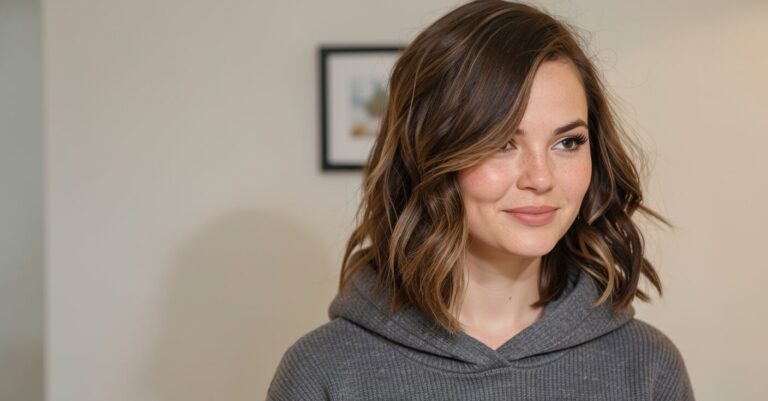
35 Gorgeous Peekaboo Highlights Highlights can be applied using so many different techniques, but they’re…
Highlights date back to ancient Greek and Roman women using saffron and lemon juice to lighten strands in the sun.
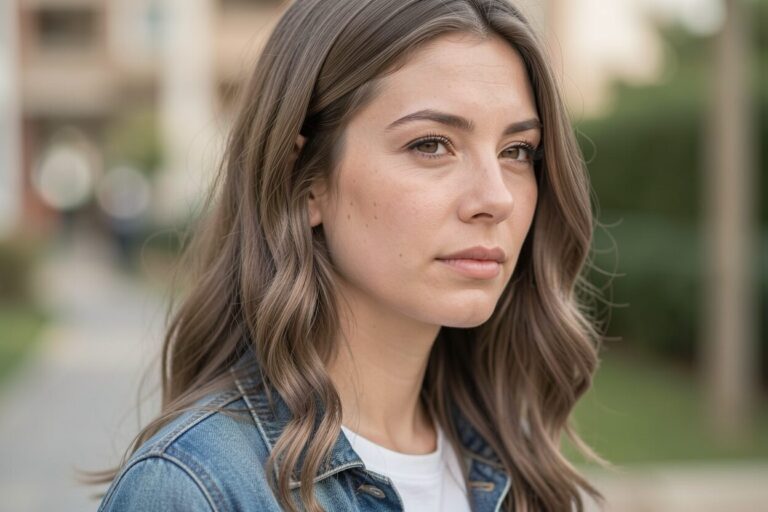
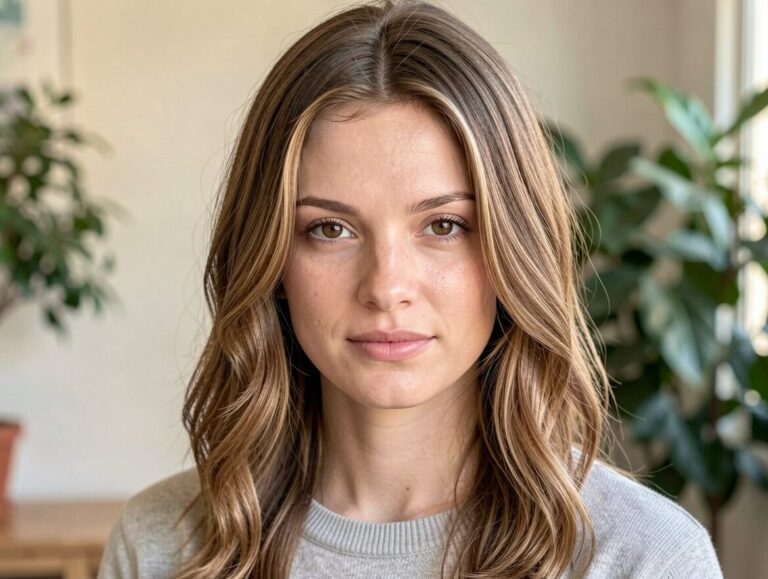

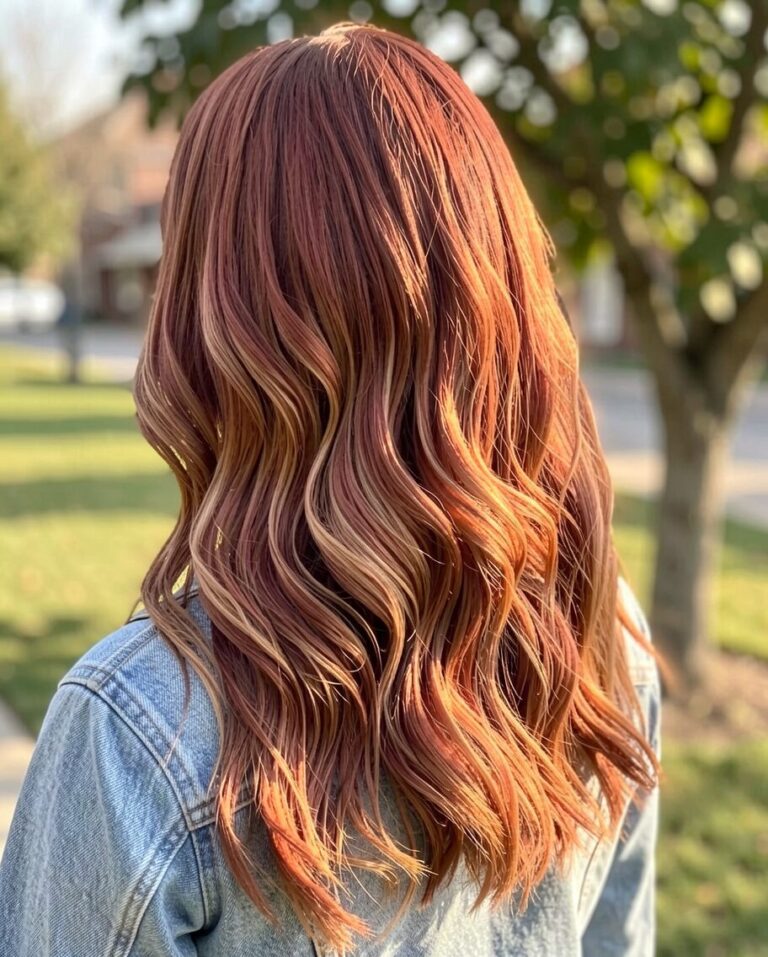
Highlights date back to ancient Greek and Roman women using saffron and lemon juice to lighten strands in the sun. The modern foil technique took off in the 1940s and has since branched into dozens of sub-techniques, from precise cap highlights to freehand painting methods like balayage and babylights. At its simplest, highlighting means lifting select strands lighter than your base color to add dimension, movement, and the illusion of thicker hair.
The technique and placement change based on what you're starting with. Fine, straight hair picks up highlights fast, sometimes in 15 minutes under foil. Coarse or resistant hair can need 45+ minutes of processing. On curly or wavy hair, a skilled colorist places highlights where the curl catches light, which looks completely different from a straight-hair placement. Face shape factors in too: chunky highlights around the face open up round features, while softer babylights blend into longer face shapes without adding width. If you spend a lot of time outdoors, know that highlighted hair shifts faster with sun and chlorine exposure.
The range of highlight styles is broad. Classic foil highlights give you that traditional salon-fresh dimension with controlled placement. Balayage highlights are hand-painted, so the color grows out naturally without a harsh root line. Most balayage clients get 4-5 months between appointments. For a subtle, lived-in effect, sombre keeps the contrast gentle. Peekaboo highlights place color underneath surface layers so the effect only appears with movement or updos, which is great if bold color is frowned upon at work. Caramel highlights work especially well on medium to dark brown bases, and color melt blends multiple shades without visible demarcation lines.
Traditional foil highlights need retouching every 6-8 weeks, running $120-250 per session depending on your market and how much hair gets foiled. Balayage stretches to 12-16 weeks because the grow-out is intentional. Between appointments, a sulfate-free shampoo and a purple or blue toning conditioner once a week prevents brassiness. Heat styling accelerates color fade, so use a heat protectant with UV filters every time. Budget roughly $50-80 per year on maintenance products.
Bring reference photos to your appointment showing the exact placement and tone you want. Specify whether you want face-framing pieces, all-over dimension, or concentrated lightness at the ends. Use the AI try-on tool to preview different highlight placements on your own face before committing.
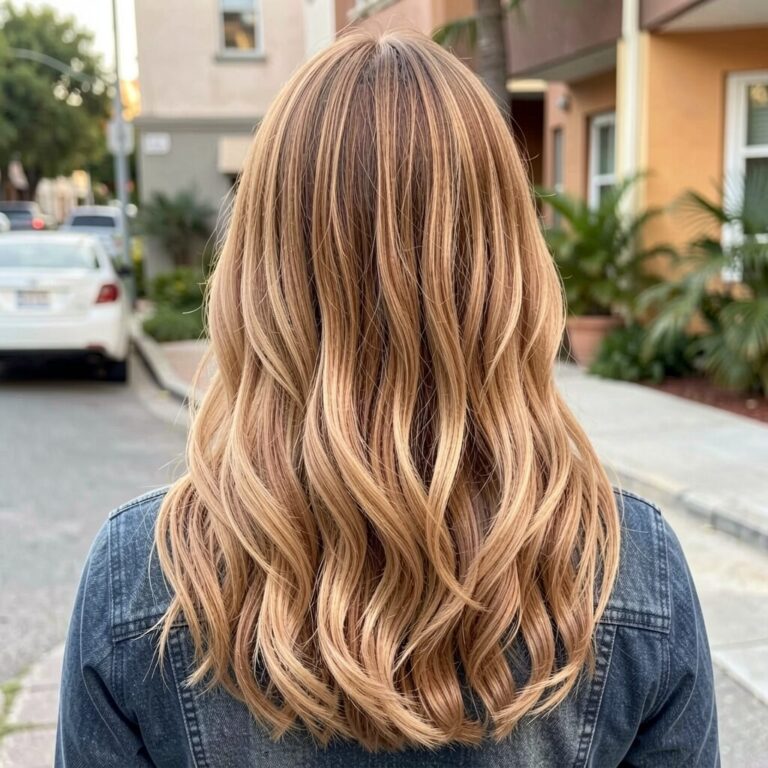
Covers the most-requested highlighting technique in salons right now with practical examples across multiple hair types and base colors.
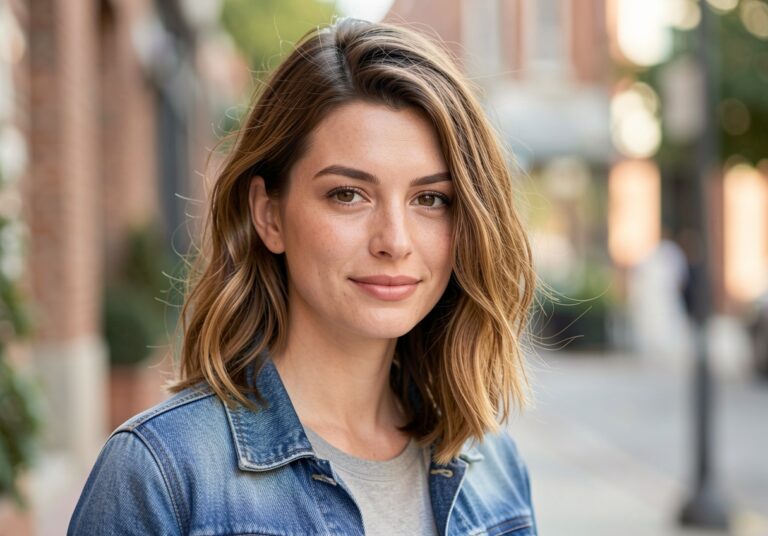
Essential reference for anyone with dark hair considering highlights — shows realistic results and addresses the specific challenges of lightening dark bases.

Clears up the single most common point of confusion clients bring to the salon chair, with side-by-side comparisons.
35 Gorgeous Peekaboo Highlights Highlights can be applied using so many different techniques, but they’re…
Little girl Hochsteckfrisuren have gone quite a lang way from how it was a few…
Beste Natürlich Frisuren for Schwarz Girls Natürlich Frisuren for Schwarz girls are a wonderful way…
35 Smokey Ash Brown Hair Color Looks Brown hair is usually split into two main…
45 Brown Hair with Blonde Highlights Looks If you’re a natural brunette, chances are at…
Short Brown Hair with Highlights Short hair is trending! Really though, whether you have short…
Red Hair with Blonde Highlights Calling all our beautiful redheads! Yep, we’re talking to you…

Sandy Blonde Hair Looks Sandy blonde is a great way to wear your lighter locks…
40 Different Types Of Braids Whether you’re looking for a trendig new way to wear…

30 Balayage Styles for Straight Hair In the past few years, the balayage style has…

Amazing Shades of Strawberry Blonde Hair Color Blondes really do have more fun! If you’re…

35 Different Shades of Blonde Hair Thinking of coloring your hair blonde? Or maybe you…
Blonde Balayage Highlights And Looks As the subtle, more sophisticated sister of ombre hair color,…

Golden Highlights and Rose Gold Highlights Looks One of THE hair color trends right now?…
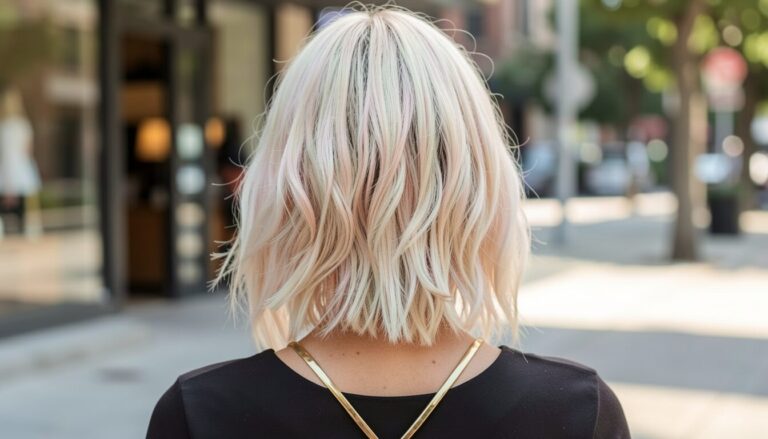
How to fix fried and bleached hair If you love wearing your hair in ultra…
25 Fantastisch Hochzeit Frisuren for Schwarz Frauen One of the biggest times in a Frau’s life…
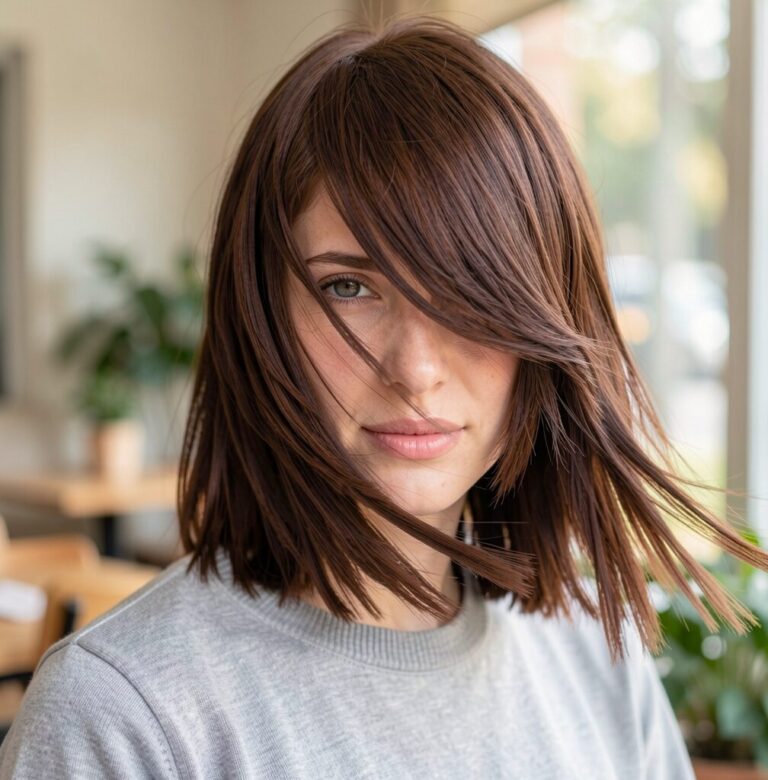
Mahogany Hair Color Ideas If you’re looking for a red hair color that’s got more…

35 Unicorn Hair Color Ideas The unicorn hair color trend has been around for a…

Peach Hair Trend Peach is the latest shade to be embraced by hair colorists and…

Strawberry Brown Hair Color Ideas One of the many beautiful aspects of hair color is…
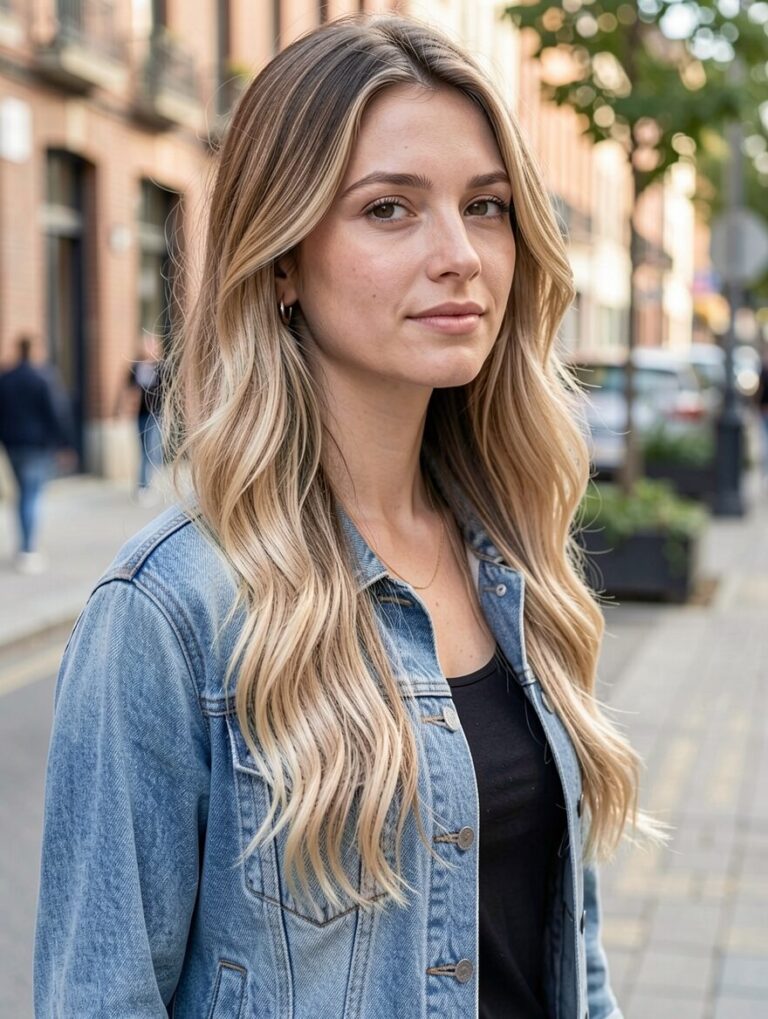
Ombre Hair Brown to Blonde Ombre became a popular hair coloring technique quite a few…

Ruby Red Hair Dye Color Ideas Want to make a RED HOT statement with your…
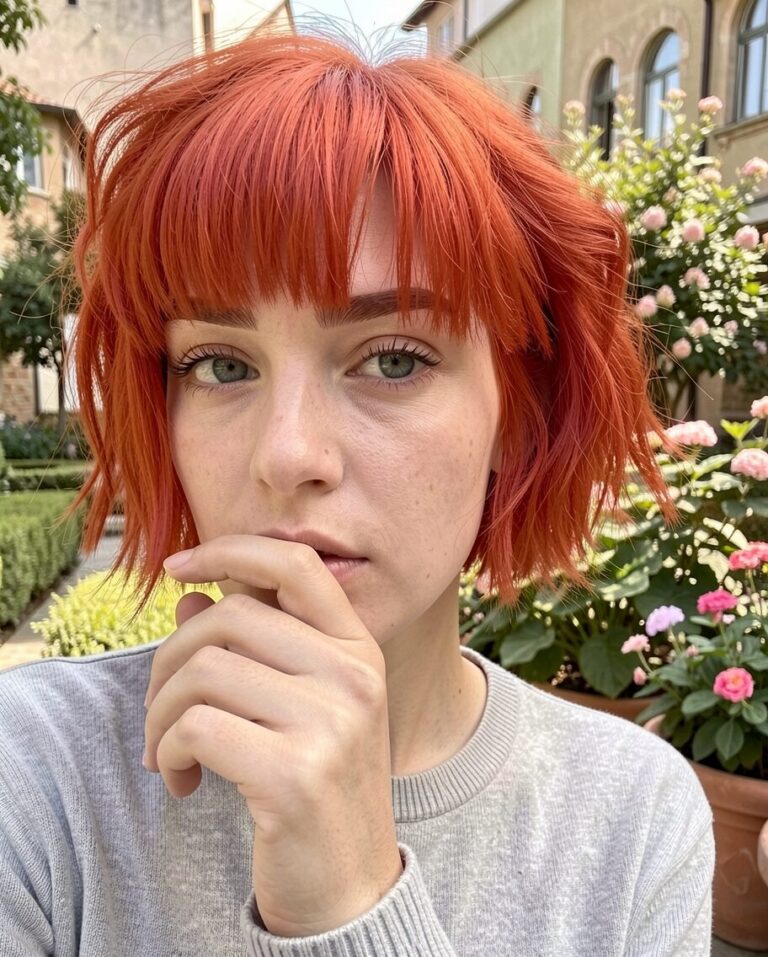
Short Red Hair Ideas Whether you currently have red hair or not, we know it…

Cinnamon Brown Hair Color Ideas Brown hair comes in many different tones, colors and aesthetics.…
A full head of foil highlights typically takes 2-3 hours including processing and toning. Partial highlights (face frame and top section only) run about 90 minutes. Balayage sessions take 2-2.5 hours because the hand-painting is more time-intensive. Add 30-45 minutes if you're going significantly lighter from a dark base, since the stylist may need to tone twice to neutralize brassiness.
All lightening causes some structural change to the hair shaft — the cuticle opens so the bleach can dissolve melanin. The severity depends on how many levels you're lifting, your starting condition, and the developer volume used. Going 2-3 shades lighter with 20-volume developer causes minimal damage. Lifting 5+ levels from dark brown to platinum will leave hair noticeably drier and more porous. Deep conditioning treatments every 2 weeks and Olaplex No. 3 between appointments help rebuild bonds.
Yes, but it takes longer and requires more skill. Dark bases need higher volume developer or longer processing times, which increases damage potential. A good colorist will do a strand test first. Expect warm undertones (orange or gold) during the first lift — that's chemistry, not a mistake. Toner corrects it. For very dark hair, techniques like balayage or money pieces look more natural than full foil highlights because the contrast is gradual rather than stripy.
Highlights use foils to isolate and lighten precise sections, creating uniform, evenly spaced lightness. Balayage is freehand painting where the colorist sweeps lightener onto the surface of hair sections without foils, creating a softer, sun-kissed gradient. Highlights give more dramatic contrast and a cleaner look. Balayage gives a more natural, grown-out effect. Many stylists now combine both — foiling the roots for brightness and painting the ends for a smooth blend.
Brassiness happens because the underlying warm pigment (yellow-orange) in your hair shows through as the cool toner fades. Use a purple shampoo once a week for blonde highlights, or a blue shampoo for highlighted brown hair. Avoid hot water when washing — it opens the cuticle and strips toner faster. Ask your stylist for a gloss or toner refresh at the 4-6 week mark (usually $30-50) to extend the cool tone between full highlight appointments.