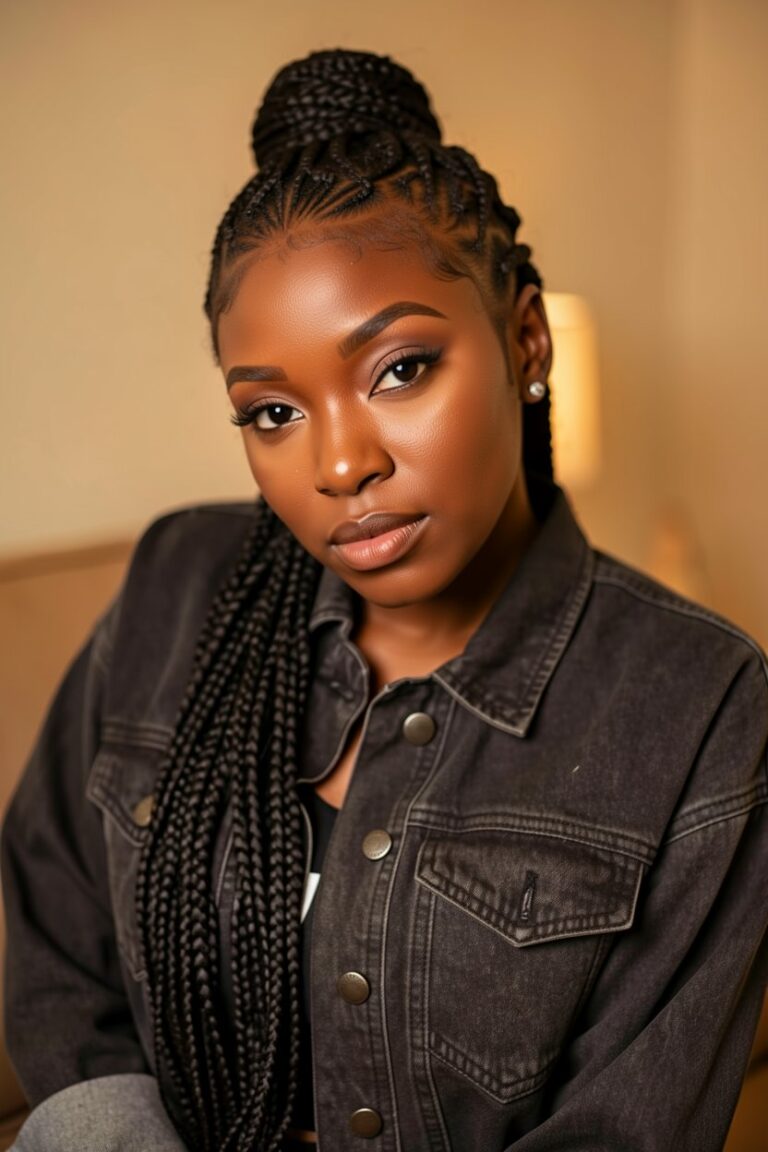
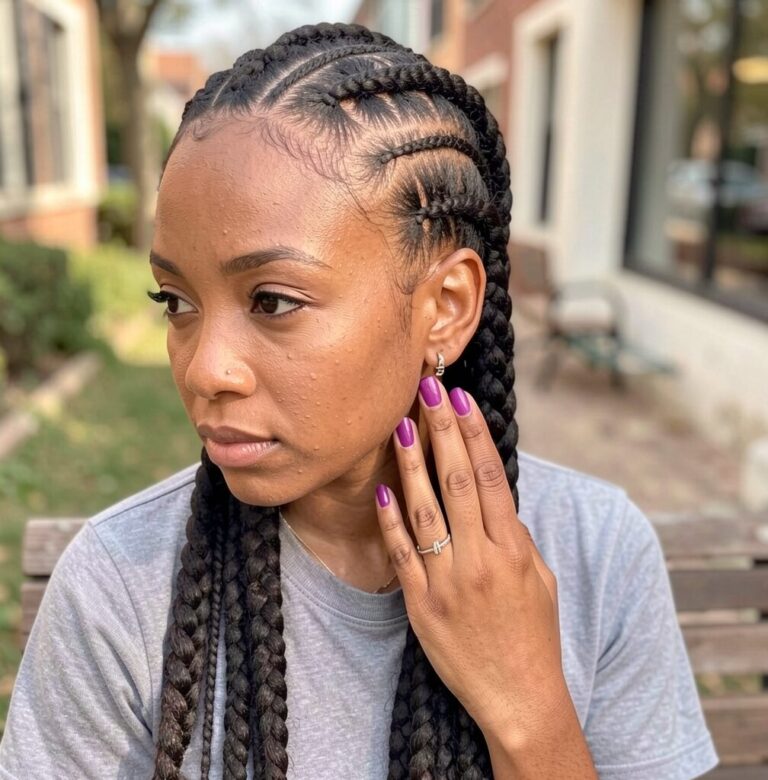
35 Feed In Braids Hairstyles For Natural Hair
Feed In Braid Styles Looking for new cornrow styles to revamp your hair game this…
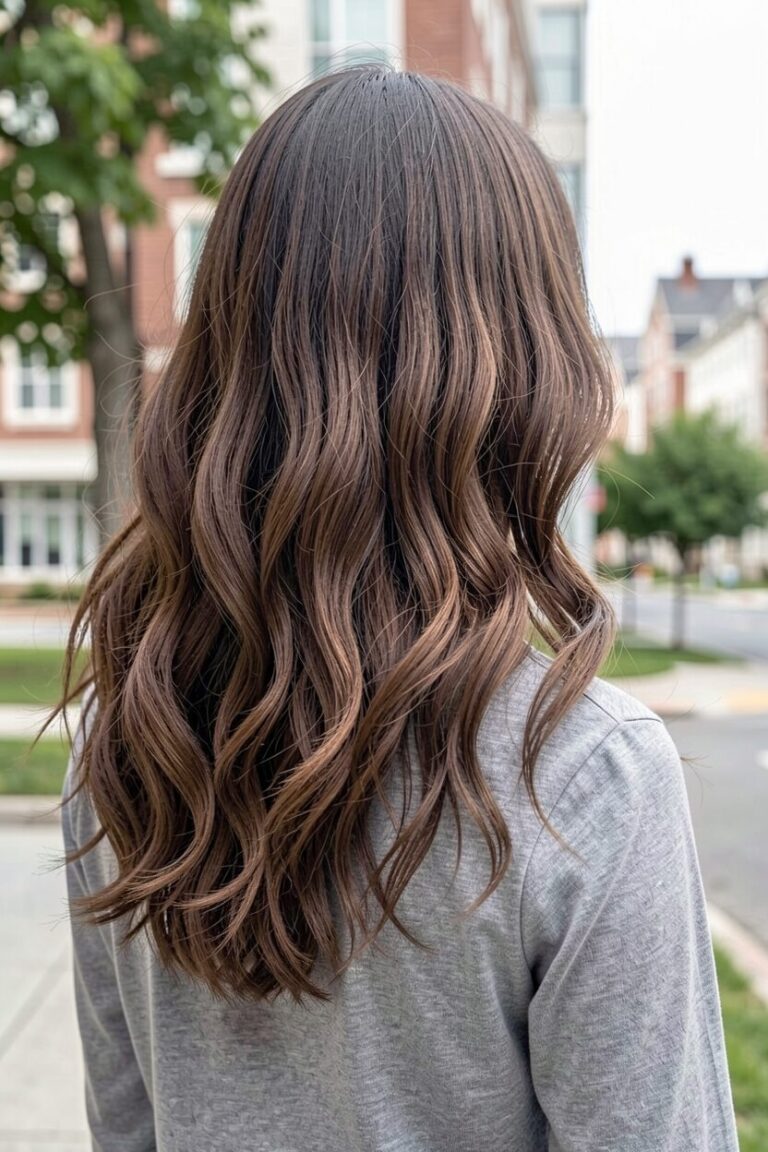
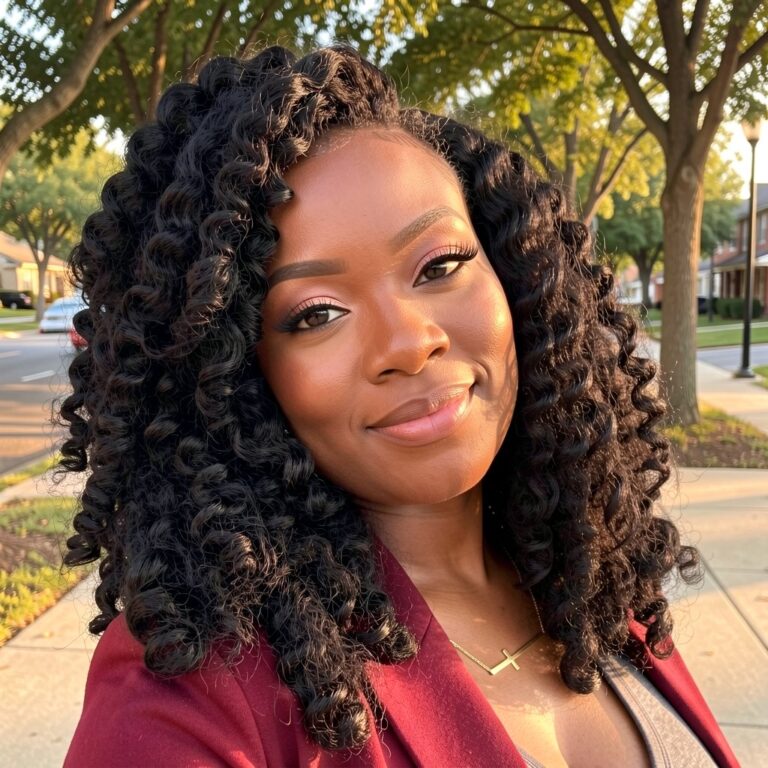
Weave hair refers to any style where extension hair is sewn, bonded, clipped, or glued to your natural hair or a cap to add length, volume, or a different texture.
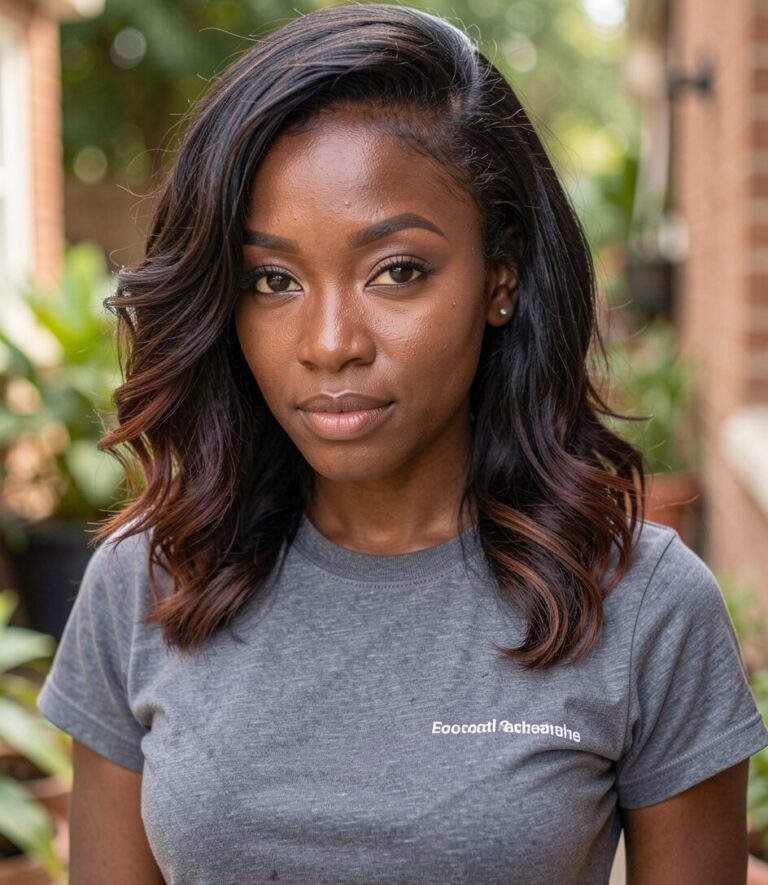
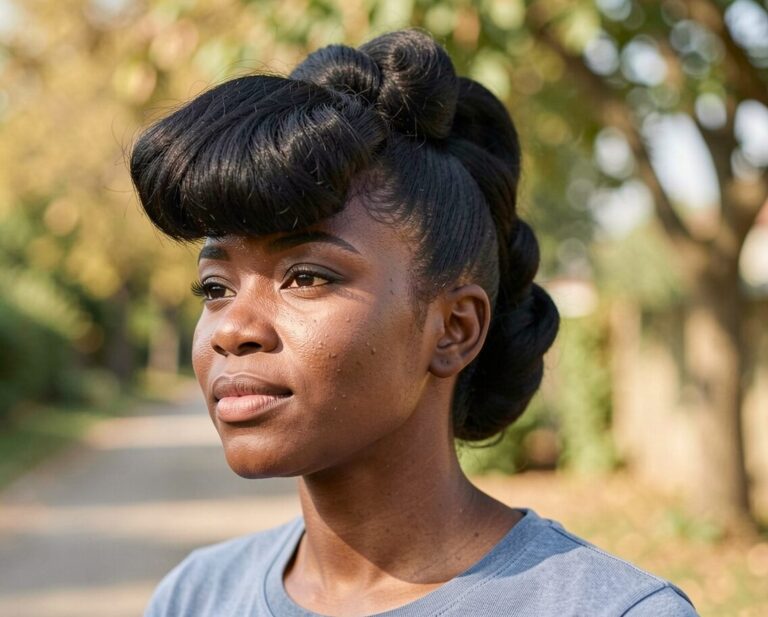


Weave hair refers to any style where extension hair is sewn, bonded, clipped, or glued to your natural hair or a cap to add length, volume, or a different texture. The technique has roots in the Black hair community going back decades, but weaves are now worn by women across every background. The core appeal is flexibility: you can have waist-length curls on Monday and a sleek bob on Friday without changing a single thing about your actual hair underneath.
The installation method matters based on your natural hair type and density. Sew-in weaves — where wefts are stitched onto cornrowed natural hair — require enough hair to braid down flat. Quick weaves use a protective cap and bonding glue for faster installation and work even on shorter hair. Clip-in extensions need zero commitment and can be applied in minutes, making them ideal for event-day length. Fusion and tape-in methods suit fine to medium textures well because they distribute weight more evenly.
Quick Weave Hairstyles walks through the fastest method — a protective cap, bonding adhesive, and wefts applied in under 2 hours, lasting 3-4 weeks. Braid Hairstyles With Weave shows how braiding and weave combine for styles neither technique achieves alone. Hairstyles with Extensions covers the broader extension world including tape-ins, fusion, and halo extensions. Clip in Hair Extension for Short Hair addresses blending clip-ins with shorter natural hair. Hair Tinsel Extensions adds thin metallic strands for shimmer.
A professional sew-in runs $150-$400 for installation plus $50-$300 for the hair itself, lasting 6-8 weeks. Quick weaves cost $60-$150 and last 3-4 weeks. Clip-ins are a one-time purchase of $100-$350 for quality human hair lasting 6-12 months with care. Wash your natural hair beneath the weave every 10-14 days — skipping this leads to buildup, dryness, and breakage you only notice at removal. Try different lengths and textures on your own face with the AI try-on tool before purchasing hair — buying the wrong texture is an expensive lesson.
The fastest and most affordable entry into weave hair — covers the technique, styling options, and care tips for the cap-and-glue method.
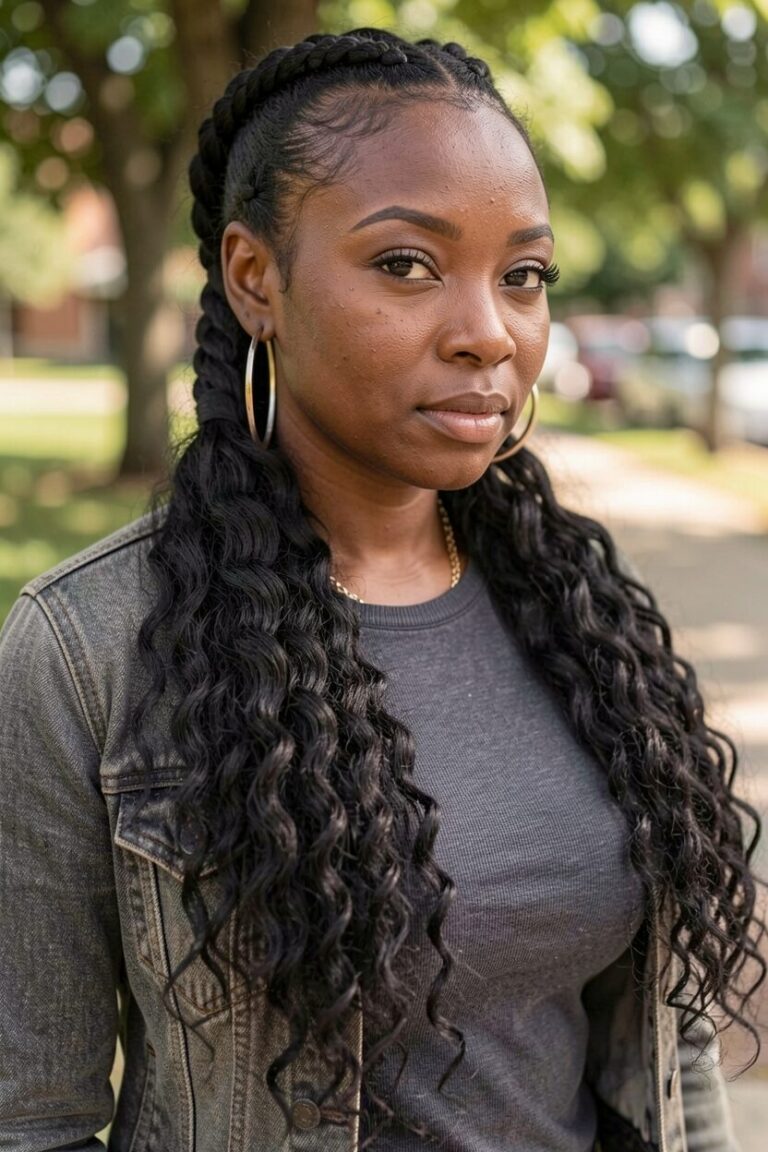
Shows the creative intersection where braiding and extensions combine for hybrid styles that look more complex than either technique alone.

The zero-commitment option — covers how to blend clip-in extensions when you have shorter natural hair, including weft placement and layering strategies.
Feed In Braid Styles Looking for new cornrow styles to revamp your hair game this…
Quick Weave Hairstyles For Black Women There are so many different weave styles that have…
25 Updo Hairstyles For Black Women | Black Hair Updos Inspiration Wearing your hair up can…
Tinsel Hair Extensions With party season and Christmas fast approaching, many of us are looking…
Hairstyles with Clip In Extensions Extensions are one of the beauty wonders of the world,…

30 Bob Hairstyles for Black Women Have you ever heard the saying “once a woman…
Braids with Weave Weave hairstyles don’t have to be only about wavy and straight. Braids…
Clip in Extensions for Short Hair Guide If you have short hair, but sometimes wish…
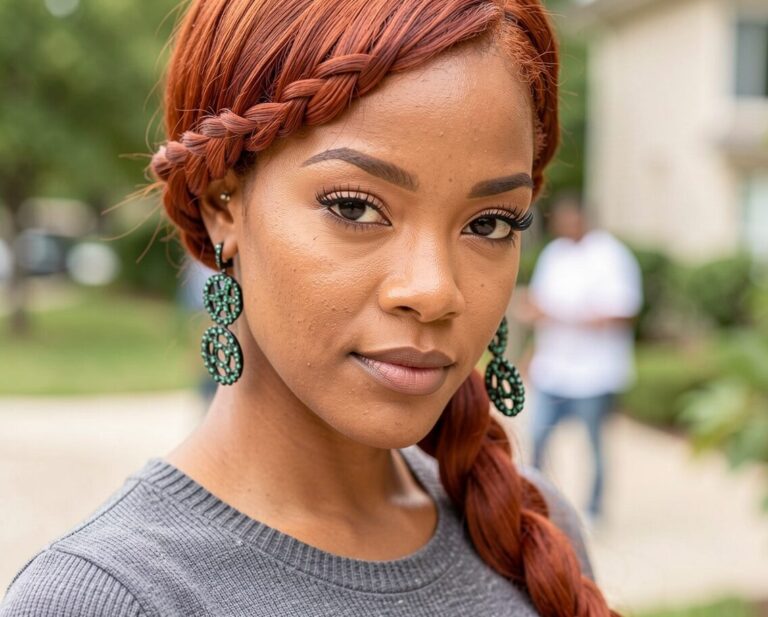
Top 30 Goddess Braids Styles An incredibly versatile style, Goddess braids are like cornrows, but…
A properly installed sew-in weave lasts 6-8 weeks. Around week 5, you'll notice your cornrow base lifting roughly half an inch from the scalp as your natural hair grows out. By week 7-8, the braids loosen noticeably and the weft tracks start shifting during sleep. Leaving a sew-in past 8 weeks causes matting—tangled clumps that form between the braids and your natural growth, often requiring 45-60 minutes of careful detangling during removal. Between installs, give your natural hair 1-2 weeks of rest with deep conditioning treatments.
A sew-in weave is stitched with a curved needle and nylon thread onto cornrow braids, taking 3-5 hours to install and costing $150-$350. A quick weave uses a protective stocking cap over your flattened hair, with weft tracks bonded using liquid or spray adhesive like Got2b Glued. Quick weaves take 1-2 hours and cost $60-$150. Sew-ins last 6-8 weeks; quick weaves last 3-4 weeks. The key difference: no adhesive touches your hair with sew-ins, so removal is safer. Quick weave removal requires bond-dissolving oil to prevent edge damage.
Yes, primarily through traction alopecia caused by tight cornrow braids underneath the weave. The earliest warning sign is tenderness along your hairline during installation—if it hurts, the braids are too tight and should be redone immediately. Heavy weft bundles (anything over 3.5 oz per bundle) add pulling force that thin edges cannot sustain. To protect your hair: limit installations to 6-8 weeks, take 2-week breaks between installs, use edge-protecting products like Jamaican Black Castor Oil on temples nightly, and avoid glue-based methods entirely along your hairline.
Fill a nozzle-tip applicator bottle with diluted sulfate-free shampoo (one part shampoo to three parts water). Part the weft tracks gently, apply directly to your scalp in zigzag motions, and massage in small circles with your fingertips for 30-60 seconds per section. Rinse by angling your head under the shower stream—let water flow through naturally. Never scrub or lift wefts upward. Follow with a lightweight leave-in conditioner applied only to the exposed scalp and natural hair. Wash every 10-14 days. Air dry completely, which takes 3-5 hours—trapped moisture underneath causes mildew odor and fungal buildup.
Human hair (especially unprocessed virgin Remy) feels silky, moves naturally with head turns, handles flat irons and curling wands up to 450°F, and lasts 6-12 months with proper care. A single bundle runs $80-$300 depending on origin—Brazilian and Peruvian hair tend toward the higher end. Synthetic hair costs $15-$50 per bundle, arrives pre-styled, and works well for quick weaves and 2-4 week looks. Synthetic fibers melt above 300°F and develop a waxy, tangled texture after 3-4 weeks of wear. For daily-wear sew-ins, human hair is worth the investment. For a weekend event or trial style, synthetic is practical.
A weave hairstyle uses hair extensions (wefts) attached to your natural hair to add length, volume, or a completely different texture. The most common method is a sew-in, where your natural hair is cornrowed flat against your scalp and weft tracks are stitched onto those braids with a needle and thread. Other attachment methods include bonding (glue), fusion (keratin-tipped strands), and clip-ins. Weave hairstyles range from long straight installations to curly bobs and everything between. Installation costs run $150-$400 for sew-ins, with the hair itself costing $50-$300+ per bundle depending on quality.
Braid your natural hair into flat cornrows or slick it down with gel. Place a mesh weaving cap over your head and secure it with bobby pins. Cut your weft tracks to size, apply bonding glue (Got2b Glued Blasting Freeze Spray works well) to the weft strip, and press it onto the cap starting from the nape and working upward. Leave 1-2 inches of space near your hairline for a natural-looking leave-out, or use a lace closure piece at the top. The whole process takes 1-2 hours. Expect the style to last 3-4 weeks before the adhesive weakens.
You can do a clip-in weave or a quick weave at home with practice. Clip-ins require zero professional skill—snap the weft clips onto sections of your own hair near the roots, blend, and style. A DIY quick weave needs a weaving cap, bonding spray, and pre-cut weft tracks, costing roughly $30-$80 in supplies. Sew-in weaves are much harder to self-install because stitching the back of your head requires visibility and both hands. Most self-install attempts result in uneven tension and loose tracks.
Install your sew-in or quick weave first, making sure weft tracks are secure and lie flat. Use sharp hair-cutting shears—never household scissors, which create jagged split ends. Start by cutting the weave 2 inches longer than your desired final length. For a blunt bob, comb hair straight down and cut in a clean horizontal line at jaw or chin level. For an angled bob, cut the back shorter (around the nape) and angle downward toward the front, leaving pieces 1-2 inches longer near the chin. Check symmetry by pulling both sides forward.
Short quick weaves look best as pixie cuts, tapered bobs, or finger-wave styles. After installation, use a flat iron on low heat (300-330°F) to shape the hair close to your head, working in small sections from nape to crown. For a textured pixie look, apply a light-hold mousse and scrunch with your fingers, then pin curls overnight for defined waves. For a sleek cropped style, use edge control gel along the hairline and wrap the hair flat with a satin scarf for 20 minutes.