
Copper Hair Color: Every Shade, Who It Suits, and How to Keep It
Copper has been one of the most sought-after hair colors in recent years. Unlike platinum or jet black, copper sits in this unusual sweet spot: warm enough to feel bold, natural enough to not look costumey. If you want something even richer, burgundy hair color pushes further into the red-violet spectrum. It flatters more skin tones than most people expect. And when done right, it has a lit-from-within quality that makes people ask what you changed before they can pinpoint it.
The catch? Copper fades fast. And picking the wrong shade for your complexion can leave you looking washed out instead of radiant. This guide covers every shade in the copper family, how to match one to your skin tone, what to expect during coloring, and how to keep it vibrant.
Copper fades faster than almost any other hair color because the red-orange pigment molecules are the largest and the first to wash out. Use a color-depositing conditioner with copper tones once a week to maintain vibrancy.
Why Copper Is Having a Moment
Copper isn’t new. Nicole Kidman and Julianne Moore made it their signature in the ’90s. What’s different now is the range. The copper family has expanded from one or two recognizable shades into a full spectrum that works on virtually every complexion and hair texture.
The broader shift toward warm tones helped. After years of ashy, cool-toned everything, warmth came back hard around 2023. Copper was perfectly positioned. Zendaya, Sydney Sweeney, and Madelaine Petsch all wore variations that spread across social media. Salon searches for “copper hair” jumped over 30% year-over-year and stayed elevated.
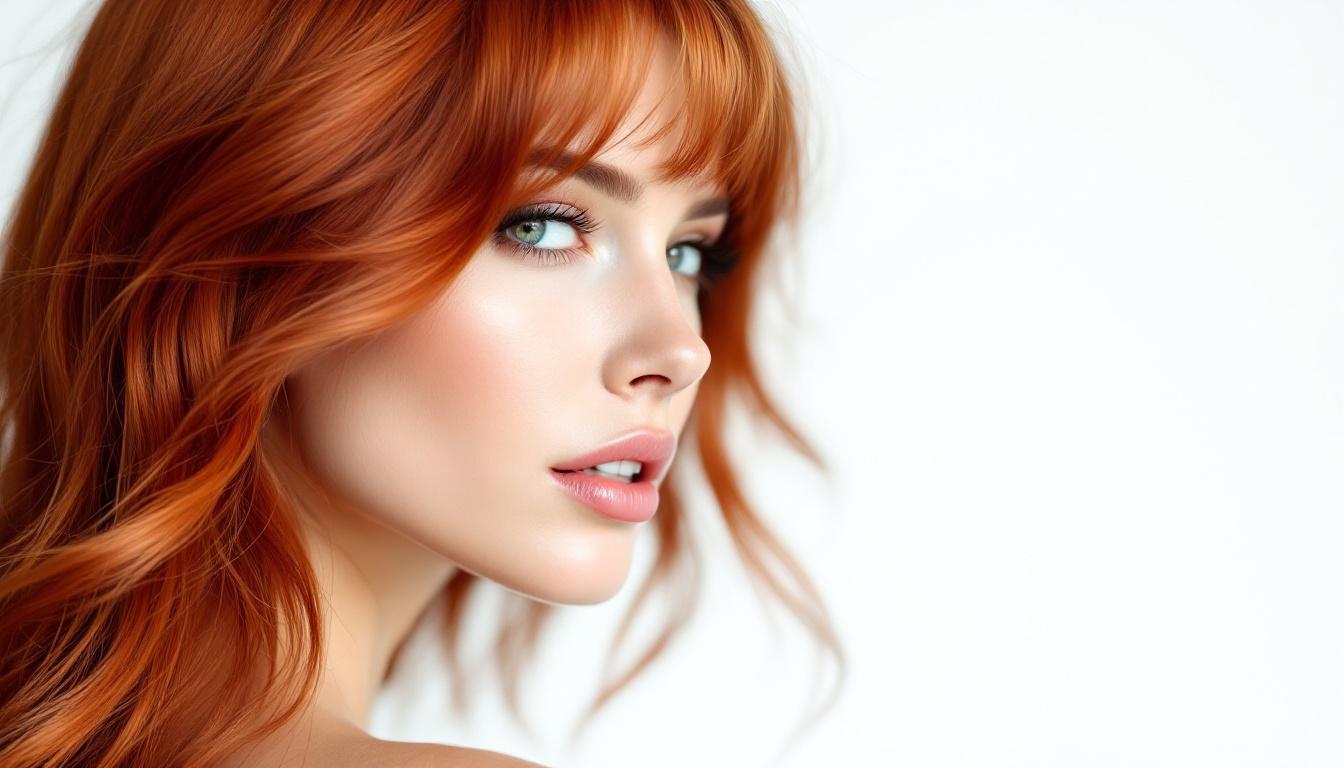
But trends alone don’t explain a three-year run. Copper has staying power because it genuinely works. It adds dimension to fine hair, richness to thick hair, and warmth to skin tones that look flat under ashy colors. It photographs well. And it doesn’t demand a wardrobe overhaul. Copper plays well with earth tones, neutrals, greens, and blues you probably already own.
The Copper Shade Spectrum
“Copper” is not one color. It’s a family ranging from barely-there pink gold to deep, almost-mahogany brown. The shade you choose depends on your natural hair color, your skin tone, and how much maintenance you’re willing to commit to.
Strawberry Copper
The lightest in the family. Strawberry copper blends golden blonde with soft pink and orange tones. Think a copper penny left in the sun for a year. It’s delicate, almost ethereal, and reads more “enhanced natural redhead” than “I dyed my hair copper.”
Natural redheads make up only about 2% of the world population, but “copper” is consistently the most searched non-natural hair color on Google, surpassing platinum blonde in 2024.
Best on: Fair to light skin with warm or neutral undertones. If you have freckles, this shade makes them look intentional and gorgeous. Natural blondes and light brunettes have the easiest path to this shade because it requires minimal lifting.
If you have warm undertones in your skin (yellow, peach, golden), copper will complement you naturally. Cool undertones (pink, blue) pair better with auburn copper rather than bright orange copper.
Light Copper (Bright Copper)
This is what most people picture when they hear “copper hair color.” Vivid, unmistakable orange-red with metallic warmth. The classic copper penny. It catches light like no other shade in this family and looks electric in direct sunlight.
Best on: Light to medium skin with warm undertones. Also striking on olive-toned medium skin. This is the highest-maintenance shade because it’s the most vibrant, which means fading is most visible.
Auburn Copper
Deeper and more red-leaning than bright copper. Auburn copper pulls in true red and brown tones, creating a shade that feels sophisticated rather than fiery. Think autumn leaves before they turn brown.
Best on: Medium skin with warm or cool undertones. This is where copper starts working for people who assumed it couldn’t. The depth and red tones complement cooler complexions that look off under brighter coppers. Also one of the most wearable shades in professional settings.
Dark Copper
Rich brown with strong copper undertones. Dark copper doesn’t scream “red” from across the room. It reveals itself in layers, catching light as warm, coppery glints within a brunette base. Brown hair with a secret.
Best on: Medium to deep skin tones. The deep base prevents the jarring contrast that happens when light copper sits against darker complexions. On deep skin, it creates a warm, multidimensional effect that looks expensive.
Copper Brown
The most subtle option. Fundamentally brunette with warm copper reflects woven through it. In dim light, it reads as rich brown. In sunlight, the copper comes alive.
Best on: Virtually anyone, but particularly stunning on deep skin tones where it adds warmth without competing with the complexion. Also the lowest-maintenance shade because the brunette base disguises fading.
Matching Copper to Your Skin Tone
The shade spectrum above gives general guidance, but let’s get specific about undertones. This is the part most people skip, and it’s the part that matters most.
Find Your Undertone First
Look at the veins on the inside of your wrist in natural light. Blue or purple veins suggest cool undertones. Green veins suggest warm. A mix of both means neutral. Another tell: gold jewelry looks more natural on warm skin, silver on cool. Both work equally on neutral.
Warm Undertones
You hit the copper jackpot. Almost every shade will complement your skin. The copper enhances the golden, peachy, or yellow tones already there. Light copper, bright copper, and strawberry copper look particularly harmonious.
Cool Undertones
Copper can still work, but shade selection matters more. Bright coppers can clash with pink or blue-toned skin. Lean toward auburn copper or dark copper, where the deeper, red-brown tones bridge the gap between cool skin and warm hair. The contrast looks beautiful when the shade has enough depth.
Neutral Undertones
The entire copper spectrum is open to you. Neutral skin balances comfortably with any copper shade.
By Skin Depth
Fair skin: Light copper and strawberry copper create a soft, natural effect. Bright copper works but reads bolder.
Medium skin: Bright copper’s sweet spot. Auburn also looks incredible. Widest range of flattering options.
Deep skin: Dark copper and copper brown are stunning. Some deeper-skinned people with warm undertones also pull off bright copper. Don’t rule it out without trying.
Copper is having a massive resurgence right now, but it was the most popular hair color in Renaissance-era Europe. Queen Elizabeth I made it a status symbol, and women used saffron and sulfur to achieve it.
See how different hairstyles look on you — upload your photo and try any style with our AI tool.
Try HairStyleMojo Free →How to Get Copper
Your starting point determines the difficulty level.
Starting from Blonde or Light Brown
The easiest path. Your hair is already light enough to accept copper without heavy lifting. A demi-permanent or semi-permanent can be applied directly. One session, minimal damage. Many blondes can achieve light copper with an at-home semi-permanent product.
Starting from Medium Brown
You’ll need some lifting, but nothing extreme. A single salon session with permanent color or a light bleach-and-tone usually handles it. Expect 2 to 3 hours.
Starting from Dark Brown or Black
Dark hair needs significant lightening before copper pigment can take hold. Skipping the lift and just applying copper over dark hair gives you… dark hair with a slight warmth in direct sunlight. Not what you’re after.
Plan for at least two salon sessions. The first lifts your natural color. The second deposits the copper tone. Trying to do it all at once risks damage and unpredictable results.
Starting from Previously Colored Hair
This is the wild card. Old box-dye black is notoriously difficult to lift. Previous fashion colors (blue, green, purple) can create muddy undertones when mixed with copper. Red tones from a past job might actually help. You need an in-person consultation. Show them what you want, let them assess your hair history, and get a realistic plan.
DIY Copper
Semi-permanent color is the safest entry point for at-home experimentation. It deposits color without lifting your natural shade, so you can test-drive copper with minimal commitment. It fades over 4 to 8 washes, so if you hate it, you’re not stuck.
Brands that do copper semi-permanents well: Overtone Ginger, dpHUE Gloss+ in Copper, Moroccanoil Color Depositing Mask in Copper, and Keracolor Clenditioner in Copper. For permanent results, go to a professional.
Ask your stylist for a gloss refresh between full color appointments. A copper gloss takes 15 minutes, costs a fraction of a full service, and revives the vibrancy for another 4-6 weeks.
The Fading Problem
Copper fades faster than almost any other shade. This isn’t a flaw in the formula or a sign of a bad colorist. It’s physics.
Red and copper pigment molecules are larger than other color molecules. They don’t penetrate as deeply into the hair cortex and sit closer to the cuticle surface, which means they wash out faster. Every shampoo, every swim, every sun session pulls those molecules out.
Expect noticeable fading within 2 to 3 weeks. Bright copper fades fastest. The typical pattern: bright copper to warm gold to brassy blonde. Auburn copper fades to a muted reddish brown. Dark copper holds up longest because the deeper base disguises pigment loss.
This is not a “set it and forget it” color. If that bothers you, copper brown or dark copper will be less frustrating than bright copper.
How to Maintain Copper
Copper demands more aftercare than most colors. But the routine isn’t complicated once you know the rules.
Color-depositing conditioner, once or twice a week. The single most effective thing you can do. Products like Overtone Ginger, dpHUE Gloss+ Copper, or Keracolor Copper deposit pigment each use. They won’t replace a full color appointment, but they extend the time between them by weeks.
Sulfate-free shampoo, always. Sulfates strip color aggressively. Switch to a sulfate-free formula. This applies to all color-treated hair, but it’s especially critical for copper.
Cold water rinses. Hot water opens the cuticle and lets pigment escape. Rinse with the coldest water you can stand. You don’t need to shampoo in cold water. Just do the final rinse cold.
UV protection. Sun breaks down color molecules. Use a UV-protecting spray or serum if you spend time outdoors.
Avoid chlorine. Chlorine can shift copper toward green. If you swim, wet your hair with clean water and apply conditioner before getting in the pool. Pre-saturated hair absorbs less chlorinated water.
Do NOT use purple shampoo. This is a common mistake. Purple shampoo neutralizes warm, brassy tones. You paid good money for those warm tones. It will dull and muddy your copper. Use a copper-specific product instead.
Using purple or blue-toned shampoos on copper hair is a common blunder. These cool-toned products are designed for blondes and will neutralize the warm pigment in your copper, turning it muddy and dull.
Gloss treatments between appointments. A copper-toned gloss at the salon (or a glaze at home) refreshes shine and deposits a thin layer of color. Every 4 to 6 weeks keeps copper looking fresh without the expense of a full recolor.
At-Home vs Salon
Go at-home if: You have light hair and want to experiment with semi-permanent copper. The stakes are low. If you don’t love it, it washes out.
Go to a salon if: Your hair is dark and needs lifting. Permanent copper on dark hair is not a DIY project. The bleaching process requires skill to avoid damage, banding, or uneven results. A professional can also custom-mix a shade tailored to your skin tone.
Always go to a salon if: Something went wrong. Color correction is complex, and attempting to fix a bad copper job at home almost always makes it worse. The cost stings, but it’s cheaper than destroying your hair.
Key Takeaways
- Copper hair color spans a wide spectrum from strawberry copper (lightest) to copper brown (most subtle).
- Warm undertones work with nearly every copper shade. Cool undertones look best with auburn and dark copper.
- The lighter and brighter the copper, the faster it fades. Plan your maintenance accordingly.
- Color-depositing conditioner is the single best tool for extending copper between appointments.
- Never use purple shampoo on copper. It kills the warmth you’re paying for.
- Semi-permanent color is the safest way to try copper at home, especially on lighter hair.
- Dark hair needs professional lifting before copper can take hold. Don’t DIY this part.
Frequently Asked Questions
Expect noticeable fading within 2 to 3 weeks. Brighter shades fade faster, and higher-porosity hair releases color faster. With color-depositing conditioners and sulfate-free products, you can extend vibrancy to 4 to 6 weeks between appointments.
Yes. Dark copper and copper brown look particularly stunning on deep skin tones because the rich base adds warmth without creating an unnatural contrast. Some people with deep skin and warm undertones also wear bright copper beautifully. The key is matching the depth of the copper shade to your complexion. A colorist experienced with deeper skin tones can help you find the right shade.
Depends on your starting color. Blondes and light brunettes can go copper with a demi-permanent or direct dye and no bleach. Medium brunettes may need a light lift. But dark brown or black hair needs bleaching for copper tones to show. Without lifting, the pigment can’t compete with your dark natural melanin.
Copper tends to have a brightening, youth-enhancing effect on most complexions. Warm tones bring color to the face and make skin look more vibrant. A mismatched copper (too bright on cool skin, for example) can make skin appear sallow. But when the shade is right, copper is one of the most flattering color families at any age.
Expect $100 to $250 for a single-process copper on hair that doesn’t need lifting. Going from dark hair with a bleach-and-tone process runs $200 to $400 or more, potentially across two appointments. Touch-ups every 6 to 8 weeks cost $80 to $150 on average. Prices vary by city, salon tier, and hair length.
Sources & References
- Morel, O. J. X., & Christie, R. M. (2011). “Current trends in the chemistry of permanent hair dyeing.” Chemical Reviews, 111(4), 2537–2561. Comprehensive review of oxidative dye chemistry, pigment molecule behavior, and color longevity mechanisms in permanent hair color.
- Bolduc, C., & Shapiro, J. (2001). “Hair care products: waving, straightening, conditioning, and coloring.” Clinics in Dermatology, 19(4), 431–436. Reviews the effects of permanent and semi-permanent dye chemistry on hair cuticle structure and color retention.
- Gavazzoni Dias, M. F. R. (2015). “Hair cosmetics: an overview.” International Journal of Trichology, 7(1), 2–15. Open-access review of hair dye formulations including semi-permanent color, wash-out rates, and cuticle interaction.
- Robbins, C. R. (2012). Chemical and Physical Behavior of Human Hair (5th ed.). Springer-Verlag. Authoritative reference on hair porosity, cuticle permeability, and how pigment molecules penetrate and exit the cortex during and after coloring.
- American Academy of Dermatology. “Hair Dye and Hair Relaxers.” Clinical guidance on allergic reactions to hair dye, patch testing protocols, and managing sensitivity to oxidative dye ingredients.
See also: Ombre Hair Brown to Blonde Color Ideas
Try different hairstyles on yourself
Upload your photo and see how any hairstyle looks on you before committing.
Try HairStyleMojo Free