Texture et Type de Cheveux Hairstyles
Your hair texture isn't just a detail - it's the single biggest factor in what styles will actually work on you day-to-day.



How to Use This Hub
Start with a subcategory below. Each section groups styles with similar maintenance, length behavior, and finish so you can compare quickly.
Coiffures Cheveux Fins
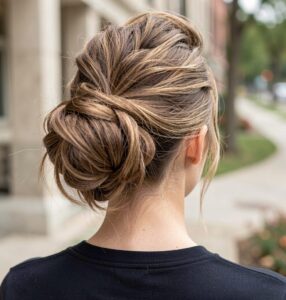
29 stylesThin hair gets a bad reputation, but the reality is that fine strands are some of the most responsive hair to work…
Coiffures Cheveux Bouclu00e9s
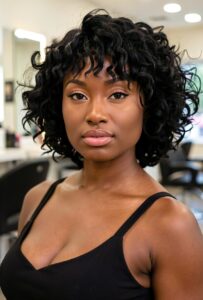
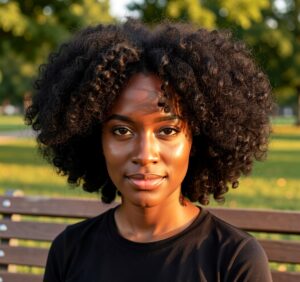
16 stylesCurly hair is not one thing.
Coiffures Naturelles
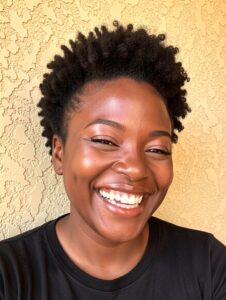
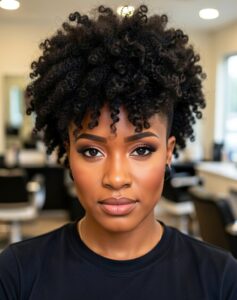
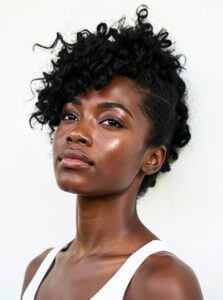
11 stylesNatural hair refers to hair that hasn't been chemically altered with relaxers, texturizers, or permanent straighteners, worn in its true texture.
Coiffures Cheveux Lisses
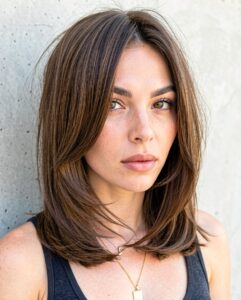
4 stylesThe key thing most people misunderstand about straight hair is that it is not one thing.
Your hair texture isn't just a detail - it's the single biggest factor in what styles will actually work on you day-to-day. A hairstyle that looks incredible on straight, silky hair can be a complete disaster on 4C coils, and vice versa. Working WITH your texture instead of fighting it is the difference between a 5-minute morning and a 45-minute battle with a flat iron.
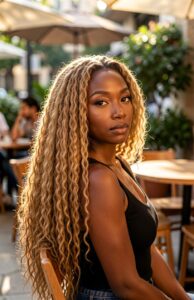
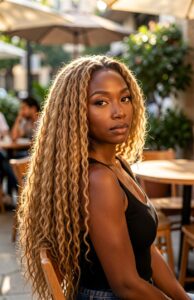
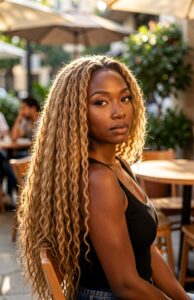
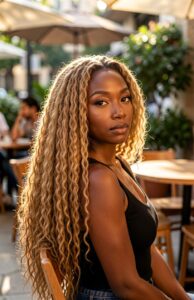
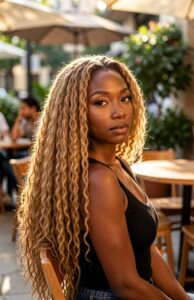
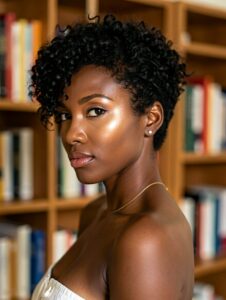
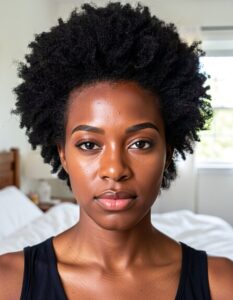
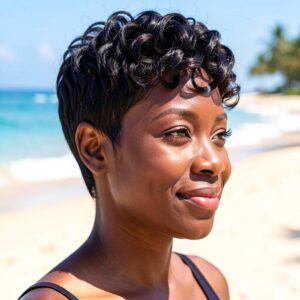
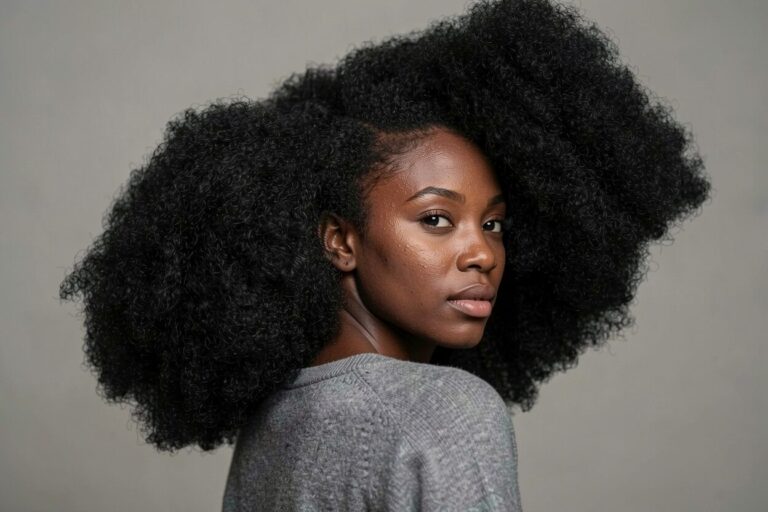
Curly and coily hair (types 3A through 4C) has built-in volume and shape that straight hair can only dream of. The tradeoff is moisture - curly hair is naturally drier because the oils from your scalp can't travel down the twists and bends of the strand the way they slide down straight hair. Deep conditioning every 1-2 weeks isn't optional, it's structural maintenance. A good leave-in conditioner ($10-$20) and a curl-defining cream ($12-$25) are baseline, not luxury. Shrinkage is real: 4C hair can shrink up to 75% of its actual length when dry.
Naturally straight hair (type 1) holds blunt cuts and sleek styles beautifully but can look lifeless without texture. If your straight hair goes flat by noon, layers and texturizing are your best friends. Lightweight volumizing powder ($10-$15) at the roots adds grip and lift without visible product.
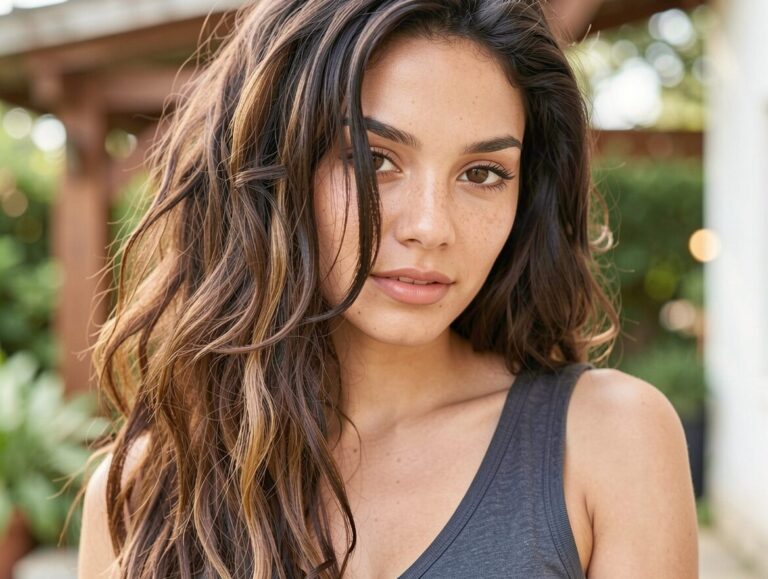
Wavy hair (type 2) is the wildcard texture. It curls when you want it straight and falls flat when you want it wavy. The trick is learning to enhance the wave with scrunching and mousse rather than fighting it into a curl or flat-ironing it smooth. Wavy hair responds really well to air-drying with a diffuser attachment on low heat.
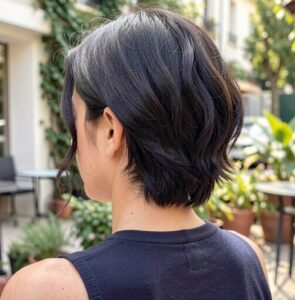
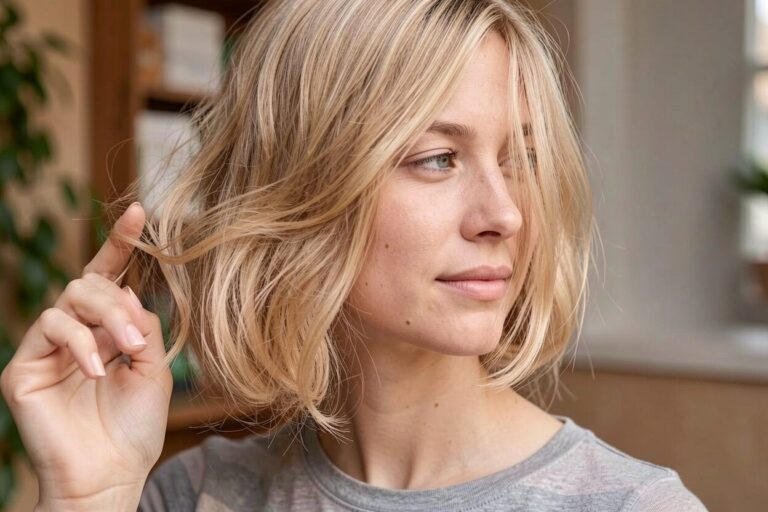
Thin or fine hair needs strategic cutting - blunt ends, minimal thinning, and collarbone-or-shorter length to maintain the appearance of density. Thick hair needs the opposite: internal layering, thinning shears, and length to weigh it down.
Products make or break texture styling. Edge control ($6-$12) is essential for sleek natural styles. Heat protectant ($8-$18) is non-negotiable before any hot tool touches your hair - thermal damage is cumulative and permanent. A satin pillowcase ($15-$30) reduces friction and preserves both curls and blowouts overnight.
Curious how a specific texture-based style would look on you? The AI try-on tool lets you test curly, natural, and straight styles on your own photo.