Schwarze zum graue Ombré
How To Dye Your Haar Grey Ombre Grey and silver Haar have been popular for…
Highlights are the most versatile color technique in any salon's toolkit.
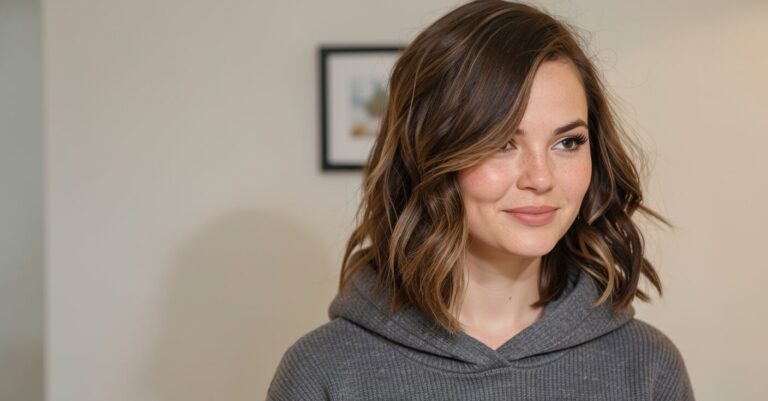
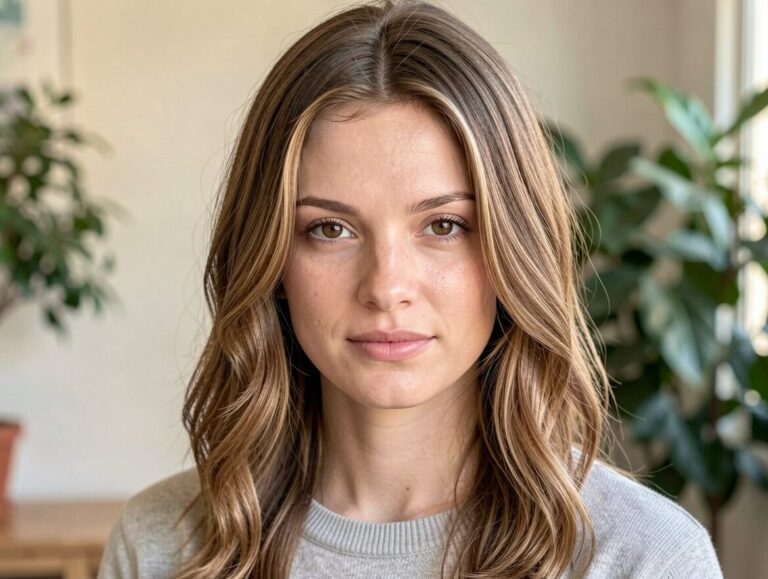

Highlights are the most versatile color technique in any salon's toolkit. They add dimension, movement, and visual interest to any base color without the commitment of going fully blonde or the drama of a complete color change. The concept is simple: lighter strands woven throughout darker hair create the illusion of depth and sunlight. The execution ranges from subtle, barely-there baby lights to bold, chunky highlights that make a statement.
The technique matters enormously. Traditional foil highlights use aluminum foil to isolate sections of hair, which allows for precise placement and maximum lift. Babylights are ultra-fine highlights (thinner than a pencil eraser) scattered throughout to mimic the natural highlights children get from sun exposure. Chunky highlights - the thick, contrasting streaks popular in the early 2000s - are making a comeback in a more refined form. Cap highlights (where hair is pulled through a cap with a hook) still exist at some budget salons but are largely considered outdated for anything beyond simple, evenly spaced highlights.
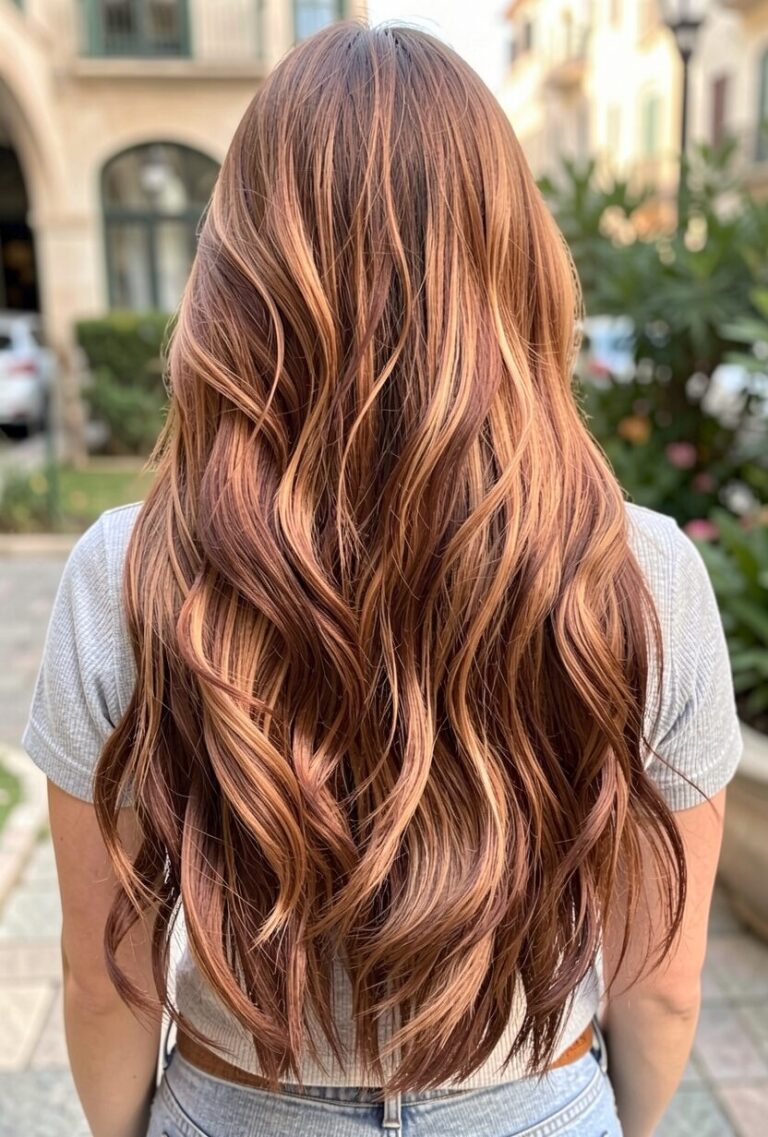
Placement transforms the result entirely. Face-framing highlights concentrate lighter pieces around the face for maximum impact with minimum processing. Crown highlights add dimension to the top where light naturally hits. Full-head highlights saturate the entire head with lighter pieces. Partial highlights target the top and sides while leaving the underneath natural - this is the cost-effective option that still looks full when your hair is down. For a more blended, painted look with even softer grow-out, balayage is worth considering as an alternative technique.
The longevity of highlights depends on your starting color and the contrast level. Subtle, low-contrast highlights can grow out for 3-4 months before needing a refresh. High-contrast platinum highlights on dark hair show a root line within 4-6 weeks. Most people find a sweet spot with appointments every 8-12 weeks for a partial highlight touch-up and a full highlight refresh every 4-6 months. If the grow-out line bothers you, an ombre transition at the roots can extend time between appointments significantly. This approach balances maintenance cost with keeping the color looking fresh.
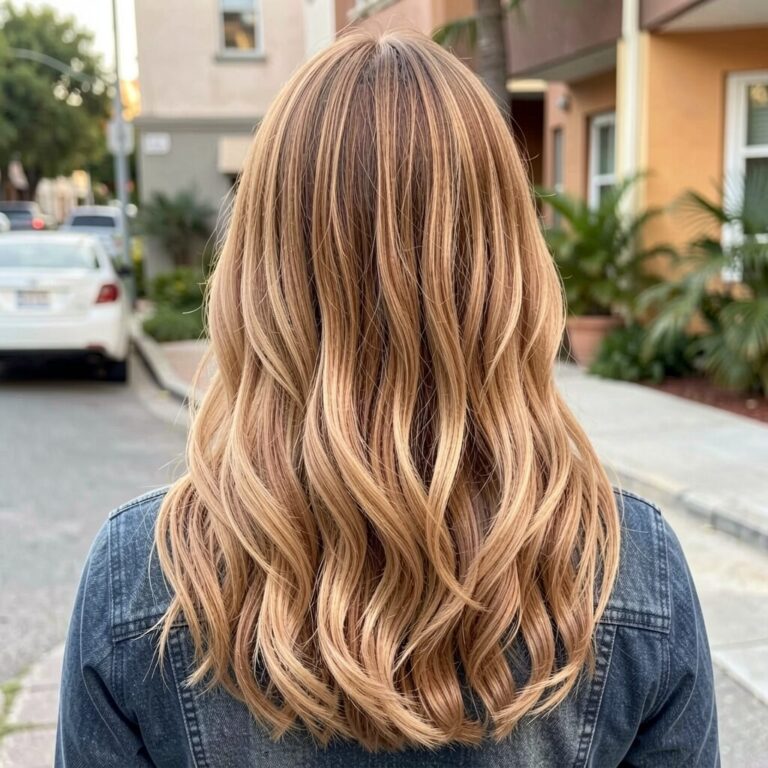
Covers the most-requested highlighting technique in salons right now with practical examples across multiple hair types and base colors.
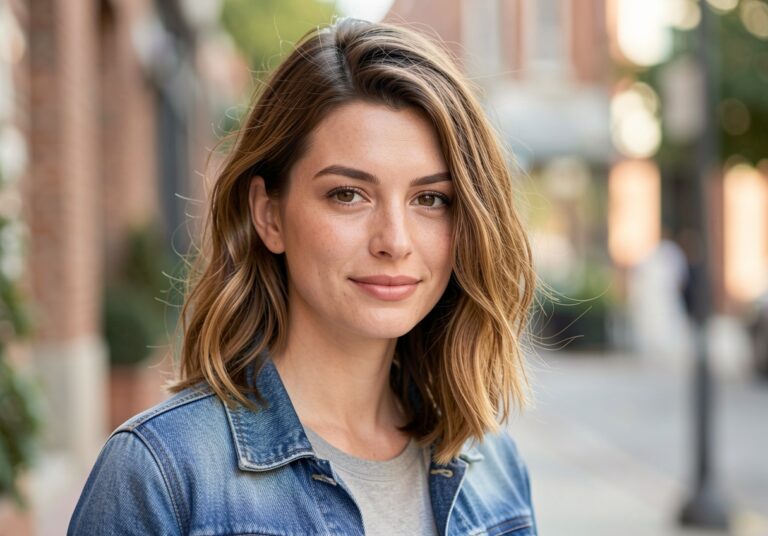
Essential reference for anyone with dark hair considering highlights — shows realistic results and addresses the specific challenges of lightening dark bases.

Clears up the single most common point of confusion clients bring to the salon chair, with side-by-side comparisons.
How To Dye Your Haar Grey Ombre Grey and silver Haar have been popular for…
How To Do A Waterfall Braid If you’re looking for a new braiding Stil diese…
A full head of foil highlights takes 2-3 hours including sectioning, application, 25-45 minutes of processing, rinsing, toning (15-20 minutes), and blow-dry styling. Partial highlights covering just the face frame and top section run about 90 minutes total. Balayage sessions take 2-2.5 hours because the hand-painting requires the colorist to work section by section with varying saturation. Add an extra 30-45 minutes if you are lifting 4+ levels from a dark base, since the stylist may need to rinse and re-apply lightener or do a double toning process to neutralize orange and yellow undertones.
All lightening involves opening the hair's cuticle layer with an alkaline formula so bleach can dissolve melanin pigment inside the cortex — this permanently changes the hair's protein structure in the treated sections. The damage level depends on how many levels you lift and the developer volume: going 2-3 shades lighter with 20-volume developer causes minimal structural change you can manage with conditioning. Lifting 5+ levels from dark brown to platinum with 30-40 volume developer leaves hair noticeably drier, more porous, and prone to snapping. Highlights damage less total hair than all-over color because they only treat 30-50% of strands.
Yes, but dark base colors (levels 1-4) require longer processing time — often 35-50 minutes in foils versus 25-30 for lighter bases — and careful monitoring. The first lift on dark hair always reveals warm undertones (copper, orange, or gold) because those are the underlying pigments in dark melanin; this is chemistry, not a mistake. Toner applied after rinsing neutralizes these warm tones to your desired shade, processing for 10-20 minutes.
Traditional highlights use aluminum foils to isolate thin sections of hair, apply lightener evenly from root to tip, and process in a sealed packet. This creates uniform, evenly spaced brightness with a noticeable pattern when grown out. Balayage is a French freehand technique where the colorist paints lightener onto the surface of hair sections without foils, concentrating more product at the ends and less at the roots. The result is a gradual, sun-kissed gradient that grows out softly over 10-16 weeks. Foil highlights provide brighter, more consistent lift and work better for dramatic blonde results.
Brassiness occurs because the cool toner molecules deposited on top of your highlights are smaller than the warm pigment molecules underneath — they wash out faster, exposing the yellow-orange base. Use purple shampoo (like Fanola No Yellow or Redken Color Extend Blondage) once a week for blonde highlights — leave it on for 3-5 minutes, not longer, or hair turns violet. For highlighted brown hair, use blue shampoo (like Matrix Brass Off) to counteract orange tones specifically. Wash with lukewarm water instead of hot — heat opens the cuticle and strips toner 30-40% faster.
For home highlights, a cap-and-hook kit is the simplest method: pull on the silicone cap, use the hook to pull thin strands through the holes, apply lightener to the exposed strands, and process for 20-35 minutes depending on your starting color. Kits from Clairol or Revlon ($12-18) include the lightener, developer, and cap. The cap method works best for all-over scattered highlights on short to medium-length hair. For longer hair, foil kits let you paint lightener onto sections and wrap them individually — this gives more control over placement but requires a second set of hands for the back sections.
Partial highlights (face frame and crown, 15-25 foils) cost $80-150 at most salons. A full head of foil highlights (40-80+ foils) runs $150-300 depending on the salon's tier, your hair length, and your geographic area. Major cities (NYC, LA, Chicago) average $200-350+; suburban and rural salons run $120-200. Balayage highlights cost $180-300+ because the freehand technique takes more time and skill. Add $30-50 for a toner, which is almost always needed after highlighting. Touch-up appointments (every 8-16 weeks) cost 20-30% less than a first-time full head since you are only lifting new growth.
Do not wash your hair the day of or the day before your highlight appointment. Your scalp's natural oils form a protective barrier that reduces irritation and burning during the lightening process — bleach on a freshly washed, oil-free scalp can cause stinging, redness, and sensitivity. Arrive with 1-2 day unwashed hair that is free of heavy product buildup (skip hairspray and heavy serums in the days before). If your hair has significant product buildup from waxes or dry shampoo, wash it 2 nights before the appointment and skip products afterward.
The balayage-style painting technique lets you highlight hair at home without foils. Mix lightener and developer in a bowl, then use a color brush or even an old toothbrush to paint the mixture onto the surface of individual hair sections, concentrating on the mid-lengths and ends while leaving roots untouched. Place plastic wrap between painted sections to prevent color transfer — it is lighter and easier to manage than foil. The cap-and-hook method is another foil-free option: pull strands through a perforated cap and apply lightener to the exposed hair. Without foils, processing takes slightly longer (30-40 minutes vs.
Highlights are permanent lightening — the bleach permanently removes melanin from the treated strands, so the lightened hair never reverts to its original color. What fades is the toner applied over the highlights: that cool, ashy, or beige tone washes out over 4-8 weeks, leaving the raw lifted blonde (often warm or brassy) underneath. The highlights themselves stay until they grow out, which takes 3-6 months to become noticeably grown-out depending on the placement technique. Foil highlights from the root show regrowth within 6-8 weeks.