
30 Dark Red Hair Color Ideas
30 Sultry Dark Red Hair Color Ideas If your ultimate red-haired fantasy is to look…
Ombre is the color technique that solved the root touch-up problem.


Ombre is the color technique that solved the root touch-up problem. By keeping your natural color (or a darker shade) at the roots and gradually transitioning to lighter ends, you get a low-maintenance color that looks intentional as it grows — no harsh root line, no every-4-weeks salon panic. The word itself comes from the French for "shadow," which perfectly describes the graduated effect from dark to light.
The original ombre trend from the early 2010s had a fairly obvious transition line — almost a dip-dye effect. Modern ombre is more refined, with a smoother blend that can take several inches to transition. The distinction between ombre and balayage confuses most people: ombre is about the overall gradient pattern (darker roots, lighter ends), while balayage is a hand-painting technique that can be used to create an ombre effect. You can have balayage without ombre, and ombre without balayage — but combining them gives the most natural-looking result.
The color combinations are almost limitless. Brunette to caramel is the most popular for its natural, sun-kissed look. Black to burgundy adds drama without going blonde. Blonde to platinum creates an icy, high-fashion effect. Red to copper gives a fiery dimension. Even fashion colors work beautifully in ombre — dark brown roots melting into purple, blue, or pink ends create striking looks that feel intentional rather than costume-y.
Ombre's biggest advantage is its grow-out behavior. Because the roots are already dark (either natural or dyed), there's no visible root line as your hair grows. Touch-ups are needed every 3-5 months rather than every 4-6 weeks. This makes ombre significantly cheaper than full highlights or all-over blonde over the course of a year. The lighter ends do need moisture care — a weekly deep conditioning mask keeps them healthy and prevents the dried-out, straw-like texture that neglected bleached ends develop. Purple shampoo helps if your ombre ends are blonde, keeping brassiness in check between salon visits.
Ombre works on every hair length, but the transition zone changes. On short hair, the gradient is compressed into just a few inches. On long hair, you have room for a gradual, multi-toned blend. Medium-length hair hits the sweet spot where the ombre effect is most visible and most flattering. Curly and wavy hair shows ombre beautifully because the different curl levels catch light differently, amplifying the dimension effect.

Best starting point for anyone confused about color terminology. Breaks down the actual technical differences so you can communicate clearly with your stylist about what you want.
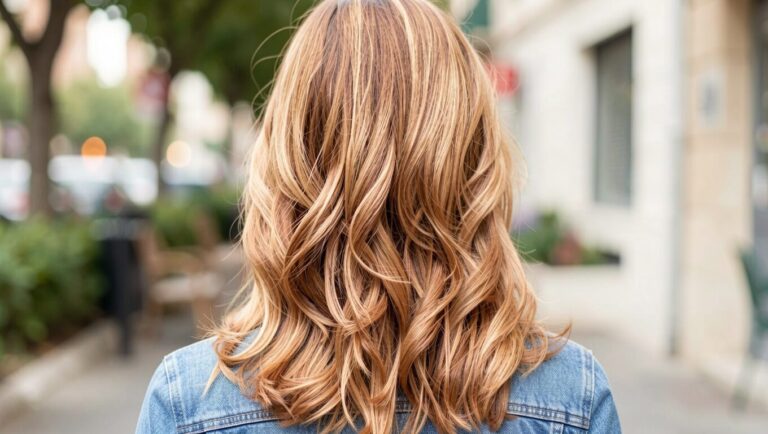
The largest collection of real balayage-ombre examples on the site. Useful for finding a reference photo that matches your hair length, texture, and desired color range before your salon appointment.
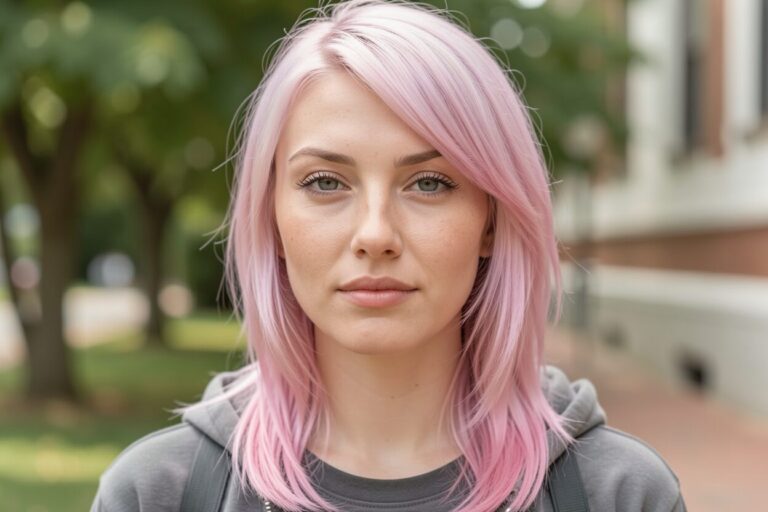
Covers the bolder end of the ombre spectrum where the color change is more abrupt and intentional. Includes practical at-home application tips that actually work for vivid and fashion colors.
30 Sultry Dark Red Hair Color Ideas If your ultimate red-haired fantasy is to look…
Blue Hair: 30 Blue Hair Color Ideas Although blue hair color was once strictly for…
30 Lavender Hair and Purple Hair Style One of the best things about modern hair trends…
Rainbow Hair: 30 Crazy Rainbow Hair Color Inspirations Vibrant and unnatural hair colors have been…
Pink Ombre Hair Ideas Need a little fun in your life? We have one of…

Teal Hair Color Guide The enduring trend towards unnatural hair colors is inspiring women of…

35 Sombre Hair Ideas And Looks Ombre is a great technique for adding color to…
How to Dip Dye Hair at Home | Dip Dye Colors If you’re looking for…
Balayage vs Ombre: The Difference Between Ombre and Balayage You know that you want to…

30 Purple Ombre Hair Color Ideas If you love trendy color techniques and bright shades…
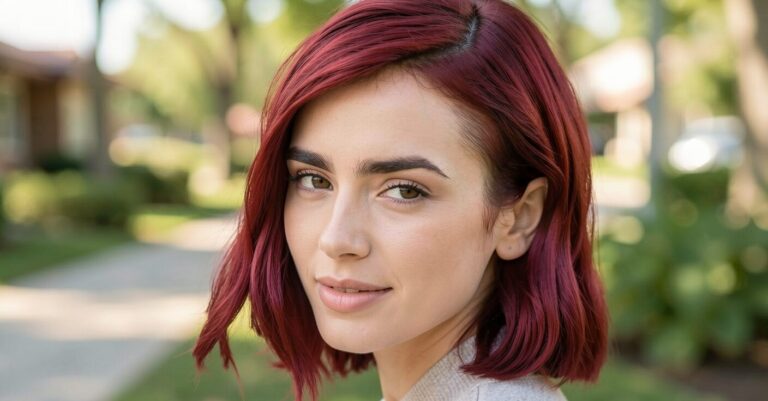
30 Maroon Hair Color Ideas For anyone who can’t decide between regular brunette or a vibrant shade…

30 Purple Balayage Hair Color Ideas If you’re the kind of woman who likes to…
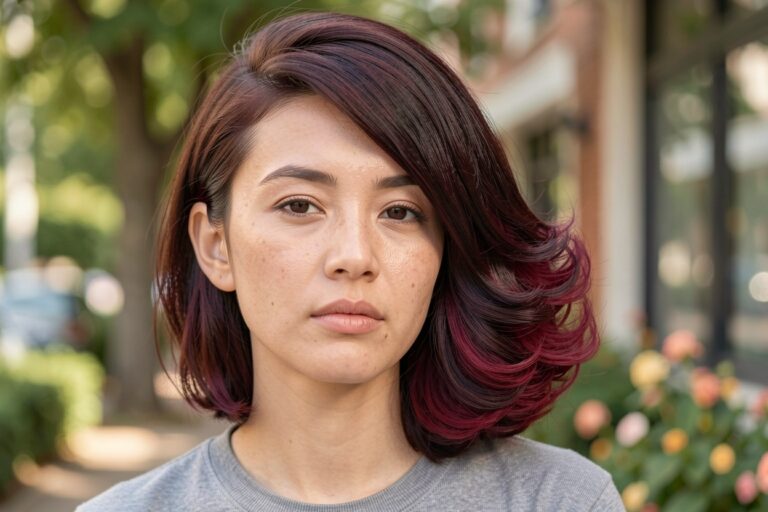
22 Red Ombre Hair Color Ideas Do you love red hair but dread the time…
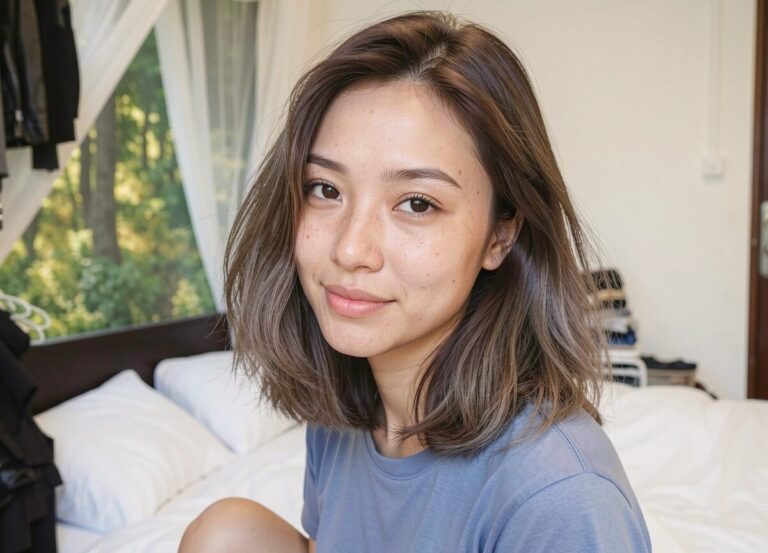
How To Dye Your Hair Grey Ombre Grey and silver hair have been popular for…
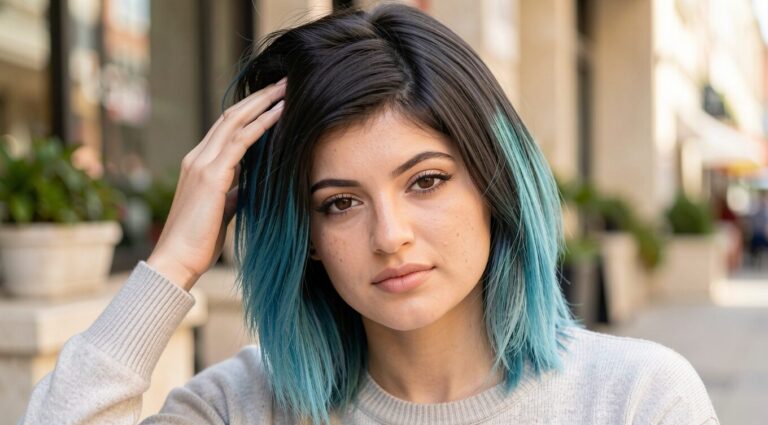
30 Blue Ombre Hair Color Ideas If you’ve been thinking about adding some blue ombre color…

Burgundy Hair Colors and Styles Burgundy hair toes the fine line between red and purple;…
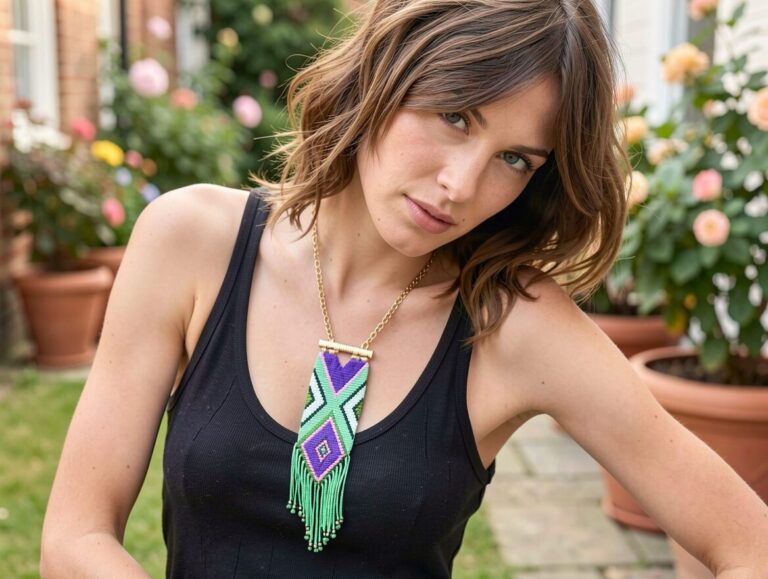
Top 20 Short Ombre Hair Ideas It is surely no secret that ombre hair has been…
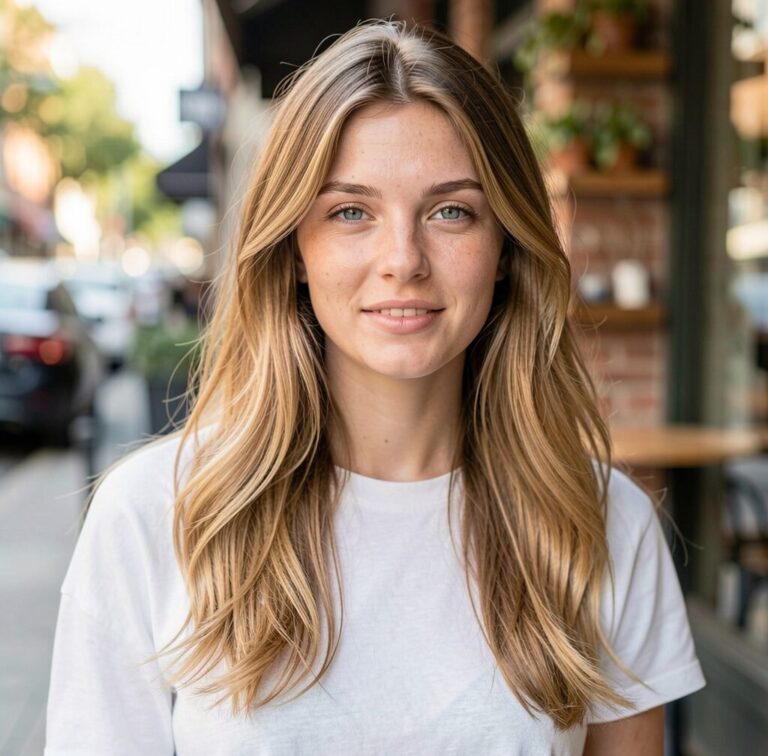
Hottest Ombre Hair Colors This Year I don’t know the originator of the ombre trend but…
Ombre hair is the lowest-maintenance color technique because the dark root is intentional — there's no visible regrowth line. A salon ombre can go 12-16 weeks between visits, compared to 4-6 weeks for full highlights. The lightened ends do shift tone: blonde ombre goes brassy after 6-8 weeks (use a purple toning shampoo once a week to counteract this), and fashion colors like rose gold or pastel fade within 3-4 weeks. Schedule a trim at the 8-week mark ($25-40) to remove any split ends at the lightened tips, which are more porous and break faster than your virgin root area.
Dark black hair (level 1-3) contains dense red and orange underlying pigment that surfaces during lightening — this is chemistry, not a mistake. A single lightening session typically lifts to a warm copper or caramel (level 5-6), which looks great as a warm ombre. If you want cool-toned or ashy blonde ends, your colorist will need two sessions spaced 4-6 weeks apart to lift cleanly to level 8-9 without destroying the hair's integrity. Each session costs $150-300 depending on length. Bond-building treatments like Olaplex No.1 mixed into the lightener ($25-50 add-on) reduce breakage significantly.
Ombre describes the finished look — a horizontal color gradient from dark roots to lighter ends. Balayage describes the application technique — freehand painting lightener onto hair sections without foils. You can use balayage to create an ombre result, but ombre can also be achieved using foils, back-combing, or dip-dye methods. Balayage-created ombre has a softer, more blended transition because the painted strokes create irregular light distribution. Foiled ombre produces a sharper, more uniform gradient. A balayage session typically costs $200-400 and takes 2-3 hours; a foiled ombre runs $150-300 and takes 1.5-2.5 hours. Most colorists today blend both techniques.
Any bleaching changes your hair's structure by opening the cuticle and breaking down melanin. The actual damage depends on three factors: your starting condition (virgin hair tolerates more than previously colored hair), developer volume (20-volume is standard; 30-40 volume lifts faster but causes more damage), and how many levels you're lifting (2-3 levels is gentle, 5+ levels causes noticeable texture change). On healthy virgin hair with a bond-builder treatment, a 3-level lift leaves hair slightly more porous but fully manageable. Use a protein-moisture balanced conditioner weekly and avoid heat tools above 350°F on the lightened sections.
Home ombre kits (L'Oréal Colorista, Garnier Ombre) work reasonably well on light-to-medium brown hair going 1-2 shades lighter. Apply the lightener from ends upward, use the included comb to feather the midpoint, and process in natural light so you can watch the lift. Check every 5 minutes after the 20-minute mark. On dark hair or for vivid colors, home kits produce unpredictable results — the transition line often comes out blunt rather than graduated. Kit cost: $10-15 versus $150-350 for salon ombre.
Ombre hair color is a gradient coloring technique where hair transitions from a darker shade at the roots to a lighter shade at the ends. The word 'ombre' comes from French, meaning 'shadow' or 'shade.' Unlike traditional highlights that start at the root, ombre keeps your natural color at the scalp and gradually shifts lighter through the mid-lengths and ends. Classic ombre goes from dark brown or black roots to caramel or blonde tips, but the technique works with any color combination — brunette to red, black to silver, or natural tones into vivid fashion shades like blue or pink.
Section dry hair into four quadrants. Mix 20-volume developer with powder bleach to a yogurt-thick consistency. Starting with back sections, paint the lightener from ends upward to your desired transition point (usually chin level). Use a tinting brush and feather the lightener at the blend line — don't create a hard horizontal stripe. Process 25-35 minutes, checking every 5 minutes after the 20-minute mark by wiping a small section with a damp towel. Rinse when you reach your target shade (one level lighter than you want, since it continues lifting briefly during rinse). Apply toner if needed to neutralize brassiness.
Choose two shades that are 2-4 levels apart for a natural gradient, or use contrasting shades for a dramatic look. Apply the darker color to your roots and mid-lengths first, wrapping each section in foil. Process for the time listed on the box (usually 25-35 minutes). Rinse the dark color completely. Then apply the lighter color to the lower third of your hair, overlapping slightly with the dark section at the blend zone. For the smoothest transition, use a comb to drag the lighter color upward through the overlap area.
Salon ombre costs $150-350 depending on your hair length, starting color, and target shade. Short hair (above shoulders) runs $150-200, medium length $200-280, and long hair $250-350+. Going from dark to blonde costs more than brunette-to-caramel because it requires more lightener, longer processing, and often a toner. Bond treatments like Olaplex add $25-50. A toning gloss ($30-50) extends the color's vibrancy between visits. Budget $200-250 for an average ombre on medium-length brunette hair at a mid-range salon. The first appointment takes 2-3 hours; maintenance visits every 12-16 weeks are shorter and cheaper ($100-180) since you're only refreshing the ends.
Match the ombre shade to your skin's undertone for the most flattering result. Warm undertones (golden or olive skin) look best with caramel, honey blonde, copper, or warm auburn ombre ends. Cool undertones (pink or blue-toned skin) suit ash blonde, platinum, champagne, or cool brown ombre. Dark skin tones pair well with rich tones: chestnut, burgundy, dark copper, or warm golden blonde. For the most natural-looking ombre, stay within 2-3 levels of your base color — dark brown to caramel, medium brown to honey, light brown to butter blonde.