Long Curly Hairstyles for Thick Hair
20 Curly Hairstyles for Long Thick Hair If you are reading this article, you have…
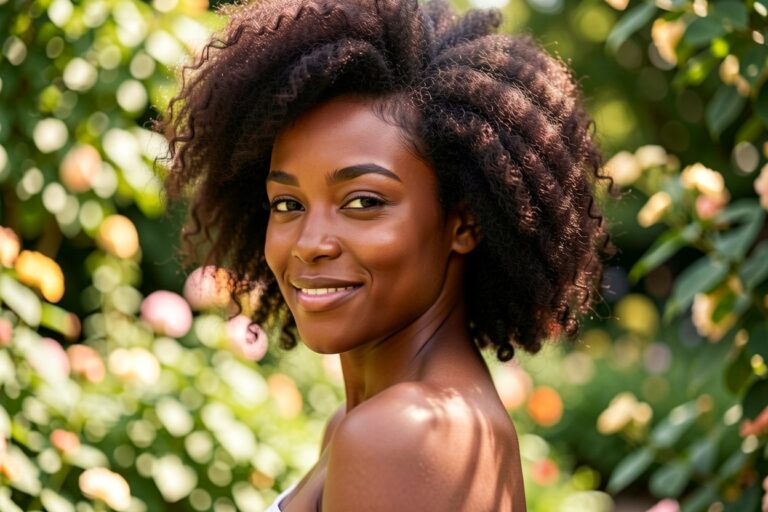
Long curly hair is the ultimate volume statement — a mane that commands attention and fills every doorframe you walk through.
Long curly hair is the ultimate volume statement — a mane that commands attention and fills every doorframe you walk through. But maintaining long curls requires more strategy than any other hair type and length combination. The weight of the length pulls curls straighter at the roots while the ends coil tighter, creating a shape imbalance that only smart cutting and care can solve.
The ideal cut for long curly hair is layers — but not the kind you'd get at a general salon. Curl-specific layers are cut in a V or U shape when viewed from behind, with internal layers that remove weight from the mid-shaft without touching the perimeter. This preserves the fullness at the ends while preventing the flat-on-top-triangle-on-bottom silhouette that plagues many long curly styles. The face-framing should release shorter curls around the cheekbones, giving dimension without feeling like a separate element from the rest of the hair.
Moisture is everything for long curls. The sebum your scalp produces has to travel further on long hair, which means the ends are almost always drier than the roots. Deep conditioning every 1-2 weeks is maintenance, not pampering. A leave-in conditioner applied to wet hair before gel or cream helps seal in hydration. The LOC method (Liquid, Oil, Cream) works well for type 3-4 curls: water first, a light oil like argan or jojoba, then your curl cream. For type 2 waves, skip the oil — it weighs them down.
Sleeping with long curly hair requires strategy. A satin pillowcase is the minimum. A loose pineapple (high, loose bun on top of the head secured with a satin scrunchie) keeps curls from being crushed overnight. Some people prefer two loose twists or a satin bonnet. Whatever method you choose, the goal is the same: minimize friction that causes frizz and flattening. Morning refresh with a spray bottle of water and a small amount of conditioner revives the pattern.
Trims every 10-14 weeks keep split ends from traveling up the curl shaft. Trimming curly hair when it's dry ensures the stylist sees the actual shape and curl behavior. A "dusting" technique — trimming only the very tips of curls that look frayed — preserves maximum length while keeping ends healthy. Long curly hair grows slowly in visible length because of the coiling factor, so every inch matters.
20 Curly Hairstyles for Long Thick Hair If you are reading this article, you have…
The flatness comes from hair weight pulling the roots straight. Solutions: get internal layers cut (they remove mid-shaft weight), clip your roots while drying (use duckbill clips at the roots for lift), and try plopping (wrapping wet curls in a microfiber towel turban for 15-20 minutes). Sleeping in a pineapple also preserves root volume for day 2-3 hair.
Most curly hair types do best with washing every 3-5 days. Over-washing strips natural oils that curls desperately need. Between washes, refresh with water spray and a small amount of conditioner. If your scalp gets oily, you can wet just the roots and co-wash (conditioner-only wash) without fully washing the lengths.
Only detangle when hair is wet and saturated with conditioner. Use a wide-tooth comb or a Wet Brush starting from the ends and working up. Never brush curly hair dry — it breaks curl clumps and creates frizz. Some people finger-detangle exclusively, which is gentler but slower. Detangling takes 5-10 minutes; rushing causes breakage.
Hair grows at roughly the same rate regardless of type (about 0.5 inches per month), but curly hair LOSES length faster through breakage. Minimize breakage: satin pillowcase, gentle detangling, regular deep conditioning, protective styles for physical activities. Avoid heat styling. A trim every 12-14 weeks prevents split ends from traveling up and causing breakage higher on the shaft.
Yes, but choose techniques carefully. Balayage is ideal because it paints color onto the outer layer without saturating every strand. Highlights with foils work but cause more processing damage. All-over lightening is risky for curl health — the hair becomes drier and more prone to breakage. If you color, budget for professional deep conditioning treatments monthly.