Pixie Hairstyles
The pixie cut is the boldest move in women's hair — and one of the most rewarding.
Next Step
The pixie cut is the boldest move in women's hair — and one of the most rewarding. It strips away everything except your face, your bone structure, and your confidence. Audrey Hepburn made it iconic in the 1950s, and it's never gone out of style because it's not really about fashion — it's about letting your features do the talking. Every generation rediscovers the pixie because the appeal is timeless.
Types and Variations
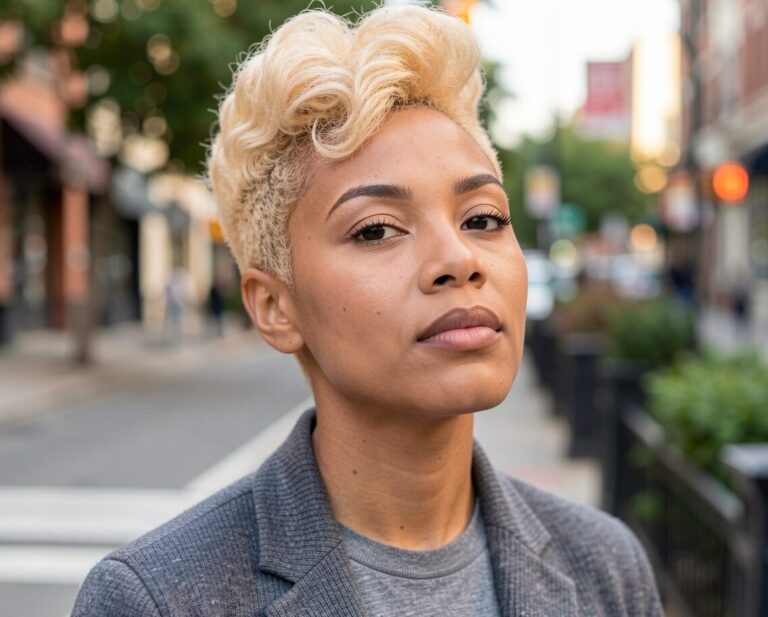
Pixie cuts aren't one thing. The classic pixie is cropped close all around with a slightly longer top. The long pixie extends to ear-length or beyond, offering more styling versatility and an easier grow-out path. The textured pixie uses razoring and point-cutting to create a deliberately messy, undone look. The asymmetrical pixie keeps one side dramatically shorter than the other. Each creates a completely different silhouette from the same general concept of "short hair with attitude." Undercut elements — shaved sides or nape — add edge to any pixie variation.
Face shape matters more at pixie length than almost any other cut. Oval faces have the most freedom — nearly any pixie works. Round faces benefit from volume on top and close-cut sides to elongate. Square faces soften with side-swept bangs and textured layers. Heart-shaped faces balance with pixies that keep some width at the jaw. The key is working with a stylist who cuts pixies regularly — not every hairstylist is skilled at short precision cutting.
Living With a Pixie
Daily styling takes 2-5 minutes. A dab of matte paste or wax, worked through with your fingers, creates the texture that makes a pixie look intentional. For a more polished look, a quick blow-dry with a small round brush shapes the top. The trade-off is cut frequency: pixies need trimming every 4-6 weeks, or the shape dissolves into an awkward bob-in-progress. Budget for more frequent salon visits, but enjoy the fact that you'll spend next to nothing on styling products — short hair needs barely any.
The grow-out phase is the one thing that stops most people from getting a pixie. The transition from pixie to bob takes 6-12 months, and there's an awkward ear-length phase around month 3-4 where nothing looks right. The solution is regular trims during the grow-out to maintain shape — your stylist can keep it looking intentional at every stage. Headbands, clips, and pinning back the awkward pieces also help bridge the gap.
No hairstyles found in this category yet.
Frequently Asked Questions
How long does it take to grow out a pixie cut back to a bob or shoulder length?
From a close-cropped pixie cut, reaching a bob takes eight to twelve months; shoulder length takes fourteen to eighteen months, assuming average growth of half an inch per month. The hardest stretch is months three to five — the back outpaces the sides and creates a mullet shape. Every six weeks, have your stylist trim the nape and sides shorter while leaving the crown and fringe untouched. This graduated approach keeps the silhouette deliberate. Texturizing paste, small jaw clips, and a stretchy headband handle the in-between pieces. Budget around $30-$40 per maintenance trim.
What face shapes look best with a pixie cut?
Oval faces suit nearly every pixie cut variation, from cropped to long. Round faces need a pixie with height on top and closely tapered sides — the vertical volume slims the face by two to three visual inches. Square jaws soften under a longer pixie with wispy, side-swept bangs that break the angular jawline. Heart-shaped faces balance out with a pixie that keeps fullness at the cheekbones and temples. Very long, narrow faces are the one shape that needs caution: avoid an ultra-short crop and instead choose a longer pixie cut with side volume to add width.
How do I style a pixie cut every morning without it taking forever?
A pixie cut is the fastest hairstyle to style daily — two to three minutes total. After washing, towel-dry until damp, warm a pea-sized amount of matte wax or texturizing paste between your palms, and rake fingers through in your preferred direction. For extra lift, blow-dry with your head flipped upside down for sixty seconds using medium heat. Skip curling irons and flat irons — a pixie looks best with imperfect, finger-styled texture. On second-day hair, a quick hit of dry texturizing spray like IGK First Class or Oribe Dry Texturizing Spray refreshes the shape in thirty seconds flat.
Can I get a pixie cut if I have curly or wavy hair?
Curly pixie cuts are some of the most eye-catching short hairstyles. Natural curl gives a pixie built-in volume and movement that straight hair cannot replicate without product. The critical requirement is finding a stylist who cuts curly hair dry, because curls shrink twenty to forty percent from wet to dry. Cutting curly hair wet leads to a result that is significantly shorter than intended. Request extra length on top — at least an inch more than you think you need — to account for curl spring.
What is a pixie cut and how is it different from other short haircuts?
A pixie cut is a short hairstyle where the hair is cropped close at the back and sides with slightly longer, textured layers on top and at the fringe. It typically ranges from one to three inches overall. What separates a pixie cut from a buzz cut is the layered top and styled fringe; what separates it from a short bob is the exposed ears and nape. Classic pixies sit tight to the head, while modern long pixies can have four to six inches on top with an undercut beneath.
How should you cut a pixie cut, and can you do it at home?
A proper pixie cut requires point-cutting and texturizing techniques that are extremely difficult to execute on yourself. The stylist sections the hair into crown, sides, and nape, establishing a guide length at each zone. The nape is cut shortest with clippers or shears, the sides are blended upward, and the crown gets layered with point-cutting for texture. Cutting your own pixie at home risks uneven weight distribution and visible chop marks, especially at the back where you cannot see. If budget is a concern, cosmetology schools offer pixie cuts for $10-$20 supervised by instructors.
What are the best ways to grow out a pixie cut gracefully?
Growing out a pixie cut takes patience and a strategic trim schedule. Visit your stylist every five to six weeks for a shaping trim — not a length cut — where they trim the nape and sides to match the slower-growing top and fringe. During months two to four, the ear-area hair tends to flip outward; tuck it with bobby pins or a small amount of pomade. At month five to six, you will enter a short shag or micro-bob phase that actually looks intentional if your stylist texturizes the ends.
How do you style a short pixie cut for a formal event?
Short pixie cuts clean up well for formal occasions. Apply a smoothing serum to damp hair and blow-dry with a small round brush, directing the fringe into a sleek side sweep. Set the shape with a light-hold hairspray. For extra polish, use a fine-tooth comb to create a deep side part and smooth the sides flat with a dab of edge control gel. Accessorize with a jeweled clip, metallic bobby pins arranged in a geometric pattern, or a thin embellished headband. A slicked-back pixie with gel and high shine reads as deliberately elegant.
How much does a pixie cut cost at a salon?
A first-time pixie cut at a mid-range salon runs $50 to $100, depending on your city and stylist experience. High-end salons in major cities charge $120 to $200-plus. Maintenance trims every four to six weeks cost $25 to $50 since the stylist is maintaining a shape rather than creating one from scratch. If you are adding color — a common choice for pixie cuts since the short length makes bold shades low-commitment — add $60 to $150 for highlights or a single-process color.