
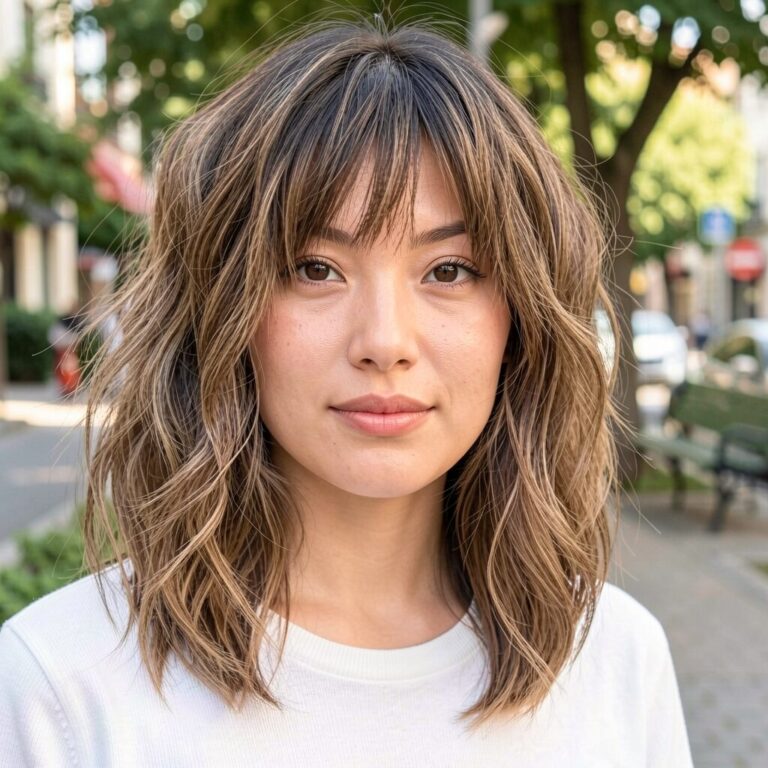
Short Shag Haircuts 2021
Short Shag Haircuts 2021 One of THE hottest haircuts this year was the shag cut.…
The short shag sits in that perfect zone between a pixie and a bob — chin-length or shorter, with heavy layers that…
The short shag sits in that perfect zone between a pixie and a bob — chin-length or shorter, with heavy layers that create instant volume and texture. It's the cut for people who want short hair that doesn't look "done." Every layer serves a purpose: the crown gets lift, the sides get movement, and the nape tapers into something that feels edgy without trying too hard.
What separates a short shag from a regular short layered cut is the face-framing. Short shags have those signature wispy pieces around the cheekbones and jawline that soften the overall shape and keep it from looking too severe. Without those face-framing layers, a short cut can feel harsh — especially if you have strong bone structure. The shag layers blur those hard lines while the overall length still reads as bold and confident.
This cut works best on straight to wavy hair with medium to thick density. Fine hair can pull it off, but the layers need to be more conservative — too many layers on thin hair at this length creates a see-through effect. Thick hair absolutely thrives here because the layering removes bulk exactly where it builds up. Curly hair can work, but the shrinkage factor makes the cut trickier — what looks chin-length wet might bounce up to ear-length dry.
Styling takes five minutes or less. Work a lightweight wax or texturizing cream through damp hair, tousle with your fingers, and either air-dry or hit it with a diffuser for 2 minutes. The short shag is meant to look effortless — over-styling defeats the purpose. For a night-out version, a small curling wand on just the face-framing pieces adds definition without looking too polished.
Face shape flexibility is strong. Round faces do well when the layers at the crown add height. Square faces soften with side-swept face-framing. Heart shapes balance with layers that add width at the jawline. The only face shape that requires caution is very long/oblong — the short length plus volume on top can elongate further, so a stylist might add curtain bangs to compensate.
Short Shag Haircuts 2021 One of THE hottest haircuts this year was the shag cut.…
Typically chin-length or shorter, with the shortest layers at the crown reaching ear-level. It's longer than a pixie but shorter than a bob — think jawline as the longest point. The nape can be tapered short or left a bit longer depending on your preference.
Yes, when cut correctly. The layers at the crown create height that elongates a round face shape. Avoid too much width at the sides — ask your stylist to keep the heaviest layers above the jawline. Side-swept face-framing layers also help by creating diagonal lines that slim the face.
Every 6-8 weeks to maintain the shape. Short cuts grow out faster visually than long ones. The good news is that a short shag's grow-out phase transitions naturally into a medium shag, so if you miss an appointment it just evolves into a longer version of the same style.
Short shags practically beg for bangs. Curtain bangs, choppy micro-bangs, or side-swept fringe all work beautifully with the layered texture. The bangs blend into the overall shaggy silhouette in a way that looks cohesive rather than like two separate elements.
Lightweight texturizing products: matte paste, sea salt spray, or dry texture spray. Avoid anything heavy like pomade or gel — it weighs down the layers and kills the movement. A dry shampoo between washes helps maintain volume at the roots.
