
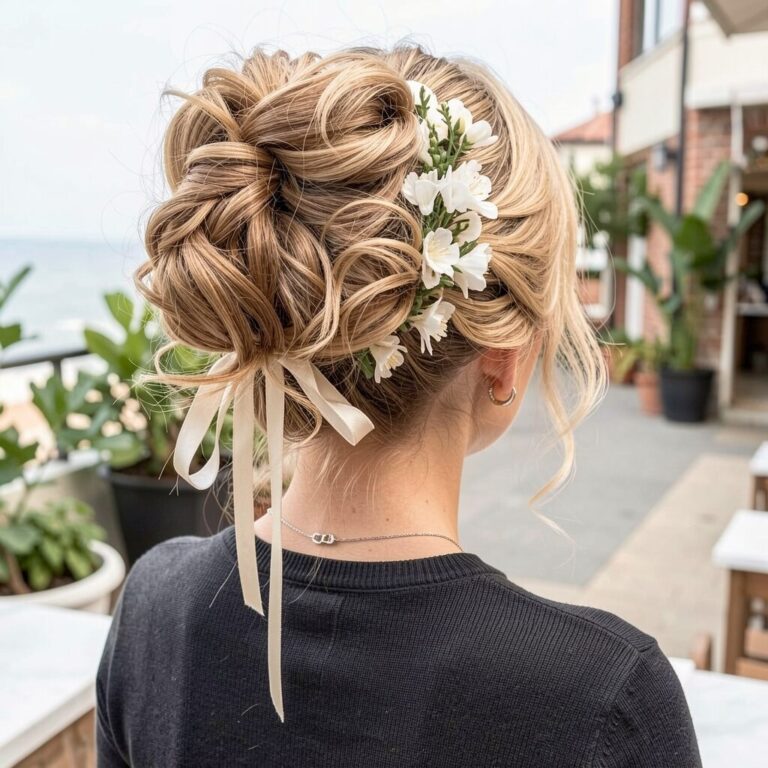
Little Girl Updos
Little girl updos have gone quite a long way from how it was a few…
Styling a little girl's hair is a completely different skill set from adult styling.

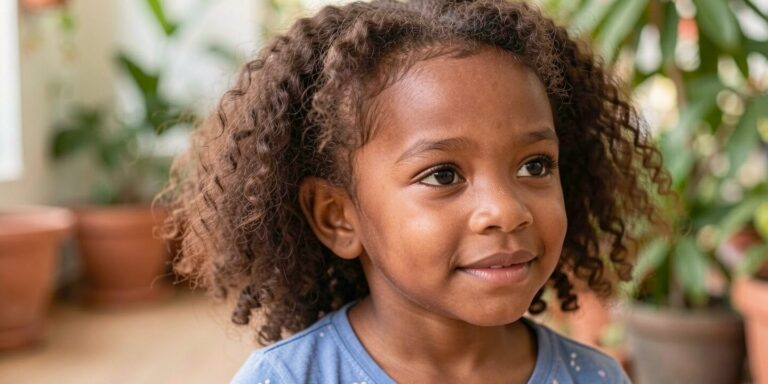
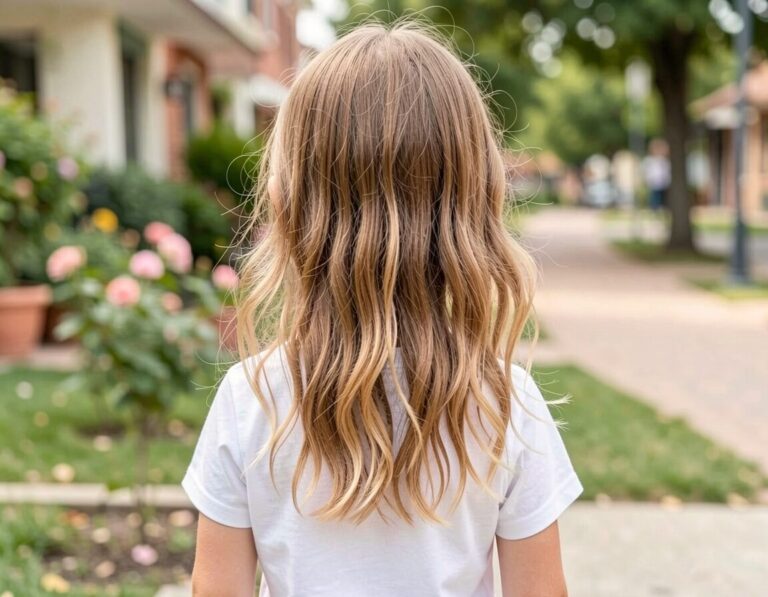

Styling a little girl's hair is a completely different skill set from adult styling. You are working with finer hair shafts, sensitive scalps, children who squirm, and the reality that whatever you create needs to survive a full day of running, climbing, napping, and possibly a PE class. The goal: a style that holds up to activity, looks put-together, and does not cause pain or tension on a developing scalp. Protective styling matters here just as much as appearance, especially for textured and natural hair types where breakage at the edges is a real risk if pulled too tight.
Age and hair texture determine what is realistic. Toddlers with wispy, fine hair are limited to soft clips, small ponytails with snag-free elastics, and simple half-up styles. By age 4-5, most girls have enough length and density for braids and twists. Natural hair textures (3C through 4C) have the most options because the texture grips and holds shapes that straight hair cannot. Browse our full hairstyles by age collection along with kids hairstyles for more age-appropriate ideas across all hair types.
Braided Hairstyles for Little Girls covers protective styles lasting 1-2 weeks with proper care. 35 Natural Braided Hairstyles For Black Girls focuses on textured hair with styles that protect edges while looking age-appropriate. 56 Natural Hairstyles for Black Girls goes beyond braids into twist-outs, wash-and-go styles, and puff variations. Picture Day Hairstyles has polished looks for school photos. Little Girl Updos covers ballet buns to flower girl styles. 30 Cute And Easy Little Girl Hairstyles provides 5-10 minute options for school mornings. Many of these styles draw from classic braided hairstyles adapted for smaller heads and finer hair, while our Black hairstyles section offers even more protective styling inspiration for textured hair.
Straight and wavy hair typically needs daily restyling since styles don't hold overnight. Natural and textured hair benefits from protective styles lasting 5-14 days, though you should take down and moisturize weekly. Avoid tight ponytails and braids at the hairline - traction alopecia happens even in young children. Use satin pillowcases or bonnets for natural hair. Products should be gentle: no sulfates, no heavy silicones. Budget $5-15 for kid-friendly products and $15-25 for quality snag-free elastics and clips. Test the tension on your own hand first - if it feels tight on your palm, it is too tight on a child's head.
The most practical entry point for parents. Focuses on styles that are genuinely quick, require minimal skill, and work for school mornings.
Braids are the most requested style category for young girls. This post covers age-appropriate braiding techniques with an emphasis on protective styling.

Addresses a specific, high-search-volume moment that every parent faces. Provides polished looks that photograph well.
Little girl updos have gone quite a long way from how it was a few…
35 Wonderful Ideas For Little Girl Haircuts with Bangs Having a little girl is such…
Cute Little Girls Hairstyles When it comes to hairstyles for little girls, there are so many…
Braided Hairstyles for Little Girls My mum had a pretty hard time with me as…
30 Cute And Easy Little Girls Hairstyles If you’re the parent of a girl, you…
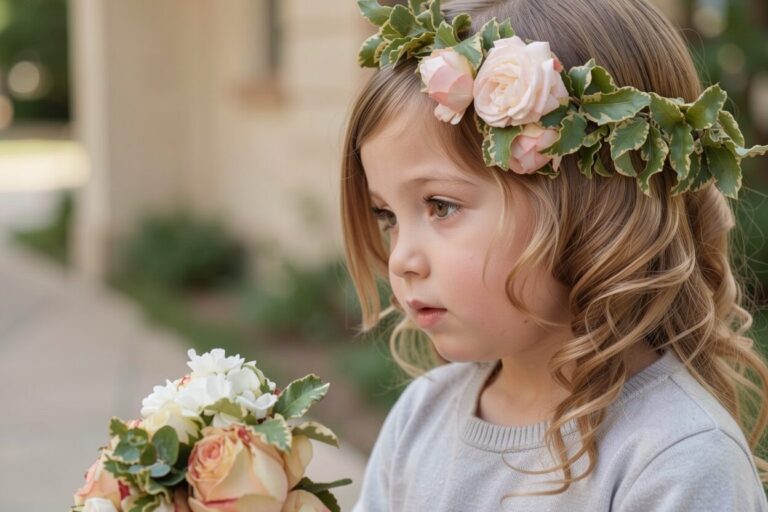
Flower Girl Hairstyles When it comes to choosing hairstyles for the big day, you can’t…
French braids, Dutch braids, and double braids are the most secure little girl hairstyles for sports because they lock hair flat against the head and survive hours of running, sweating, and helmet-wearing. For natural hair, flat twists or cornrows gathered into a low bun at the back stay put during soccer, gymnastics, and swimming. Avoid anything with loose pieces around the face that end up in the eyes mid-game. A braided ponytail with a snag-free elastic is a quick 3-minute backup option on rushed mornings. Secure flyaways with a light edge gel and a toothbrush-sized smoothing brush.
Edge breakage in children almost always comes from tension-related traction. Replace rubber bands with snag-free fabric-covered elastics or spiral coil ties, which distribute tension more evenly. Never pull ponytails or braids tight at the hairline. Rotate the placement of ponytails and parts weekly so the same follicles are not stressed repeatedly. Apply a light oil like jojoba or a kid-friendly edge cream before styling. If edges are already thinning, leave that area completely loose for 4 to 6 weeks to let follicles recover.
A half-up ponytail with a claw clip takes 60 seconds. Two low pigtails with ribbon or bows take about 2 minutes. A single side braid takes 3 to 4 minutes once your muscle memory is built up. For natural hair, a high puff with a satin scrunchie is under 2 minutes and protects the ends. Overnight heatless curls using soft foam rollers or braiding damp hair before bed give you a ready-to-go style that needs only a shake-out in the morning.
Most stylists recommend waiting until at least age 4 to 5 when hair has enough length (at least 3 inches) and density to hold braids without excessive tension on fine follicles. Before that age, the hair shaft is too thin and the scalp too sensitive for tight braiding. Start with simple, medium-sized braids rather than thin micro-cornrows. The first braiding session should be kept under 45 minutes to gauge how long the child can sit still. A children's braiding appointment typically costs $35 to $75 depending on the style complexity. Bring snacks and a tablet to keep younger kids comfortable.