
High Porosity Hair: Causes, Signs, and How to Treat It
Your hair drinks up water in the shower. Conditioner vanishes the second you apply it. Products absorb instantly, yet your hair is dry again an hour later.
If that sounds familiar, you probably have high porosity hair. Once you understand what’s happening inside the strand, managing it stops being a guessing game.
What High Porosity Means for Your Hair
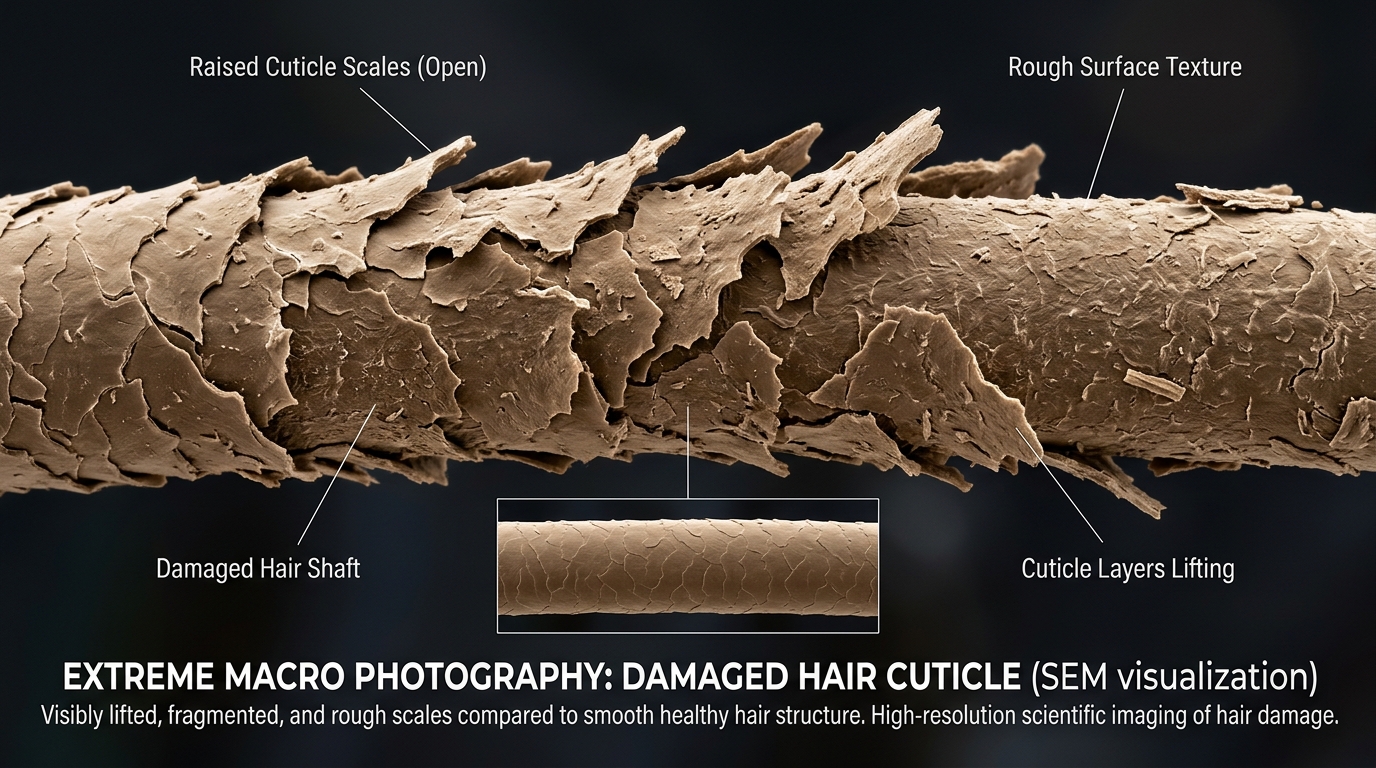
Every strand of hair is covered in a protective outer layer called the cuticle. Think of it as overlapping roof shingles. On healthy, low-porosity hair, those shingles lie flat and tight. They let in just enough moisture and keep it locked inside.
Layer your products from thinnest to thickest on high porosity hair. Start with a water-based leave-in, then a cream, then seal with an oil or butter. This creates layers that slow moisture loss throughout the day.
High porosity hair is different. The cuticle layer is raised, has gaps, or is partially missing in spots. Water, oils, and styling products rush in through those openings with almost no resistance. The problem is they rush back out just as fast. Your hair is like a sponge full of holes. It absorbs everything and retains nothing.
This is why high porosity hair can feel soft and hydrated for 20 minutes after conditioning, then turn dry and rough by the time it air dries. The moisture is leaving through the same gaps it entered. Research published in the International Journal of Cosmetic Science has documented how cuticle damage directly correlates with increased porosity and decreased moisture retention.
High porosity can be genetic or acquired. Some people are born with naturally porous hair, but chemical processing, heat damage, and UV exposure can also force cuticles open permanently.
Genetic vs. Acquired High Porosity
This distinction matters because it changes your treatment approach.
High porosity hair dries significantly faster than low porosity hair because moisture escapes through the open cuticle gaps. If your hair air-dries in under an hour, you likely have high porosity.
Born With It
Some people naturally have a more open cuticle structure. Their hair has always absorbed water quickly, always dried fast, always needed extra sealing products. This is genetic high porosity, not damage. Afro-textured hair, in particular, tends toward higher porosity because the curl pattern creates natural lift points in the cuticle layer. Genetic high porosity is entirely manageable. You’re not repairing anything.
Skipping the sealing step is the biggest mistake with high porosity hair. Moisturizing without sealing is like filling a bucket with holes. The moisture absorbs quickly but escapes just as fast.
Developed Over Time
Acquired high porosity is damage, and the causes are well documented.
Bleach and chemical color are the most common culprits. Bleach forces the cuticle open so hydrogen peroxide can dissolve melanin in the cortex. The cuticle never fully recovers. Permanent hair dye does the same thing on a smaller scale.
Heat damage from flat irons, curling wands, and blow dryers above 300 degrees Fahrenheit breaks the disulfide bonds in the cuticle’s keratin structure. Those bonds don’t re-form on their own.
Excessive sun exposure degrades the hair’s protein structure through UV radiation. Robbins documented in Chemical and Physical Behavior of Human Hair how prolonged UV exposure increases porosity by oxidizing the cuticle layer.
Hard water mineral deposits wedge between cuticle scales and physically prevent them from lying flat.
Mechanical damage from rough towels, aggressive brushing, tight ponytails, and cotton pillowcases lifts cuticle edges through repeated friction.
If your hair used to behave differently and gradually became harder to manage, you’re dealing with acquired porosity. Treating it means managing the existing damage and stopping whatever caused it.
Signs You Have High Porosity Hair
You don’t need a lab test. High porosity hair announces itself through everyday behavior. It absorbs water instantly in the shower. It dries very quickly because moisture escapes as easily as it enters. It frizzes in humidity because open cuticles absorb atmospheric moisture unevenly. It tangles easily since raised cuticle edges catch on neighboring strands like velcro. Color fades fast because dye molecules escape through the same gaps. It feels rough, breaks easily, and products seem to disappear into it.
The classic porosity test: drop a clean hair strand into a glass of room temperature water. High porosity hair sinks to the bottom within a minute or two. Low porosity hair floats. Not perfect science, but a useful quick check.
See how different hairstyles look on you — upload your photo and try any style with our AI tool.
Try HairStyleMojo Free →The Protein-Moisture Balance
This is the single most important concept for managing high porosity hair. Get it right and everything else falls into place. Get it wrong and you’ll cycle between limp, mushy hair and dry, snapping strands without understanding why.
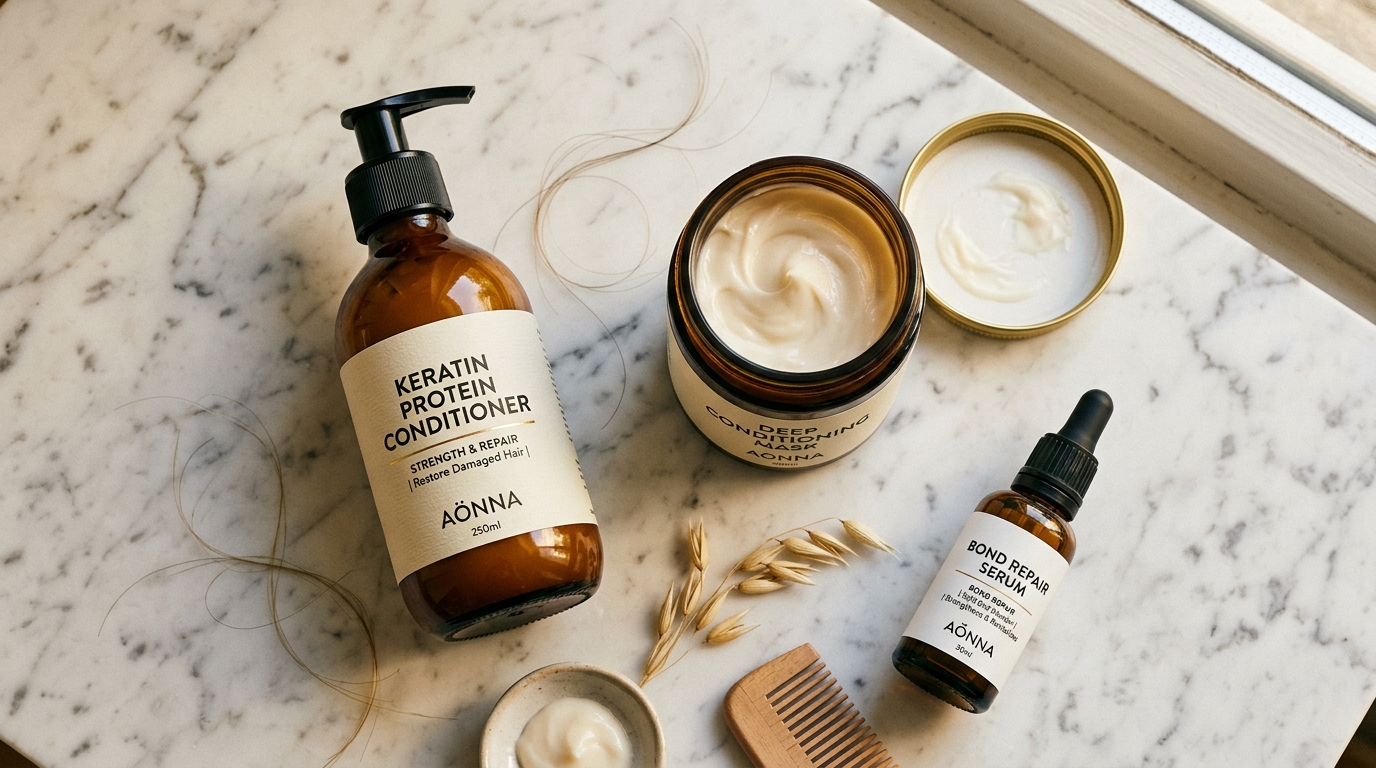
Your cuticle has gaps. Those gaps let moisture escape. Protein treatments deposit hydrolyzed proteins (tiny protein fragments) into those gaps and along the hair shaft. They act as temporary patches, creating a smoother surface that helps hair hold onto moisture longer.
But protein is not moisture. Protein makes hair stronger and more structured. Moisture makes hair flexible and soft. You need both. Too much protein without enough moisture makes hair stiff, brittle, and prone to snapping. Too much moisture without enough protein leaves hair limp, stretchy, and gummy. Research in the Journal of Cosmetic Dermatology has confirmed that combining protein reinforcement with moisturizing conditioning produces significantly better results than either approach alone.
The elasticity test tells you what your hair needs right now. Take a single wet strand and gently stretch it. If it stretches and doesn’t spring back, your hair needs protein. If it barely stretches and snaps immediately, it needs moisture. Healthy hair stretches slightly and bounces back. That’s the balance you’re aiming for.
For most people with high porosity hair, a good rhythm is one protein treatment every two weeks with moisture-focused deep conditioning on the alternate weeks. Adjust based on how your hair responds.
Deep condition high porosity hair for at least 30 minutes with heat. The open cuticles allow deep conditioners to penetrate quickly, but heat ensures the ingredients reach the inner cortex where repair is needed most.
Sealing Techniques That Work
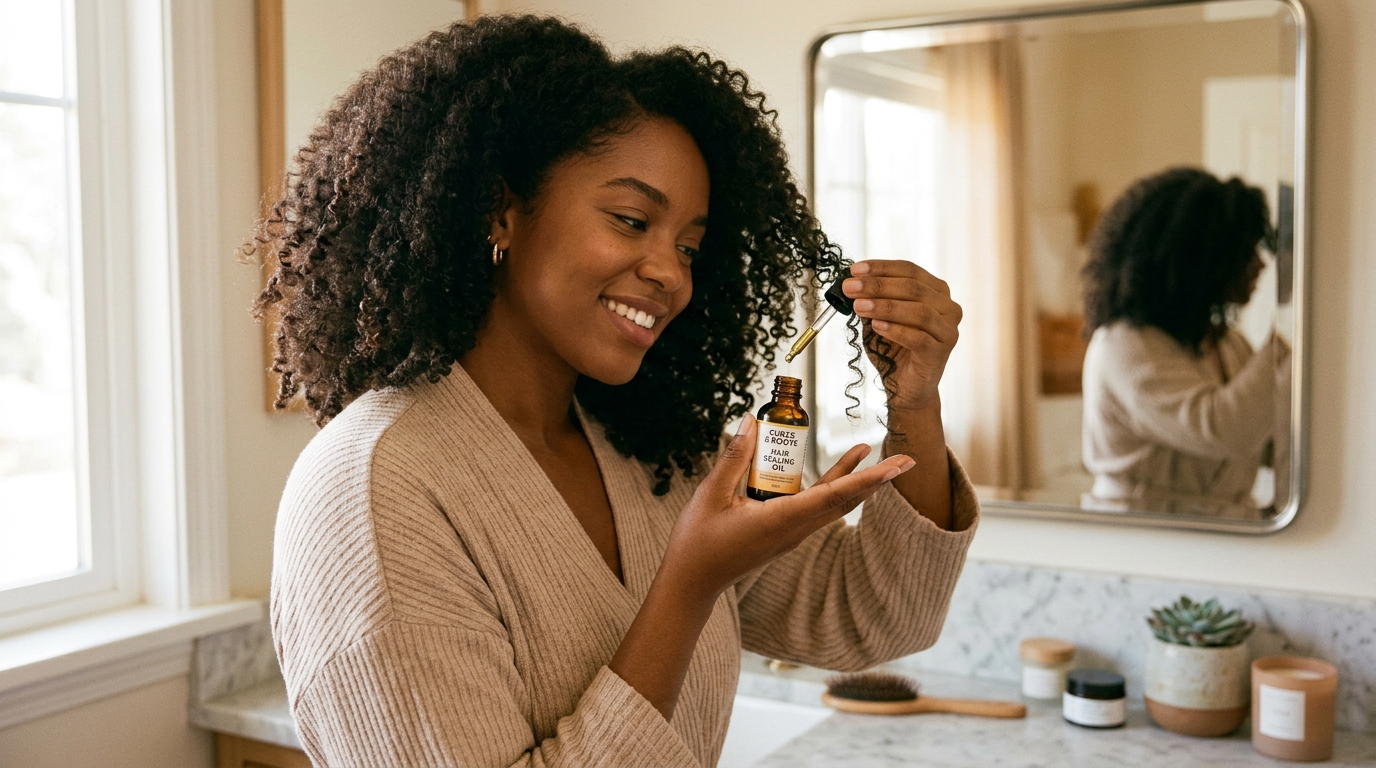
If protein treatments patch the holes, sealing techniques guard the door. For high porosity hair, this step matters more than what conditioner you use.
The LOC and LCO Methods
LOC stands for Liquid, Oil, Cream. LCO stands for Liquid, Cream, Oil. Both follow the same principle: apply moisture first, then layer heavier products on top to trap it inside.
Liquid goes first. Water or a water-based leave-in provides the actual moisture. Oil and cream come next, in whichever order works for your hair. The cream adds hydration and slip. The oil creates a physical barrier that slows moisture loss through the cuticle gaps.
For high porosity hair, the sealing layer is everything. Without it, that liquid evaporates within an hour. With a proper seal, it can last a day or more.
Choosing the Right Oils
Light oils like argan and jojoba absorb into the strand quickly, which is great for low porosity hair but not heavy enough to seal high porosity. You want heavier, more viscous oils that sit on the surface and create a real barrier.
Castor oil is thick, sticky, and one of the best sealants available. A little goes a long way. Mix it with a lighter oil if the texture is too heavy.
Olive oil coats the strand effectively and has research backing its ability to reduce hygral fatigue (the swelling and contracting that damages hair when it repeatedly absorbs and loses water).
Avocado oil provides both sealing and some internal moisture. A good middle ground between a penetrating oil and a sealant.
Shea butter is technically a fat, not an oil, but it’s an excellent sealant for thicker textures. Warm it between your palms until it melts, then smooth over your hair.
Additional Sealing Tricks
Cold water final rinse. End every wash with the coldest water you can tolerate. Cold water causes the cuticle to contract and lie flatter. It won’t fix structural damage, but it physically closes the scales as much as possible.
Always finish washing high porosity hair with a cold water rinse. Cold water causes the cuticle to contract and close, which helps seal in the moisture and products you just applied.
Apple cider vinegar rinse. Dilute one part ACV in three to four parts water and pour over your hair after conditioning. The acidity (around pH 3-4) helps flatten the cuticle temporarily. The International Journal of Trichology has noted that lower pH solutions smooth the cuticle layer. Limit to once a week since too much acid can dry the scalp.
Best Products and Ingredients
Protein Treatments
Rice water is a traditional treatment with real science behind it. Inositol, a carbohydrate in rice water, strengthens hair and reduces surface friction. Make it at home by soaking rice in water for 12-24 hours, strain, and use as a rinse.
Hydrolyzed keratin, silk, and wheat proteins appear in commercial deep conditioners and protein treatments. “Hydrolyzed” means the proteins are broken into fragments small enough to bind to the hair shaft. Look for these in the first five to seven ingredients for meaningful concentration.
Egg treatments are an old-school protein source. The albumin in egg whites temporarily coats the strand. Apply to damp hair, leave for 20 minutes, rinse with cool water. Warm water will cook the egg in your hair.
Moisture and Conditioning
Deep conditioners should be a weekly non-negotiable. Look for ones with a mix of humectants (glycerin, honey, aloe vera) and emollients (fatty alcohols, natural butters).
Leave-in conditioners are essential for high porosity hair. Not optional. A leave-in provides continuous light moisture and helps smooth the cuticle between wash days. Apply to damp hair before sealing with oil.
Anti-humectants are your friend in humid weather. Ingredients like certain silicones and polyquaterniums create a barrier that prevents your hair from absorbing excess atmospheric moisture. In dry climates, use humectants. In humid climates, use anti-humectants. Adjust seasonally.
What to Avoid
Drying alcohols (alcohol denat, isopropyl alcohol, SD alcohol) strip moisture from hair that already can’t retain it. Not all alcohols are bad though. Fatty alcohols like cetyl alcohol and cetearyl alcohol are actually conditioning agents.
Sulfate shampoos strip natural oils too aggressively for most high porosity hair. Switch to a sulfate-free or co-wash formula. Use a gentle clarifying shampoo no more than once a month if you need a deeper clean.
Products with no sealing agents. A water-based spray alone will hydrate for 15 minutes, then leave hair drier than before as the water evaporates through the open cuticle. Always follow water-based products with something that seals.
Can You Improve Your Hair’s Porosity?
The damaged cuticle on existing hair will not regrow or heal. Hair is dead tissue once it leaves the follicle. No product can regenerate cuticle cells stripped away by bleach, heat, or friction.
But that doesn’t mean you’re stuck.
You can coat and protect existing hair. Protein treatments fill gaps temporarily. Oils and butters create a substitute barrier. These patches wash out and need reapplication, but consistent use can make high porosity hair behave almost like medium porosity between washes.
You can prevent further damage. Lower heat tools to 300 degrees or below. Always use heat protectant. Space out chemical treatments. Switch to silk pillowcases and microfiber towels. Every source of friction you eliminate slows the damage.
You can grow new, healthier hair. New growth emerges with intact cuticles. Protect it from day one (gentle handling, minimal heat, protein maintenance) and it will retain its lower porosity. The AAD recommends limiting heat styling and chemical treatments as the single most effective way to maintain hair integrity. Regular trims every eight to twelve weeks accelerate this process by removing the most damaged ends.
The goal isn’t to “cure” high porosity. It’s to manage it effectively while growing healthier hair. With the right routine, high porosity hair can look and feel excellent.
Key Takeaways
- High porosity hair has a raised or damaged cuticle that absorbs moisture fast but can’t retain it. This one fact explains nearly every symptom.
- Protein and moisture must stay in balance. Protein fills cuticle gaps. Moisture keeps hair flexible. Too much of either causes problems.
- The LOC or LCO method (Liquid, Oil, Cream) is the most effective daily sealing technique. Use heavier oils like castor, olive, or avocado for a real barrier.
- Existing damaged cuticle won’t regenerate, but protein treatments and sealing products create effective temporary patches that make hair manageable.
- Preventing further damage (lower heat, fewer chemicals, gentle handling) is just as important as treating existing damage.
- Cold water rinses and diluted apple cider vinegar rinses help flatten the cuticle temporarily.
- New growth will have intact cuticles if you protect it from the start. Over time, you replace damaged lengths with healthier hair.
Frequently Asked Questions
No. Some people have naturally high porosity hair due to genetics, especially common in tightly coiled textures where the curl pattern creates natural lift points in the cuticle. Genetic high porosity isn’t damage. The management strategies are the same (protein, sealing, moisture), but you’re working with your hair’s natural structure rather than repairing anything.
Every one to two weeks is a good starting point, but your hair will tell you what it needs. Use the elasticity test: if a wet strand stretches without springing back, it’s time for protein. If your hair feels stiff or snaps easily, back off protein and focus on moisture. There’s no universal schedule because damage levels vary.
You can, but proceed carefully. High porosity hair absorbs color quickly and unevenly, which can lead to patchy or overly dark results. It also loses color faster because dye molecules escape through the cuticle gaps. Use a demi-permanent or semi-permanent formula instead of permanent to avoid forcing the cuticle open further. Apply to dry hair so it doesn’t absorb too quickly, process for less time than the instructions suggest, and always do a strand test first.
Low porosity hair has a tightly closed cuticle. Products and water sit on the surface instead of absorbing. It takes longer to get wet, longer to dry, and can feel product-heavy from buildup. High porosity is the opposite: everything absorbs instantly and escapes just as fast. The management approaches are nearly reversed. Low porosity needs help getting moisture in (heat, lighter products, clarifying washes). High porosity needs help keeping moisture from getting out (sealing, protein, heavier products). Our high vs low porosity comparison breaks this down in detail.
Yes, and it’s one of the easiest changes you can make. Cotton pillowcases create friction against your hair all night, and for high porosity hair with a compromised cuticle, that friction causes further lifting and damage. Silk and satin have smooth, low-friction surfaces that let your hair glide instead of catching. A silk pillowcase or satin bonnet won’t fix existing damage, but it stops one significant source of ongoing mechanical stress. Over months, the difference in breakage and frizz is noticeable.
—
Sources & References
- Robbins, C.R., Chemical and Physical Behavior of Human Hair, 5th ed., Springer (2012).
- Gavazzoni Dias, M.F., “Hair Cosmetics: An Overview,” International Journal of Trichology (2015).
- Inamasu, I. et al., “Rice Bran Extract for Hair Care,” International Journal of Cosmetic Science (2010).
- Ruetsch, S.B., et al. “Secondary ion mass spectrometric investigation of penetration of coconut and mineral oils into human hair fibers: relevance to hair damage.” Journal of Cosmetic Science, vol. 52, no. 3, 2001, pp. 169-184. PMID: 11413497.
- American Academy of Dermatology, “Tips for Healthy Hair” (aad.org).
- McMullen, R. & Jachowicz, J., “Optical Properties of Hair,” Journal of Cosmetic Science (2003).
Try different hairstyles on yourself
Upload your photo and see how any hairstyle looks on you before committing.
Try HairStyleMojo Free