
High vs Low Porosity Hair: A Side-by-Side Comparison
Porosity is the single most useful thing you can know about your hair. More useful than curl type. More useful than thickness. It determines how your hair absorbs moisture, holds onto it, and responds to products. Two people with the same curl pattern can have completely opposite care needs if one has high porosity and the other has low.
The problem is that most porosity content online lumps everything into one vague explainer. This guide puts high and low porosity side by side so you can see exactly where they differ and what each one actually needs.
The Core Difference in 30 Seconds
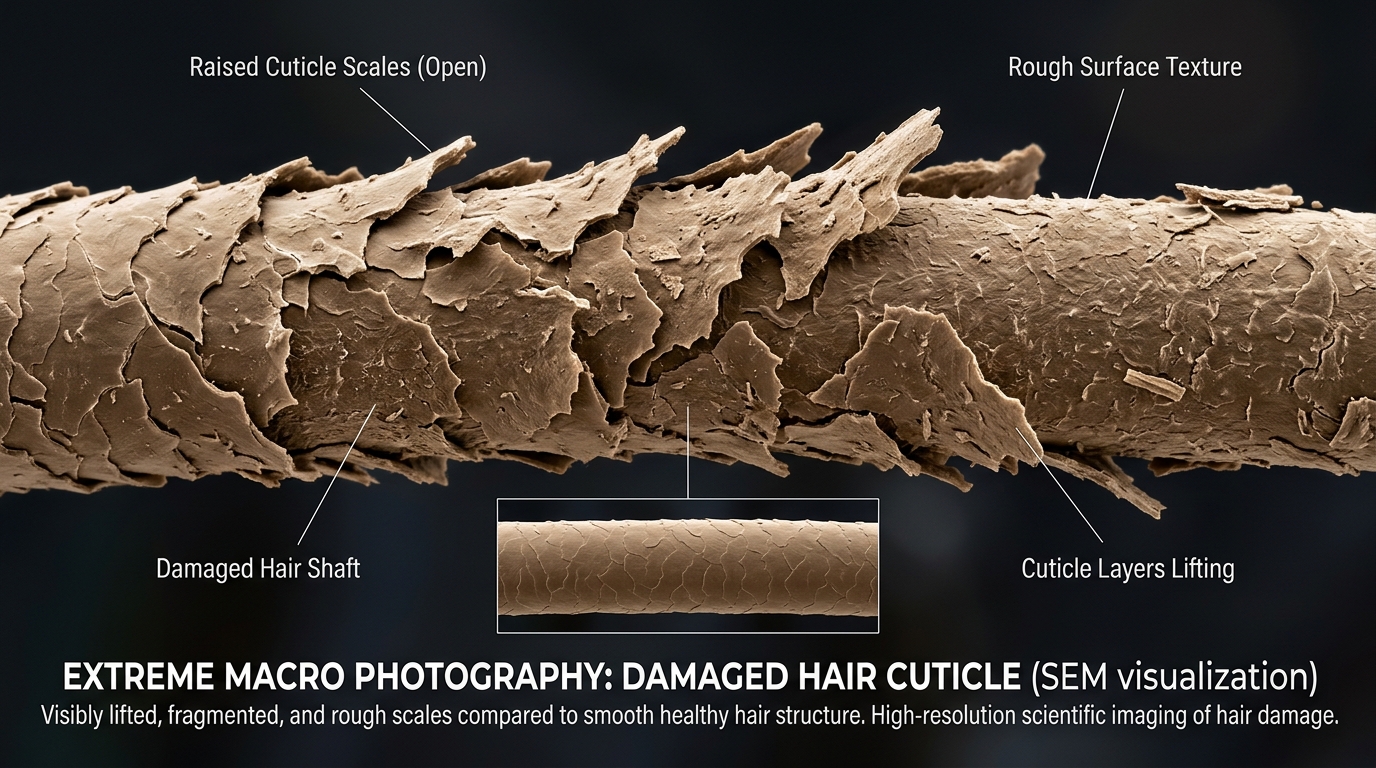
Low porosity hair has a tightly sealed cuticle layer. The shingle-like scales that cover each strand lie flat and overlap snugly. Moisture has a hard time getting in. Once it does get in, it stays. But getting it in is the battle.
High porosity hair is the opposite. The cuticle layer is raised, has gaps, or is partially worn away. Moisture floods in with zero resistance. But it floods right back out. Your hair absorbs everything and retains almost nothing.
Both types need specific strategies. Low porosity needs help opening the door. High porosity needs help keeping it shut. Every product choice, every technique, every styling decision flows from that one distinction.
How Each Absorbs Water
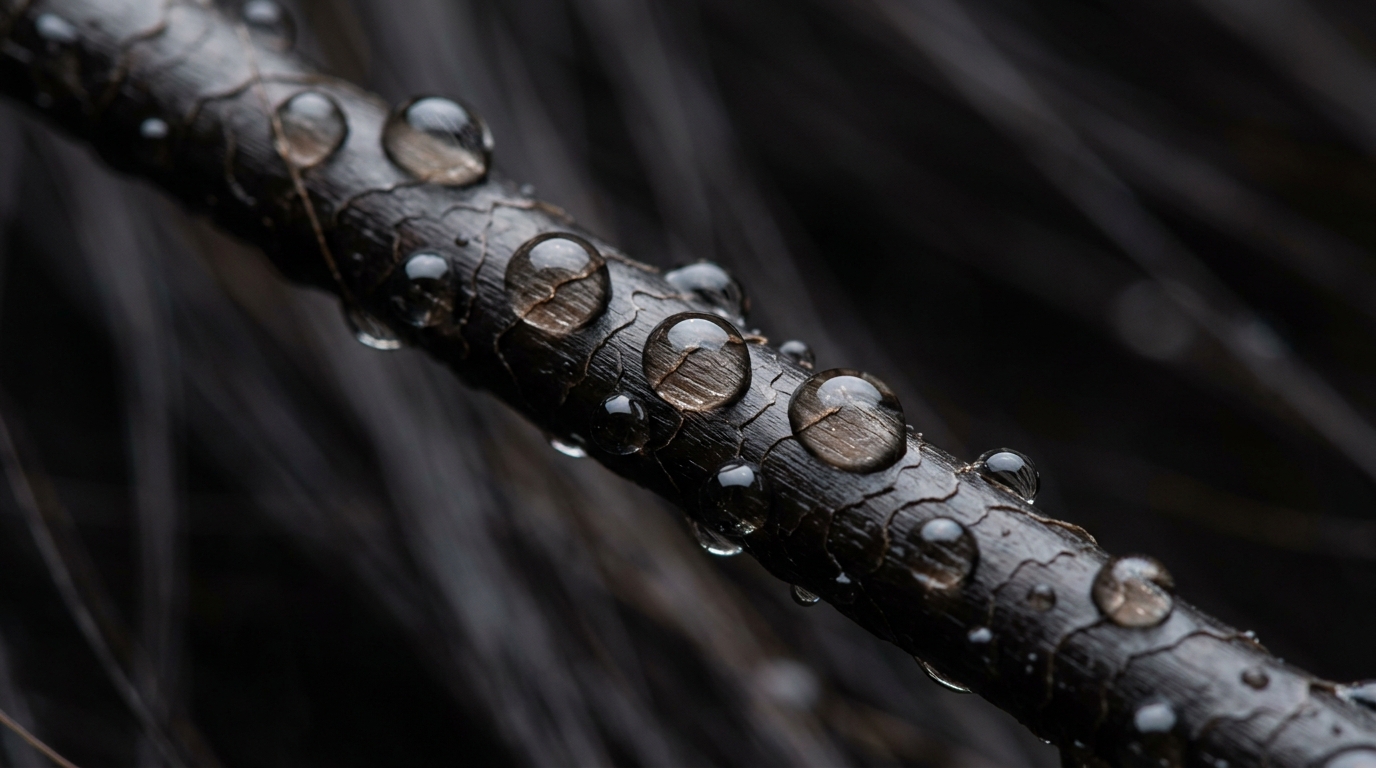
This is the quickest way to spot the difference in real life.
A simple trick to remember the difference: low porosity resists moisture entry, high porosity cannot retain moisture. Your entire routine should be built around solving whichever problem applies to you.
Low porosity: Water beads up on the surface. In the shower, it takes real effort to get low porosity hair fully saturated. You’ll notice water rolling off like it’s hitting a raincoat. Shampoo doesn’t lather easily on the first pass because the hair isn’t wet enough underneath. Conditioner sits on top of the strand instead of sinking in.
High porosity: Water absorbs almost instantly. Hair darkens the second it touches water. You know how a paper towel soaks up a spill? That’s high porosity hair in the shower. Products disappear into the strand within seconds.
The classic float test captures this. Drop a clean strand into a glass of room temperature water. Low porosity hair floats on the surface. High porosity hair sinks to the bottom within a minute or two. It’s not lab-grade science, but it works as a quick reality check.
The practical impact is significant. Low porosity hair needs warm water and extra time to absorb treatments. High porosity hair absorbs treatments instantly but needs heavier products to actually hold onto them.
How Each Dries
Drying behavior follows the same logic as absorption, but the timing catches people off guard.
Low porosity: Slow to dry. Surprisingly slow. Because the cuticle is so tightly sealed, once moisture finally gets inside, it has trouble getting back out. Air drying low porosity hair can take hours, sometimes most of a day depending on density and length. Many people with low porosity hair assume their hair is thick or dense when it’s really just holding water hostage.
High porosity: Dries fast. Sometimes alarmingly fast. That open cuticle lets moisture evaporate with minimal resistance. High porosity hair can go from soaking wet to fully dry in under an hour, even without heat. This rapid evaporation is also why high porosity hair often feels dry and rough by the afternoon even after a thorough wash-and-condition routine in the morning.
If your hair takes forever to dry but feels properly moisturized once it does, you’re probably dealing with low porosity. If it dries before you’ve finished getting dressed and feels crunchy by lunch, that points to high porosity.
See how different hairstyles look on you — upload your photo and try any style with our AI tool.
Try HairStyleMojo Free →How Each Reacts to Humidity
Humidity is moisture in the air. Hair responds to it based on how easily that moisture can enter the strand.
Low porosity: Relatively resistant to humidity. That sealed cuticle acts as a natural barrier. Water vapor in the air can’t penetrate easily, so the hair holds its style reasonably well in humid conditions. Low porosity hair isn’t immune to frizz, but it handles a muggy day much better than high porosity hair does.
High porosity: Frizz. Lots of it. When the cuticle is open, atmospheric moisture rushes in through those gaps and causes the hair shaft to swell unevenly. That uneven swelling is what frizz actually is. High porosity hair in a humid climate without proper sealing products becomes unpredictable within minutes of stepping outside.
This is one reason anti-humidity serums and silicone-based products work so well for high porosity hair. They create an artificial barrier where the natural one is compromised. Low porosity hair rarely needs that extra layer and may actually suffer from silicone buildup because the sealed cuticle prevents the product from absorbing.
If you have mixed porosity across your head, keep two sets of products and treat each zone differently during wash day. The extra two minutes of targeted application makes a noticeable difference within weeks.
How Each Holds Color
If you’ve ever wondered why some people’s color lasts for months while others fade after three washes, porosity is almost always the answer.
Low porosity: Resists color uptake. Because the cuticle is tightly closed, hair dye molecules have trouble penetrating the strand. Processing takes longer. Your stylist may need to apply heat or extend timing to get the dye inside. But once it’s in, it stays. Color on low porosity hair tends to last significantly longer because the same sealed cuticle that made absorption difficult now prevents the color from escaping.
High porosity: Takes color quickly and easily. Open cuticles let dye molecules flood right in. The color looks vivid on day one. By week two, it’s already fading. By week four, it may look washed out. The same gaps that allowed the color in let it wash back out with every shampoo.
If you color your high porosity hair, a few adjustments help. Use sulfate-free, color-safe shampoo. Rinse with cool water (this temporarily contracts the cuticle, slowing color loss). Apply a color-depositing conditioner between salon visits. And consider semi-permanent formulas that don’t require opening the cuticle further with developer.
Low porosity hair benefits from applying color on slightly damp, warm hair. The warmth gently lifts the cuticle just enough for the dye to enter. A processing cap that traps body heat accelerates this.
Product Differences
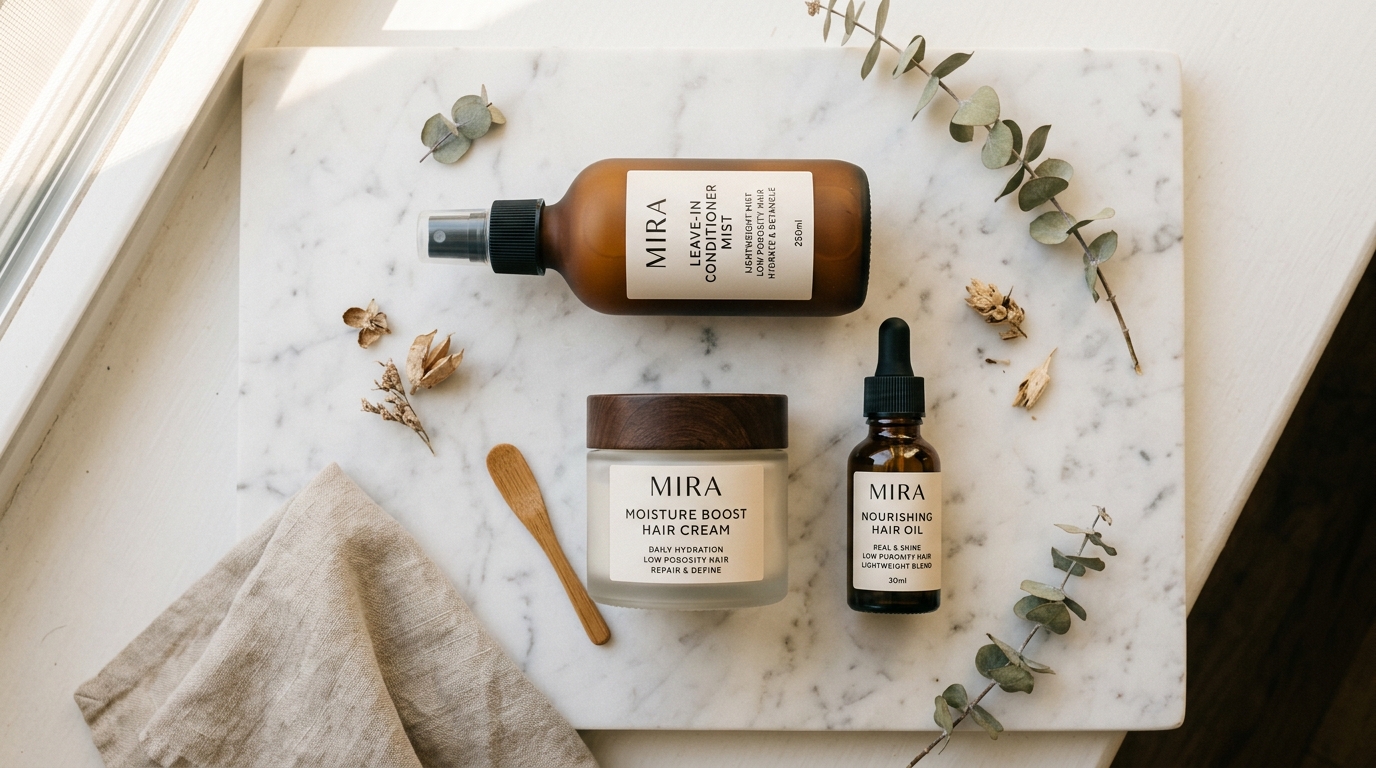
This is where the rubber meets the road. Picking the wrong products for your porosity type is the number one reason people think their hair is “just difficult.”
Low porosity products: Lightweight, water-based formulas are your best friends. Heavy oils, thick butters, and rich creams sit on top of low porosity hair instead of absorbing. They build up over time, leaving hair limp, greasy-looking, and weighed down.
Stick with liquid-based leave-ins, light oils like argan or grapeseed, and gel-based stylers. Clarifying shampoo once every two weeks removes any product that has accumulated on the surface. Deep conditioning works best with gentle heat (a warm towel or hooded dryer) because the warmth temporarily opens the cuticle enough for the treatment to actually penetrate.
Avoid coconut oil if you have low porosity hair. Research published in the Journal of Cosmetic Science confirmed that coconut oil’s ability to penetrate the hair shaft depends heavily on porosity. It works brilliantly for high porosity hair but tends to coat and build up on low porosity strands without absorbing.
High porosity products: Rich, heavy formulas that low porosity hair rejects are exactly what high porosity hair craves. Thick creams, shea butter, castor oil, and heavy leave-in conditioners help fill cuticle gaps and create a sealing layer that slows moisture loss.
Protein treatments are critical for high porosity hair. Hydrolyzed proteins (keratin, silk, wheat) deposit into the gaps in the cuticle and act as temporary patches. They make the surface smoother, reduce moisture loss, and improve strength. A protein treatment every two weeks, alternating with a deep moisture treatment, keeps the protein-moisture balance in check.
Anti-humectant products (those containing silicones, mineral oil, or beeswax) help high porosity hair in humid climates by providing a physical barrier against atmospheric moisture.
For low porosity, focus on humectants like glycerin and honey that attract moisture. For high porosity, focus on emollients like shea butter and oils that seal moisture in. Knowing this one distinction simplifies product shopping.
The LOC vs LCO Debate
LOC and LCO are layering methods for applying products. The letters stand for the same three things: Liquid, Oil, Cream. The difference is which order you apply the oil and cream. This seemingly small distinction makes a real difference based on your porosity.
LCO for low porosity (Liquid, Cream, Oil): Start with a liquid leave-in or plain water while the cuticle is slightly open from washing. Follow with a lightweight cream that adds moisture. Finish with a thin layer of oil to seal everything in. The logic: low porosity hair has a narrow window for absorption right after washing. The liquid gets in first. The cream layers moisture on top. The oil locks the door.
Treating your whole head with the same porosity-specific routine when you have mixed porosity zones leads to half your hair looking great and the other half looking terrible. Test each section individually.
LOC for high porosity (Liquid, Oil, Cream):
Start with liquid. Apply oil immediately after, while the hair is still wet, to trap that moisture before it escapes through the open cuticle. Finish with cream on top to add an additional sealing layer and provide slip.
The difference matters because high porosity hair loses moisture so fast that if you apply cream before oil, the water has already started evaporating before you get to the sealing step. Oil goes on second to lock in the liquid immediately. Cream comes third as reinforcement.
Some people find the opposite works better for them. That’s fine. Use the porosity-based recommendation as your starting point, then adjust. The important thing is that you’re layering rather than relying on a single product to do everything.
Porosity is the single most important factor in choosing hair products, more important than curl type or texture. Two people with the same curl pattern but different porosity need completely different routines.
Quick Reference Table
| Characteristic | Low Porosity | High Porosity |
|---|---|---|
| Cuticle structure | Tightly sealed, flat | Raised, gaps, or damaged |
| Water absorption | Slow, water beads on surface | Instant, hair darkens immediately |
| Drying time | Very slow (hours) | Fast (under an hour) |
| Moisture retention | Excellent once absorbed | Poor, escapes quickly |
| Humidity response | Relatively resistant | Frizz-prone |
| Color uptake | Slow, requires more processing | Fast and easy |
| Color longevity | Long-lasting | Fades quickly |
| Product type | Lightweight, water-based | Rich, heavy, sealing |
| Oil preference | Light (argan, grapeseed) | Heavy (castor, olive, coconut) |
| Protein needs | Minimal | Regular treatments essential |
| Best layering method | LCO | LOC |
| Biggest challenge | Getting moisture in | Keeping moisture in |
| Clarifying frequency | Every 1-2 weeks | Monthly or less |
| Heat styling impact | Low risk if reasonable | Worsens existing damage |
Key Takeaways
- Low porosity hair has a sealed cuticle that resists moisture. High porosity has an open cuticle that absorbs but can’t retain it.
- The float test (clean strand in water) gives a quick porosity read. Floats = low. Sinks = high.
- Low porosity needs lightweight, water-based products and gentle heat to open the cuticle for treatments.
- High porosity needs rich, heavy products, regular protein treatments, and sealing oils to patch cuticle gaps.
- LCO works better for low porosity. LOC works better for high porosity. The order you seal matters.
Frequently Asked Questions
Yes. You can be born with low porosity and develop high porosity through bleaching, heat damage, or chemical treatments. The reverse doesn’t happen naturally. You can manage high porosity with protein treatments and sealing techniques, but damaged cuticles don’t fully repair themselves. New growth will have your genetic porosity.
Chemical processing always increases porosity. If you color, relax, or perm your hair, your porosity has shifted toward the high end regardless of your natural baseline.
Medium porosity means your cuticle is moderately open. Your hair absorbs moisture at a reasonable rate and holds it fairly well. You have the most flexibility with products. Follow general hair care best practices, avoid excessive heat and chemical processing, and adjust your routine based on what your hair tells you rather than strict rules.
For product selection and care routines, yes. Two people with Type 3B curls will need very different products if one has low porosity and the other has high. Curl type tells you the shape. Porosity tells you how to feed and protect it.
No. Low porosity hair benefits from lighter, protein-free deep conditioners applied with heat. High porosity hair needs protein-rich deep conditioners that help fill cuticle gaps. Using a heavy protein treatment on low porosity hair can lead to protein overload, making hair stiff and brittle.
Low porosity hair benefits from clarifying every one to two weeks because product buildup happens faster on a sealed cuticle. High porosity hair needs clarifying less often, maybe once a month, because products absorb into the strand rather than sitting on top. Over-clarifying high porosity hair strips what little moisture it’s holding onto.
Sources & References
- Robbins, C.R. Chemical and Physical Behavior of Human Hair. 5th ed., Springer, 2012.
- Gavazzoni Dias, M.F. “Hair Cosmetics: An Overview.” International Journal of Trichology, vol. 7, no. 1, 2015, pp. 2-15.
- Rele, A.S., and Mohile, R.B. “Effect of mineral oil, sunflower oil, and coconut oil on prevention of hair damage.” Journal of Cosmetic Science, vol. 54, no. 2, 2003, pp. 175-192.
- Ruetsch, S.B., et al. “Secondary ion mass spectrometric investigation of penetration of coconut and mineral oils into human hair fibers: relevance to hair damage.” Journal of Cosmetic Science, vol. 52, no. 3, 2001, pp. 169-184. PMID: 11413497.
- Syed, A.N. “Ethnic hair care: History, trends and formulation.” Cosmetics & Toiletries, vol. 128, no. 4, 2013, pp. 244-250.
See also: The Complete Guide to Hair Types: From Straight to Coily
Try different hairstyles on yourself
Upload your photo and see how any hairstyle looks on you before committing.
Try HairStyleMojo Free