Braid Hairstyles With Weave
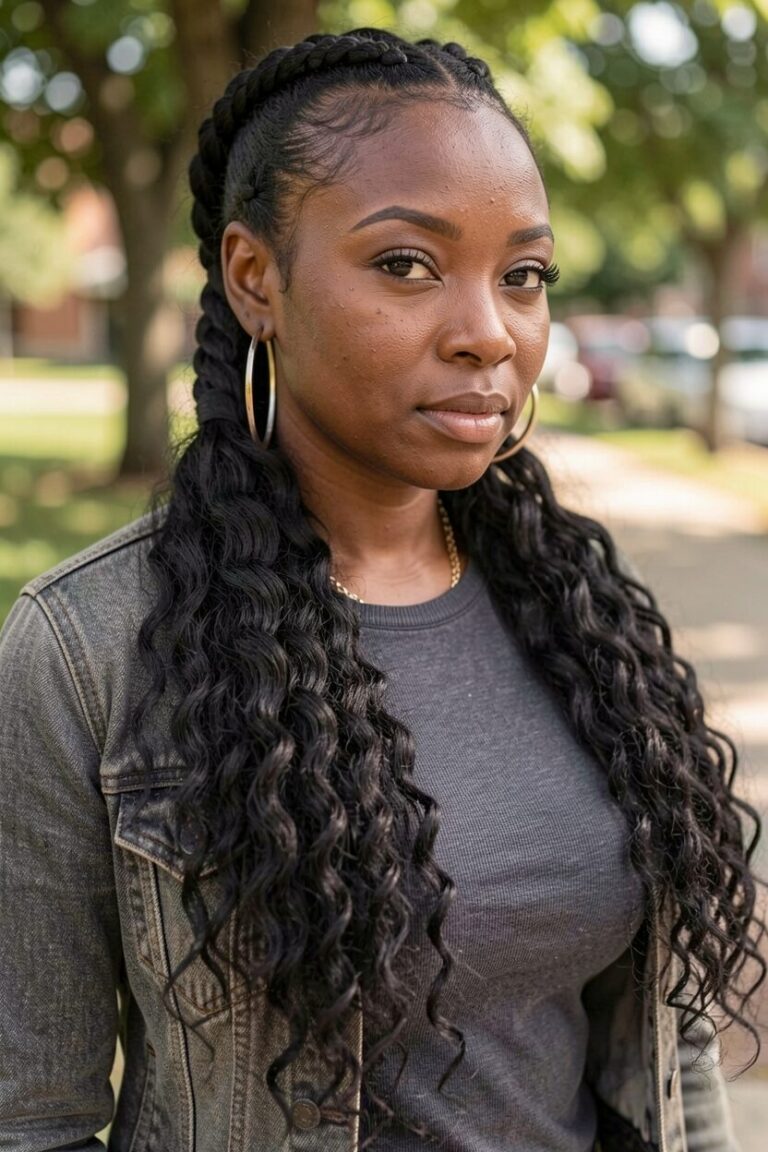
Braids with Weave Weave hairstyles don’t have to be only about wavy and straight. Braids…
A Living Tradition Black hairstyles represent one of the richest and most diverse hair traditions on the planet.
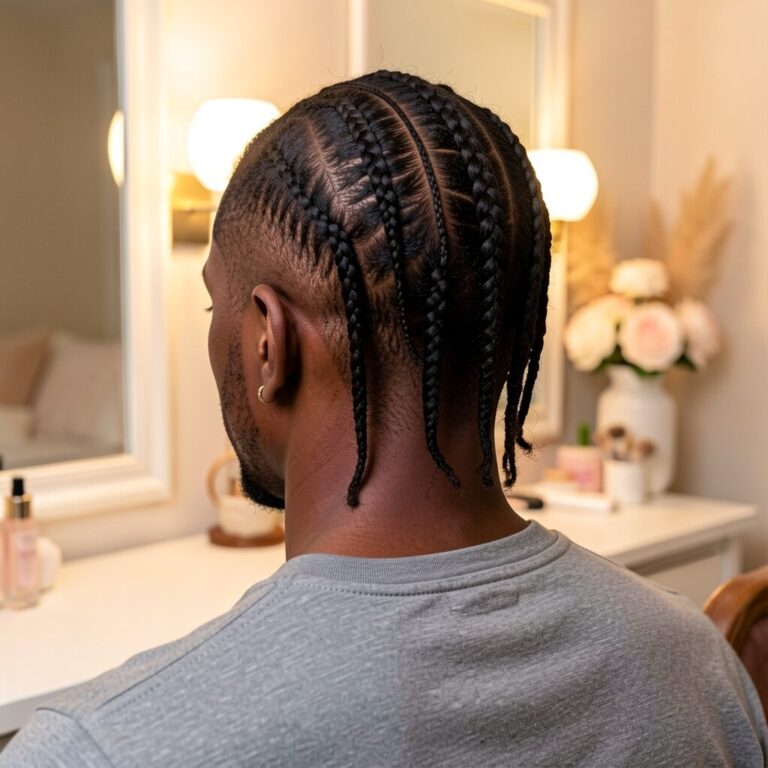
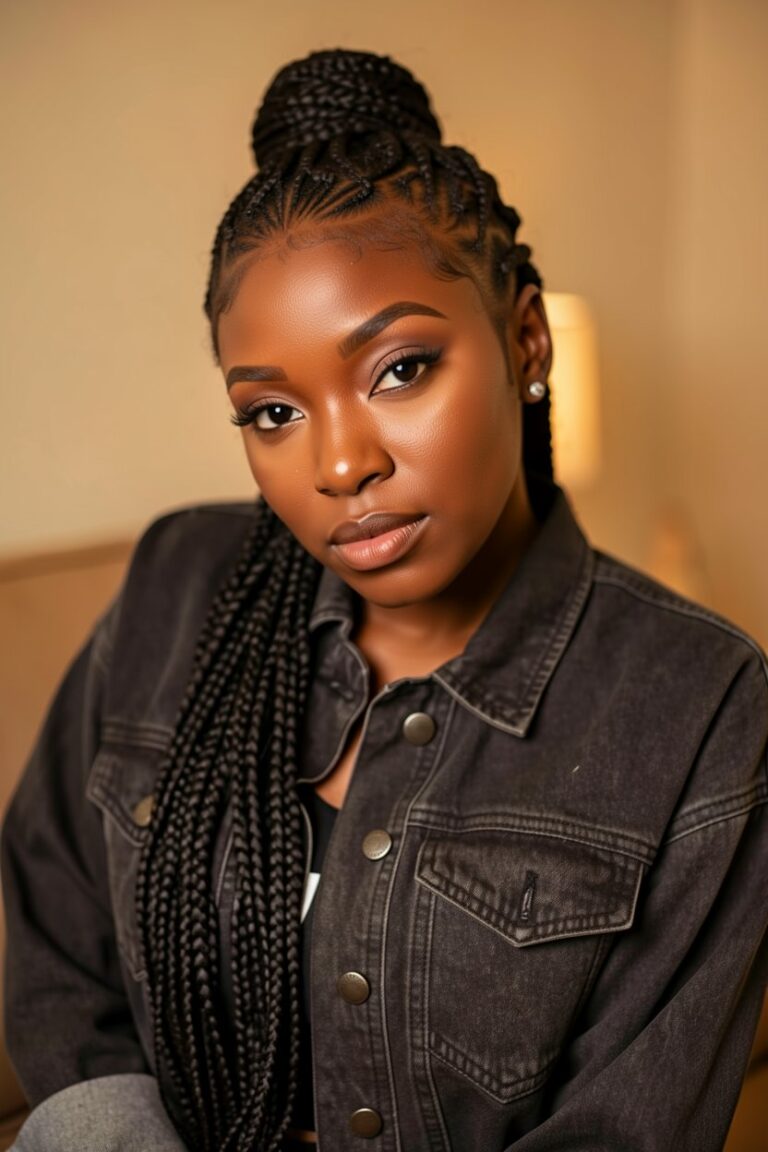
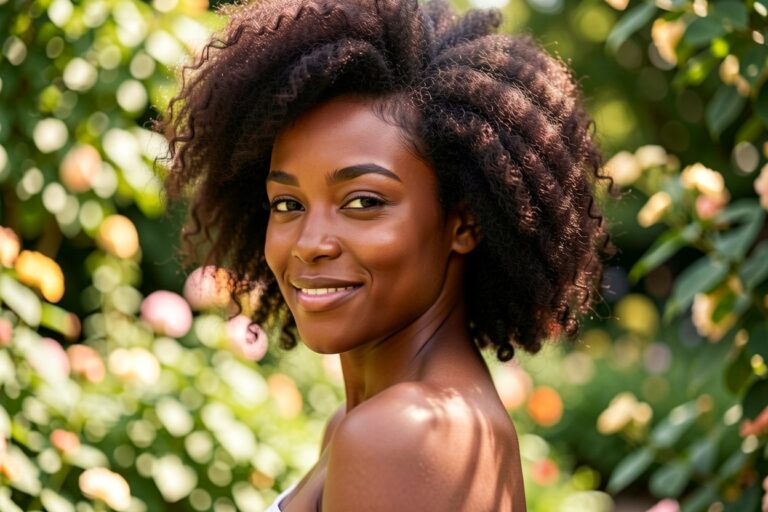
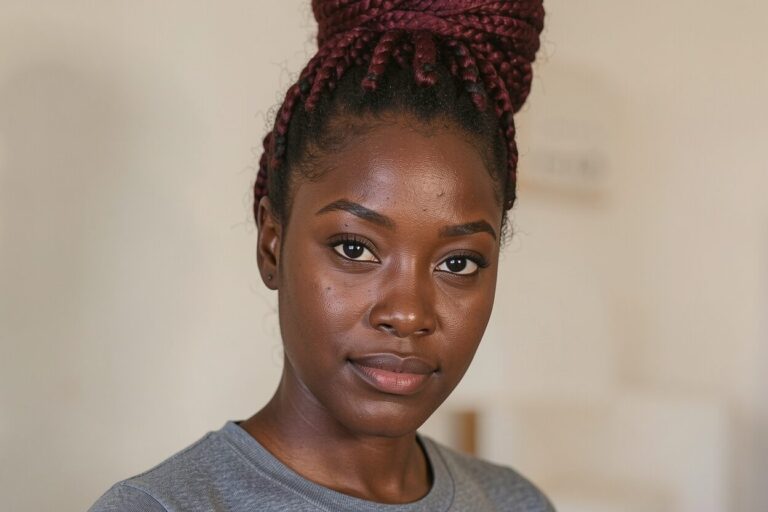
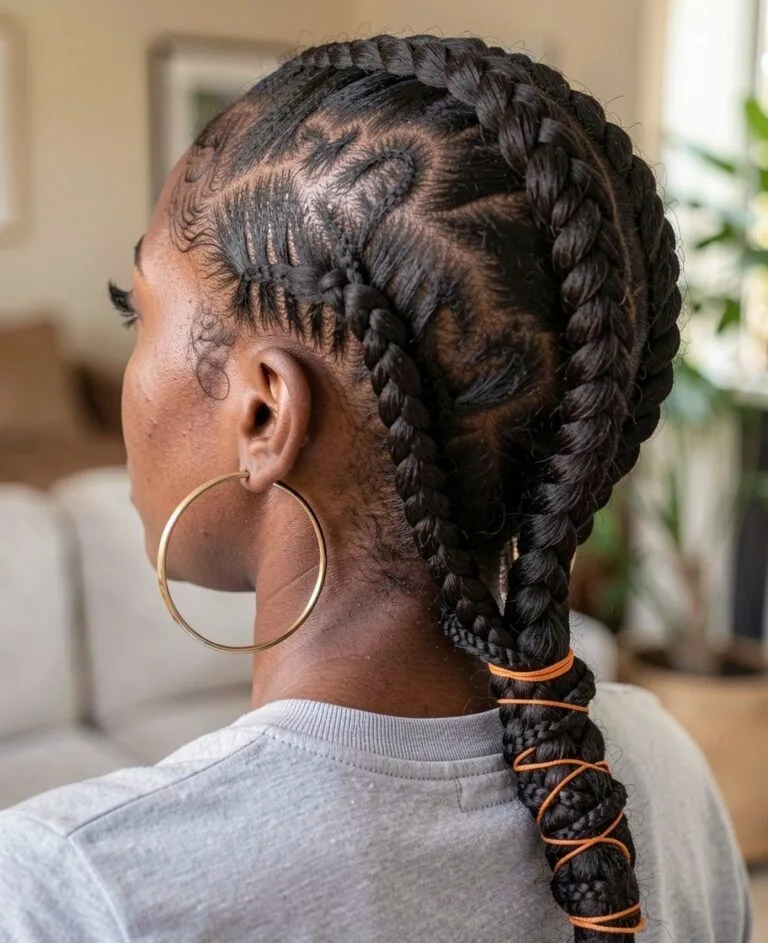
Black hairstyles represent one of the richest and most diverse hair traditions on the planet. From intricate braiding patterns that date back thousands of years across African cultures to modern protective styles that combine heritage with contemporary fashion, this is a category where artistry, identity, and practical hair care intersect. Every style tells a story - whether it's cornrows that carry cultural significance, natural afros that celebrate texture, or silk press transformations that showcase versatility.
For natural hair (types 3C-4C), the primary concerns are moisture retention, shrinkage management, and protective styling that prevents breakage. Wash-and-go styles work for some curl patterns, while others thrive with twist-outs, braid-outs, or stretched styles that show length while keeping curls defined. The key is understanding YOUR specific curl pattern, density, and porosity - what works for a 3C with high porosity will fail on a 4B with low porosity. Product layering matters: the LOC (Liquid-Oil-Cream) or LCO method is the foundation of most natural hair routines.
Protective styles - braids, twists, locs, crochet, weaves, and wigs - are not just aesthetic choices. They're strategic moves to protect fragile ends, reduce manipulation, and give your hair a break from daily styling. Box braids can last 6-8 weeks. Crochet styles install in under 2 hours and look incredible. Locs are the ultimate long-term commitment - a journey that transforms your relationship with your hair over months and years. Each protective style has its own installation cost, maintenance routine, and impact on hair health.
The intersection of Black hair and professional environments is still an evolving conversation. The CROWN Act (Creating a Respectful and Open World for Natural Hair) has been passed in multiple US states to prevent hair discrimination, but social pressure around "acceptable" hair in corporate settings persists. More people are wearing their natural texture and protective styles with pride. The variety of options - from sleek corporate-ready styles to bold creative expressions - means there's always a look that feels authentically you while fitting any environment you choose to navigate.
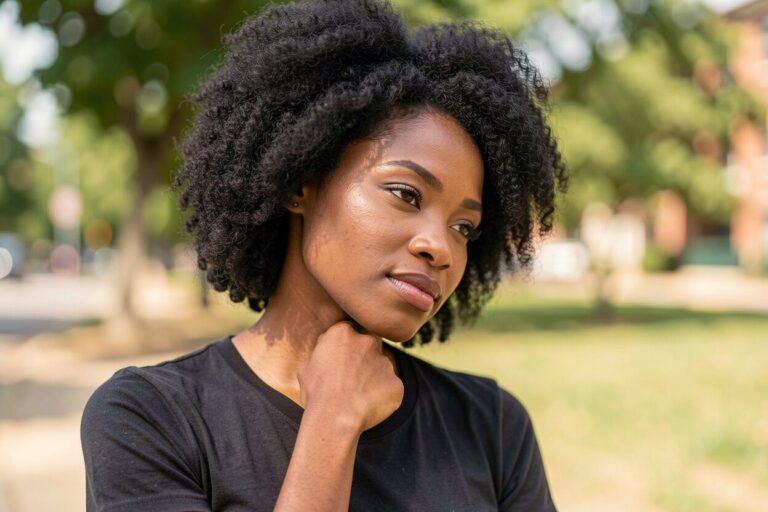
The foundational guide for understanding why and how protective styling works — essential reading before choosing any specific braid, twist, or crochet style.
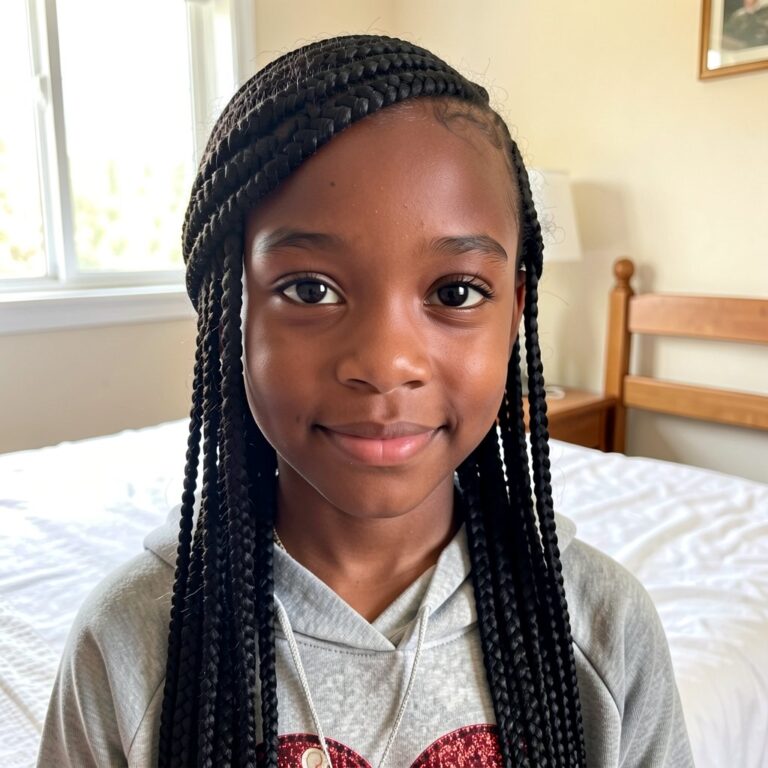
The broadest collection of natural styling options, from everyday wash-and-go looks to styled-out special occasion hair.
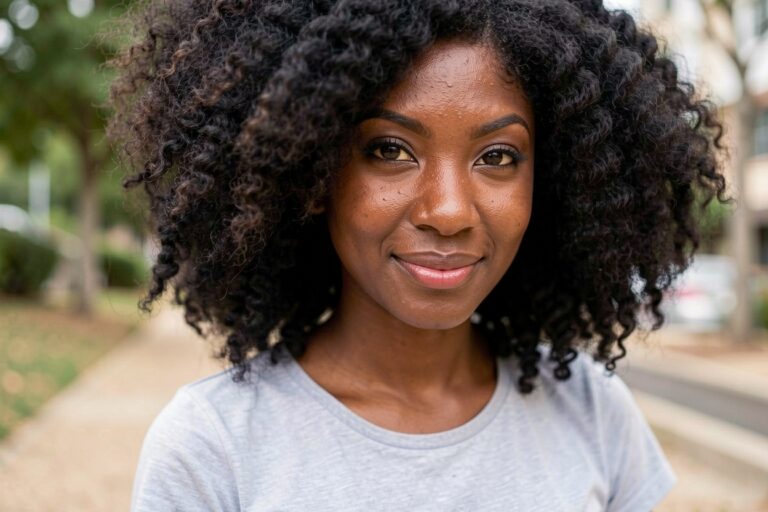
Detailed breakdown of the tightest curl pattern's specific care needs, product recommendations, and styling techniques — critical for anyone with Type 4C texture.
Braids with Weave Weave hairstyles don’t have to be only about wavy and straight. Braids…
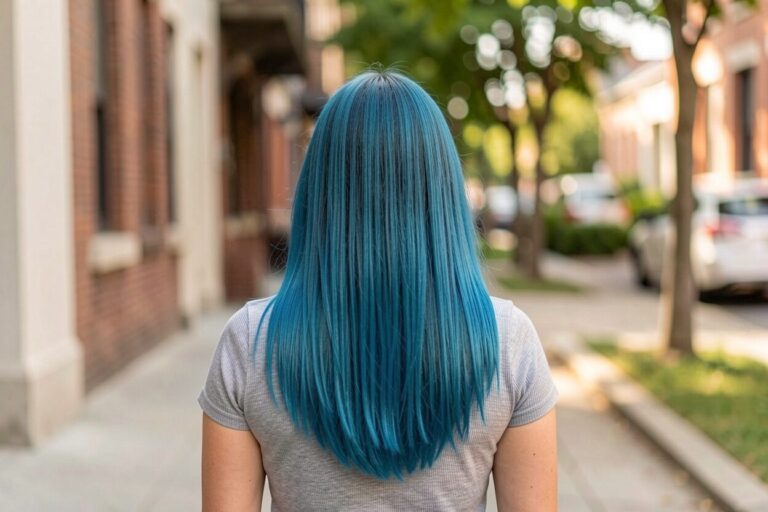
Dark Blue Hair Color Ideas Pastel hair tones are beautiful, but if you like something…
Box Braids Guide: How To Box Braids Out of the dozens of braiding styles that…
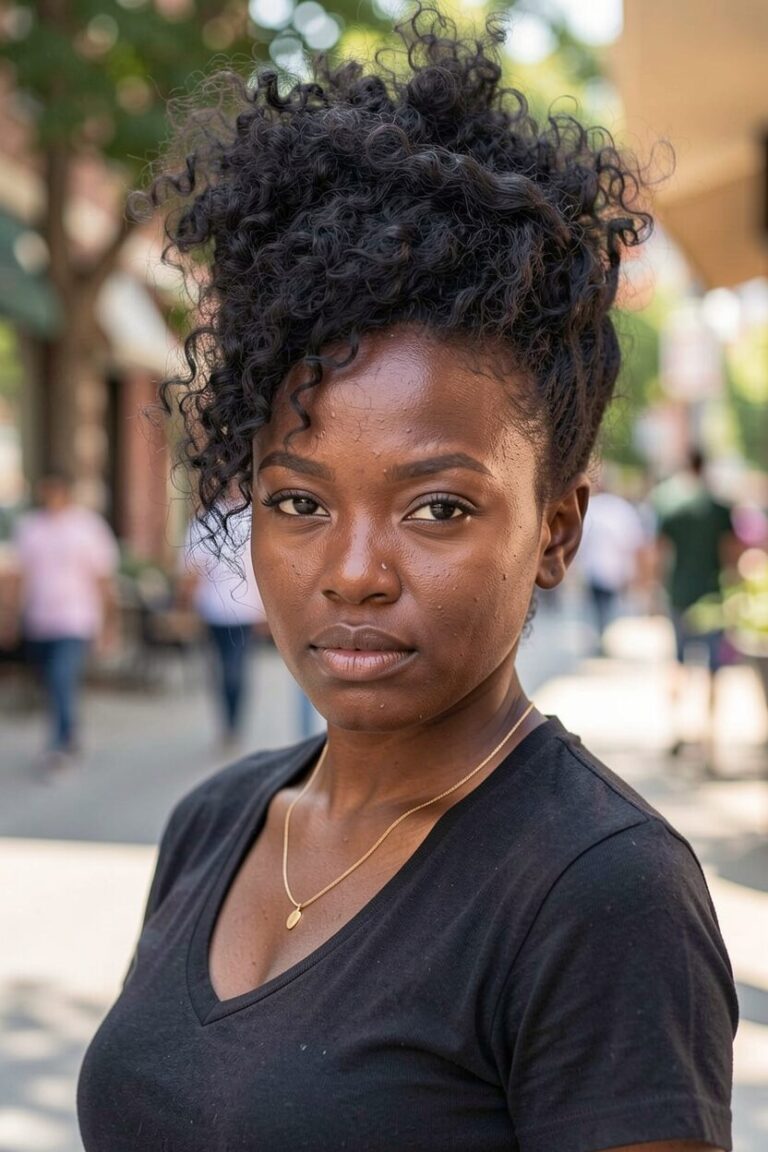
How To Pineapple Your Hair | Pineapple Hairstyles Wondering how to keep your curls intact…

Your Guide to Crochet Braids Crochet braids have taken the natural hair community by storm…

Hairstyles for Plus Size Women What makes women great is that we are all unique…
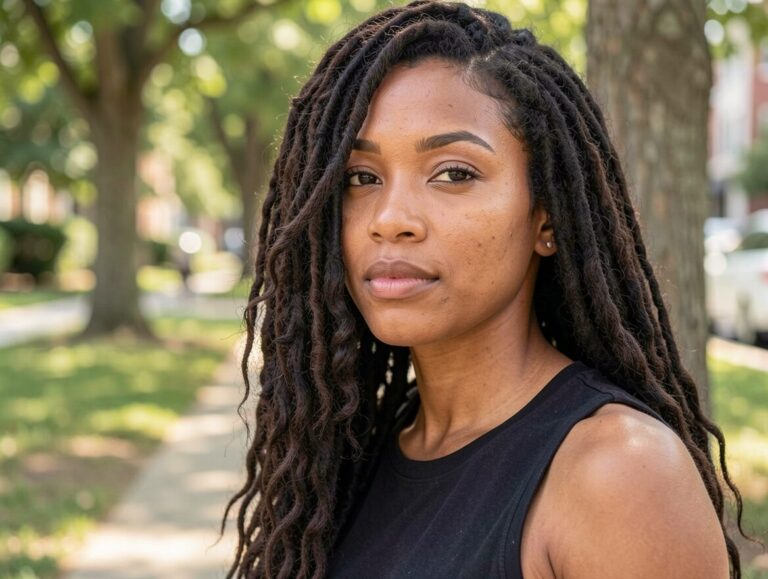
Goddess Locs 101 One of the trendiest ways to wear your hair in a protective…
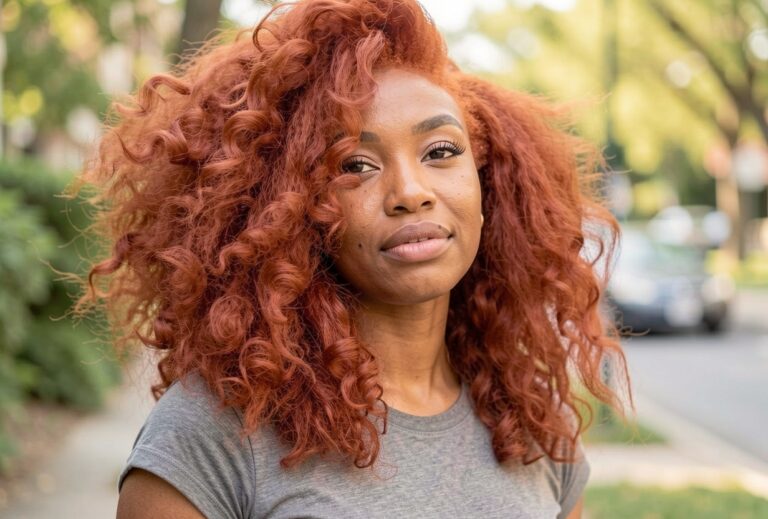
Best Hair Colors for Dark Skin Tones Dark skin tones are not one size fits…
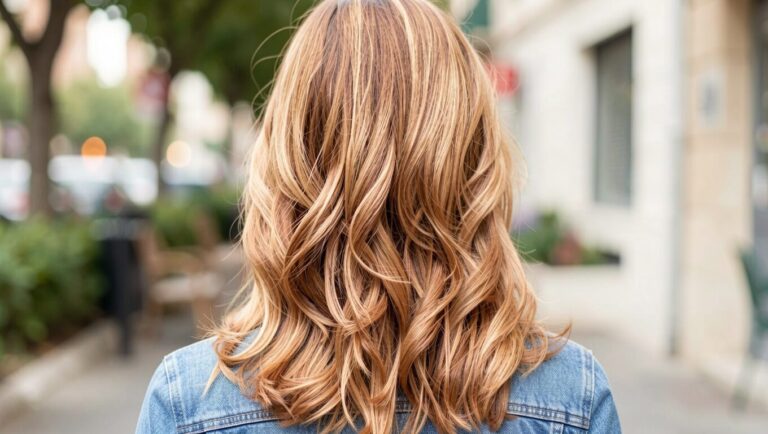
Balayage Hair Color Ideas Celebrity stylist such as Guy Tang have really brought balayage into…
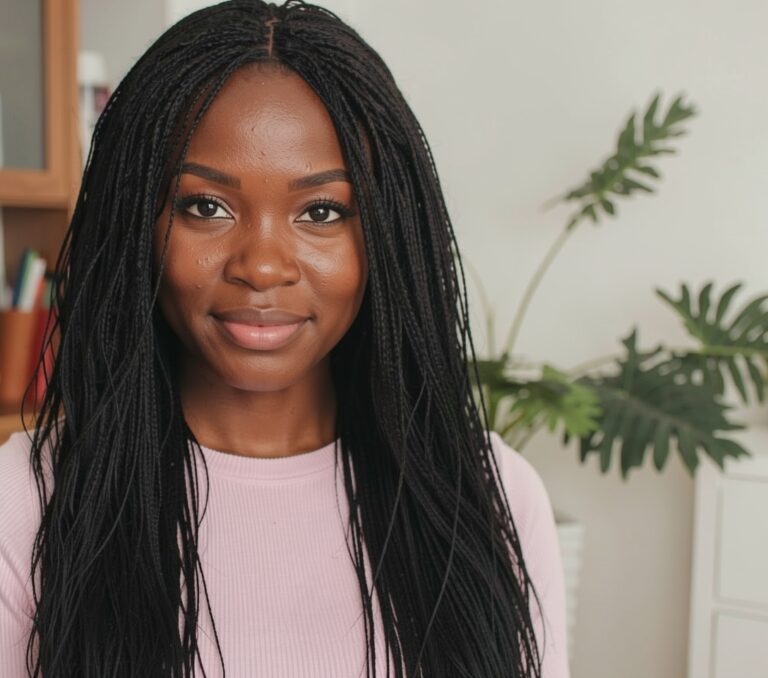
35 Micro Braids Hairstyles Braids are one of the most popular ways to wear natural…
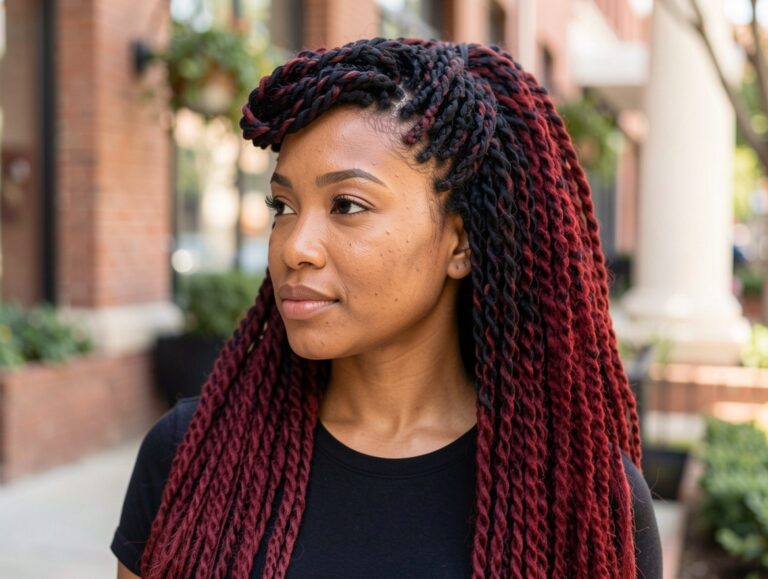
30 Senegalese Twist Styles If you’re looking for a protective hairstyle that keeps your natural…
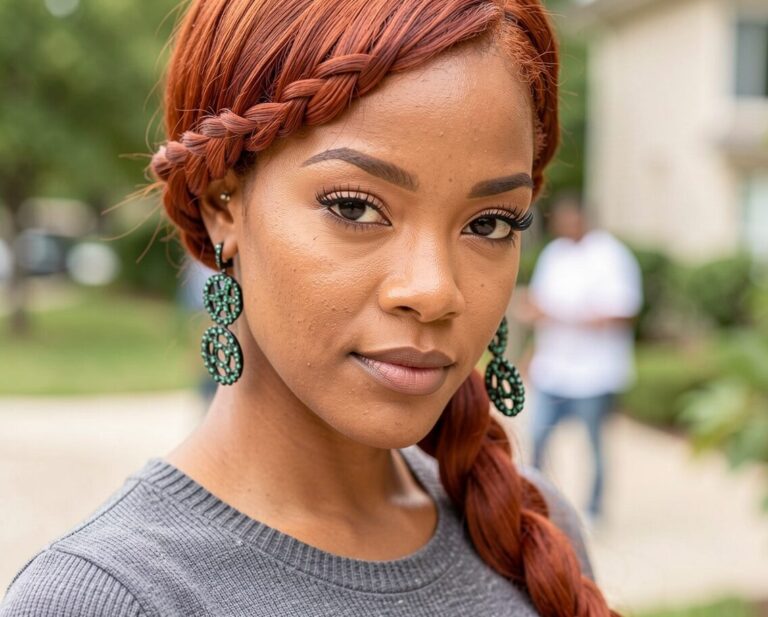
Top 30 Goddess Braids Styles An incredibly versatile style, Goddess braids are like cornrows, but…
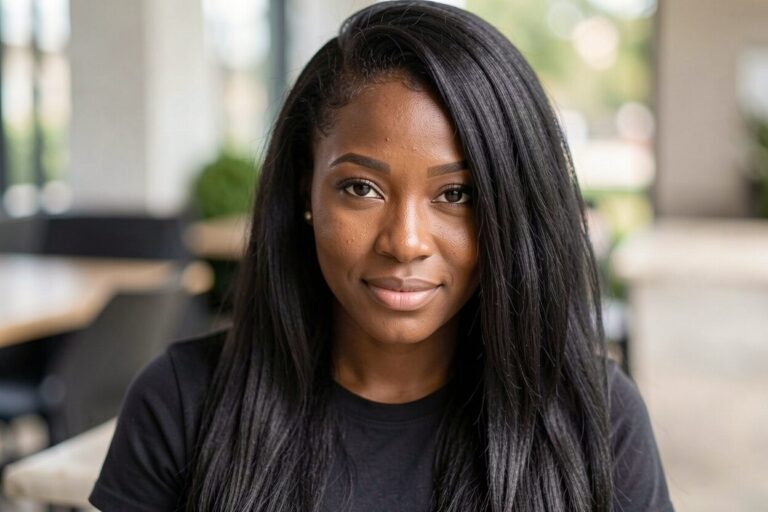
30 Tree Braids Styles There are so many protective hairstyles to choose from to keep…
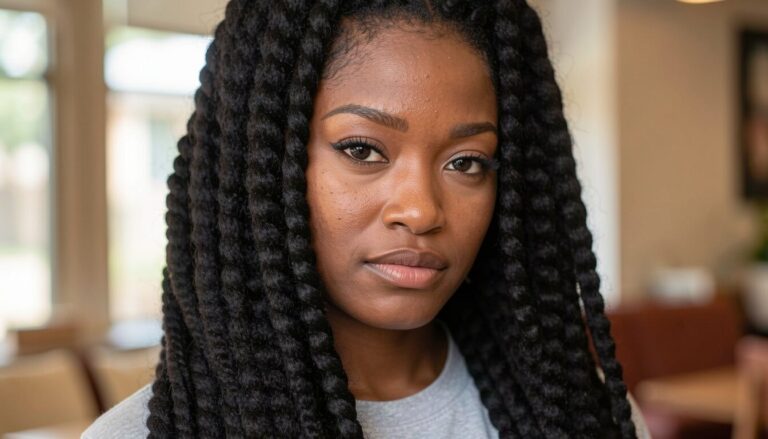
35 Kinky Twist Braids Styles Senegalese, Havana, and Marley? Oh my! With twisted hair being…

35 Stunning Sew In Hairstyles Sew in hairstyles offer up tons of variety for anyone…

35 Crochet Braid Styles with Human Hair For those of you too young to remember…
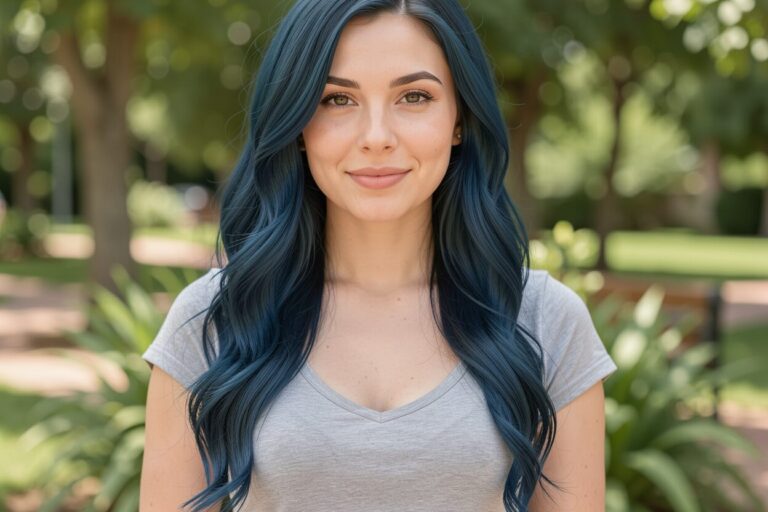
Blue Black Hair Tips And Styles With all of the rainbow hues that continue to be…

20 Black Ombre Hair Ideas Whether you’ve got natural black hair or you choose to…
Use the LOC method (Liquid, Oil, Cream) or LCO method depending on your porosity. Start with plain water or a water-based leave-in conditioner, then seal with a lightweight oil — jojoba for low porosity, castor oil for high porosity — and finish with a shea butter-based cream. Re-moisturize every 2-3 days; in winter or dry climates, you may need daily spritzing. Avoid products listing alcohol denat, SD alcohol, or isopropyl alcohol in the first five ingredients. Deep condition with a heated cap for 20-30 minutes every 1-2 weeks.
Faux locs are temporary extensions wrapped, crocheted, or braided onto your natural hair to imitate the look of mature locs. Installation takes 4-8 hours, costs $150-350 at a salon, and they last 6-8 weeks before removal. Real (permanent) locs start with coils, two-strand twists, or interlocking on your natural hair, then mature over 12-24 months through stages: starter, budding, teen, and mature. Starter locs look undefined and fuzzy for the first 6 months. Real locs require retwisting every 4-6 weeks ($50-100 per session).
Box braids don't inherently damage your hairline — excessive tension does. Traction alopecia from tight braiding is the leading cause of hairline recession in women who wear braids regularly. Protective signs that your installation is too tight: raised bumps along the hairline, a burning or throbbing sensation, or visible pulling at the follicle. Tell your braider to use the feed-in/stitch technique at the hairline, which distributes tension gradually instead of gripping from the root. Take 2-4 week breaks between installations. Limit braid weight by keeping lengths at waist or shorter.
Two-strand twists on your own natural hair (no extensions) cause the least damage because there's zero added weight, no adhesive, and minimal tension at the root. Among extension styles, crochet braids are lighter than box braids or sew-ins because the cornrow base distributes weight evenly and the extensions loop through rather than pulling from individual roots. Wigs on a wig cap (no glue) are also very low-damage if you moisturize the hair underneath. The most damaging styles are glued-in weaves, ultra-long box braids (past hip length), and any style installed so tightly it causes scalp pain.
Start with styles that require minimal sectioning and no heat. A twist-out is the most beginner-friendly: section damp hair into 10-15 parts, apply curl cream, two-strand twist each section, sleep in them overnight, and unravel in the morning for defined curls. Bantu knots follow the same principle but coil each section into a flat knot against the scalp. A puff (pulled into a high ponytail with an afro pick to shape the volume) takes under 5 minutes and works on any length past 3 inches. Flat twists along the front hairline pinned behind the ear are an easy half-up option.
For basic three-strand braids: section hair cleanly with a rat-tail comb, apply a holding cream or edge control to each section for grip, then braid from root to tip using consistent tension — firm enough to hold but not tight enough to pull at the scalp. For cornrows, you braid flat against the scalp by picking up small amounts of hair as you go (similar to a French braid). Start at the hairline and work back. Each cornrow takes 5-10 minutes depending on length.
A tapered TWA (teeny weeny afro) is the most versatile short natural style — keep sides faded to a #2 guard and leave 2-3 inches on top for finger coils or a small twist-out. A tapered cut with defined coils works for 3C-4C hair and requires just a curl sponge and water to style daily. Finger waves with edge control give a sleek, sculpted look for hair 1-3 inches long. Short flat twist updos use 6-8 flat twists pinned at the crown. Most short natural styles take under 15 minutes daily and cost $25-50 for trims every 4-6 weeks.
The Afro became the defining hairstyle of the Black Power movement in the late 1960s and 1970s. Activists like Angela Davis, Kathleen Cleaver, and members of the Black Panther Party wore their natural hair in large, rounded afros as a rejection of Eurocentric beauty standards and the chemical straightening that dominated Black hair culture at the time. The style symbolized racial pride and political resistance. Before the movement, most Black Americans used hot combs or chemical relaxers to straighten their hair.
Cornrows, box braids, and locs originate from African cultures and have been worn by Black communities for thousands of years — archaeological evidence shows cornrowed hairstyles in African sculptures dating to 500 BC. These styles were developed specifically for tightly coiled hair textures (type 4 hair) and served practical, cultural, and spiritual purposes. In many West African communities, braid patterns indicated tribe, age, marital status, and social rank. Today these styles are primarily associated with Black culture, and the CROWN Act (passed in over 20 US states) legally protects the right to wear them in workplaces and schools without discrimination.