
Burgundy Hair Color: From Subtle Wine Tones to Bold Berry
Burgundy is one of those rare hair colors that makes people stop scrolling. It’s rich, it’s dimensional, and unlike most fashion colors, it actually works on just about everyone. Not in a “sure, anyone can try it” way. In a “this color was chemically designed to flatter” way.
Whether you go deep and moody or bright and punchy, burgundy reads as intentional. It looks expensive. And compared to most dramatic color changes, it’s surprisingly achievable without frying your hair.
What Makes Burgundy So Universally Flattering
Burgundy sits at the intersection of red and violet on the color wheel. That’s the whole secret.
Red is warm. Violet is cool. Blend them and you get a color that doesn’t lean hard in either direction. It lives in the middle, which means it complements both warm and cool skin undertones without clashing.
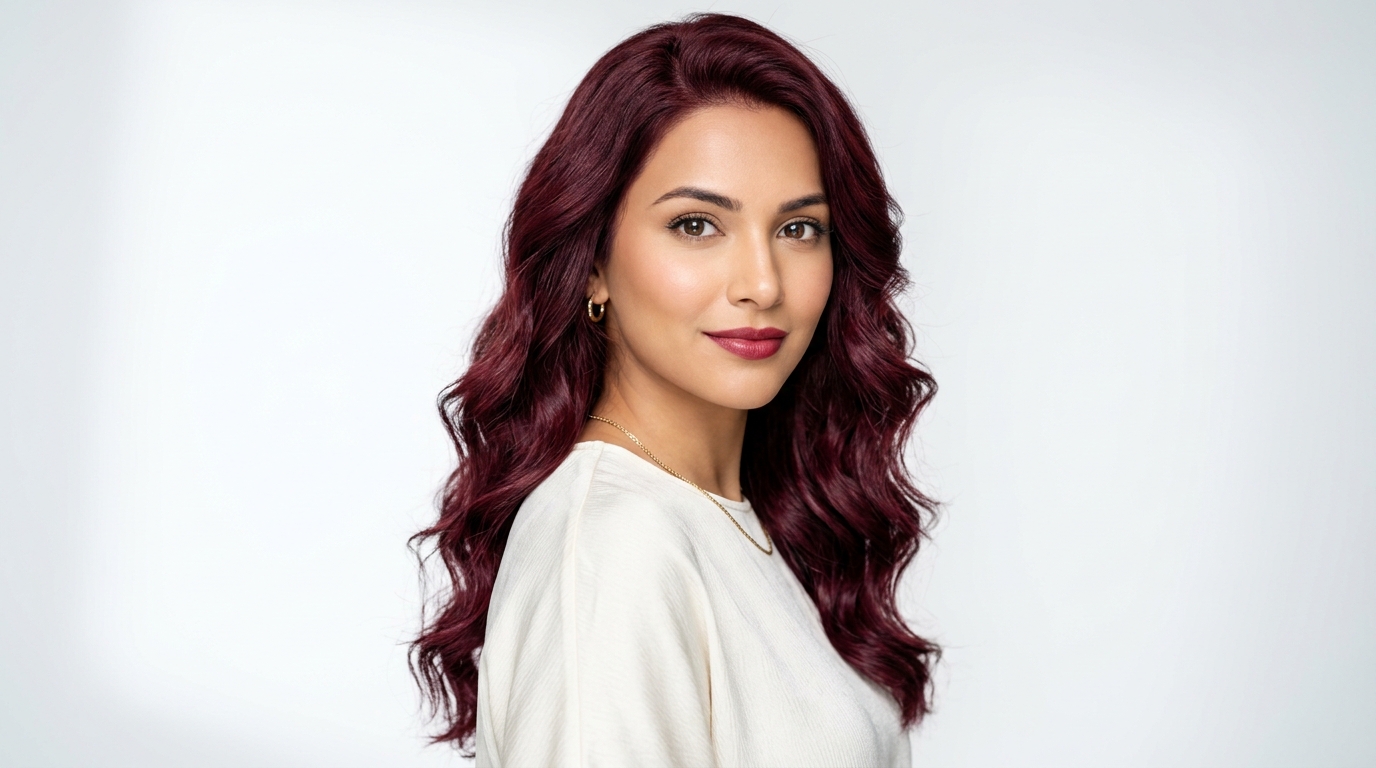
Think about how many hair colors are limited. Copper looks incredible on warm-toned skin but washes out cool undertones. Platinum ash blonde flatters cool tones beautifully but can make warm skin look sallow. Burgundy skips that problem entirely.
There’s another factor. Burgundy is a dark color at its core. Even the brightest versions have depth. Dark colors naturally create contrast around the face, defining features and making skin look clearer. This is why people put on a burgundy wig at a beauty supply store and immediately think “oh, this works.”
It’s not magic. It’s color theory doing exactly what it’s supposed to do.
The Burgundy Shade Range
Saying you want burgundy hair is like saying you want a red car. Fire engine or merlot? The shade you pick changes the entire vibe.
Wine Burgundy
The deepest end of the spectrum. Wine burgundy looks almost black in low light. Step into sunlight or stand under a ring light, and you’ll see rich red-violet undertones come alive. This is the “is that her natural color or…” shade. Subtle, sophisticated, and nearly impossible to mess up. If you’ve never colored your hair before, wine burgundy is a safe first move.
True burgundy gets its name from the Burgundy wine region in France. In hair color, it is a blend of red and violet pigments that creates a deeper, more sophisticated shade than pure red.
Merlot
A step brighter than wine. Merlot is a rich, saturated dark red-purple that’s visible indoors without being loud about it. Think of the color in your glass at a nice dinner. Serious depth, but enough vibrancy that people notice the color, not just the darkness.
Classic Burgundy
The standard. When someone says “burgundy hair” without any qualifier, this is what they mean. An even balance of red and purple, dark enough to feel natural but vivid enough to be clearly intentional.
Plum Burgundy
Here’s where the spectrum leans purple. Plum burgundy dials back the red and pushes the violet forward. The result is cooler, moodier, and more editorial. It reads less “warm autumn” and more “moody creative.” If you’re drawn to purple hair but want something wearable for everyday life, plum burgundy is your shade.
Cherry Burgundy
The red side of the family. Cherry burgundy is brighter, warmer, and more obviously red than its cousins. Classic cherry-cola energy. High impact, high contrast, and the shade that photographs best because of its warmth and saturation. This is the one that gets compliments from strangers.
Berry Burgundy
The most vibrant option. Berry pushes both the red and the purple to their limits, creating a saturated purple-red that’s unapologetically bold. It’s a fashion color that still reads as sophisticated because the base is dark. Great for people who want heads to turn but aren’t ready for full-on magenta.
Burgundy looks richest when applied over a dark base (level 3-5). If your hair is lighter, ask your stylist to fill the hair with a red protein filler first. This gives the burgundy something to anchor to and prevents it from fading to a washed-out pink.
Burgundy on Different Skin Tones
The “burgundy works on everyone” claim is real, but the shade matters. The right pick amplifies. The wrong one just sits there.
Fair Skin
Cherry and classic burgundy are stunning on fair skin. The warmth creates gorgeous contrast against light complexions without overwhelming them. Wine and merlot work too, but they’re more subtle because there’s less contrast between the dark color and light skin.
One thing to watch: if your skin has a lot of pink or redness, lean toward the purple side of the spectrum. Red-heavy shades can emphasize facial redness. Plum or classic burgundy will work better than cherry.
Medium and Olive Skin
This is where merlot and wine burgundy really shine. The warmth of olive and medium skin tones pairs beautifully with deeper, cooler burgundies. There’s natural harmony between golden or olive skin and that red-violet depth. Classic burgundy is also excellent here. Medium skin tones honestly have the widest range of flattering options in the burgundy family.
Burgundy is one of the most universally flattering hair colors because it contains both warm (red) and cool (violet) tones. This dual-tone quality means it works with almost every skin undertone.
Deep Skin
Plum and dark wine are gorgeous on deep skin tones. They add dimension and richness without competing with a naturally rich complexion.
But bright cherry and berry burgundy on deep skin is absolutely stunning too. The vibrancy pops in a way that’s dramatic and beautiful. If you want a statement, go bright. Don’t let anyone tell you darker skin “needs” subtle shades.
The General Rule
Deeper shades give you a more understated, grown-up result. Brighter shades give you a bolder statement. Pick based on the energy you want, then fine-tune to your undertone.
See how different hairstyles look on you — upload your photo and try any style with our AI tool.
Try HairStyleMojo Free →How to Get Burgundy
Burgundy is one of the easiest fashion colors to achieve because it’s inherently dark. You’re not trying to get to platinum blonde. You’re depositing rich pigment into hair that’s already dark or darkish. This changes the process dramatically.
Starting From Light Hair (Blonde to Light Brown)
The easiest path. Your hair is already light enough to grab color without a fight. A semi-permanent burgundy dye will deposit beautifully on light hair with zero damage. The color will be vivid and true to the swatch on the box.
The catch? It might come out more vibrant than expected. If you want something more muted, go with wine or merlot, or dilute the color with conditioner before applying.
Mix a few drops of red or burgundy food-safe dye into your regular conditioner for a quick color-refreshing treatment between salon visits. This is an old stylist trick that actually works.
Starting From Medium Brown
One session with permanent color will get you there. A burgundy shade with red-violet pigments applied over your natural brown. No bleaching required. The brown base actually helps, giving the burgundy depth that looks more natural and dimensional than coloring over bleached hair.
Bleaching burgundy hair to go lighter often results in a stubborn orange-pink tone that is extremely difficult to neutralize. If you want to leave burgundy, plan for a gradual transition, not a single bleach session.
Starting From Dark Brown or Black
Because burgundy is a dark color, you often don’t need to lighten your hair at all. A permanent color with strong red-violet pigments can deposit enough color on dark hair to create a visible shift.
The burgundy shows mainly in direct light, giving you a subtle red-violet sheen over your dark base. Many people prefer this effect. It’s sophisticated and low-key.
If you want a more obvious burgundy on very dark hair, a colorist can lightly lift your hair one or two levels before applying color. It’s a gentle lift, nothing like the aggressive bleaching required for blonde or pastel colors.
Salon vs. At Home
For your first time, a salon visit is worth it. A colorist can assess your hair, choose the right shade for your skin tone, and ensure even application. Budget $100 to $200 depending on your market and hair length. After that, maintenance touch-ups are very doable at home with semi-permanent color.
Semi-Permanent Burgundy: The Low-Commitment Option
Not sure burgundy is for you? Semi-permanent color lets you test it with zero risk.
How It Works
Semi-permanent dye has no developer, no ammonia, and no peroxide. It coats the outside of the hair shaft instead of penetrating it, adding a burgundy tint without altering your natural pigment underneath.
It washes out over 4 to 8 shampoos depending on your hair’s porosity. Porous hair grabs more pigment and holds longer. Smooth, low-porosity hair releases it faster.
How to Apply
Start with clean, freshly washed hair. Skip the conditioner. Towel-dry until damp but not dripping. Apply the dye generously from roots to ends, making sure every strand is saturated. Leave it on for 15 to 30 minutes (some can go longer for deeper deposit), then rinse with cool water until it runs mostly clear. Don’t shampoo for at least 48 hours after application.
Best Brands for Semi-Permanent Burgundy
Overtone, Moroccanoil Color Depositing Mask, and Celeb Luxury Viral Colorwash are solid options. For a more intense deposit, Manic Panic and Arctic Fox offer vibrant semi-permanent burgundies that work especially well on pre-lightened hair.
Maintenance Schedule
Reapply every 2 to 3 weeks to maintain vibrancy. Because there’s no damage, frequent reapplication isn’t a problem. A popular trick: mix a small amount of semi-permanent dye into your regular conditioner and use it every other wash. This deposits a tiny bit of color each time and keeps the shade fresh between full applications.
Maintaining Burgundy Color
Burgundy fades. All red-spectrum colors do. The red and violet pigment molecules are larger than those in natural shades like brown or blonde. Larger molecules don’t penetrate the hair cortex as deeply, so they wash out faster. You won’t be retouching every week, but you do need a maintenance strategy.
Color-Depositing Conditioner
Your single most important product. A burgundy or red-toned color-depositing conditioner adds pigment back into your hair every time you use it. Use it 2 to 3 times per week in place of your regular conditioner. This alone can extend color life by weeks.
Cold Water Washes
Hot water opens the hair cuticle, and open cuticles release pigment faster. Wash your hair with lukewarm or cold water. It’s uncomfortable for about 10 seconds. Your color will thank you for it.
Maintain burgundy vibrancy by rinsing with the coldest water you can tolerate. Hot water opens the cuticle and allows the red pigment molecules to escape with every wash.
Sulfate-Free Everything
Sulfates are aggressive detergents that strip color. Switch to a sulfate-free shampoo and conditioner. This is non-negotiable for any fashion color, burgundy included. If your shampoo lathers into a rich, thick foam, it almost certainly has sulfates.
UV Protection
Sun exposure breaks down hair pigment. If you spend time outdoors, wear a hat or use a UV-protectant spray designed for colored hair. Two weeks of beach vacation without UV protection can shift your color noticeably.
Touch-Up Schedule
For permanent burgundy color: touch up roots every 4 to 6 weeks. Full refresh every 8 to 12 weeks.
For semi-permanent: reapply every 2 to 3 weeks, or use the conditioner-mixing method described above for ongoing maintenance.
For salon visits: a color refresh (toner or gloss, no full recolor) every 6 to 8 weeks keeps things looking salon-fresh between full appointments.
Key Takeaways
- Burgundy blends red and violet, giving it a warm-cool balance that flatters nearly every skin tone.
- The shade spectrum runs from deep wine (nearly black) to bold berry (vibrant purple-red).
- Fair skin pairs well with cherry and classic burgundy. Medium and olive skin suits merlot and wine. Deep skin looks stunning in plum or bright cherry.
- Burgundy is one of the easiest fashion colors to achieve because it’s dark. Many starting shades need little to no bleaching.
- Semi-permanent dye is damage-free and washes out in 4 to 8 shampoos. It’s perfect for testing the color.
- Color-depositing conditioner, cold water washes, and sulfate-free products are essential for maintaining vibrancy.
- Expect to touch up permanent burgundy every 4 to 6 weeks and semi-permanent every 2 to 3 weeks.
Frequently Asked Questions
In most cases, no. Burgundy can be applied over medium to dark brown hair with permanent dye alone. Light brown and blonde hair can use semi-permanent color with no bleach at all. The only scenario that might need a light lift is very dark black hair where you want vivid burgundy visible in all lighting.
Permanent burgundy lasts 4 to 6 weeks before noticeable fading. Semi-permanent lasts 4 to 8 washes. The lifespan depends on your maintenance routine. Color-depositing conditioner, sulfate-free shampoo, and cold water rinses extend vibrancy significantly.
Semi-permanent burgundy causes zero damage because it contains no developer or ammonia. Permanent burgundy dye causes mild damage comparable to any permanent color process. If your hair doesn’t need bleaching (and most doesn’t for burgundy), the damage is minimal.
Both work. A salon visit for your first time helps ensure the right shade and even application. For maintenance, at-home semi-permanent applications are straightforward. Many people get the initial color done professionally, then maintain it at home with semi-permanent dye and color-depositing conditioner.
Burgundy typically fades toward a warm reddish-brown or a muted plum, depending on the original shade and your natural base. Cherry and classic burgundy fade warmer and redder. Plum and wine fade cooler and more muted. The fade is generally attractive, not brassy, which is a real advantage over pure red or copper shades.
Sources & References
- Morel, O. J. X., & Christie, R. M. (2011). “Current trends in the chemistry of permanent hair dyeing.” Chemical Reviews, 111(4), 2537–2561. Covers the molecular size of oxidative dye intermediates, red-spectrum pigment formation, and color permanence in the cortex.
- Gavazzoni Dias, M. F. R. (2015). “Hair cosmetics: an overview.” International Journal of Trichology, 7(1), 2–15. Reviews semi-permanent and permanent hair dye formulations, deposition mechanisms, wash-out rates, and hair porosity effects on color absorption.
- Bolduc, C., & Shapiro, J. (2001). “Hair care products: waving, straightening, conditioning, and coloring.” Clinics in Dermatology, 19(4), 431–436. Clinical review of oxidative coloring chemistry and its effects on hair structure and integrity.
- Robbins, C. R. (2012). Chemical and Physical Behavior of Human Hair (5th ed.). Springer-Verlag. The standard scientific reference on hair fiber chemistry, including cuticle structure, hair porosity, and how these affect color absorption and longevity.
- American Academy of Dermatology. “Hair Dye and Hair Relaxers.” Patient-facing guidance on hair coloring safety, allergic reactions, and how to perform a patch test before applying permanent dye.
See also: Ombre Hair Brown to Blonde Color Ideas
Try different hairstyles on yourself
Upload your photo and see how any hairstyle looks on you before committing.
Try HairStyleMojo Free