
Pixie Haircuts for Older Women
The Best Pixie Haircuts for Older Women Over 50 Age doesn’t determine your haircut, style,…
The shag haircut originated in the early 1970s, popularized by rock musicians and made iconic by Jane Fonda and David Bowie.

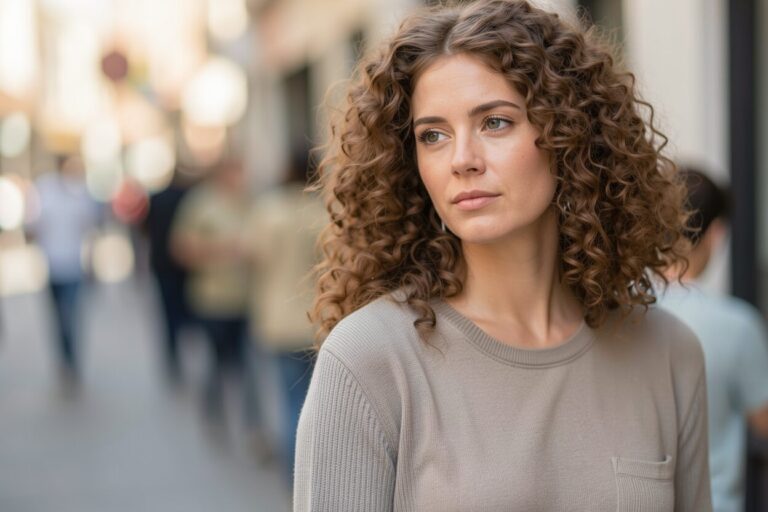

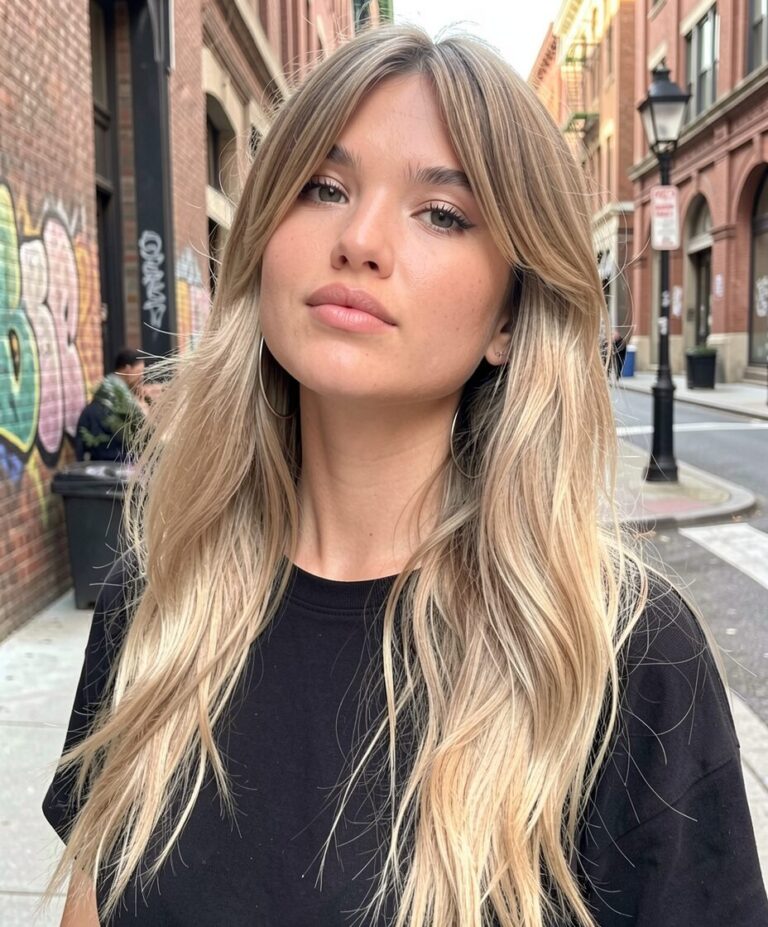
The shag haircut originated in the early 1970s, popularized by rock musicians and made iconic by Jane Fonda and David Bowie. It's defined by heavy layering throughout the head, with shorter layers on top and longer ones underneath, creating a lived-in, textured look. The modern shag keeps that same DNA but is often more refined, with cleaner face-framing and less of the original's untamed chaos.
Shags work on nearly every hair type, which explains their comeback. Wavy and curly hair takes to shag layers naturally since the texture does the styling work. Fine and thin hair benefits because the short top layers create volume at the crown (see Hairstyles For Thin Hair for more on this). Thick hair gets thinned out and made more manageable. The only texture that needs careful handling is very straight, silky hair, which can look stringy with too many layers if not cut with enough internal weight.
Variations cover every length. Short Shag Haircuts 2021 shows cropped versions that sit around the ears and jawline. Medium Shag Haircuts for Women hits the shoulder-length sweet spot where the layers really show their movement. For long hair, 20 Trendy Layered Haircuts for Long Hair demonstrates how shag layers fall on longer lengths. Curtain Bangs Hairstyles on Long and Short Hair pairs naturally with shags since the face-framing layers flow right into curtain fringe. The 35 Feathered Hair Styles guide covers the feathered variant that's a close cousin of the classic shag. For a pop-culture spin, our Glamorous '70s Hairstyles and 80s Hairstyles guides put the shag in its original cultural context.
Maintenance is surprisingly low. Shags are designed to look good messy. Salon visits every 8-10 weeks keep the layers from losing their shape. A texturizing spray ($10-18) and air drying is often all you need for daily styling. Scrunch damp hair, spray, and go.
Tell your stylist how much face-framing you want and whether you prefer a choppy or softer layered finish. Use our AI try-on feature to test short vs. long shag proportions on your face.

The broadest overview of the shag in this collection. Covers modern interpretations across all face shapes and hair types, making it the right starting point for anyone considering this cut.

Shoulder-length is the shag's sweet spot. Long enough to show full layer movement, short enough to maintain shape and volume without weighing down.
Curtain bangs are the shag's natural companion. This guide shows how face-framing layers connect to the overall shag structure for a cohesive look.
The Best Pixie Haircuts for Older Women Over 50 Age doesn’t determine your haircut, style,…
30 Short Layered Haircuts Layers can be one of the most misunderstood elements of hairstyles,…
Glamorous ’70s Hairstyles Each modern era has hosted its share of fashion trends, but often…
50 Short Haircuts for Round Faces If you have been blessed with a round face,…
Curtain Bangs Hairstyles Thinking about getting bangs? Curtain bangs are THE bang hairstyle of the…
30 Shag Haircuts And Hairstyles One of the most popular looks of past decades, shag…
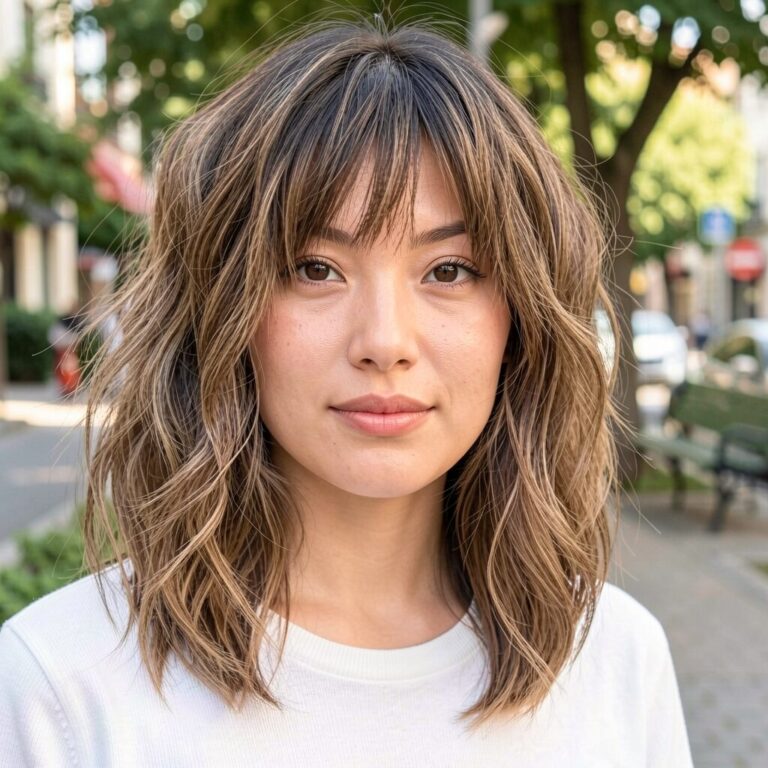
Short Shag Haircuts 2021 One of THE hottest haircuts this year was the shag cut.…
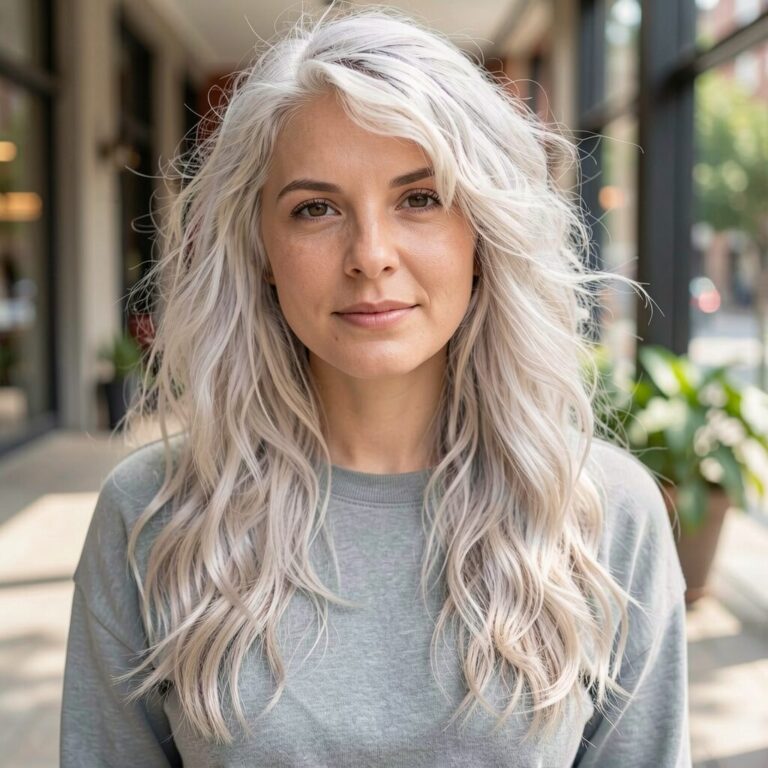
Long and Short Hairstyles for Women Over 60 We’re calling out for our women over…

Short Hairstyles for Fine Hair If you’ve got fine hair, each individual strand is relatively…

Best ’70s Feathered Hair Style Looks Farrah Fawcett was the hair icon of a generation,…
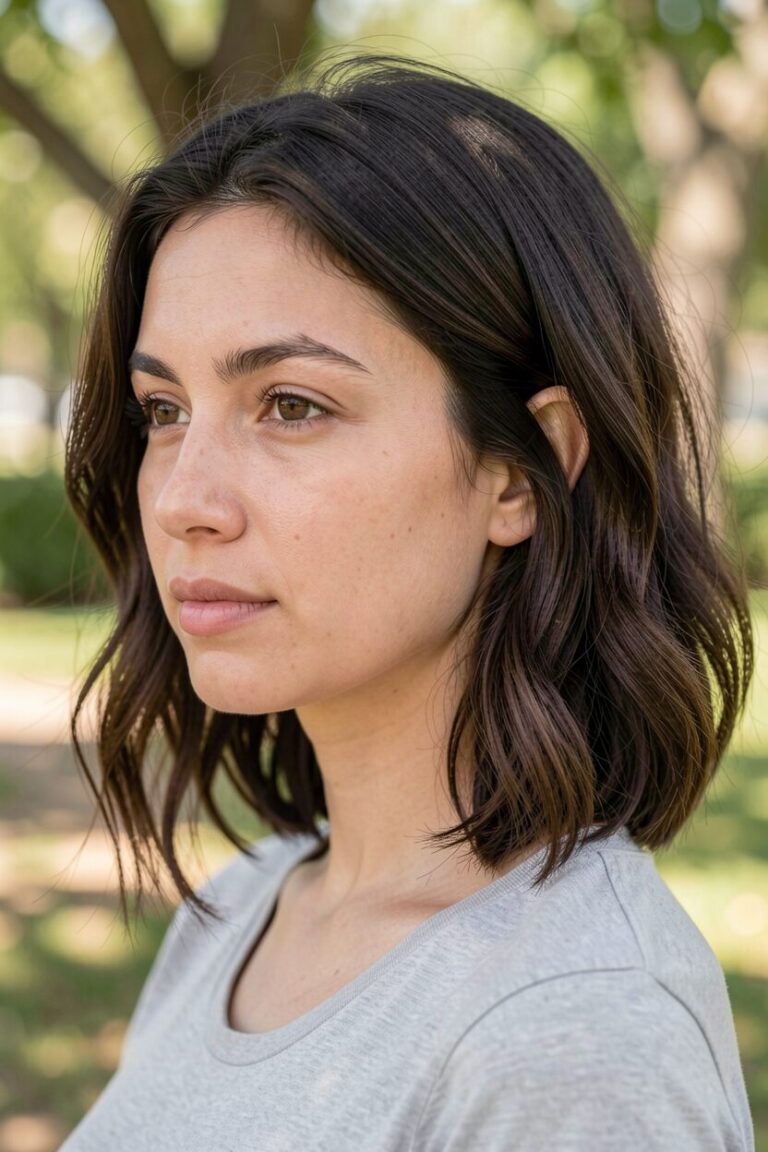
Medium Length Bob Haircuts Breaking news! The bob haircut is the hair trend of the…

1980s Hairstyles We Love! I don’t know if you have noticed, but the 1980s are…

Scene Hairstyles If you love vibrant, volumized, unique looks, then you’re probably already into the…
Medium Length Shag Haircuts 2020 Shag haircuts have been a growing trend that’s only gaining…

Wedding Hair Accessories Inspiration So your big day is just around the corner. Chances are…

Bobby Pin Hairstyle Ideas Bobby pins have been one of those go-to hair accessories to…

Wispy Bangs Styles If you are thinking about changing up your style a little bit,…

Hairstyles For Fine Thin Hair All of us want to have luscious locks that look…
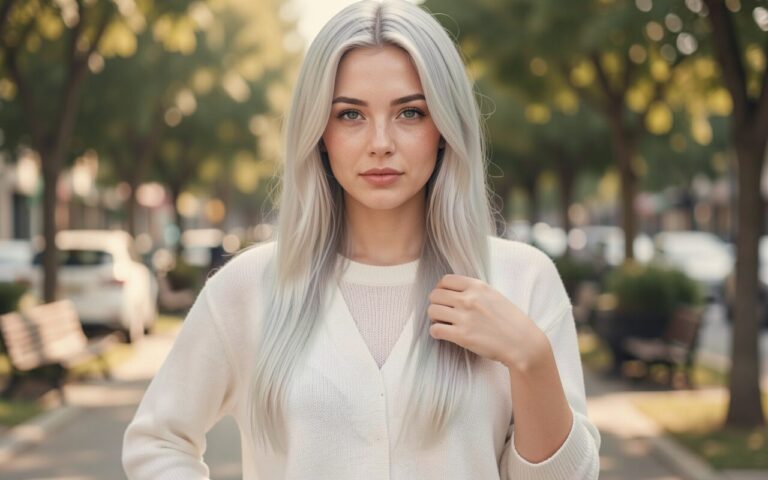
Emo Hair: Top 50 Emo Hairstyles for Girls If frumpy, boring styles are the first thing…

35 New Hairstyles To Try Out This Year Your new year’s resolution has probably long…
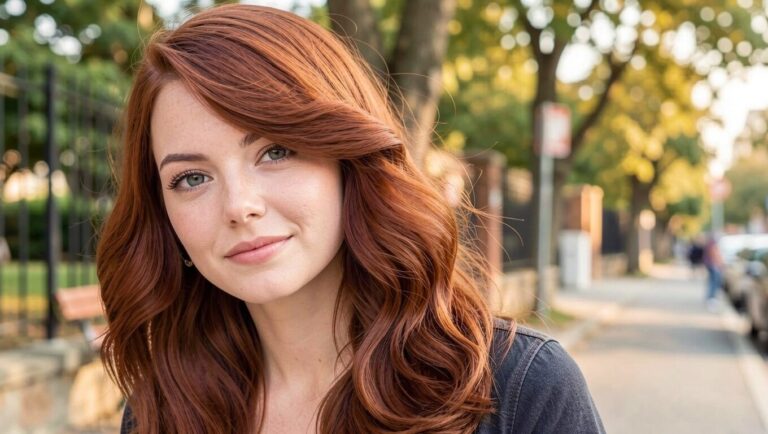
Hairstyles For Medium Length Thick Hair Being born with thick hair can sometimes feel like a…
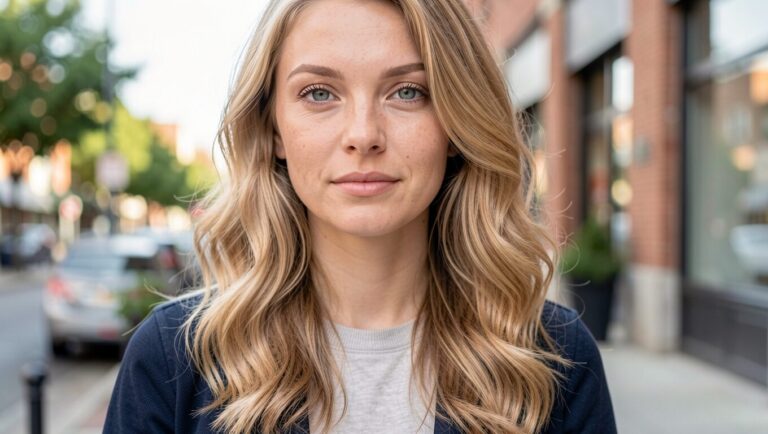
Top Long Layered Haircuts Whether you’d like to make a fun change to your classic long…
Both the shag haircut and the wolf cut use heavy layering throughout, but the wolf cut has a more extreme, mullet-influenced silhouette: the top layers are cut noticeably shorter (often two to four inches at the crown) with a sharper drop to longer back lengths, creating a choppy disconnect. The classic shag blends its layers more gradually from top to bottom, with face-framing curtain bangs and an overall rounder shape. Wolf cuts lean edgier and look best on wavy to curly hair that fills in the gaps between layer lengths. Shag haircuts are more universally flattering across hair textures.
Shag haircuts are one of the lowest-maintenance layered styles available. The heavy layering creates built-in movement and volume that activates with minimal effort. Most people can wash, scrunch in a walnut-sized amount of mousse or texturizing spray, and air-dry in fifteen to twenty minutes for a good result. The shag was designed in the 1970s to look undone — that messy, lived-in texture is the whole point. Daily styling takes five to ten minutes: apply product to damp hair, scrunch, and go. A diffuser attachment adds extra root lift for fine hair in about three minutes.
Yes, but the cutting technique changes. Very straight hair needs razor cutting or aggressive point-cutting to create internal movement, because straight strands will not curve and separate on their own the way wavy hair does. Your stylist should use internal texturizing — thinning shears or notching — to remove weight from the middle of thick sections so the layers separate and flip. To style at home, spritz damp hair with sea salt spray, scrunch the mid-lengths, and either air-dry or use a diffuser to encourage bend.
Shag haircuts grow out more gracefully than most layered cuts because the graduated layers blend together as they lengthen. The main awkward moment hits around months three to four, when the shortest crown layers lose their shape but have not merged with the mid-length layers yet. Book a grow-out trim ($30-$40) where your stylist blends the top layers downward without removing overall length — this keeps the shape intentional. During this phase, curtain bangs can be pinned back or parted down the center as they reach cheekbone length.
Shag haircuts are one of the best styles for thick hair. The heavy layering removes bulk and redistributes weight throughout the head instead of concentrating it at the bottom, which eliminates the triangle shape that thick, one-length cuts create. Your stylist will likely use thinning shears on the internal layers and point-cut the ends to remove additional density — this can reduce the feeling of weight by thirty to forty percent without losing visible fullness. The result is thick hair that moves freely, dries twenty to thirty minutes faster, and uses less product.
A shag haircut is a heavily layered style with volume at the crown, feathered ends, and face-framing bangs — typically curtain bangs or wispy fringe. The layers are cut at multiple graduated lengths throughout the head, creating a textured, tousled silhouette that looks effortlessly messy. Shag haircuts originated in the 1970s, worn by rock musicians, and have cycled back into popularity since 2020. They range from short (jaw-length) to long (past the collarbone). The defining features are the visible layer separation, the lighter feel compared to a blunt cut, and the built-in movement.
For a wavy, textured finish — the signature shag look — apply a golf-ball-sized amount of mousse to towel-dried hair and scrunch from ends upward. Air-dry or use a diffuser on medium heat for five to eight minutes. For more defined waves, wrap random one-inch sections around a curling wand for six to eight seconds each, alternating directions. For a sleek shag, blow-dry with a round brush, pulling each layer section under and away from the face. Finish any style with a light texturizing spray for separation. Key products: volumizing mousse ($8-$15), sea salt spray ($10-$18), and a flexible-hold hairspray.
The shag haircut is built by establishing a short guide layer at the crown — usually three to five inches — and connecting it to the longest perimeter length through progressive layering. The stylist sections the hair into a central mohawk strip and two side panels. Layers are cut by elevating sections at 90 to 180 degrees from the head and cutting to the guide length, creating the stacked, graduated effect. Razor cutting creates softer, more feathered ends; point-cutting with shears produces a choppier texture.
A long shag haircut keeps the overall length past the collarbone while adding the signature heavy layering on top. The shortest layers at the crown start around chin-length, and graduated layers cascade down to meet the longest length. This creates movement and reduces the heaviness that long, one-length hair often has. Long shags work particularly well on medium to thick hair because there is enough density to show the layer separation. On fine hair, keep the layers fewer and more subtle to avoid looking thin at the ends.
A DIY shag haircut is possible but carries risk, especially at the back where you cannot see. The simplest home method: flip your head upside down, gather all hair into a high ponytail at the crown, and cut straight across at your desired shortest layer length. When you release the ponytail, the hair falls into graduated layers. This technique creates a rough shag that works surprisingly well on wavy and curly hair. For straight hair, you will likely need to go back and point-cut the ends to remove bluntness.