
Top 25 Beautiful Fishtail Braids
25 Beautiful Fishtail Braid Hairstyles Braids are both a practical way to keep hair secured, and…
Braiding is one of the oldest hair practices in human history, with evidence dating back 30,000 years to Africa, where braided patterns identified tribe, status, age, and religion.
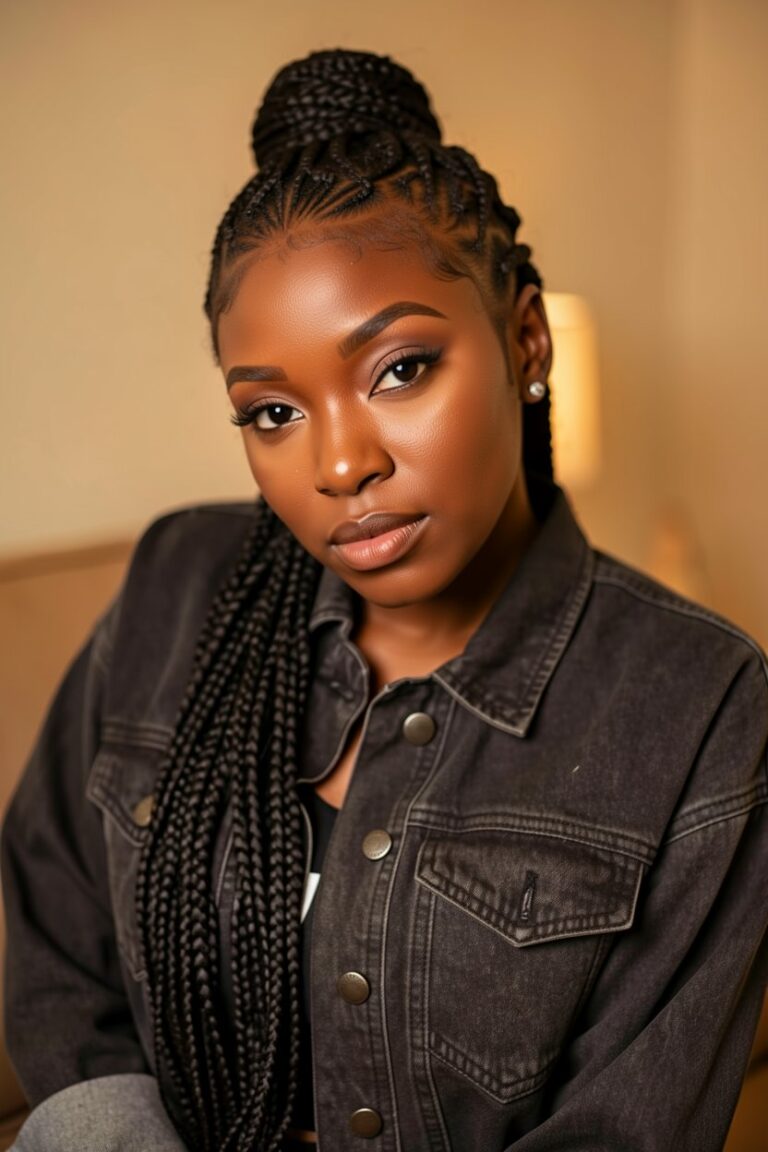
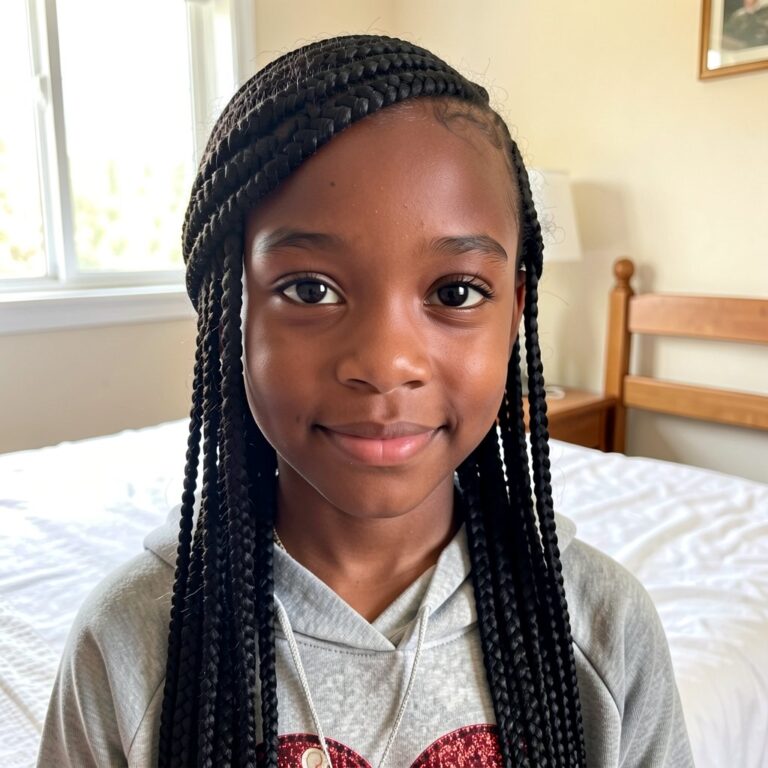
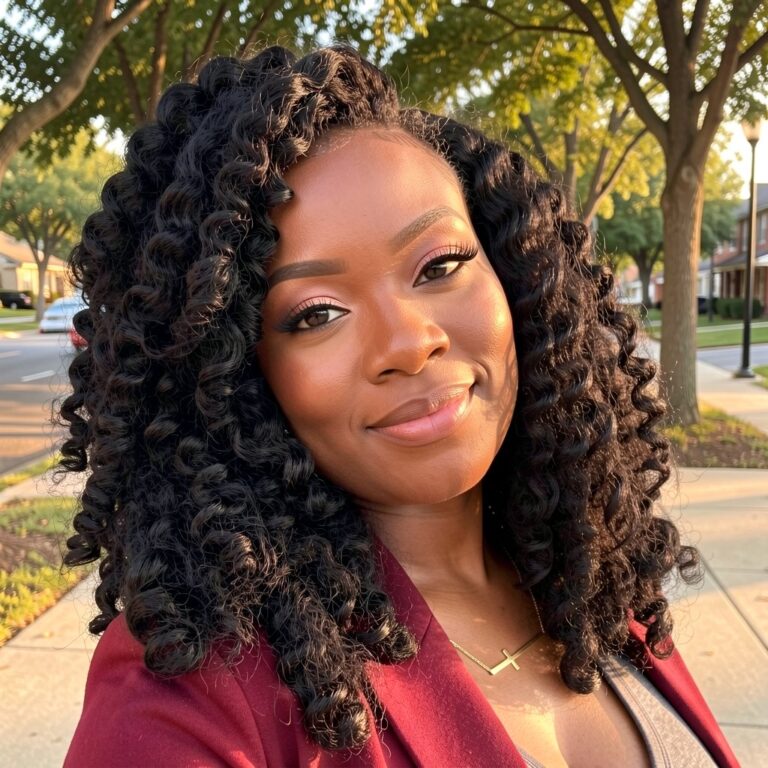
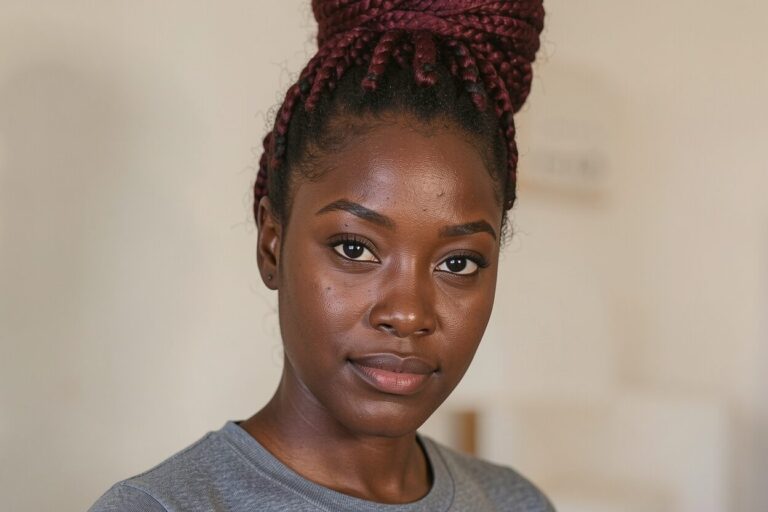
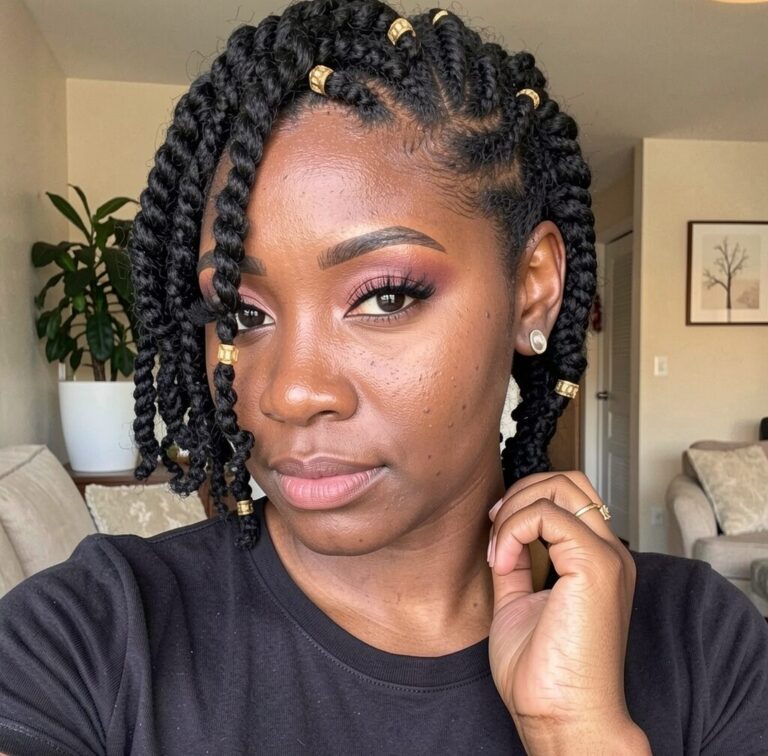
Braiding is one of the oldest hair practices in human history, with evidence dating back 30,000 years to Africa, where braided patterns identified tribe, status, age, and religion. Today, braiding remains deeply rooted in Black culture while practiced universally. What makes braiding unique among styling techniques is that it's both a daily practical solution and a high-art form, capable of creating patterns and shapes that no other method can produce.
Braids work on every hair type but behave differently depending on texture. Type 4 coily hair holds braids naturally and can maintain styles for 4-8 weeks, making braids a cornerstone of protective styling. Straight and wavy hair (Types 1-2) needs product grip, like a sea salt spray or texturizing mousse, to keep braids from slipping out within hours. Fine hair braids look delicate and romantic but can cause tension alopecia if pulled too tight, especially at the hairline. Curly hair (Type 3) braids well but creates a different texture when unbraided, the braid-out wave, which is its own styling technique. Face shape affects placement: cornrows pulled straight back elongate round faces, while side-swept braids soften angular features.
Foundational styles include French braids, Dutch braids, and fishtail braids. These three techniques form the basis for most complex braid styles. Protective braiding for natural hair covers box braids, cornrows, lemonade braids, and Senegalese twists. For events, braided wedding styles and braided updos show how braids translate into formal settings. The category includes kids' styles too.
A simple French braid done at home costs nothing and lasts a day. Professional box braids take 4-8 hours to install, cost $150-350, and last 6-8 weeks with proper care: wrapping in a silk scarf at night, washing the scalp (not the braids) with diluted shampoo, and applying lightweight oil to prevent dryness. Cornrows run $50-150 and last 2-4 weeks. Feed-in braids take 3-5 hours and last 3-6 weeks. The investment is front-loaded: higher upfront cost, but almost nothing on daily styling for weeks. Between installs, give your hair a full week of rest to moisturize, deep condition, and let your scalp recover from the tension.
Communicate the exact size, length, and pattern you want when booking. Ask about the hair type being used for extensions (kanekalon versus human hair) and how much hair you'll need to purchase. Preview different braid patterns with the AI try-on tool before committing to a multi-hour install.
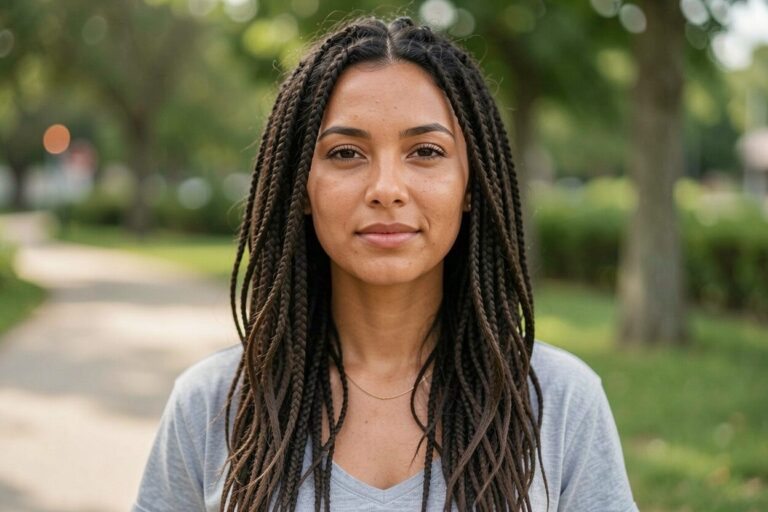
The largest box braids resource available — 100 variations covering different sizes, lengths, colors, and styling options in one reference.

A visual glossary of braiding techniques that helps you name exactly what you want before sitting in the stylist's chair.
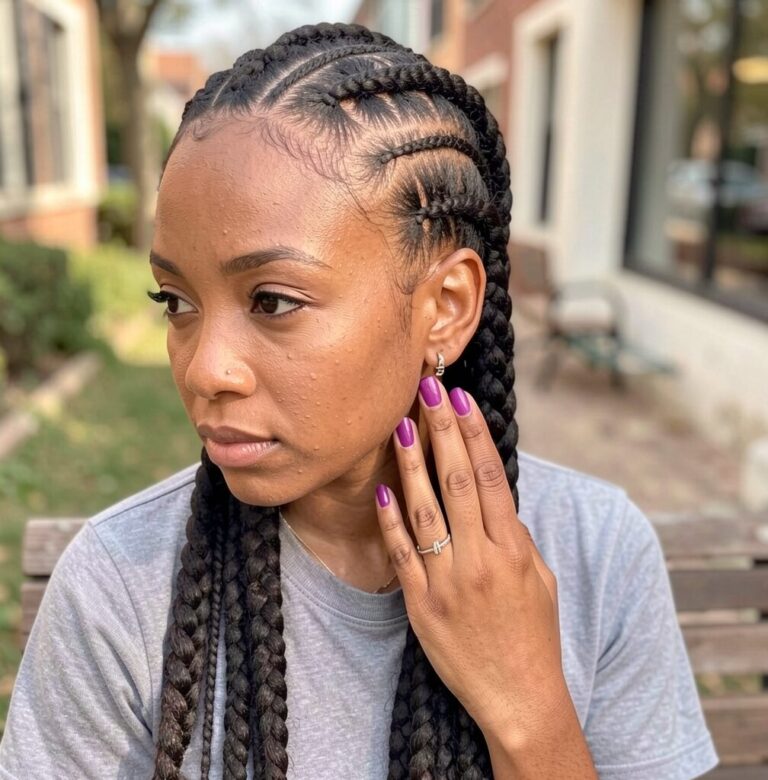
Feed-in braids are the modern evolution of cornrows — lighter, flatter, and less tension on the hairline. This guide shows the full range of patterns and sizes.
25 Beautiful Fishtail Braid Hairstyles Braids are both a practical way to keep hair secured, and…

Cute Summer Hairstyles When the air gets warmer and the days get longer, fun and flirty…

30 Pretty Hairstyles For Any Occasion Are you bored with your basic ponytail and searching for…
Cute Easy Hairstyles For Long Hair Growing your hair long takes commitment, and sometimes it…
35 Gorgeous Prom Updos The biggest night of the year is fast approaching. You’ve got your…

How To Do A Crown Braid | How To Do A Halo Braid AND 30…

How To Do A Waterfall Braid If you’re looking for a new braiding style that…
How To Do A Fishtail Braid As one of the trendiest ways to style long…
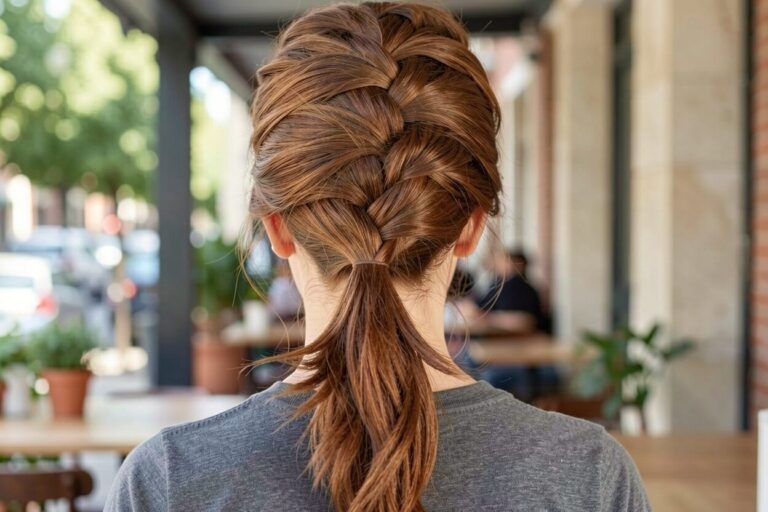
How To Do A French Braid Not just a cute hairstyle for little girls, french…
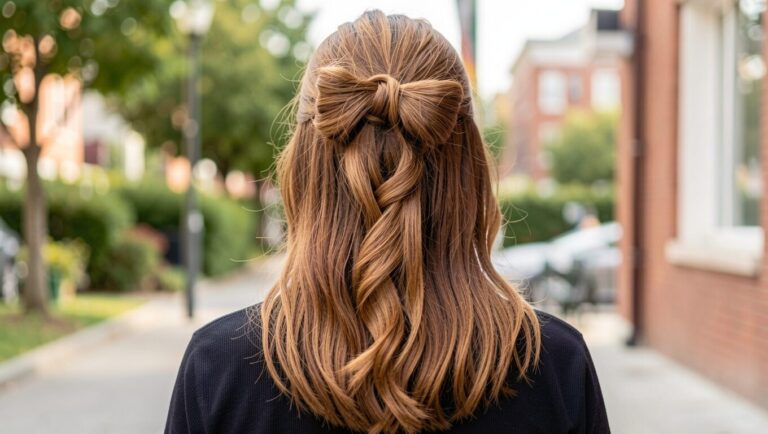
10 Bow Hairstyles With Tutorials Do you love the bow hair trend but feel intimidated…
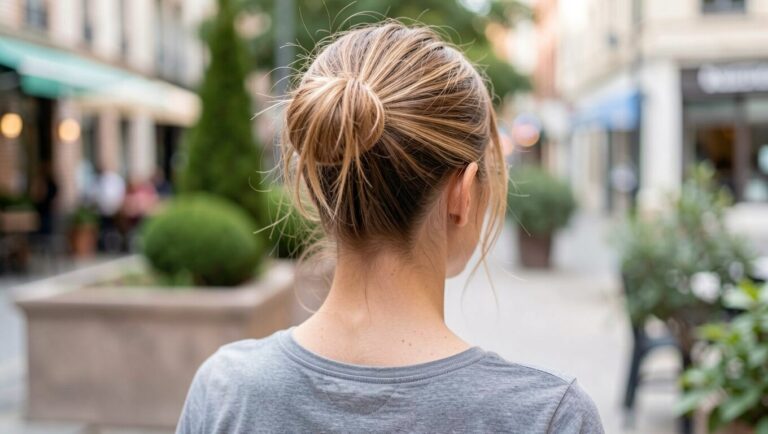
30 Wedding Hairstyles For Medium Hair Many women prepare for their wedding by growing their…

30 Braided Mohawk Styles Mohawk hairstyles used to consist of shaved sides and long hair on…
30 Wedding Hairstyles For Long Hair For many women, physically preparing themselves for a wedding…

30 Cool and Cute Hairstyles For Girls When dealing with hairstyles for kids, it can…
Top 26 French Braid Hairstyles For an intricate, elegant way to arrange your hair, nothing…

28 Cute Braided Hairstyles For Long Hair The braid is a classic hair look that…

Amazing Braided Hairstyles and Updos The updo has long been a staple of weddings, proms, and…
25 Hairstyles with Braids: Cute Braided Hairstyles for Girls There is such a wide variety of…

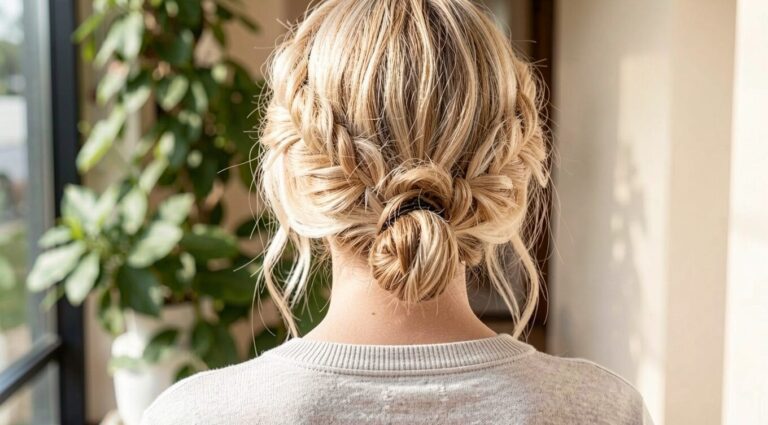
Fishtail Braid Hairstyles Fishtail braids also known as the sister of french braids are one…
Properly installed box braids last 6-8 weeks with daily maintenance. After week 6, new growth at the roots creates 1-1.5 inches of loose hair that weakens the attachment point. Pushing past 8 weeks risks matting at the base, product buildup that breeds bacteria, and traction breakage from the combined weight of extensions plus unsupported new growth.
Braids themselves cause no damage — excessive tension at installation does. Braided hairstyles installed too tightly at the hairline cause traction alopecia: the constant pulling destroys follicles permanently if repeated over months or years. Warning signs include small white bumps along the part lines, headaches that last beyond the first night, and visible scalp redness at the edges. A skilled braider creates clean parts without pulling skin taut. Installation should feel snug, never painful. If it hurts during or after installation, take those braids out immediately — the discomfort will not ease over time.
Mix sulfate-free shampoo with water at a 1:3 ratio in an applicator bottle and apply directly to the scalp between braid parts. Massage with fingertip pads — never your nails — in small circular motions along each part line. Rinse thoroughly with lukewarm water, squeezing water through the braids in a downward direction only to prevent frizzing. Follow with a diluted leave-in conditioner spritzed on the scalp and lightly on the braids.
Kanekalon is synthetic fiber priced at $5-10 per pack — lightweight, holds braided hairstyles firmly, and comes pre-stretched in every color including ombré. The drawback: its alkaline coating irritates sensitive scalps, causing itching and bumps. Soaking packs in apple cider vinegar for 15-20 minutes before installation neutralizes this. Human braiding hair costs $15-40+ per pack, feels softer against the skin, and can be flat-ironed or curled for style versatility. It is heavier, so full-head installations add noticeable weight. For standard box braids and cornrows, kanekalon is the industry standard.
You need about 2-3 inches of natural hair for most braided hairstyles with extensions. Feed-in braids (also called stitch braids) work on hair as short as 1.5 inches because the braider gradually adds extension hair to your natural hair as they go, building grip without needing length. Crochet braids require only 2 inches since your natural hair is cornrowed flat and the extensions loop through with a latch hook. Without extensions, you need at least 4-5 inches for a secure three-strand braid. Dutch braids, crown braids, and braided bangs all work well at 3-4 inches.
Start with a simple three-strand braid or two Dutch braids — these are the foundation of all braided hairstyles and build your muscle memory. Section hair with a rat-tail comb while slightly damp, apply a smoothing cream or edge control for grip, and work in front of two mirrors so you can see the back. Begin at the hairline and cross sections under (Dutch) or over (French) while adding small pieces from each side. Keep consistent tension — firm enough to hold but not pulling at the roots.
Braids are a protective hairstyle when installed and maintained correctly. They protect by tucking your ends — the oldest, most fragile part of the hair shaft — away from daily friction, heat, and environmental exposure. This reduces breakage and allows you to retain length over months. The protection works only if installation tension is gentle, you moisturize the scalp 2-3 times weekly, you sleep in a satin bonnet, and you remove the braids within 6-8 weeks. Leaving braids in too long, neglecting moisture, or reinstalling with no rest period between sets causes more damage than wearing your hair out.
A braided mohawk requires cornrowing the sides flat against the head (angled upward toward the center) and leaving the middle section full with volume or braided detail. Section the hair into three zones: left side, center strip (3-4 inches wide from forehead to nape), and right side. Cornrow each side in 3-5 rows going upward, tucking the ends under at the center part line. For the center, you can do chunky feed-in braids, twist-outs for volume, or a single large French braid down the middle. The style takes 1.5-2.5 hours depending on the center detail.
Two French braids (pigtails) are the easiest beginner braided hairstyle — they use a basic over-under-add pattern and sit on either side of your head where your hands can reach comfortably. A single side braid pulled over one shoulder requires zero back-of-head work. A half-up braided crown takes the front two sections, braids them along the hairline, and pins them at the back — it takes 10 minutes and works on medium to long hair. Bubble braids are technically not braids at all: you ponytail sections with clear elastics every 2 inches down and gently pull each section wide.
A braided bob uses box braids or knotless braids cut to chin or shoulder length — typically 10-14 inches of extension hair. The shorter length reduces weight on the scalp by roughly 30-40% compared to waist-length braids, which makes it more comfortable and safer for finer hair or sensitive edges. Installation takes 3-5 hours and costs $150-250 depending on your braider and location. A braided bob lasts 4-6 weeks, slightly shorter than longer braids because the shorter ends are more prone to frizzing and unraveling.