Quinceanera Hairstyles
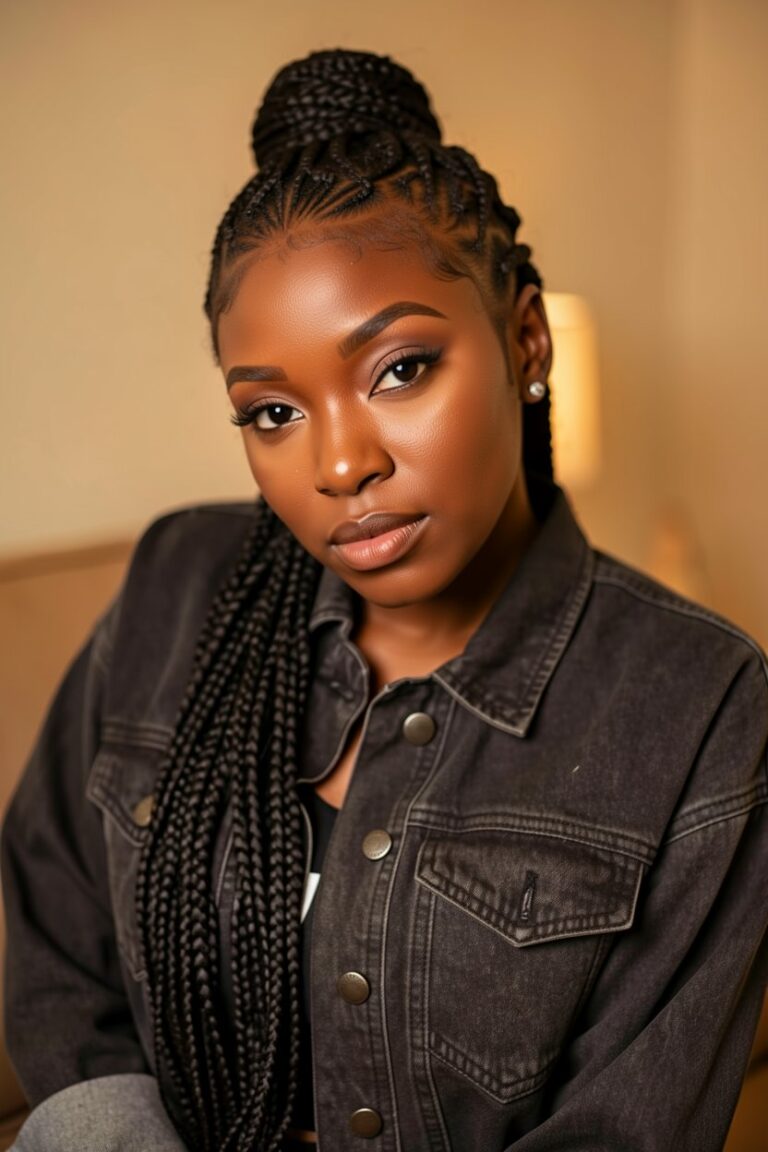
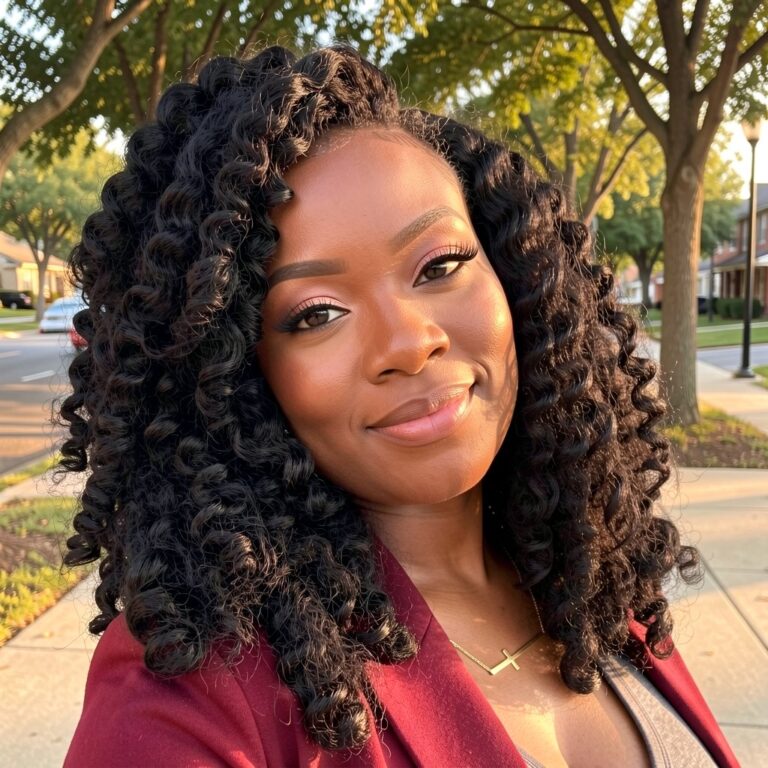
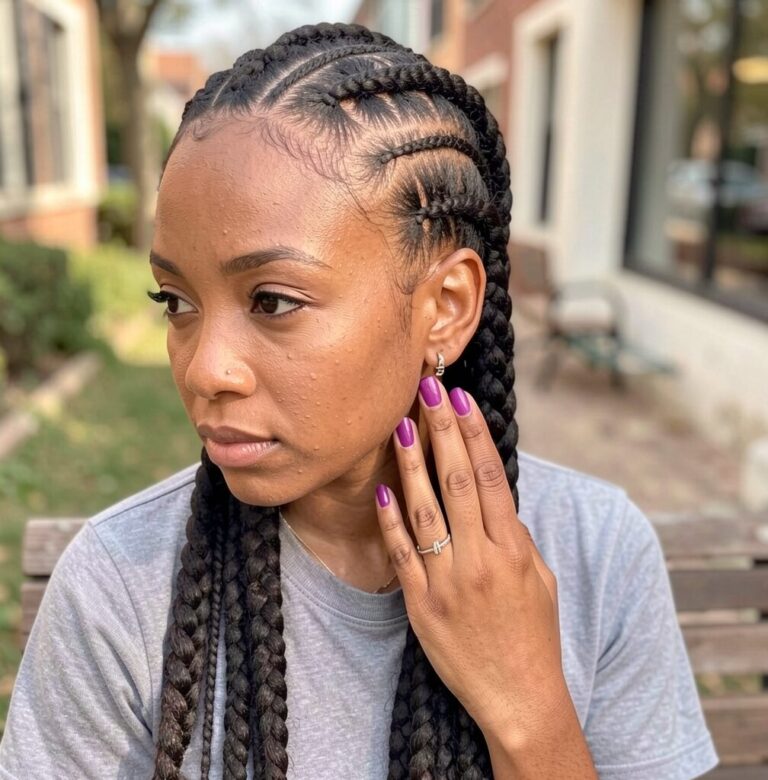
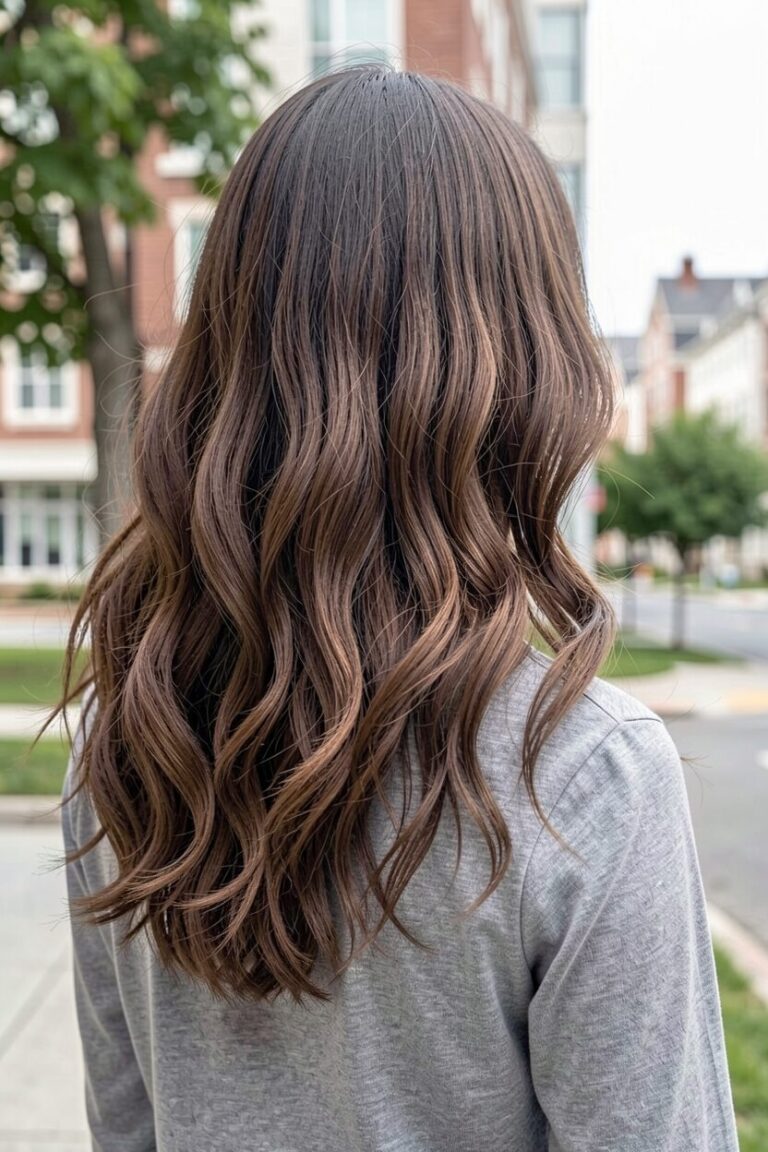
Explore quinceanera hairstyles for every vibe: elegant updos, soft curls, braids, half up styles, short…
An updo is any hairstyle that lifts hair off the neck and shoulders, from a quick messy bun at your desk to a sculpted chignon that takes 90 minutes in a salon chair.
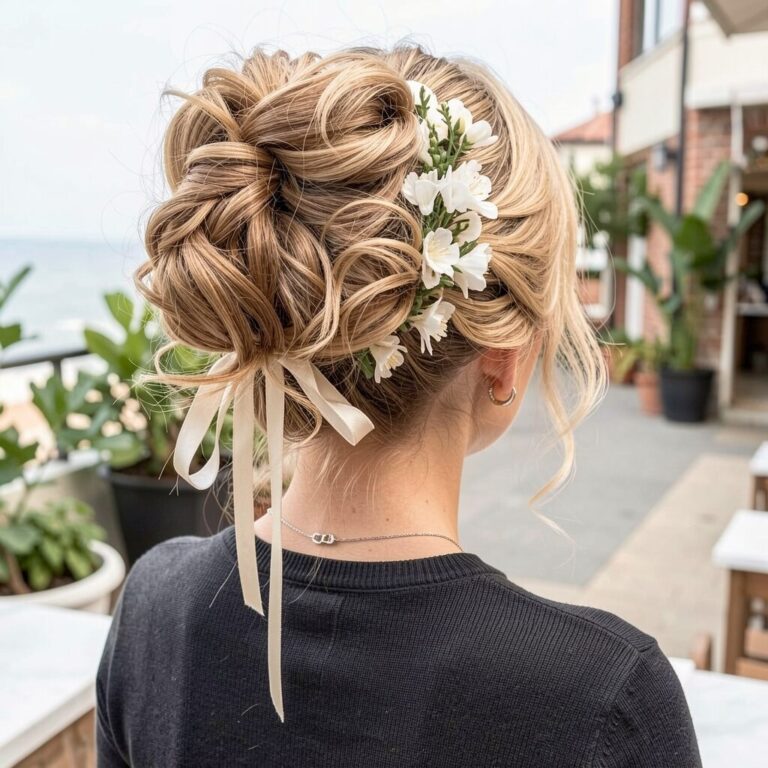
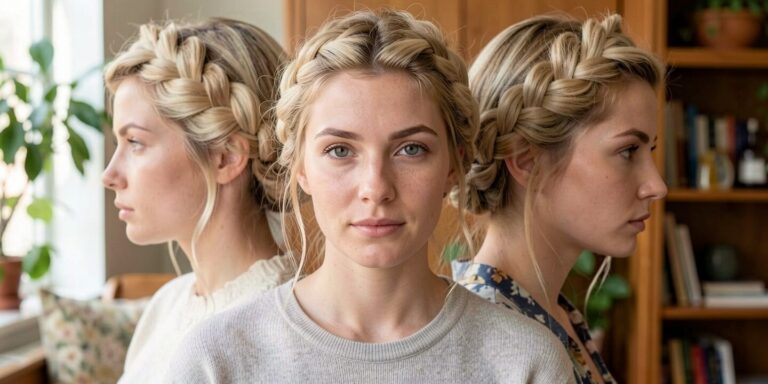
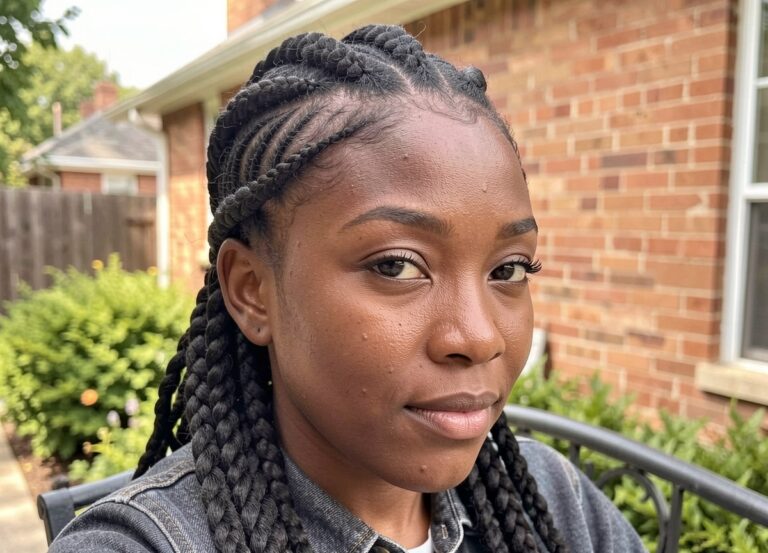
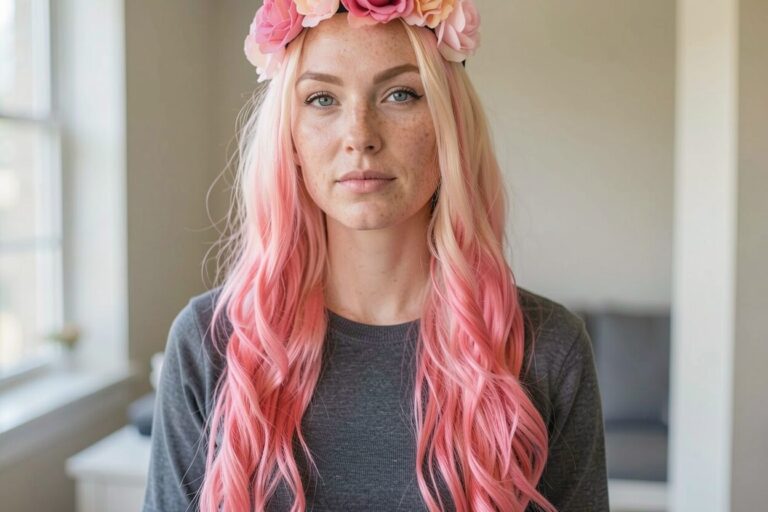
An updo is any hairstyle that lifts hair off the neck and shoulders, from a quick messy bun at your desk to a sculpted chignon that takes 90 minutes in a salon chair. Updos show off your neck, jawline, and earrings while keeping hair completely out of your way. They work equally well at a Tuesday meeting and a Saturday night wedding.
Updos work for every hair length from chin-length bobs to waist-length hair. Short hair relies on strategic pinning, texturizing spray, and sometimes clip-in pieces for volume. Medium hair is the easiest length for most updos because it's long enough to wrap but not so heavy it pulls pins out. Long, thick hair needs strong bobby pins (the crimped kind, not smooth) and potentially a hair donut or foam base for buns. High buns elongate round faces. Low chignons balance long faces by adding width at the nape. Leaving a few face-framing pieces out softens prominent foreheads.
The range spans from zero-effort to bridal-level. Messy bun styles cover the 5-minute options. Prom and wedding guides show what's possible with real time investment. The braided-updo crossover creates texture and hold that bobby pins alone cannot achieve.
Product-wise, updos rely on grip. Texturizing spray or dry shampoo on clean hair gives pins something to grab. Freshly washed hair is actually harder to pin because it's too slippery. You'll need bobby pins (match them to your hair color), a few elastics, and hairspray. A salon updo for a formal event runs $65-$150, plus a trial run ($50-$85) if it's for a wedding. Daily updos at home cost nothing and take under 10 minutes with practice.
Bring 3-4 reference photos when booking and be clear about how much movement you want. Test different updo heights and styles on your face using the AI try-on tool before your consultation.

Practical everyday updos that don't require salon skills or two hours in front of a mirror. Most of these can be mastered in under 10 minutes with basic pins and elastics.

The intersection of braiding and updos creates some of the most secure and visually interesting formal styles. Especially useful for events where you need the style to last 8+ hours without touch-ups.
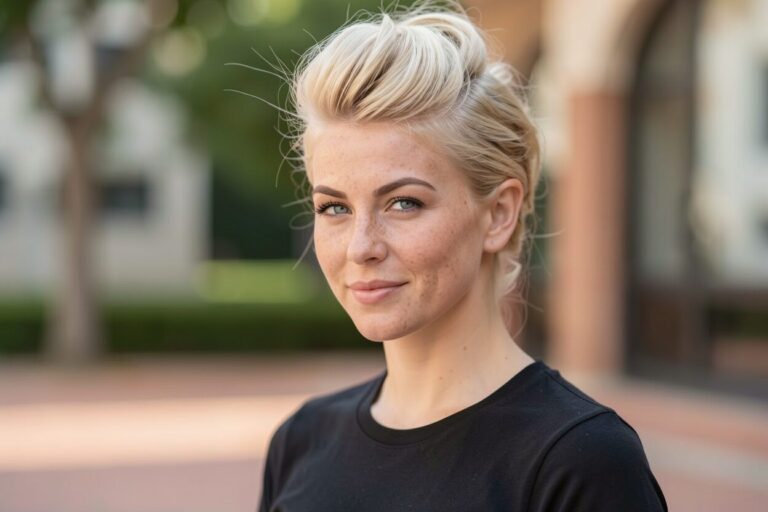
Proves that short hair is not a barrier to updo styling. Covers pinning techniques and product recommendations specific to bob-length and shorter hair.
Explore quinceanera hairstyles for every vibe: elegant updos, soft curls, braids, half up styles, short…
Little girl updos have gone quite a long way from how it was a few…
40 Different Types Of Braids Whether you’re looking for a trendy new way to wear…
African Fishbone Braids Styles Do you love protective hairstyles that are gorgeous, intricate, and make…
Hippie and Bohemian Hairstyles If your summer schedule revolves around music festivals or you’re all…
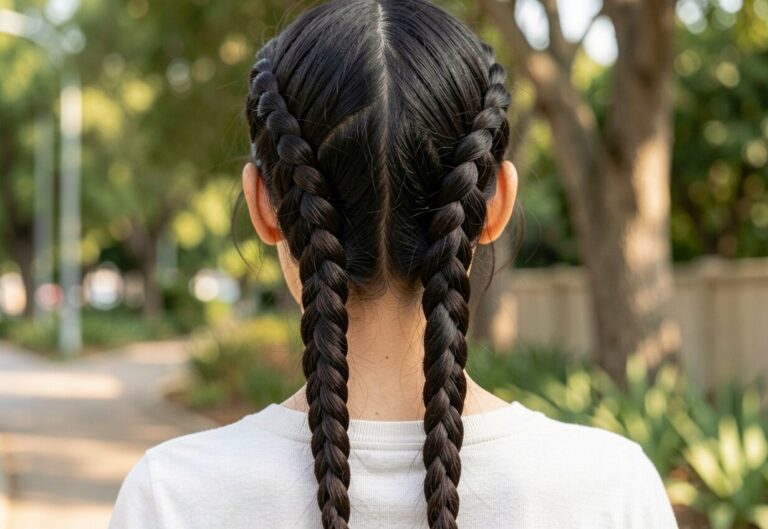
How To Do Two French Braids: Tutorial If you’ve been spending any time looking at…
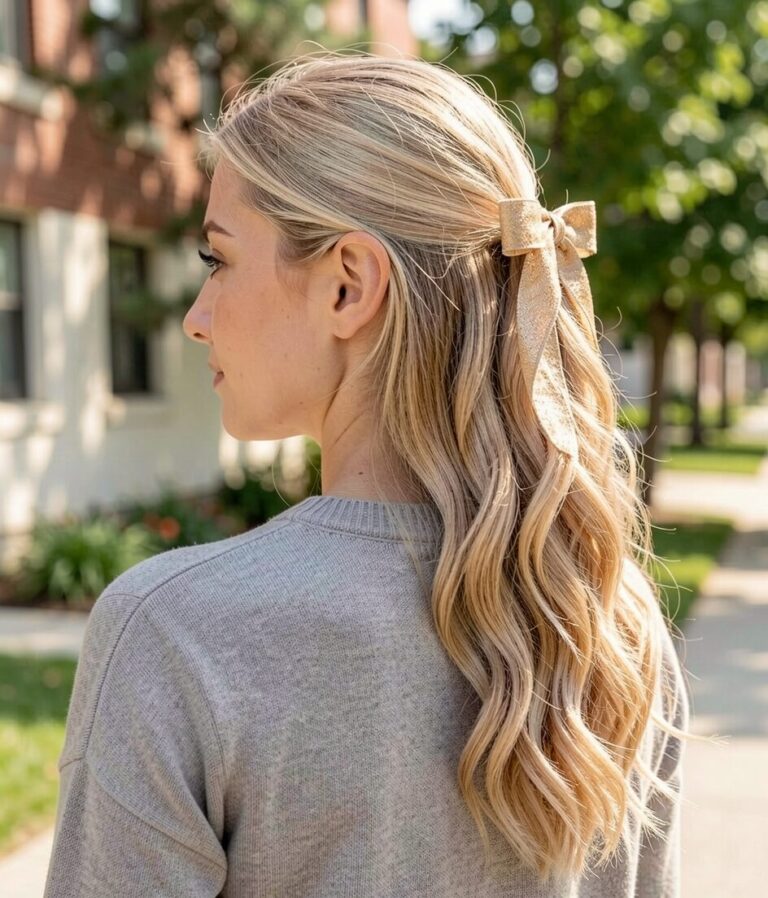
Cute Birthday Hairstyles Birthday coming up?! Happy (early) birthday, queen! It’s your special day so…
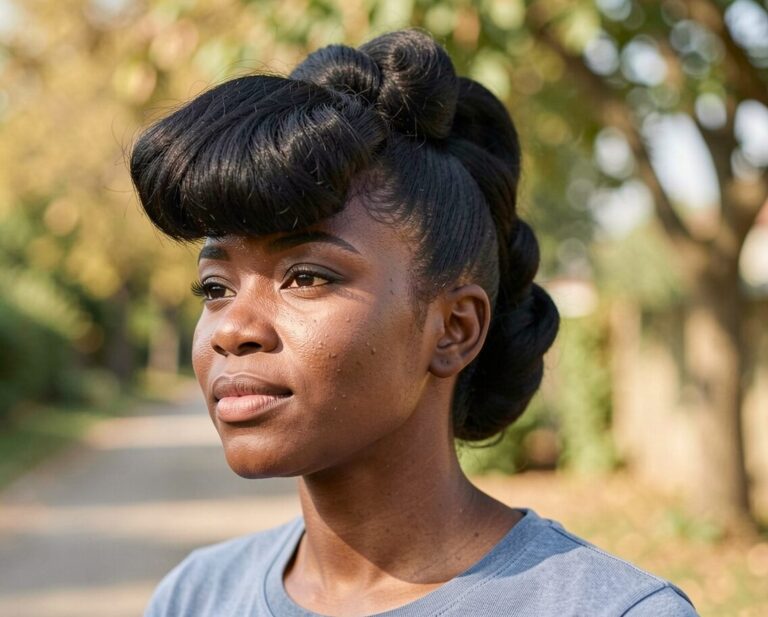
25 Updo Hairstyles For Black Women | Black Hair Updos Inspiration Wearing your hair up can…
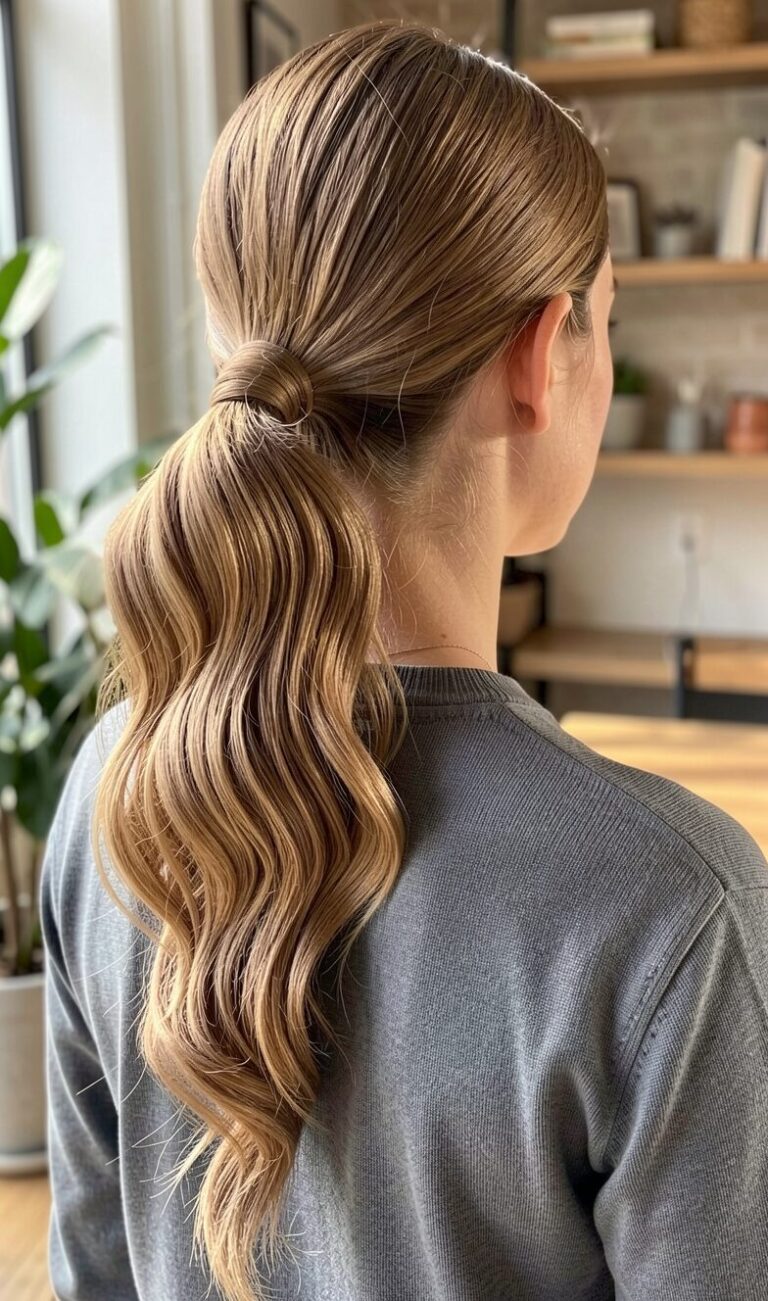
Business Hairstyles Women We wanted to show some love to our professional women. As some…
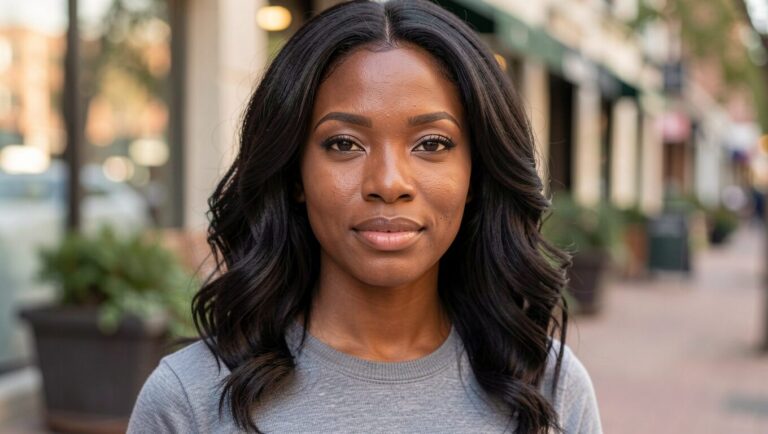
25 Amazing Wedding Hairstyles for Black Women One of the biggest times in a woman’s life…

Easy Prom Hairstyles for Medium Length Hair Who is excited for Prom? It is such…

Peach Hair Trend Peach is the latest shade to be embraced by hair colorists and…

30 Pin Up Hairstyles While every decade has its standout styles, pin up hairstyles of…

25 Swinging ’60s Hairstyles A time of major revolution, it’s only fitting that the most popular…

Stunning Wedding Hair Updos The question of whether you should wear your hair up or…

Summer Hairstyles 2021 Spring is here, so hopefully, that means that summer isn’t too far…

Tik Tok Hair Trends It’s no secret TikTok has been incredibly influential in trends of…

1980s Hairstyles We Love! I don’t know if you have noticed, but the 1980s are…

25 Ponytail Hairstyles Ponytails are easy to do and are here to stay this year! If…

Top 25 Messy Buns Bun hairstyles can be easy or complicated, sophisticated or casual, and…

Wedding Hair Accessories Inspiration So your big day is just around the corner. Chances are…

Bobby Pin Hairstyle Ideas Bobby pins have been one of those go-to hair accessories to…

How To Do A High Ponytail + High Ponytail Hairstyles Ideas Ponytails are definitely not…

Party Hairstyles for New Years and Christmas Hello holiday season! Every year it seems like…
Start with second-day hair or spray clean hair with a dry texturizing spray — freshly washed, silky hair won't grip pins. Use bobby pins in an X pattern at stress points (where the weight pulls) rather than parallel, and push them in against the hair's direction so they lock in place. For thick or heavy hair, anchor the base with a hidden elastic before pinning — pins alone can't hold hair that weighs more than a few ounces. Spin pins (corkscrew-shaped) hold better than flat bobby pins in buns and chignons.
Yes — chin-length hair and longer can be pinned into updo hairstyles with the right technique. A low chignon at the nape works by twisting small sections and pinning them in overlapping layers. A faux bob tuck rolls shoulder-length hair under and pins it at the nape for a cropped-look updo. For very short bobs (ear to chin), add 2-3 clip-in weft extensions ($15-40 for synthetic) at the back for extra length to work with. Texturizing spray is essential for short updos — you need maximum grip from every strand.
Height at the crown is the most effective trick — high buns, voluminous top knots, and any updo with lift above the forehead create vertical lines that visually elongate a round face shape. Avoid styles that sit wide and flat at ear level, which emphasize width. Pull out 2-3 long, wispy face-framing pieces on each side of your part — these break up the cheek line and create the appearance of a narrower face. A diagonal side part works better than a center part because asymmetry disrupts the round symmetry.
Book your updo trial 4-6 weeks before the event. This gives enough runway to rebook with a different stylist if the trial doesn't go well, while your hair length won't change meaningfully in that window. During the trial, photograph from every angle (front, both sides, back, and three-quarter) — many updos look great from the front but flat or messy from behind. Wear a top with the same neckline as your event outfit so the stylist can see how the updo works with bare shoulders or a high collar.
The classic chignon (a low bun at the nape of the neck) is considered the foundational updo in cosmetology training. Every other updo — French twists, Gibson tucks, braided updos — builds on the basic skills of sectioning, rolling, and pinning that the chignon teaches. To create one: gather hair at the nape (ponytail or loose), twist the length into a rope, coil it into a flat bun, and pin from the outside in with bobby pins. The chignon has been worn for centuries across cultures and works on hair from shoulder-length and longer.
Start simple: a twisted chignon is the most achievable DIY updo. Pull hair into a low ponytail, twist the tail into a rope, wrap around the elastic, and pin with 4-6 bobby pins in an X pattern. For a French twist: sweep all hair to one side, pin a vertical line of bobby pins along the center back, roll the hair over the pins, and tuck ends under. Use a second mirror to see the back. Day-old hair with texturizing spray gives more grip than freshly washed hair.
A basic updo (classic bun, ponytail, simple twist) costs $65-100. A formal updo for a wedding, prom, or gala runs $100-200 at a mid-range salon, $200-350 at a high-end salon in a major city. Bridal updos — which include a consultation, the trial appointment ($50-85), and day-of styling — total $250-500 for the package. Prices increase with complexity: braided updos with multiple sections cost more than a simple chignon. Hair length and thickness also factor in — very long or very thick hair takes longer and may cost 20-30% more.
Curly hair actually holds updos better than straight hair because the texture creates natural grip and volume. Skip the flat iron — work with your curls. Gather hair into a loose ponytail at your desired height (low for formal, high for youthful). Instead of twisting into a tight bun, pull individual curl clumps out and pin them in a scattered pattern around the base, leaving some spirals loose for dimension. Secure with spin pins rather than flat bobby pins — they thread through curls without flattening them.
Four updos anyone can do in under 10 minutes: (1) The twisted low bun — divide hair into two sections behind each ear, twist each, cross at the nape, tuck ends under, and pin. (2) The rope braid bun — ponytail, split into two, twist each the same direction, wrap around each other opposite, coil into a bun. (3) The half-up twist — take two front sections, twist back, pin where they meet at the crown. (4) The messy French twist — sweep hair to one side, roll upward, tuck ends in, pin vertically.