Face Shape Hairstyles
Why Face Shape Matters Your face shape is the single best starting point for choosing a hairstyle that actually flatters you -…

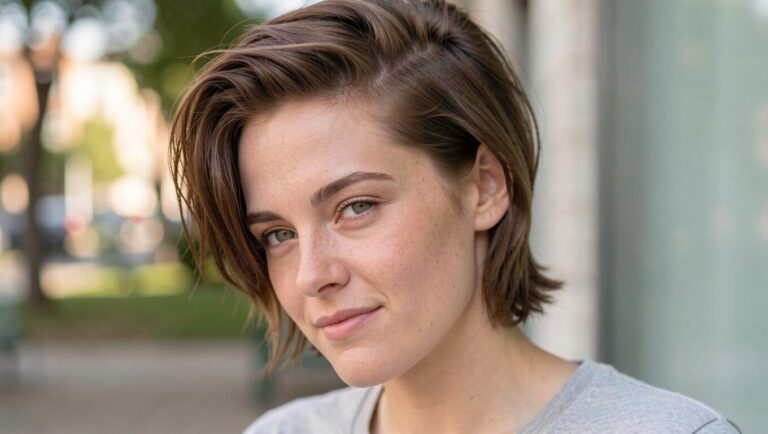
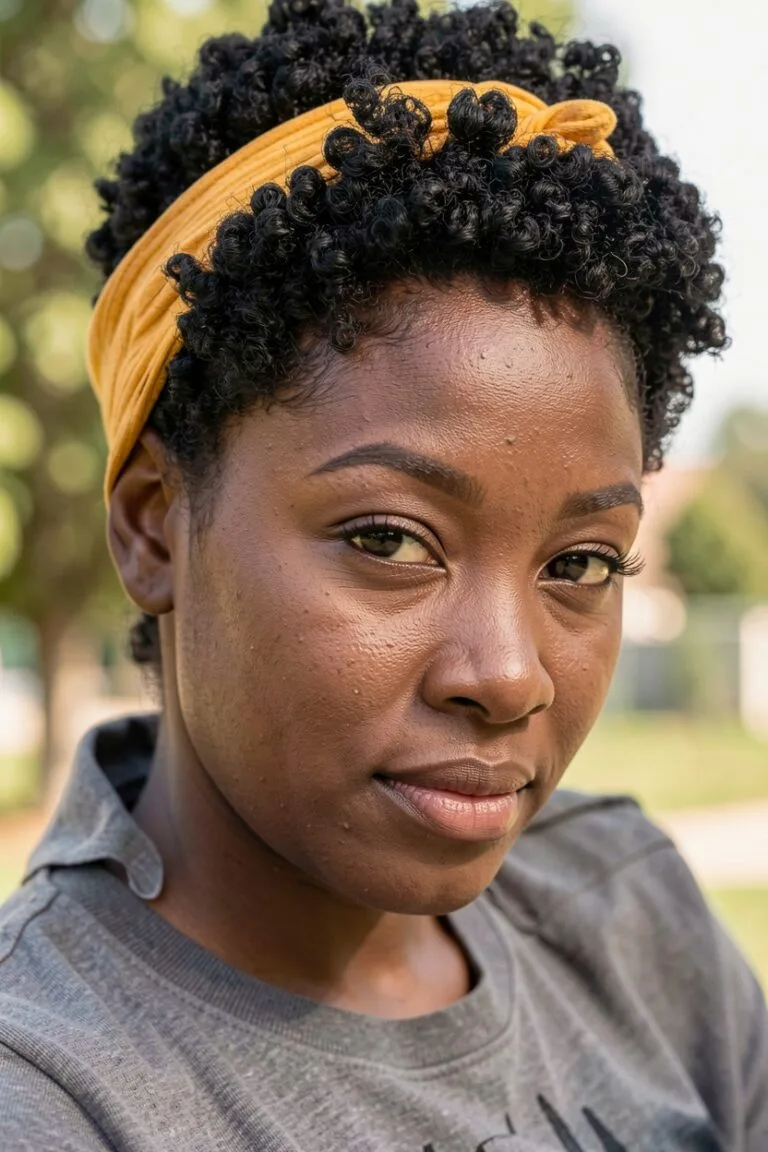

How to Use This Hub
Start with a subcategory below. Each section groups styles with similar maintenance, length behavior, and finish so you can compare quickly.
Why Face Shape Matters
Your face shape is the single best starting point for choosing a hairstyle that actually flatters you - not just one that looks good on a model or celebrity with completely different bone structure. The concept is simple: use your hair to create the optical illusion of an oval silhouette, which is considered the most balanced proportion. If your face is round, add height and angles. If it's long, add width. If it's square, soften the corners.
The six main face shapes are oval, round, square, heart (inverted triangle), oblong (long), and diamond. Here's how to figure out yours: pull all your hair back, stand in front of a mirror, and trace your face outline on the mirror with a washable marker. Seriously - it's the most reliable method. Take a photo for reference. Most people think they know their face shape but are wrong by one category, and that one category difference changes which cuts flatter them.
The Six Shapes, Decoded
Oval faces have balanced proportions where the length is about 1.5 times the width, with a slightly narrower jaw than forehead. This is the "anything goes" face shape. Round faces are nearly as wide as they are long, with full cheeks and a soft jawline - these benefit from cuts that add vertical dimension (long layers, side parts, volume at the crown). Square faces have a strong jawline with forehead, cheekbones, and jaw roughly the same width - soften with side-swept bangs and textured layers around the jaw.
Heart-shaped faces have a wider forehead tapering to a narrow chin - bangs are your best friend here, and chin-length styles add width at the bottom to balance. Diamond faces are the rarest shape: narrow forehead and chin with prominent cheekbones - side-swept bangs and chin-length bobs work beautifully. Oblong (long) faces need width, not length: think layers that hit at the chin or jaw, side parts, and curtain bangs. Long, straight, one-length hair is the enemy of an oblong face - it elongates further.
Beyond the Formula
Beyond the face shape formula, your specific features matter. A prominent nose benefits from volume that draws attention elsewhere. A receding chin is balanced by forward-falling layers. A strong brow is complemented by structured bangs. These micro-adjustments are what separate a good stylist from a great one. The face shape guide gets you 80% of the way there; the remaining 20% is about your individual features, your lifestyle, and your personal style.
Editor's Picks

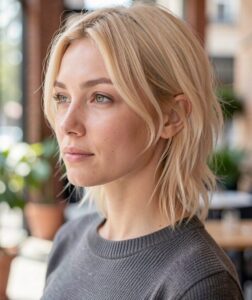
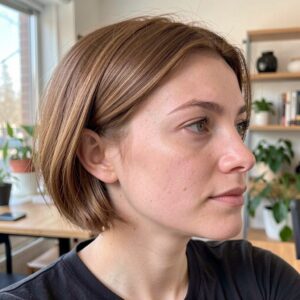
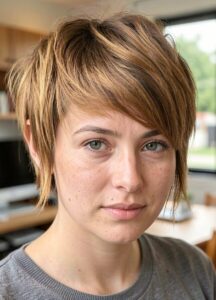
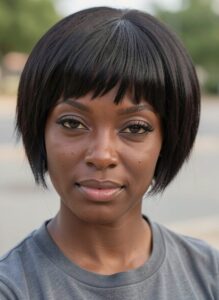
50 Short Haircuts for Round Faces
[POST: 50 Short Haircuts for Round Faces] The most comprehensive guide for our largest face-shape audience. Covers every short style with specific notes on why each works for round proportions.
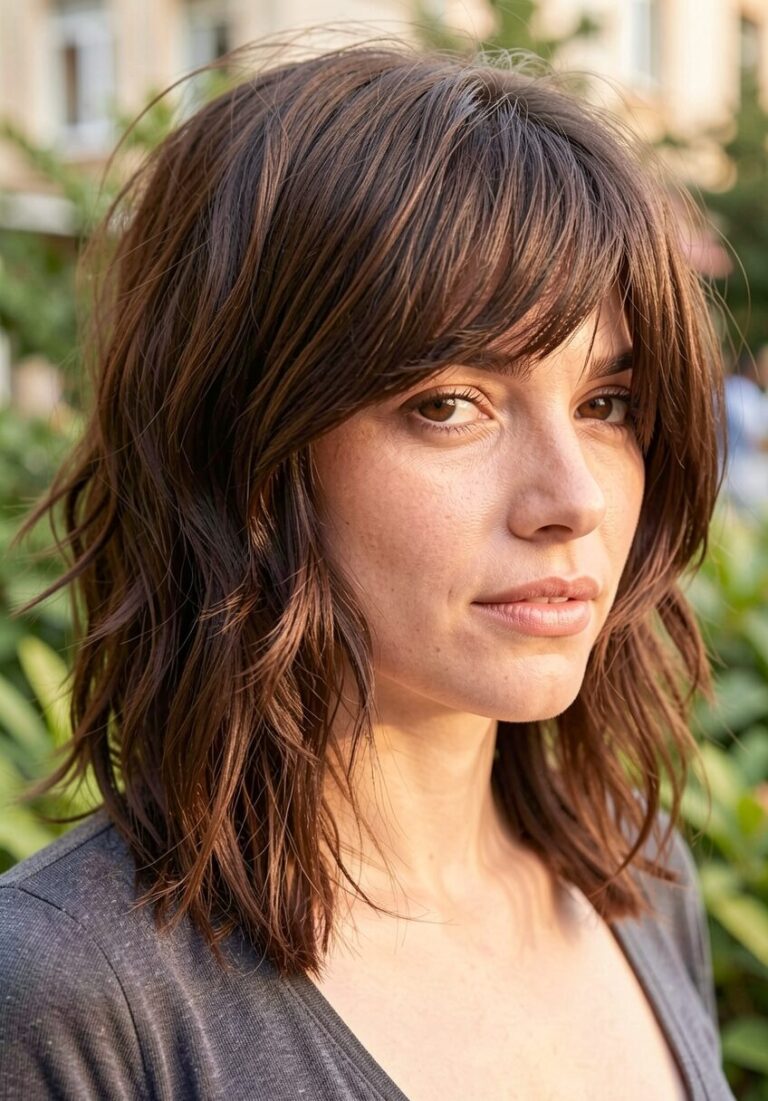
20 Types Of Bangs
[POST: 20 Types Of Bangs] Bangs are the single fastest way to change how a face shape reads. This guide breaks down every bang type with face-shape compatibility notes.
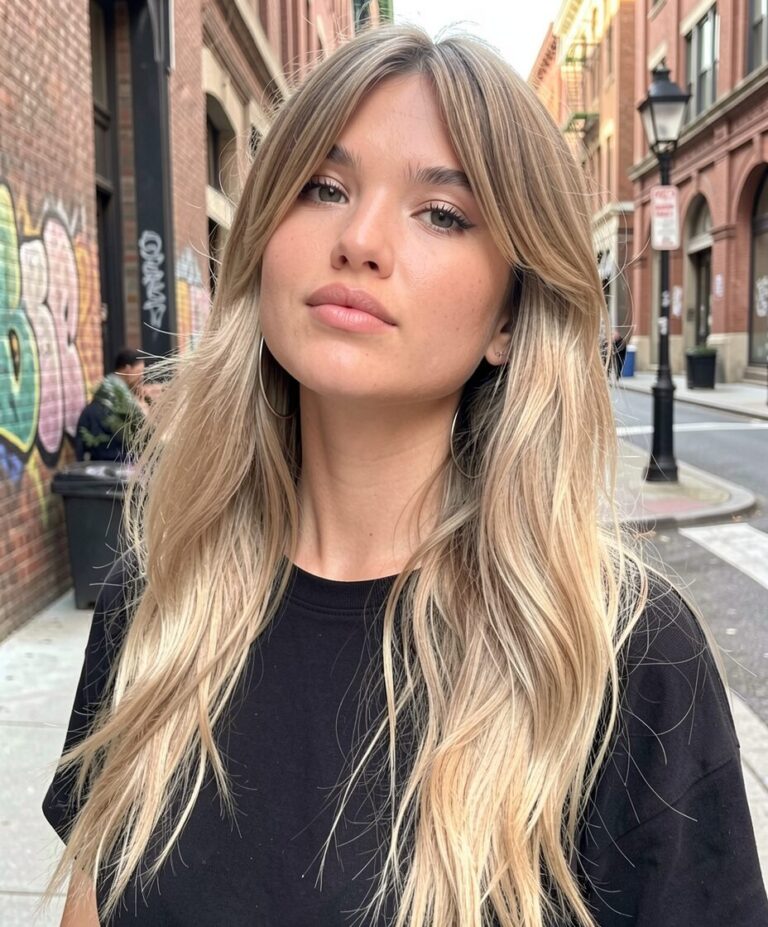
Curtain Bangs Hairstyles on Long and Short Hair
[POST: Curtain Bangs on Long and Short Hair] Curtain bangs work across almost every face shape — this article shows how to adapt them for different proportions and lengths.









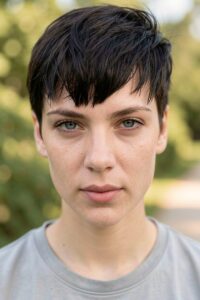

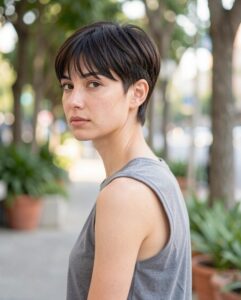
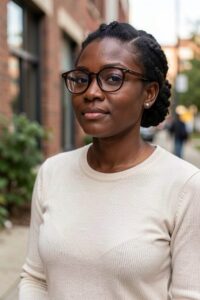
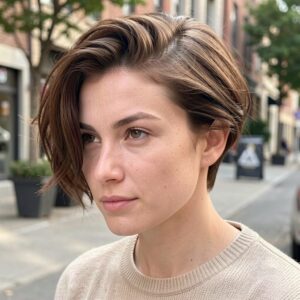
Frequently Asked Questions
How do I figure out my face shape?
Pull your hair back. Stand in front of a mirror and trace your face outline on the glass with a dry-erase marker. If it's widest at the cheekbones and roughly equal in length and width, that's round. Longer than wide with balanced proportions is oval. Wide jaw and forehead is square. Wide forehead narrowing to a small chin is heart. Noticeably longer than wide is oblong. Most people are a blend — focus on your dominant feature.
What hairstyles make a round face look slimmer?
Long layers that fall past the chin — they draw the eye downward and create vertical lines. Side parts add asymmetry that breaks up the roundness. Avoid blunt chin-length bobs (they widen), center parts (they emphasize symmetry), and heavy side-swept bangs that add width at the cheekbones. Volume at the crown — achieved with a root clip or volumizing powder ($10-$15) — adds height that elongates the face proportionally.
Are bangs good for round faces?
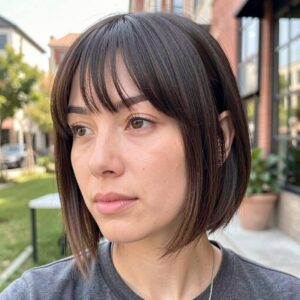
Specific types, yes. Curtain bangs that part in the center and sweep to the sides create a face-framing V-shape that narrows the forehead. Side-swept bangs add an angular line across the face. Avoid thick, straight-across bangs — they create a horizontal line that shortens the face and emphasizes width. If you want full bangs on a round face, go for a slightly arched fringe that's longer at the temples. They run $10-$20 for a bang trim between cuts.
Can the right hairstyle really change how my face looks?
Absolutely. Hair frames 60-70% of your face's visible outline in most styles. A center part vs. a deep side part changes the perceived width of your forehead dramatically. Volume at the chin vs. volume at the crown shifts where the eye sees the widest point. Bangs shorten a long face by covering forehead space. It's not magic — it's basic visual proportion. A skilled stylist uses these principles with every single cut. This is literally what they train for.
What face shape suits short hair best?
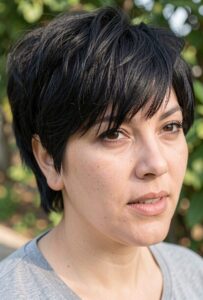
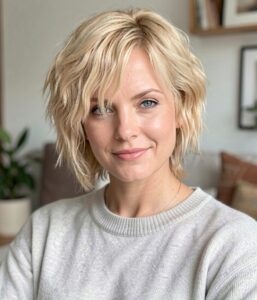
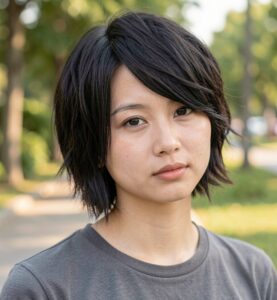
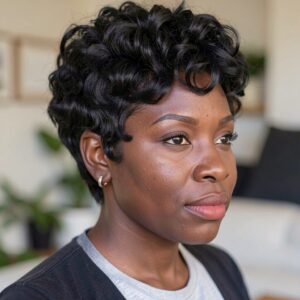
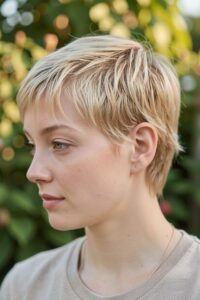
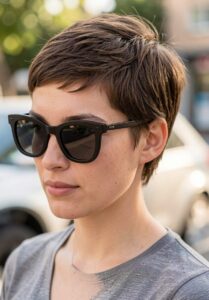
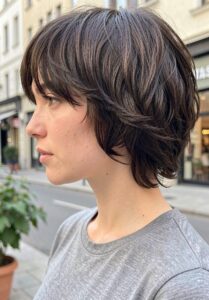
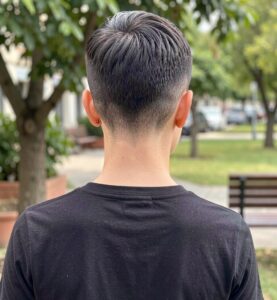
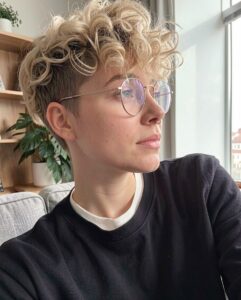
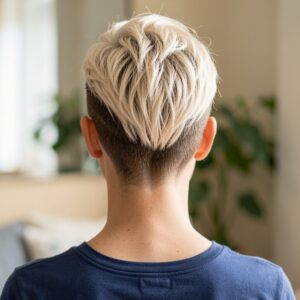
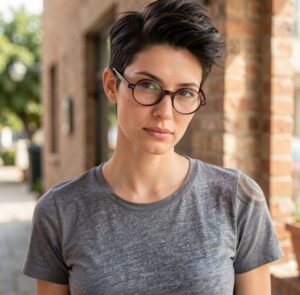
Oval and heart-shaped faces look naturally great with short cuts because the proportions are already balanced. Square faces can pull off a pixie if it has soft, textured pieces rather than sharp geometric lines. Round faces can absolutely go short — but choose a pixie with height on top and tapered sides rather than a rounded bowl cut. The key at any face shape is maintaining some contrast: if your face is angular, soften the cut. If it's round, add angles.