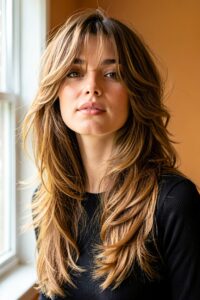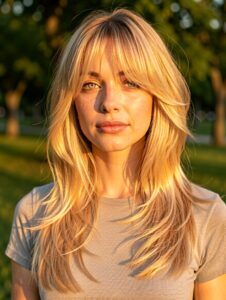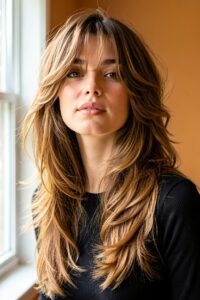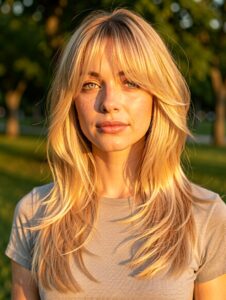
Idu00e9es Coloration Cheveux Hairstyles
Hair color is the fastest way to change how you look without touching the length or shape of your hair.
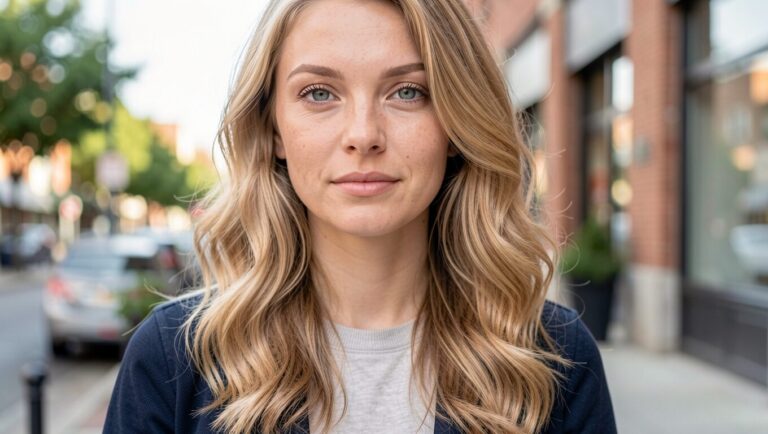
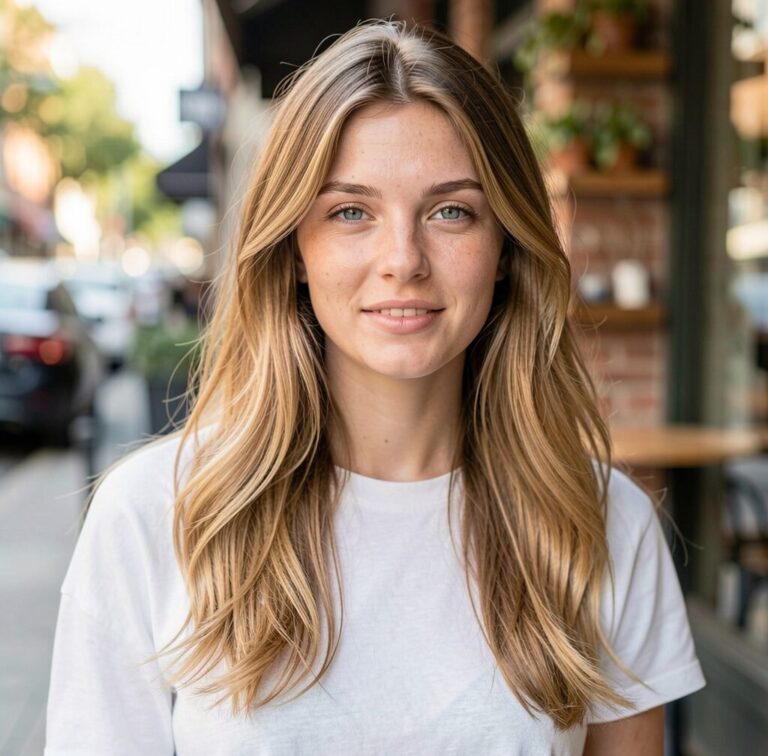
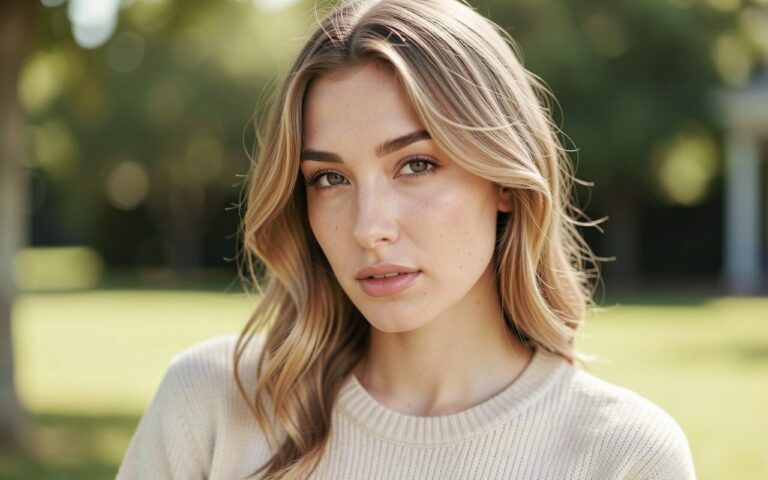
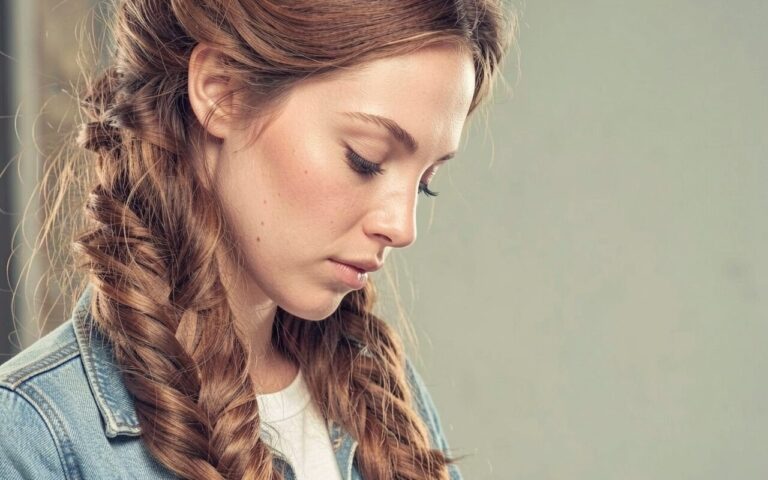
How to Use This Hub
Start with a subcategory below. Each section groups styles with similar maintenance, length behavior, and finish so you can compare quickly.
Meches et Reflets
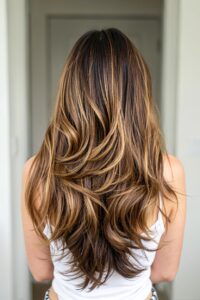
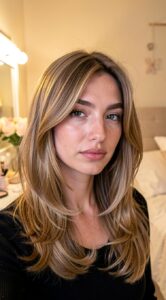
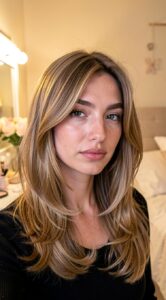
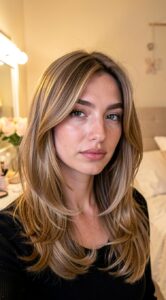
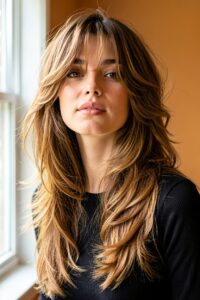
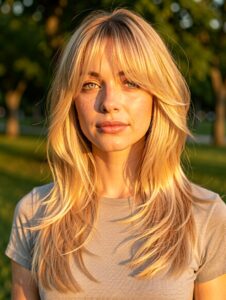
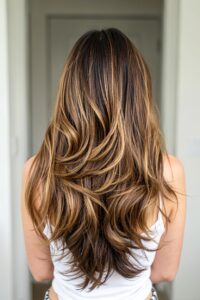
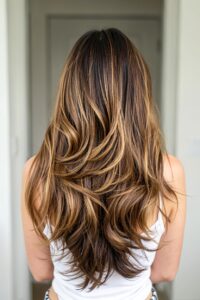
397 stylesHighlights date back to ancient Greek and Roman women using saffron and lemon juice to lighten strands in the sun.
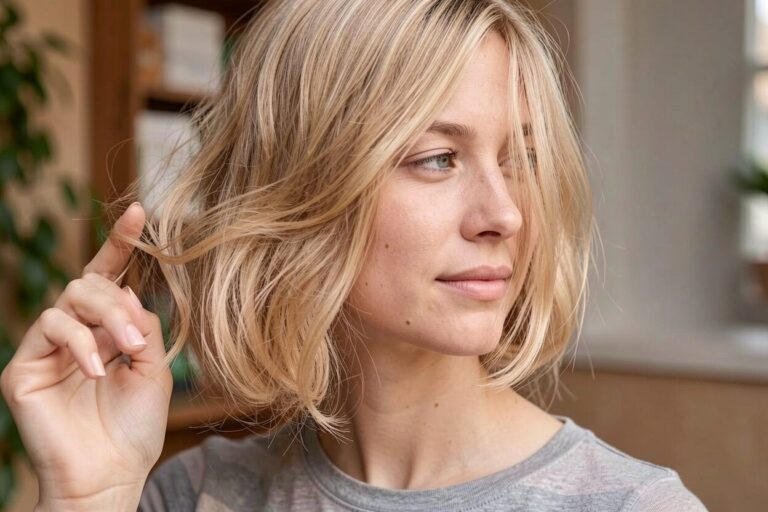
Coiffures Blondes
29 stylesBlonde is not a single color but an entire spectrum from near-white platinum through warm honey down to sandy shades that barely…
Coiffures Ombru00e9
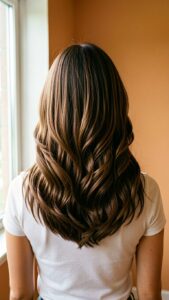
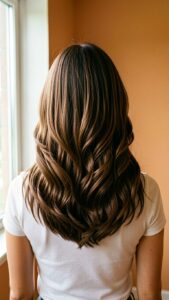
18 stylesExplore gorgeous ombre hair ideas, from subtle brunette-to-caramel blends to bold color transitions.
Coiffures Chu00e2tain
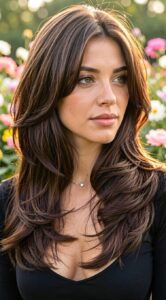
13 stylesBrown hair is the most common natural hair color in the world, which means it runs an enormous spectrum from nearly-black espresso…
Coiffures Rousses
3 stylesRed hair sits in a category of its own.
Hair color is the fastest way to change how you look without touching the length or shape of your hair. Professional formulations now include bond-building technology, ammonia-free options, and semi-permanent pigments that deposit vivid color without lifting your natural shade. The category covers everything from a 20-minute gloss to a six-hour fantasy color session.
Your ideal color depends on more than preference. Skin undertone, eye color, natural depth, and current hair condition all factor in. Warm skin tones (gold or peach undertones, veins that appear green) tend to look best with golden blondes, coppers, warm browns, and rich reds. Cool skin tones (pink undertones, blue veins) pair naturally with ash blondes, cool browns, burgundy, and icy fashion colors. But rules are made to break. If your hair is already damaged from heat or chemical processing, semi-permanent or demi-permanent formulas are smarter choices than permanent color because they skip the high-volume developer.
Natural-tone articles cover the colors most people transition between, and they're the easiest to maintain at home between salon visits. For bolder statements, fashion color articles push into territory where pre-lightening is usually required and fading is part of the look. Technique-based pieces show how the application method changes the final result as much as the color itself. Each substyle has its own maintenance profile, cost structure, and damage potential.
A single-process permanent color runs $80-150 at a salon and needs retouching every 4-6 weeks as roots grow in. Fashion colors (pastels, vivids, neons) cost $200-400+ initially and start fading within 2-3 washes. The most cost-effective approach is choosing a color within 2-3 shades of your natural level, which minimizes root visibility and stretches appointments to 8-10 weeks. Invest in a sulfate-free shampoo, wash with cool water, and limit heat styling. Those three habits alone can double the life of any color service.
Save 3-5 reference images before your appointment that show both the color and the technique you want. Try different shades with the AI try-on tool to narrow down your direction before spending salon time on consultations.