
The Complete Guide to Hair Color and Chemical Treatments
Your hair color is a molecular phenomenon. Every shade on every head is the result of pigment granules embedded deep inside individual hair fibers, absorbing and reflecting light in specific ways. Whether you want to go three shades lighter, cover gray, or try a completely new color family, understanding what actually happens inside the hair shaft helps you make better decisions, avoid damage, and get results that last.
How Hair Color Works at the Molecular Level
Hair gets its natural color from melanin, a pigment produced by melanocyte cells at the base of each follicle. Two types matter.
Eumelanin produces brown and black shades. Pheomelanin produces red and yellow tones. Everyone has both; the ratio determines your natural shade. A person with deep auburn hair has significant amounts of both, while someone with jet-black hair has almost exclusively eumelanin.
These pigment molecules sit inside the cortex, the structural core of the hair shaft. It’s where the color lives, and where most of the hair’s strength comes from, thanks to keratin protein chains held together by disulfide bonds.
Coloring hair that has been recently treated with a keratin or smoothing treatment leads to uneven, patchy results. The coating left by these treatments blocks color from penetrating evenly.
Surrounding the cortex is the cuticle, a layer of overlapping scales (like roof shingles) that acts as a protective barrier. In healthy hair, the cuticle lies flat and tight. This is the gatekeeper. To change hair color permanently, you need to get past it.
That’s where the developer comes in. Hydrogen peroxide (the active ingredient in developer) swells and lifts the cuticle scales, creating gaps large enough for color molecules to enter. In permanent color, ammonia raises the hair’s pH from its natural 4.5-5.5 to around 9-10, which forces the cuticle open even further and triggers an oxidation reaction inside the cortex. Small color precursor molecules slip through, react with the peroxide, and expand into larger, permanent color molecules that become physically trapped inside the cortex.
Permanent hair color works by opening the cuticle with ammonia, then depositing color molecules inside the cortex. This is why it survives washing but also why it permanently alters hair structure.
It’s elegant chemistry. The color molecules are literally too big to wash out once they’ve formed.
Here’s an important detail: lifting (lightening) and depositing (adding color) are two separate chemical processes that happen simultaneously in permanent hair color. The peroxide breaks down your natural melanin while the new color molecules are forming. This is why the ratio of developer volume matters so much.
Wait at least two weeks between chemical services. If you bleach and then perm within a few days, the overlapping chemical stress can cause catastrophic breakage that takes months to grow out.
The Four Levels of Hair Color
Not all hair color works the same way. The industry divides color products into four categories based on how deeply they interact with the hair structure.
The average person who colors their hair at home uses twice as much product as a professional stylist would for the same result. More product does not mean more color deposit, it means more chemical exposure.
Temporary Color
Temporary color sits entirely on the outside of the hair shaft. The molecules are large and simply coat the cuticle surface without penetrating at all.
How it works: Pigment particles cling to the outer cuticle through electrostatic attraction. No chemical reaction occurs.
How long it lasts: One shampoo. Sometimes two if your hair is porous.
Damage level: Zero. No cuticle lifting, no cortex involvement.
Best for: Testing a shade before committing, or adding fun color for an event. Color sprays, colored mousses, and pigmented dry shampoos fall into this category.
Always do a strand test 48 hours before coloring your entire head, even with a shade you have used before. Formula changes between batches, and your hair condition may have changed since the last application.
Semi-Permanent Color
Semi-permanent deposits small pigment molecules on and slightly within the cuticle layer without penetrating the cortex. No developer required.
How it works: Low molecular weight dyes partially absorb into the cuticle without chemical opening of the hair. The color stains the outer structure.
How long it lasts: 4 to 12 shampoos, depending on porosity. Porous hair (damaged, curly, or gray) grabs semi-permanent color more aggressively.
Damage level: Minimal. No ammonia, no peroxide, no structural change. For an even gentler approach, natural hair dyes like henna deposit color without any synthetic chemicals at all.
Best for: Enhancing your natural color, blending a small amount of gray (under 20%), or trying a new shade with low commitment. Overtone and Manic Panic are popular options. Semi-permanent can’t lighten hair at all; it can only deposit color the same level or darker.
Demi-Permanent Color
This is the middle ground, and honestly, it’s underrated.
How it works: Demi-permanent formulas use a low-volume developer (usually 5-10 volume, compared to 20-40 for permanent) to partially open the cuticle. Color molecules enter the outer cortex but don’t trigger the aggressive oxidation that permanent color does. Most are ammonia-free, using milder alkalizing agents like monoethanolamine (MEA).
How long it lasts: 12 to 26 shampoos. Fades gradually rather than growing out with a harsh root line.
Damage level: Low to moderate. The cuticle opens less aggressively, and the cortex sees minimal disruption.
Best for: Gray blending (up to about 50% gray), refreshing faded permanent color, toning after bleaching, adding dimension. Redken Shades EQ is the gold standard in salons.
Permanent Color
This is the heavy hitter. Permanent hair color changes your hair color until it grows out.
How it works: Ammonia (or a substitute) raises the pH and swells the cuticle wide open. High-volume hydrogen peroxide (20-40 volume) enters the cortex and does two things at once: breaks down your natural melanin, and oxidizes small color precursor molecules into large dye molecules that lock into the cortex. Research in the Journal of Cosmetic Science shows these oxidized molecules increase in size by up to 300%, making them physically unable to escape through the cuticle.
How long it lasts: Until it grows out. Fading occurs from UV and washing, but the fundamental color change remains.
Damage level: Moderate to high. The cuticle is significantly disrupted, cortex proteins partially broken down, and the hair loses moisture. Each application compounds the damage.
Best for: Full gray coverage, lightening more than one or two levels, lasting color changes. Going from brunette to blonde requires this (combined with bleach for significant lifting).
| Type | Penetration | Duration | Damage | Best For |
|---|---|---|---|---|
| Temporary | Surface only | 1–2 washes | None | Testing shades, events |
| Semi-Permanent | Cuticle | 6–12 washes | Minimal | Subtle change, shine boost |
| Demi-Permanent | Outer cortex | 12–26 washes | Low | Blending gray, tonal shifts |
Permanent | Full cortex | Until grows out | Moderate | Full coverage, dramatic change |
Popular Coloring Techniques
The type of color product is one decision. How it’s applied is another entirely.
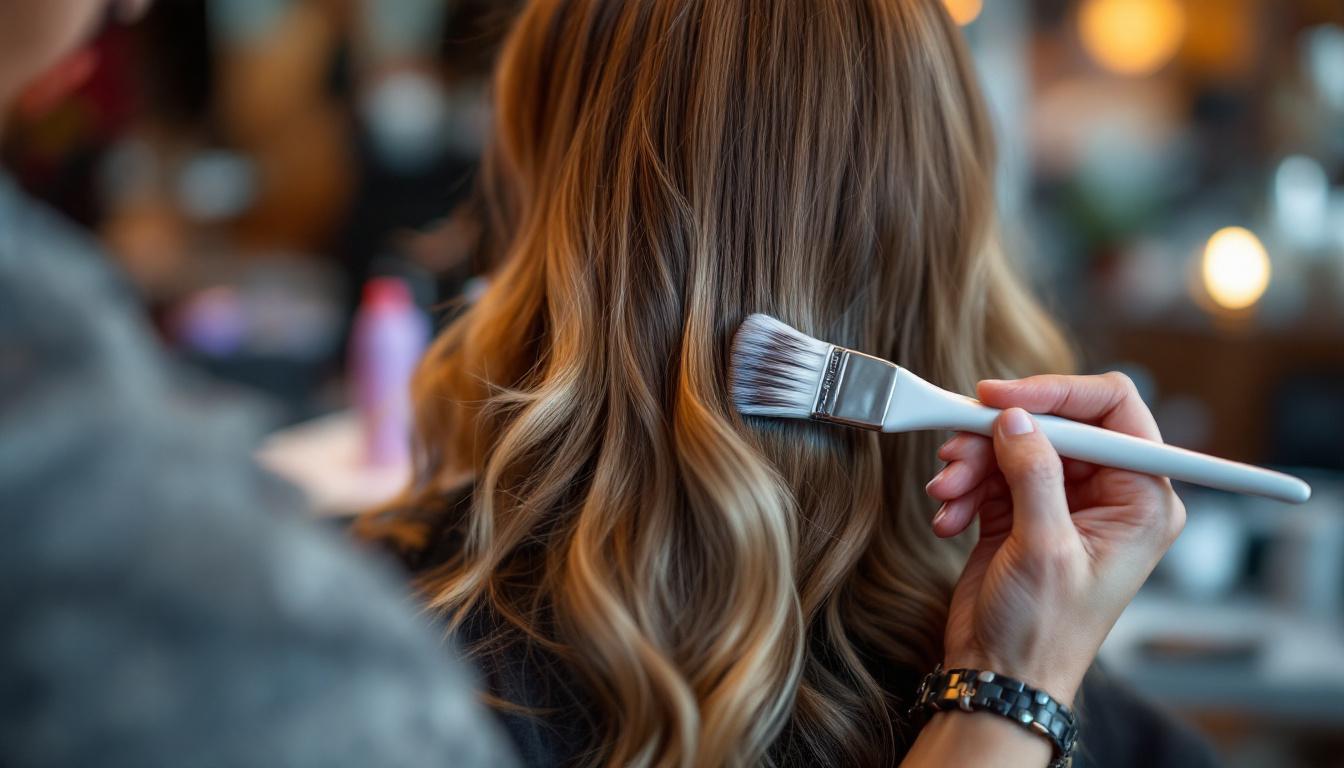
Single Process / All-Over Color
is exactly what it sounds like: one color formula applied root to tip. Great for covering gray uniformly, making a dramatic shift in base color, or refreshing your natural shade. Maintenance is every 4 to 6 weeks for root touch-ups. Full-length refreshes should be less frequent to avoid over-processing the mid-lengths and ends.
Highlights and Foils
involve selecting thin sections and applying lightener, then wrapping each in foil to isolate it. The result is multi-tonal dimension. Placement and thickness of the foils determine how chunky or natural the result looks. Maintenance every 8 to 12 weeks, though some people stretch to 16.
Balayage is freehand painting: the colorist paints lightener onto the hair surface without foils. The word is French for “sweeping.” Because application is less uniform, the result looks organic and sun-kissed. Grow-out is softer than highlights. Maintenance every 12 to 16 weeks. The tradeoff: results depend heavily on the colorist’s skill. A great balayage artist charges $300+ because they’ve earned it.
Ombre
creates a visible gradient from darker roots to lighter ends. The transition is intentional and dramatic. It’s a specific look rather than a subtle blending technique.
Color Melt (Sombre) is a subtler version of ombre. “Sombre” stands for “soft ombre.” Multiple shades are blended seamlessly, with no visible line of demarcation. Think dark chocolate at the root, melting into caramel, then transitioning to golden honey at the ends. Three or four colors involved, all merged at the boundaries.
Babylights are extremely fine, delicate highlights that mimic the naturally sun-lightened hair you see on children. They require more foils (and more time in the chair, and more money) than standard highlights but produce the most natural-looking result.
Vivid and Fashion Colors are the unnatural shades: electric blue, magenta, emerald, pastel pink. These require pre-lightening to a very pale blonde (level 9 or 10) before applying a semi-permanent vivid on top. The brighter you want the color, the lighter the canvas needs to be. Maintenance is high; plan for touch-ups every 3 to 5 weeks.
See how different hairstyles look on you — upload your photo and try any style with our AI tool.
Try HairStyleMojo Free →Chemical Treatments Beyond Color
Color isn’t the only chemical process people put their hair through. Several other treatments involve restructuring hair at a molecular level.
Keratin Treatments
infuse hair with keratin protein, then use flat-iron heat (400-450 degrees F) to seal it in place. Smoother, shinier, less frizzy hair that lasts 2 to 5 months. Here’s the thing: many keratin treatments contain formaldehyde or formaldehyde-releasing chemicals (like methylene glycol) as the active smoothing ingredient. The FDA has issued warnings about this. If formaldehyde concerns you, check the ingredient list for methylene glycol, formalin, and methanediol. “Formaldehyde-free” on the label doesn’t always tell the full story.
Brazilian Blowout is often confused with keratin treatments, but it’s a distinct product. It uses a proprietary formula bonded with heat, smoothing frizz while keeping more natural texture intact than a traditional keratin treatment. Results last about 10 to 12 weeks.
Relaxers permanently straighten hair by breaking disulfide bonds in the cortex and reforming them straight. They use either sodium hydroxide (lye relaxers) or calcium hydroxide/guanidine hydroxide (no-lye relaxers), both highly alkaline at pH 12-14. The process is irreversible. Overlapping (applying to previously relaxed hair) is one of the fastest ways to cause severe breakage.
Perms work on the same disulfide bond principle but in reverse. Hair is wrapped around rods, a reducing agent (ammonium thioglycolate) breaks the bonds, and a neutralizer reforms them in the curved shape. Modern perms bear little resemblance to the crunchy curls of the 1980s. Cold perms, digital perms, and body wave perms offer natural-looking results. Rod size determines curl tightness.
Bond Repair Treatments like Olaplex, K18, and Redken Acidic Bonding Concentrate aim to repair rather than change structure. Olaplex (bis-aminopropyl diglycol dimaleate) seeks out broken disulfide bonds and creates new cross-links. K18 uses a bioactive peptide targeting broken keratin chains. These aren’t cosmetic coatings; they perform measurable structural repair at the molecular level.
What Chemical Processing Does to Hair Structure
Every chemical service takes a toll. Understanding cumulative damage helps you make smarter decisions about what to do and how often.
When developer lifts the cuticle, those overlapping scales don’t always lie back down perfectly afterward. With each processing cycle, the cuticle becomes progressively more disrupted. Research in the International Journal of Cosmetic Science has shown that even a single bleaching session can significantly reduce the cuticle’s thickness. After multiple sessions, large sections of cuticle can be missing entirely.
Apply a thick layer of petroleum jelly along your hairline, ears, and neck before coloring. It creates a barrier that prevents staining on skin without affecting the color deposit on hair.
Once the cuticle is compromised, the cortex is exposed.
This leads to protein loss. The cortex is primarily keratin, and chemical processing breaks down these protein chains. According to Robbins’ Chemical and Physical Behavior of Human Hair, bleached hair can lose measurable protein with each treatment. That might sound small, but it’s cumulative. After five bleaching sessions, you’ve potentially lost 10% of the hair’s structural protein. The hair becomes weaker, more elastic (not in a good way), and more prone to breakage.
Moisture loss follows protein loss. A damaged cuticle can’t retain water effectively, and the cortex has reduced capacity to hold moisture. This is why heavily processed hair feels dry and straw-like even right after conditioning.
Overlap is the cardinal sin of hair coloring. Applying permanent color or bleach to previously processed sections concentrates damage on the mid-lengths and ends. The roots (virgin hair) can handle the chemicals. The already-processed lengths cannot. Good colorists track processing history on every client. They know which sections have been bleached twice versus four times. That awareness is the difference between healthy blonde hair and straw.
Choosing a Color for Your Skin Tone
The right hair color makes your skin look healthier and your eyes brighter. The wrong one washes you out. Here’s how to figure out what works.
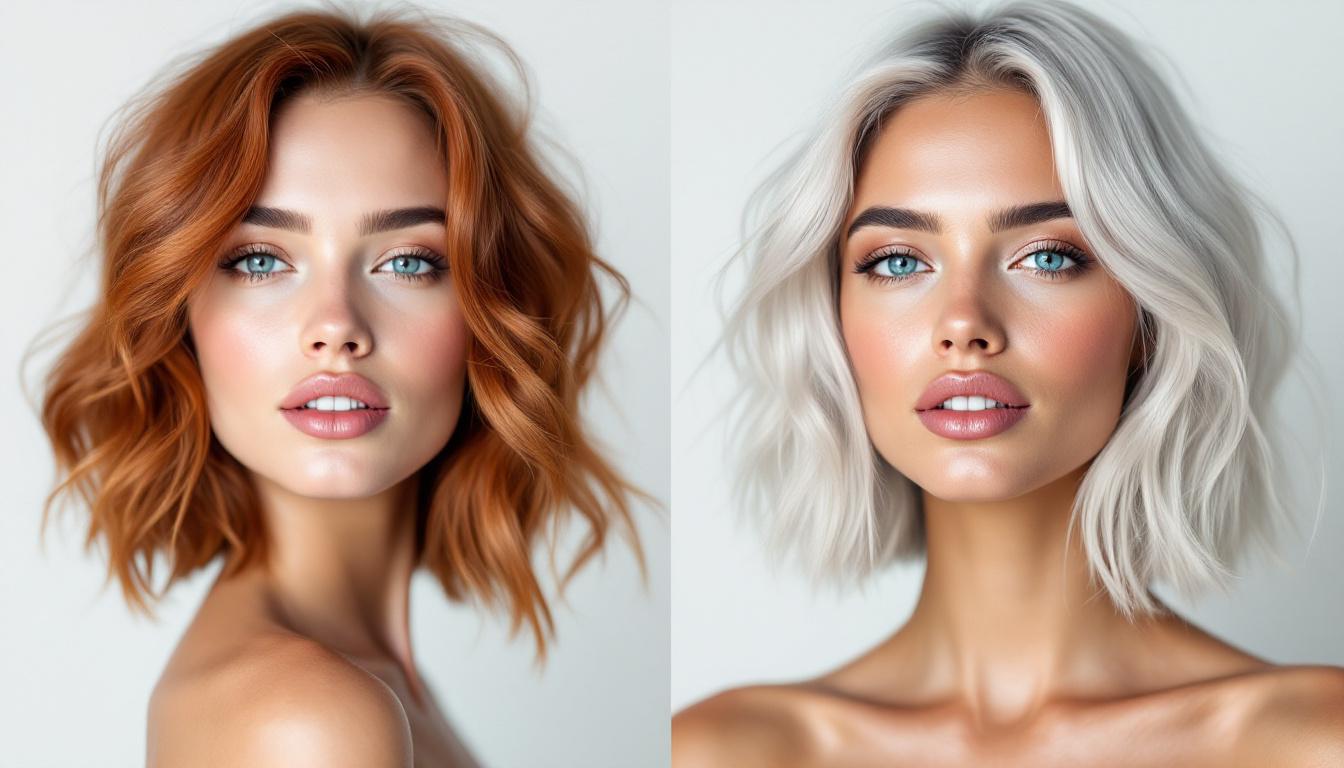
Start with your undertone: the hue beneath your surface skin color. Three categories: warm (golden, peachy, yellow), cool (pink, red, blue), and neutral (a mix).
The vein test is a quick check. Look at the veins on the inside of your wrist in natural daylight. Greenish veins suggest warm undertones. Blue or purple veins suggest cool. Both? Probably neutral.
Warm undertones are flattered by warm hair colors: golden blonde, honey, caramel, copper, auburn, warm chocolate brown, rich chestnut. Avoid ashy or platinum shades, which can make warm skin look sallow or grayish.
Cool undertones pair well with ash blonde, platinum, cool brown, espresso, burgundy, and blue-black. Warm golden tones can clash and make cool skin look ruddy or uneven.
Neutral undertones have the most flexibility. Most shades work. Just stay away from anything at the extreme end of either warm or cool.
Contrast level also matters. This is the difference between your skin, hair, and eye color. High contrast (dark hair, light skin, light eyes) is dramatic. Low contrast (everything in a similar tonal range) looks softer. If you naturally have high contrast and reduce it (going from dark brown to light blonde), you might feel something looks “off” even though the color is flattering. That’s the contrast shift.
Bring reference photos to your colorist. Multiple photos, different skin tones. Communicates more than words ever could.
Aftercare and Maintenance
Getting great color is half the battle. Keeping it is the other half.
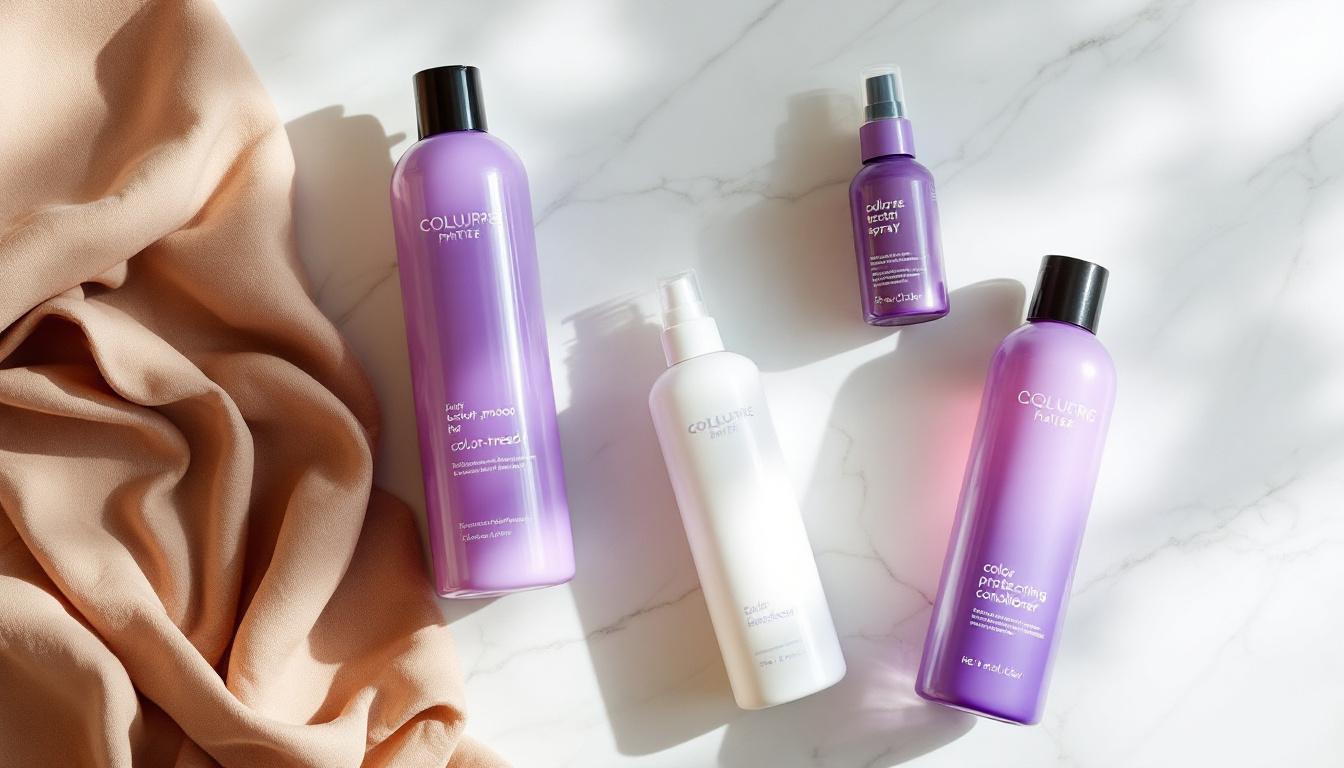
Switch to sulfate-free shampoo. Sulfates are aggressive surfactants that strip color molecules from the cortex. Research shows sulfate-free cleansers extend color life by 30-50%. Pureology, Olaplex No. 4, and Moroccanoil Color Continue are reliable options.
Use a color-safe conditioner every wash. Look for ingredients that help seal the cuticle: hydrolyzed keratin, argan oil, panthenol, and acidic pH formulas (around 4.0-4.5) that encourage the cuticle to close flat.
Protect from UV. Sunlight breaks down both natural melanin and artificial color molecules. Wear a hat in direct sun. UV-protectant sprays exist (Aveda Sun Care, Bumble and Bumble Hairdresser’s Invisible Oil), though they need reapplication like sunscreen.
Purple shampoo for blondes and silver hair. Blonde and gray hair develops brassy yellow tones from mineral deposits and UV exposure. Purple (opposite yellow on the color wheel) neutralizes it. Use once or twice a week, not every wash, or you’ll get a violet cast. Fanola No Yellow is strong; Redken Color Extend Blondage is gentler for maintenance.
Blue shampoo for brunettes. If you have brown hair that pulls orange or copper as it fades, blue shampoo does the same thing purple does for blondes. Matrix Brass Off is the go-to.
Color-depositing products (Overtone, Keracolor Clenditioner) refresh your shade between visits. They’re conditioners with pigment; they revive faded vibrancy without a salon appointment.
Space out appointments. Root touch-ups every 4 to 6 weeks are fine. Full-length refreshes should happen no more than every third appointment. If your lengths look dull, try a gloss treatment (demi-permanent toner) instead of reapplying permanent color over processed hair.
Wash with lukewarm or cool water. Hot water lifts the cuticle and lets color molecules escape faster.
DIY vs. Professional
Some color work you can absolutely handle at home. Some you really shouldn’t. The difference comes down to risk.
Reasonable for DIY
Semi-permanent color is very forgiving. There’s no developer, no chemical risk, and the color fades in weeks even if you hate it. Grab a box of Clairol Natural Instincts or a jar of Overtone and go for it.
Root touch-ups on permanent color, if you’re working with a shade close to your natural level, are manageable at home. Madison Reed and eSalon both offer home color kits with better formulas than the average drugstore box. Apply to new growth only. Don’t pull through the ends.
Toning shampoos and color-depositing conditioners are completely DIY-safe. No skill required beyond reading the bottle.
Go to a Professional
Any bleaching or significant lightening. Full stop. Bleach is unforgiving. Uneven application creates hot spots. Too long and you get breakage. On already-processed hair, you can literally dissolve the shaft. Not an exaggeration. A trained colorist watches hair change in real time and makes judgment calls a box of bleach cannot.
Major color changes (going from dark to light, warm to cool, or shifting more than 2-3 levels) should be professional work. These often require multiple sessions, custom formulations, and corrective steps that aren’t possible with a single box dye.
Corrective color is always professional territory. If something went wrong at home (green tint from ash over orange, patchy bleach, color too dark), a professional has the training and products to fix it. Attempting to fix a mistake at home usually makes things worse.
That said, the beauty industry has a financial incentive to say everything requires a professional. It doesn’t. Be realistic about risk. Semi-permanent at home? Almost zero. DIY balayage on chemically relaxed hair? Very high. A professional color correction runs $300-$800+ and sometimes requires multiple sessions, which is almost always more than the original salon service would have cost.
Key Takeaways
- Hair color works by either coating the outside (temporary/semi-permanent) or chemically entering the cortex (demi/permanent); the distinction determines both longevity and damage level
- Developer volume directly controls how much the cuticle opens: higher volume means more lifting power but also more structural damage
- Demi-permanent color is an underused option that delivers good gray coverage and tonal change with significantly less damage than permanent color
- Chemical treatments like relaxers and perms permanently restructure hair by breaking and reforming disulfide bonds; these changes cannot be undone
- Cumulative damage from overlapping chemical processes is the leading cause of severe hair breakage; your colorist should never apply bleach to already-bleached lengths without assessing their condition
- Matching hair color to your skin’s undertone (warm, cool, or neutral) creates a more flattering result than chasing a trending shade
- Sulfate-free shampoo, UV protection, and strategic spacing of appointments are the three most impactful things you can do to maintain color longevity
Frequently Asked Questions
For permanent color, 4 to 6 weeks between root touch-ups is standard. Pulling color through the full length should happen less frequently; ideally every 8 to 12 weeks at most. If you’re bleaching, longer is better. Each bleaching session causes measurable protein loss (up to 2% per treatment, according to Robbins’ research), so spacing sessions at least 6 to 8 weeks apart gives the hair time to benefit from conditioning and bond-repair treatments between appointments.
The American Academy of Dermatology notes that coloring during pregnancy is generally considered safe, especially after the first trimester. Many pregnant women opt for foil highlights (which don’t contact the scalp) or semi-permanent options as a precaution. Avoid formaldehyde-containing keratin treatments during pregnancy. Always discuss specific concerns with your OB-GYN.
Cool-toned pigments (blue, violet) are smaller molecules that wash out faster than warm-toned pigments (red, orange, yellow). As cool tones fade, underlying warmth becomes visible. Particularly noticeable in lightened brunettes. A toning shampoo (purple for blondes, blue for brunettes) once or twice weekly is the easiest fix. Hard water accelerates brassiness; a shower filter helps.
Box dyes use one-size-fits-all formulas, typically with higher developer volumes (often 20 volume regardless of target shade) and more aggressive alkalizing agents than necessary. A salon colorist custom-mixes for your specific hair. The pigment chemistry is similar, but customization makes a meaningful difference in results and damage. For semi-permanent and root touch-ups, quality box dyes (Madison Reed, eSalon) are perfectly adequate.
Patience. Going from dark brown or black to blonde should happen over 2 to 4 appointments spaced at least 6 weeks apart, each lifting 1 to 2 levels. Between sessions, use bond-repair treatments (Olaplex No. 3 or K18 Leave-In Molecular Repair Mask) and deep condition weekly. A skilled colorist will stop before the hair reaches its damage threshold, even if that means you haven’t hit the target shade yet. Better to be halfway there with healthy hair than at your goal with hair that’s falling apart.
Sources & References
- Robbins, C.R. Chemical and Physical Behavior of Human Hair, 5th ed. Springer, 2012. The definitive reference text on hair fiber science, covering protein structure, melanin chemistry, and the effects of chemical processing.
- Morel, O.J.X. and Christie, R.M. “Current Trends in the Chemistry of Permanent Hair Dyeing.” Chemical Reviews, vol. 111, no. 4, 2011, pp. 2537–2561. Review of oxidative hair coloring chemistry and color molecule formation mechanisms.
- American Academy of Dermatology. “Hair Dye and Hair Relaxers.” Patient education guidelines on safe use of hair color products and chemical treatments.
- Bolduc, C. and Shapiro, J. “Hair Care Products: Waving, Straightening, Conditioning, and Coloring.” Clinics in Dermatology, vol. 19, no. 4, 2001, pp. 431–436. Review of cuticle damage mechanisms from chemical processing.
- U.S. Food and Drug Administration. “Cosmetics Safety Q&A: Hair Dyes.” FDA guidance on hair dye ingredient safety, restrictions on color additives, and formaldehyde regulation in salon keratin treatments. Updated 2023.
- Scientific Committee on Consumer Safety (SCCS), European Commission. Opinions on hair dye safety. Including p-phenylenediamine (PPD) exposure limits and safety assessments for oxidative coloring agents.
- Gavazzoni Dias, M.F.R. “Hair Cosmetics: An Overview.” International Journal of Trichology, 7(1), 2–15, 2015. Clinical overview of how cosmetic treatments affect hair fiber integrity over time.
See also: Ombre Hair Brown to Blonde Color Ideas
Try different hairstyles on yourself
Upload your photo and see how any hairstyle looks on you before committing.
Try HairStyleMojo Free