
30 Short Layered Haircuts That Make Styling a Breeze
Transform your look with short layered haircuts—get pro styling tips and fresh inspiration to make…
Your hair texture determines everything - which cuts work, which products you need, how long styling takes, and what your hair will…
Start with a subcategory below. Each section groups styles with similar maintenance, length behavior, and finish so you can compare quickly.
Thin hair isn't a flaw to fix - it's a texture to work with.
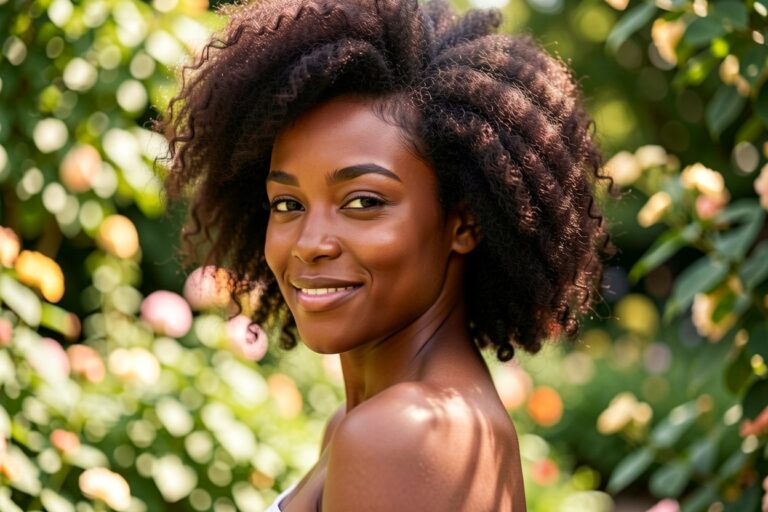
Curly hair is not one thing.
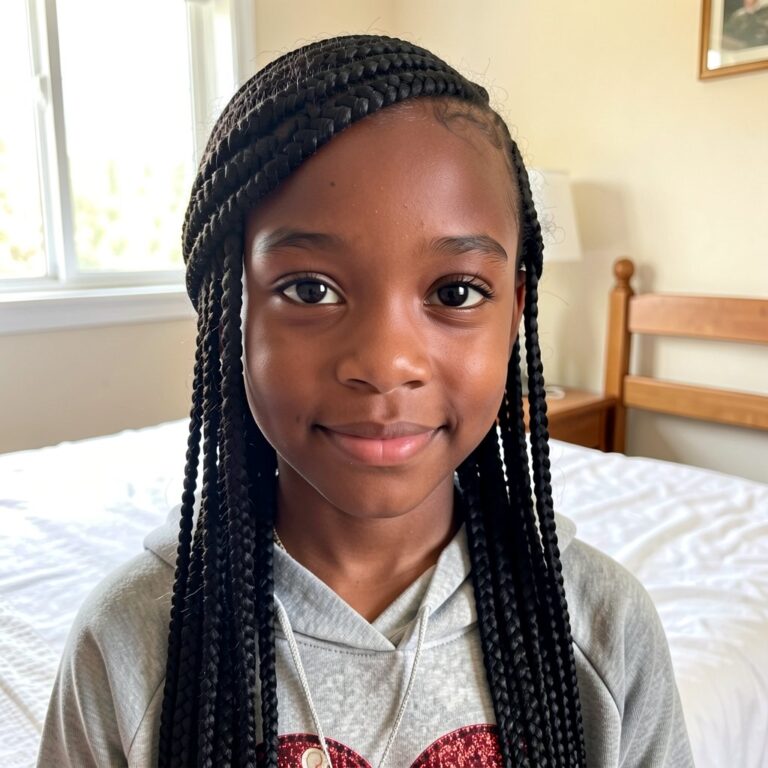
Natural hair refers to hair that hasn't been chemically altered with relaxers, texturizers, or permanent straighteners, worn in its true texture.
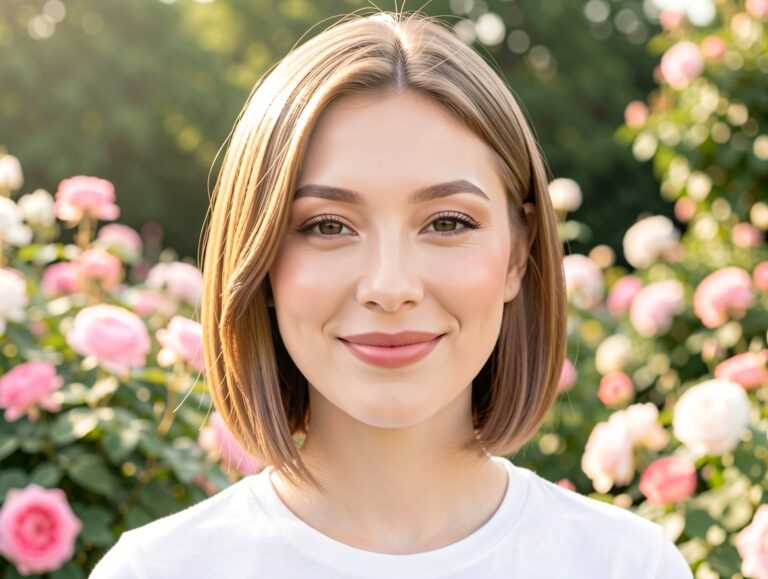
The key thing most people misunderstand about straight hair is that it is not one thing.
Your hair texture determines everything - which cuts work, which products you need, how long styling takes, and what your hair will actually do when you stop fighting it. The Andre Walker hair typing system (types 1-4) is the most widely used framework, but real hair rarely fits neatly into one category. Most people have two or three curl patterns across different sections of their head.
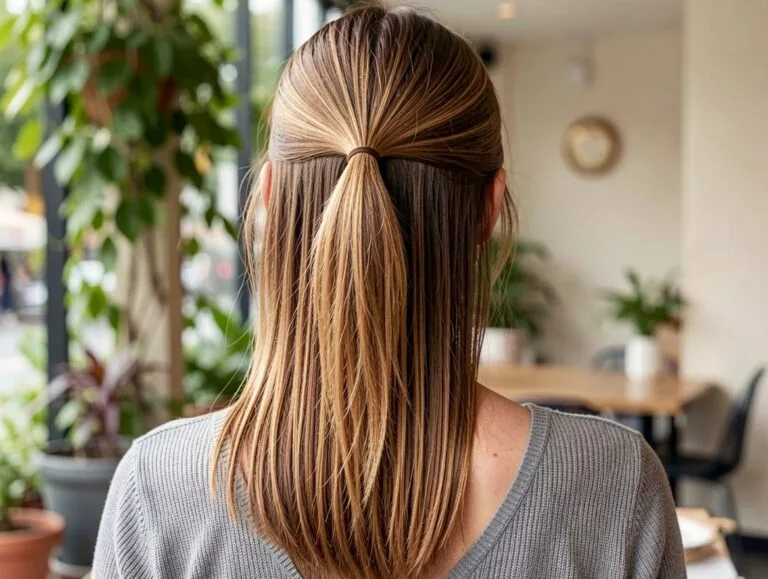
Straight hair (type 1) lies flat against the head with no natural bend. It shows oil fastest and responds well to volumizing cuts with internal layers. If you have pin-straight hair that won't hold a curl, don't waste money on curling irons - get a cut that works with sleekness instead of fighting it. Wavy hair (type 2) has that natural S-bend that can look undone-chic with the right cut and catastrophic with the wrong one. It's the most versatile texture because you can push it toward straight or coax it toward curly depending on your mood.
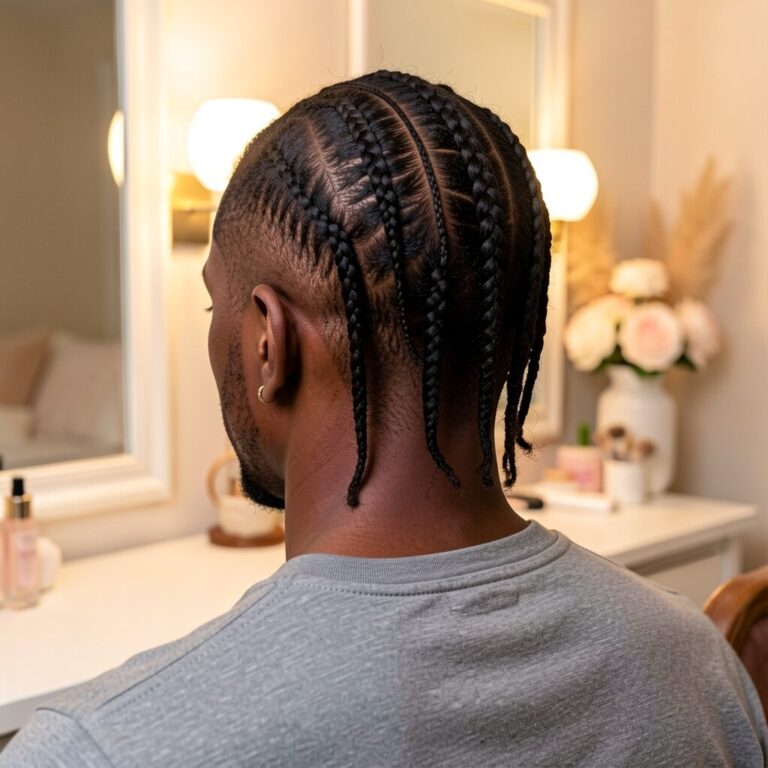
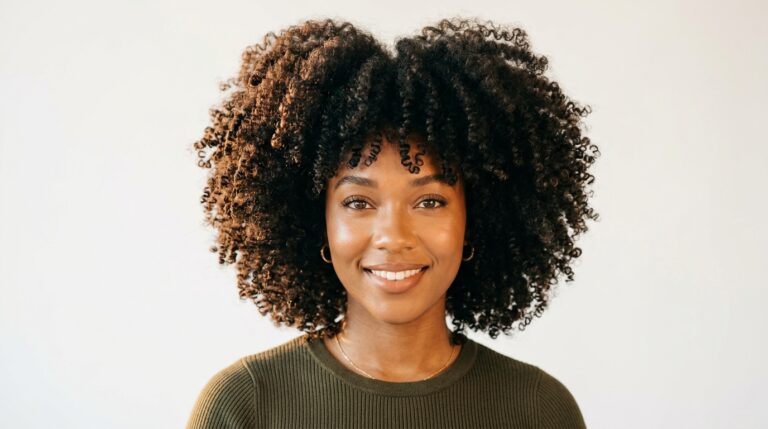
Curly hair (types 3A-3C) forms defined ringlets and spirals. The tighter the curl pattern, the more moisture your hair demands and the more shrinkage you'll deal with (up to 50% for tight curls). Curly hair should almost always be cut dry by a specialist who understands how the curl pattern changes the final shape. Coily hair (type 4A-4C) has the tightest patterns, from dense S-curls to zig-zag coils. It's simultaneously the most fragile and the most versatile texture - it can be stretched, twisted, braided, locked, or worn in its natural shrinkage state.
Every texture has its own set of rules for washing, conditioning, and styling. The biggest mistake people make is using products designed for a different texture type. Fine, straight hair drowns under heavy creams and butters. Thick, curly hair starves without them. When in doubt, err on the side of moisture for curly and coily types, and volume for straight and fine types. Your texture is your starting point, not a problem to solve.
[POST: 56 Natural Hairstyles for Black Girls] Extensive gallery covering natural hair in all its forms — protective styles, wash-and-go looks, and everything in between. Practical for daily inspiration.
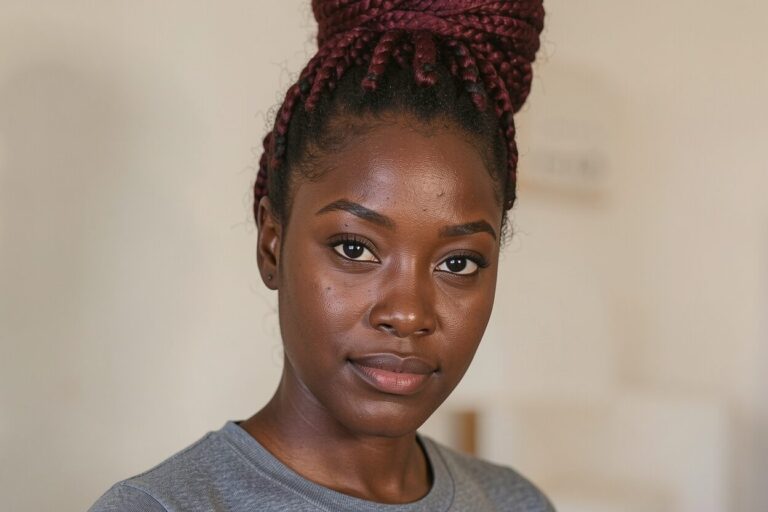
[POST: 42 Big Jumbo Box Braids] Box braids are a cornerstone protective style for textured hair. This guide covers sizing, tension management, and installation expectations that matter.
[POST: 20 Short Layered Haircuts] Great reference for how layering technique works differently on straight vs. wavy vs. curly textures at shorter lengths.
Transform your look with short layered haircuts—get pro styling tips and fresh inspiration to make…
The pageboy haircut was a classic style of the 1970s but is coming back in…
From choppy, edgy texture to softly shaped silhouettes, there are layered bob haircuts to suit…
There are so many short curly hairstyles out there. Discover our list and images of…
Best Natural Hairstyles for Black Girls Natural hairstyles for Black girls are a wonderful way…

The Best Pixie Haircuts for Older Women Over 50 Age doesn’t determine your haircut, style,…
Best Leave In Conditioner For Curly Hair Reviews Leave-in conditioner is designed to provide additional…
Feed In Braid Styles Looking for new cornrow styles to revamp your hair game this…
Glamorous ’70s Hairstyles Each modern era has hosted its share of fashion trends, but often…

Collarbone Length Haircuts Long hair is so last summer. This year it’s all about collarbone-skimming…

30 Balayage Styles for Straight Hair In the past few years, the balayage style has…
Spiral Perm vs Regular Perm Styling tools like straighteners and curling irons make it easier to…
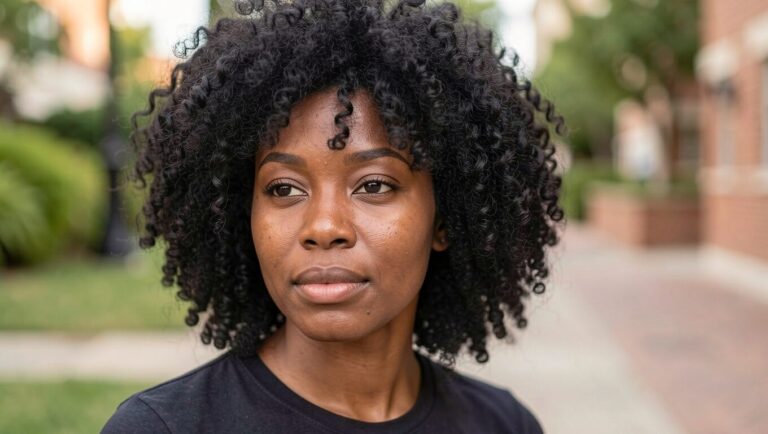
African American Natural Hairstyles for Medium Length Hair We love natural hair at every length,…
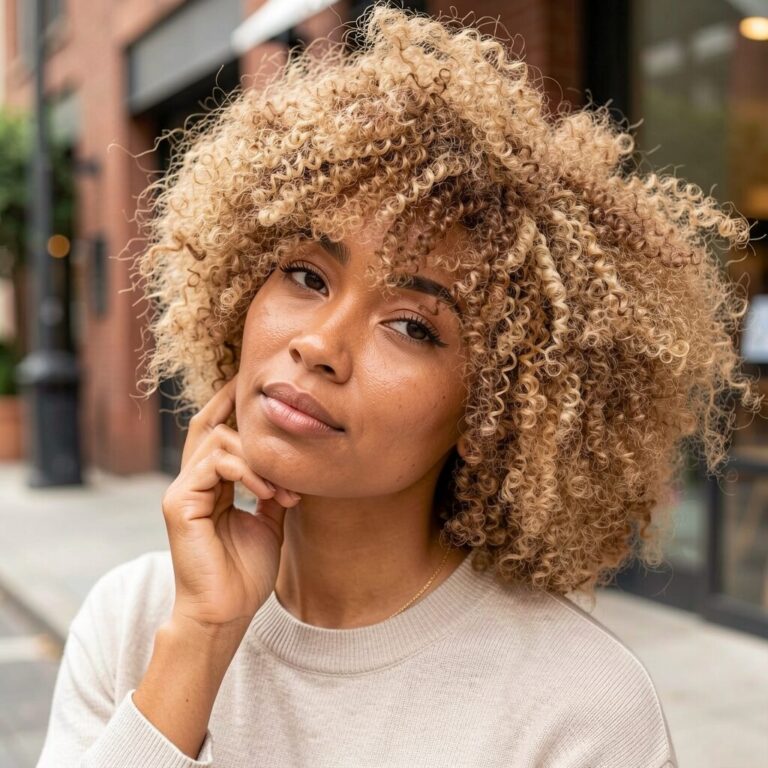
Cute Natural Hairstyles For Short Haired Beauties Wearing hair in its natural texture represents a…

Peach Hair Trend Peach is the latest shade to be embraced by hair colorists and…

3C Natural Hair Care Guide With great curls comes great responsibility. Wavy, curly, coily, kinky…
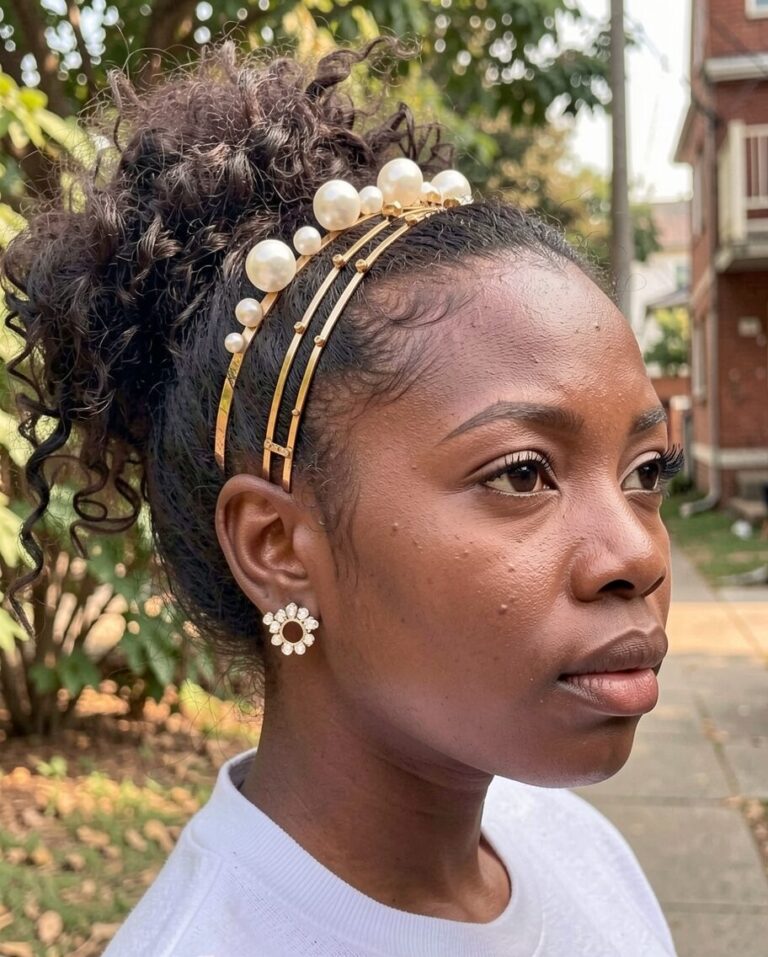
Messy Bun Curly Hairstyles Calling all our curly hair people! First, let us start by…

Hairstyles with Clip In Extensions Extensions are one of the beauty wonders of the world,…
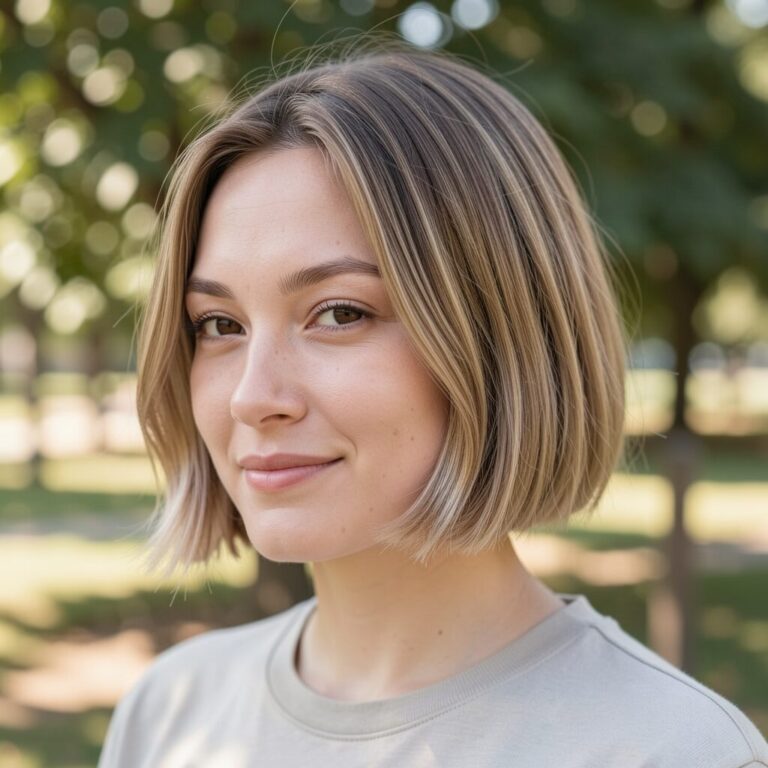
Chin Length Hairstyles Short hair, don’t care! Have you noticed women everywhere are chopping length…

Best Haircuts for Oval Face Shape Do you have an oval face shape? We’re talking…

1980s Hairstyles We Love! I don’t know if you have noticed, but the 1980s are…

Best Hair Straightening Brushes On the Market Looking for a brush that straightens hair? Whether you…

25 Ponytail Hairstyles Ponytails are easy to do and are here to stay this year! If…

Short and Long Layered Curly Hairstyles Whether you choose big and bouncy, tight and defined,…
Wash your hair without conditioner, let it air-dry completely, and look at the pattern. Type 1 is pin-straight with no bend. Type 2 has loose S-shaped waves. Type 3 forms defined springy curls (3A is loose, 3C is tight corkscrews). Type 4 is coily or kinky — 4A has small defined coils, 4C has tight zig-zag patterns with minimal clumping. Most people are a mix of 2-3 types across different areas of their head.
Thickness is about each individual strand — hold one hair between your fingers. If you can barely feel it, you have fine strands. If it feels like a thread, that's coarse. Density is how many strands you have total. You can have fine strands but dense hair (lots of thin hairs) or coarse strands with low density (fewer thick hairs). A fine-dense combo looks thick but gets weighed down easily. Products and cuts should address both independently.
Chemical relaxers straighten curly hair semi-permanently (new growth comes in natural, so touch-ups every 6-8 weeks are needed, $65-$150 per session). Perms add curl to straight hair and last 3-6 months ($80-$200). Both permanently alter the hair strand's structure through chemical bonds. Keratin treatments ($200-$400) smooth and reduce frizz for 3-5 months but don't fully change the texture. None of these are damage-free — all weaken the hair shaft to some degree.
Most curly and coily hair does best washed every 3-7 days. Washing daily strips the natural oils that curly hair desperately needs. Between washes, co-washing (conditioner-only rinse) refreshes curls without drying them out. Type 4C hair can often go 7-10 days between full washes. Straight and wavy hair typically needs washing every 2-3 days because oil travels down the strand faster and becomes visible at the roots sooner.
That's shrinkage — the natural coiling of your hair contracts as it dries. Type 3A curls might shrink 10-20% of their wet length. Type 4C coils can shrink up to 75%, meaning 12 inches of wet hair dries to just 3 inches of visible length. Stretching methods like banding, twist-outs, or blow-drying on low heat with a diffuser reduce shrinkage without heat damage. Your stylist should always cut curly hair dry to account for this.