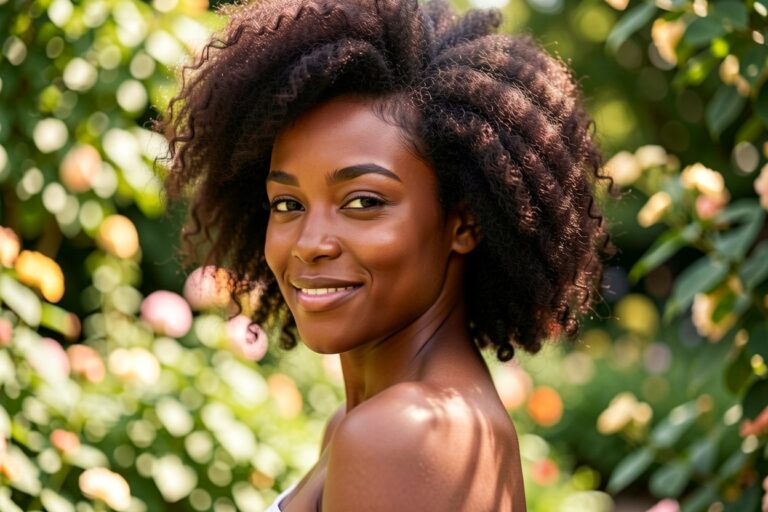
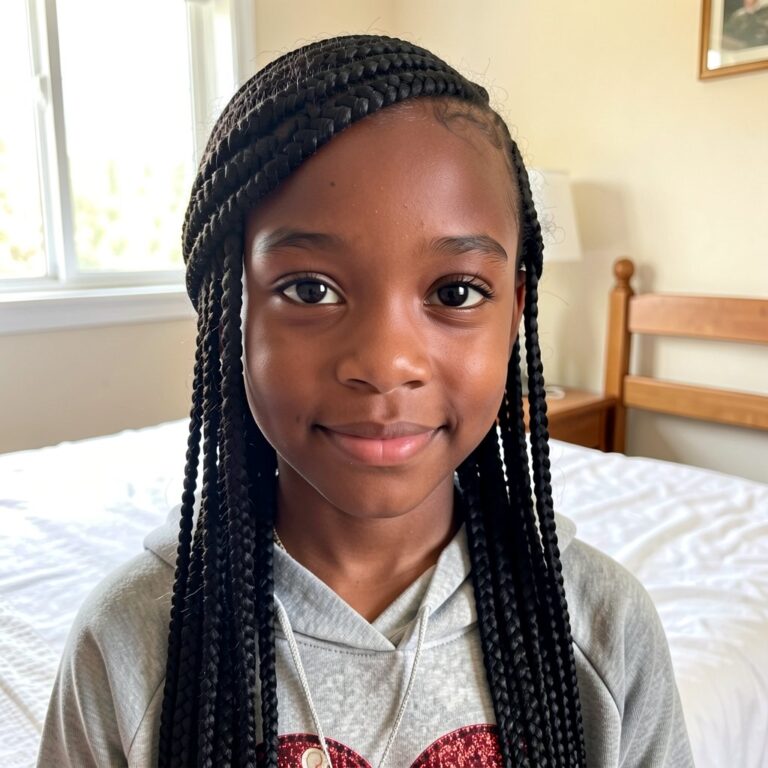
56 Natural Hairstyles for Black Girls
Best Natural Hairstyles for Black Girls Natural hairstyles for Black girls are a wonderful way…
Natural hair refers to hair that hasn't been chemically altered with relaxers, texturizers, or permanent straighteners, worn in its true texture.
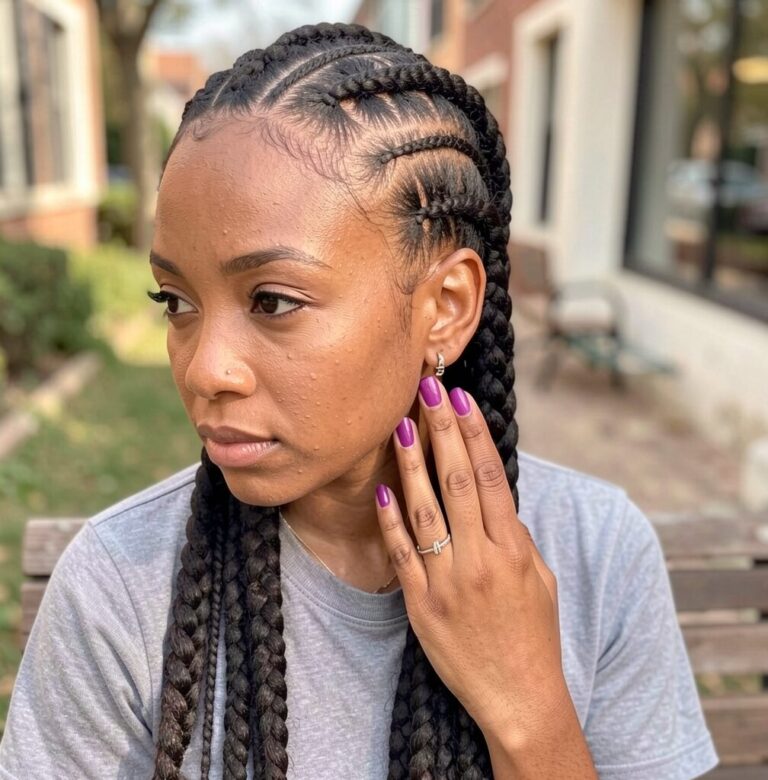
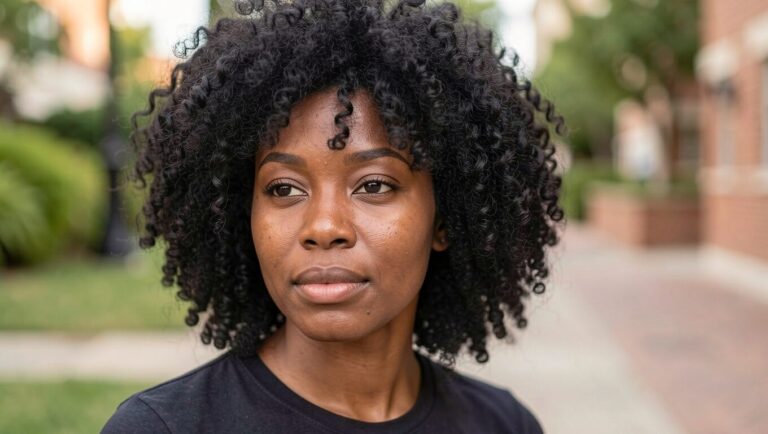
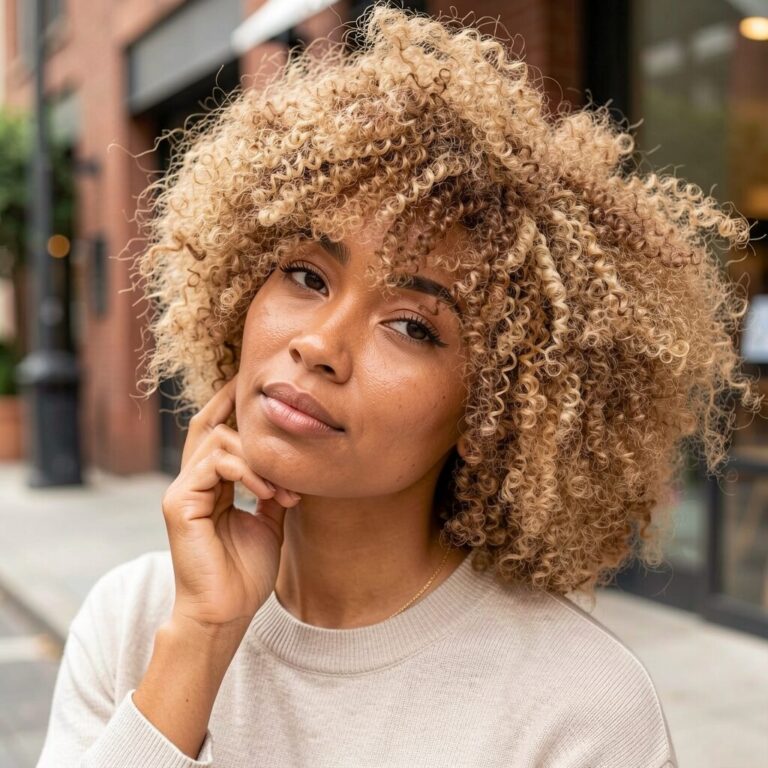

Natural hair refers to hair that hasn't been chemically altered with relaxers, texturizers, or permanent straighteners, worn in its true texture. The modern natural hair movement picked up momentum around 2009-2010, fueled by online communities sharing techniques and the message that textured hair doesn't need to be "fixed." Today, natural styling is one of the fastest-growing segments in the industry, with dedicated product lines, specialized salons, and cutting techniques built for Afro-textured hair.
The approach varies significantly by curl type. Type 3 hair (3A-3C) has visible curl patterns that hold definition with lighter products like mousses and creams. Type 4 hair (4A-4C) has tight coils or zigzag patterns that need heavier moisture: butters, oils, and LOC/LCO layering. A tapered TWA sharpens round faces, while a fuller afro shape balances narrow or long faces. Your porosity level determines which products work: low porosity needs lightweight, water-based products; high porosity benefits from heavier sealants. Exploring your hair texture type is the essential first step before choosing products or styles.
Box braids and faux locs are two of the most popular protective options, lasting 4-8 weeks while giving natural hair a break from daily manipulation. TWA styles show variety even at 1-3 inches of length. Feed-in braids create less tension at the hairline than traditional cornrows. The twist-out technique is the go-to for type 4 hair, producing defined curl clumps from even the tightest coils. Curly hairstyles suit Type 3 textures beautifully, while locs and dreadlocks offer a longer-term commitment for those ready to lock. Twist hairstyles remain one of the most versatile and protective choices across all Type 4 patterns.
Doing your own twist-outs and wash-and-gos costs about $40-60 monthly in product. Salon protective styles like box braids run $150-$350 and last 4-8 weeks. Deep conditioning is non-negotiable: once a week with a hooded dryer or steam cap for 20-30 minutes. Trims every 10-12 weeks prevent single-strand knots from traveling up the shaft.
Ask your stylist about your specific curl pattern and porosity before they pick products. If considering a protective style, discuss tension level: too-tight braids cause traction alopecia, which is permanent hairline loss. Preview different styles with the AI try-on tool before committing.
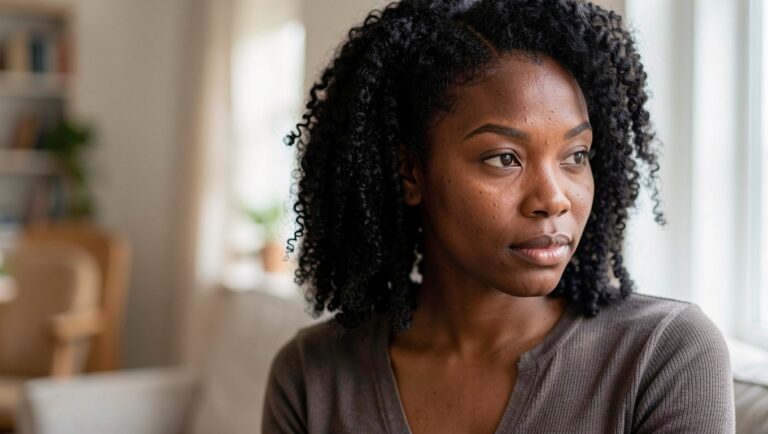
The twist-out is arguably the most important natural hair technique to master. This guide covers the full process from product selection to sectioning to drying time, with tips for different curl types.
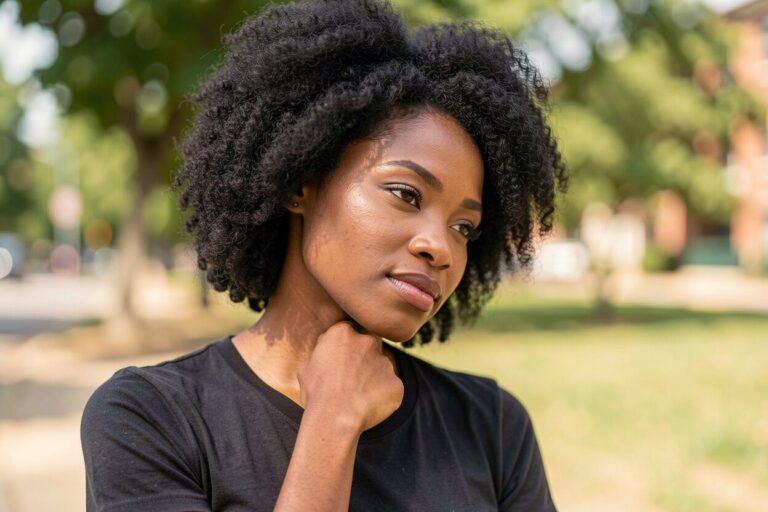
A thorough overview of protective styling options with honest information about how long each lasts, installation costs, and which styles work for which hair types and lengths.
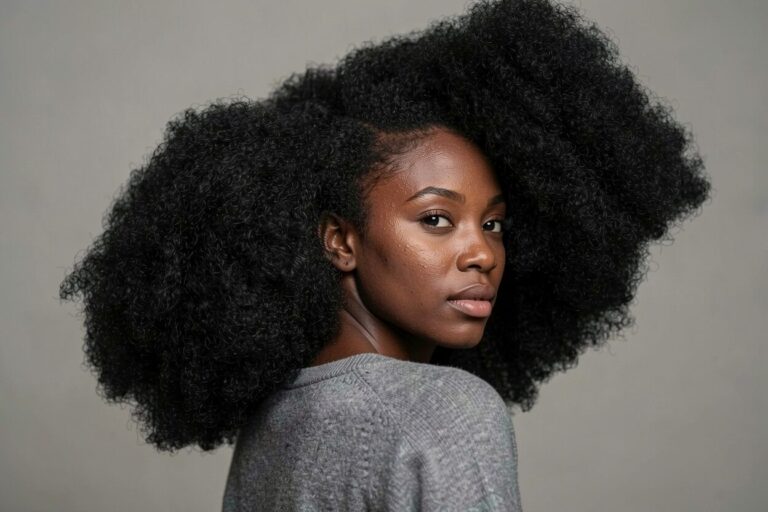
Cuts through the noise of an oversaturated product market with tested recommendations organized by hair type and need — moisture, definition, protein, and scalp care.
Best Natural Hairstyles for Black Girls Natural hairstyles for Black girls are a wonderful way…
Feed In Braid Styles Looking for new cornrow styles to revamp your hair game this…
African American Natural Hairstyles for Medium Length Hair We love natural hair at every length,…
Cute Natural Hairstyles For Short Haired Beauties Wearing hair in its natural texture represents a…
3C Natural Hair Care Guide With great curls comes great responsibility. Wavy, curly, coily, kinky…

Wash N Go Natural Hair The wash and go is without a doubt one of…
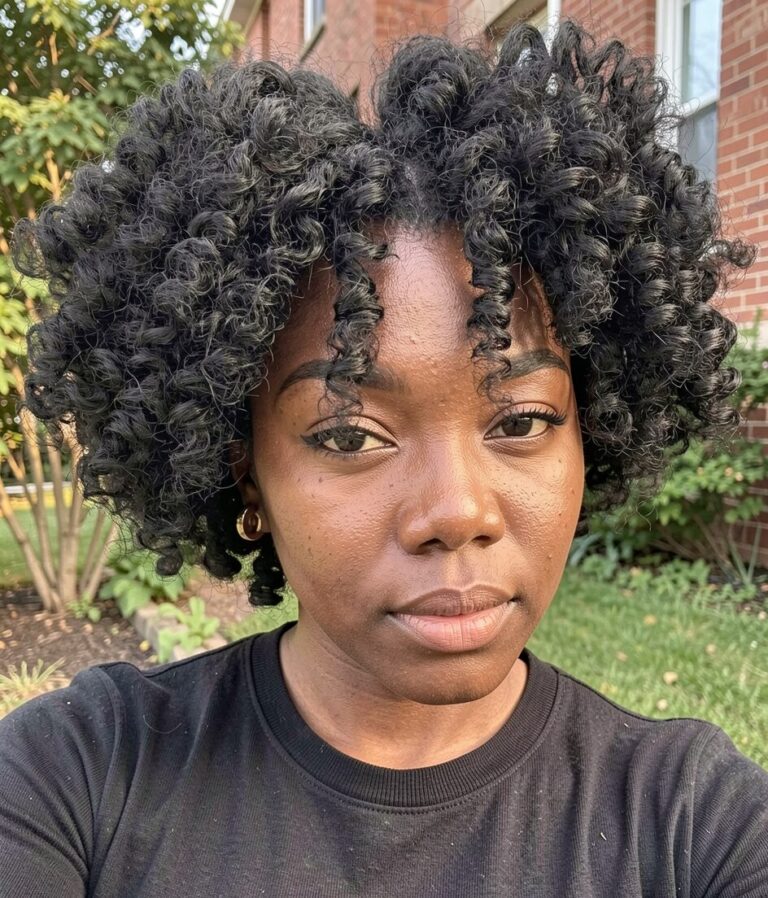
Perm Rods Styles On Natural Hair, Relaxed and Synthetic Hair There’s no curl like the…

Heat Damage and Natural Hair: How to Get Curl Pattern Back Heat styling is tempting…

Best Hair Dryer For Natural Hair For many people, the blow dryer is a must-have…
25 Natural Hair Protective Styles Being natural is not a trend or a new craze…
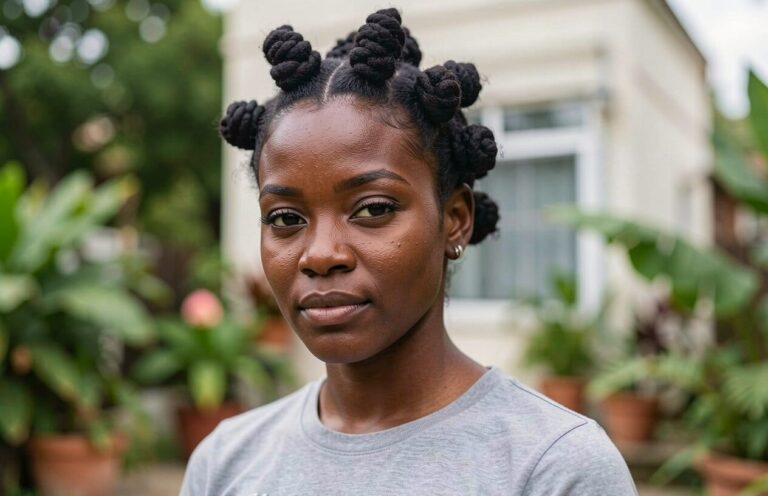
Twist Hairstyles: Twist Braided Hairstyles for Black Women Twists is a style that has been around…
A full transition without the big chop takes 12-18 months, depending on your growth rate (average is half an inch per month). During this time, you'll have two textures — natural coils near the roots and straightened ends — with the demarcation line being the weakest breakage point. Protective styles like flat twists, crochet braids, and wigs ($15-$80 for synthetic) help you manage the in-between stage. Many women big-chop around 6-8 months once they have 3-4 inches of new growth. Deep condition weekly with a protein-moisture balanced treatment to strengthen that fragile junction between textures.
LOC stands for Liquid, Oil, Cream — a layering technique that locks moisture into natural hair for 3-5 days between wash days. Apply a water-based leave-in or plain water first, seal with a lightweight oil (jojoba for low-porosity, avocado oil for high-porosity), then finish with a styling cream or shea butter blend. Type 4a-4c hair benefits most because tightly coiled strands prevent sebum from traveling down the hair shaft naturally. Some naturals prefer LCO order (swapping cream and oil), which works better for fine-stranded hair that gets weighed down by cream as the last layer.
Traction alopecia from repeated tension is the number one cause of edge thinning, and once follicles are scarred, the loss is permanent. Prevention starts at the braiding chair: if the installation hurts, it is too tight — speak up immediately. Leave at least a fingertip-width of loose hair at the hairline instead of braiding right to the edge. Take 2-week breaks between protective styles with hair worn loose. Apply Jamaican black castor oil to the hairline nightly — it increases blood flow to follicles. Avoid heavy extension hair (kanekalon weighs less than Marley hair per braid).
Three common culprits: products containing drying alcohols (isopropyl or denatured alcohol on labels), skipping the sealing step after water-based products so moisture evaporates within hours, or high-porosity hair that loses moisture as fast as it absorbs it. Hard water is a hidden fourth cause — mineral deposits coat the cuticle and block absorption. Try a chelating shampoo ($12-$15) once a month, switch to the LOC method, sleep on a satin pillowcase, and keep heat tools below 350°F. If dryness persists, add a protein treatment every 4-6 weeks to repair cuticle gaps.
Box braids last 4-8 weeks, with 6 weeks being the sweet spot — long enough to justify the $150-$350 installation cost and 4-8 hours in the chair, short enough to avoid matting. Past 8 weeks, shed hair tangles around the braid base and causes breakage during removal. Signs it is time: visible frizz exceeding an inch at the roots, itching from buildup, or braids sliding down from new growth. To remove safely, cut extension hair 2 inches below where your natural hair ends, saturate each braid with detangling oil, and unravel slowly from the bottom up.
Start on freshly washed, soaking wet hair — natural curly hairstyles define best when styled dripping wet. Apply a curl-defining cream (like Eco Styler or Cantu Coconut Curling Cream, $5-$8) section by section using the rake-and-shake method: pull product through with fingers, then shake the clump to encourage curl formation. For tighter definition, use the finger coil technique on small sections, wrapping each around your finger from root to tip. Diffuse on low heat for 15-20 minutes or air dry for 2-4 hours depending on density.
Short natural hairstyles under 4 inches work best with products that provide hold and definition on small curl patterns. A tapered TWA (teeny weeny afro) needs only a curl-activating mousse and a pick for volume — style takes under 5 minutes. For defined curls on short hair, apply a strong-hold gel to soaking wet hair in small sections using finger coils, then air dry or diffuse. Flat twist-outs create stretched, wavy texture on 2-4 inches of hair: twist six to eight sections flat against the scalp overnight, unravel in the morning, and fluff at the roots.
Natural hairstyling means wearing and caring for textured hair without chemically altering its curl pattern — no relaxers, texturizers, or keratin treatments that permanently break disulfide bonds in the hair shaft. The hair remains in its genetically determined state, whether that is loose waves (type 2), defined curls (type 3), or tight coils and kinks (type 4). Natural styling techniques include twist-outs, braid-outs, wash-and-gos, rod sets, flat twists, and bantu knots — all of which shape the hair temporarily using tension and product rather than chemicals.
Five reliable DIY natural hairstyles requiring no salon visit: (1) Two-strand twist-out — twist 12-16 sections on damp hair with twisting butter, sleep overnight, unravel for defined waves. (2) Pineapple updo — gather hair loosely on top with a satin scrunchie, a 30-second style. (3) Bantu knots — wind small sections into flat coils against the scalp, dry overnight, unravel for springy curls. (4) Flat twist crown — flat twist two sections from each temple toward the back, pin and tuck. (5) Wash-and-go — apply gel to soaking wet hair, diffuse or air dry.
Short natural black hair between 1-4 inches has more styling options than most people realize. A finger coil set takes 30-45 minutes and lasts 5-7 days with a satin bonnet at night. Flat twists along the hairline with the crown left as a fluffy afro create a half-up look in 10 minutes. An eco-gel slicked style with a deep side part gives a polished finish — apply gel with a boar bristle brush, smooth edges with a scarf for 15 minutes, then remove.