Haircuts Hairstyles
A haircut isn't just maintenance - it's the foundation everything else sits on.


How to Use This Hub
Start with a subcategory below. Each section groups styles with similar maintenance, length behavior, and finish so you can compare quickly.
Bob Hairstyles
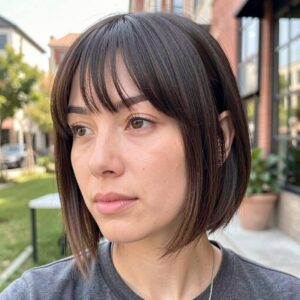
8 stylesThe bob has been the most requested haircut category in salons for over a century, starting with dancer Irene Castle around 1915.
Shag Hairstyles
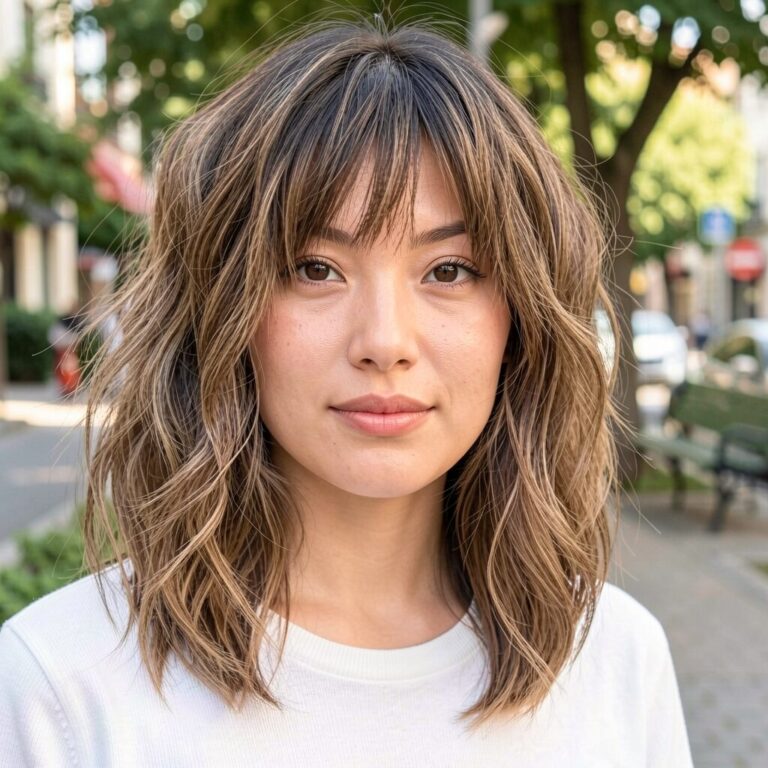
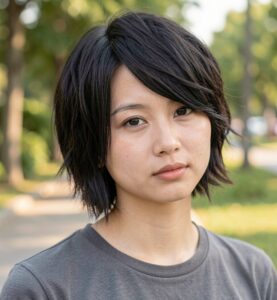
3 stylesThe shag haircut originated in the early 1970s, popularized by rock musicians and made iconic by Jane Fonda and David Bowie.
Undercut Hairstyles
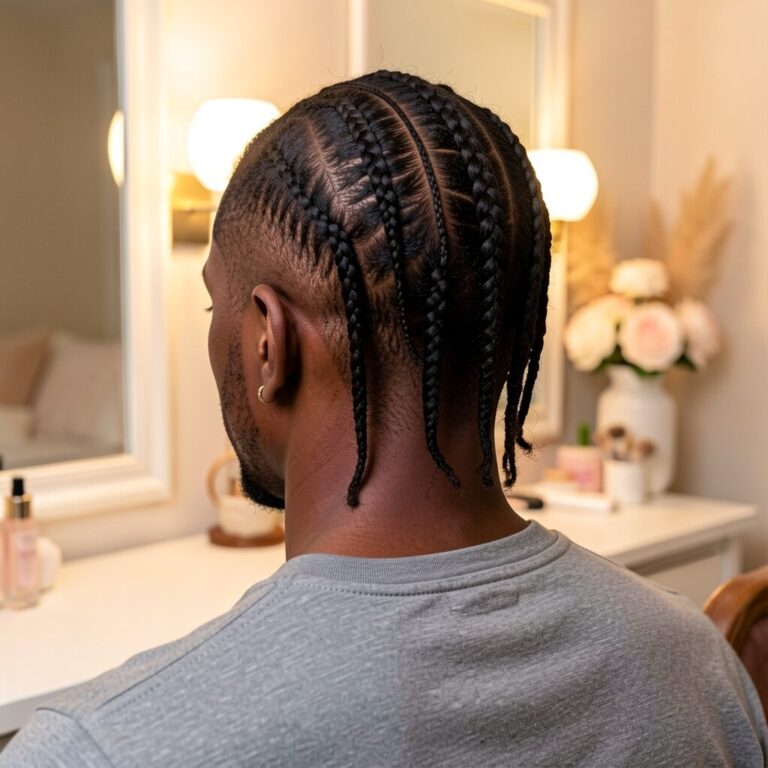
3 stylesThe undercut is hair's version of business-on-top, party-underneath — or more accurately, dramatic contrast between two distinct lengths.
Mohawk Hairstyles
1 stylesThe mohawk started as pure rebellion - shaved sides, a strip of hair from forehead to nape, zero interest in blending in.
A haircut isn't just maintenance - it's the foundation everything else sits on. Color fades, styling washes out, but the cut? That's what gives your hair its shape, movement, and personality when you roll out of bed at 7am with zero time to fuss.
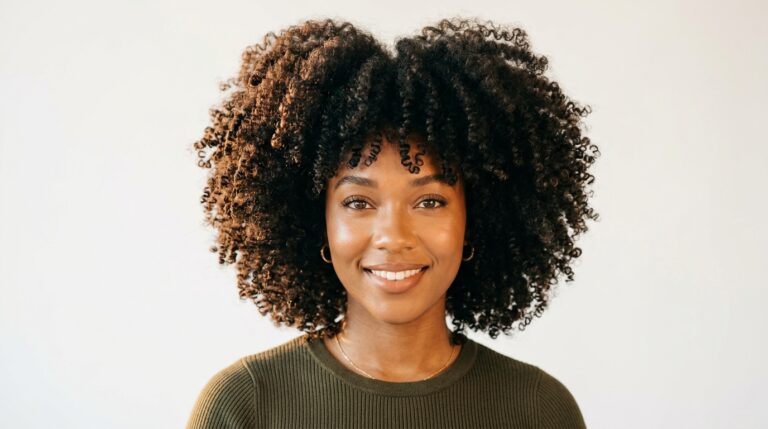
Thick, coarse hair can handle blunt bobs and heavy one-length cuts without looking flat. Fine hair needs internal layering and texturized ends to fake volume - skip the blunt cut unless you want a limp curtain effect. If your hair curls or waves naturally, your stylist should be cutting it dry, not wet, because shrinkage changes everything by 1-3 inches depending on your curl pattern. Round faces look sharper with angular cuts like a long bob or side-swept undercut. Oblong faces benefit from width - think layered shags with curtain bangs.
The Cuts That Define the Category
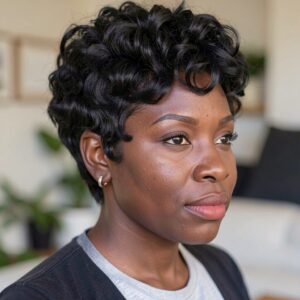
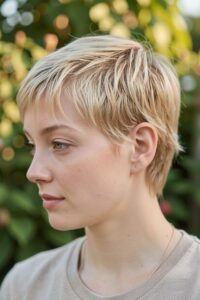
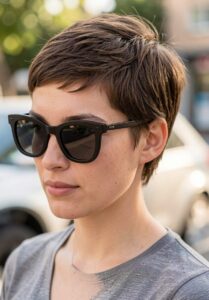
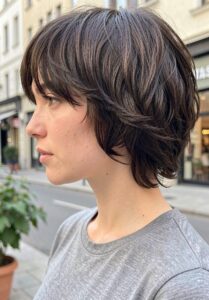
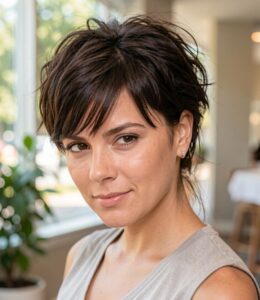
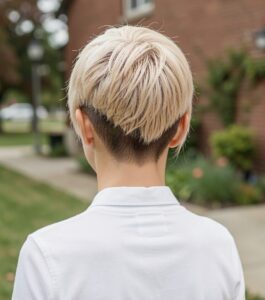
The range here is massive. A classic bob - whether chin-length, layered, or asymmetrical - remains the most requested cut in salons for good reason. It works on virtually every texture. Shag haircuts have made a serious comeback, especially the modern wolf cut that blends a shag's layers with a mullet's length contrast. Undercuts give you that edgy, low-maintenance vibe where one section is buzzed tight (usually the nape or sides) while the top stays long. Mohawks range from the dramatic fully-shaved sides to softer faux-hawk shapes that work in an office. Pixie cuts are the ultimate commitment cut - short, bold, and they put your bone structure front and center. Then there are layered cuts, which aren't a single style but a technique that shows up everywhere from long cascading layers to choppy, textured crops.
Keeping Your Cut Sharp
Most haircuts need a trim every 6-8 weeks to keep their shape. Pixies are more demanding - every 4-5 weeks or they start looking grown-out fast. Budget $45-$120 for a women's cut at a mid-range salon, more like $80-$200 at a specialist. Between appointments, a good texturizing spray or lightweight pomade keeps the shape alive. When you book your appointment, bring 2-3 reference photos, and talk to your stylist about your daily routine - a high-maintenance cut is only worth it if you'll actually style it.
Every face shape has cuts that flatter it, but the real key is working with what you've got: your natural texture, your growth patterns, your lifestyle. A perfect haircut on someone else might be a disaster on you. That's why the consultation matters almost as much as the cut itself. A good stylist reads your hair before they ever pick up the shears.
Editor's Picks
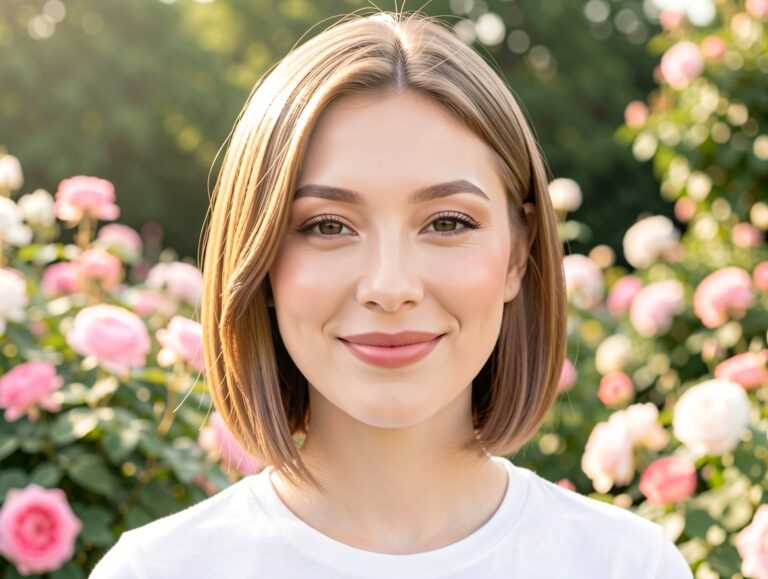
33 Layered Bob Haircuts
[POST: 33 Layered Bob Haircuts] The most thorough breakdown of bob variations we have — covers everything from micro-bobs to lobs with styling tips for each length and texture.
30 Short Layered Haircuts That Make Styling a Breeze
[POST: 20 Short Layered Haircuts] Practical guide for anyone considering going short. Includes realistic photos across multiple hair textures and face shapes, not just one body type.
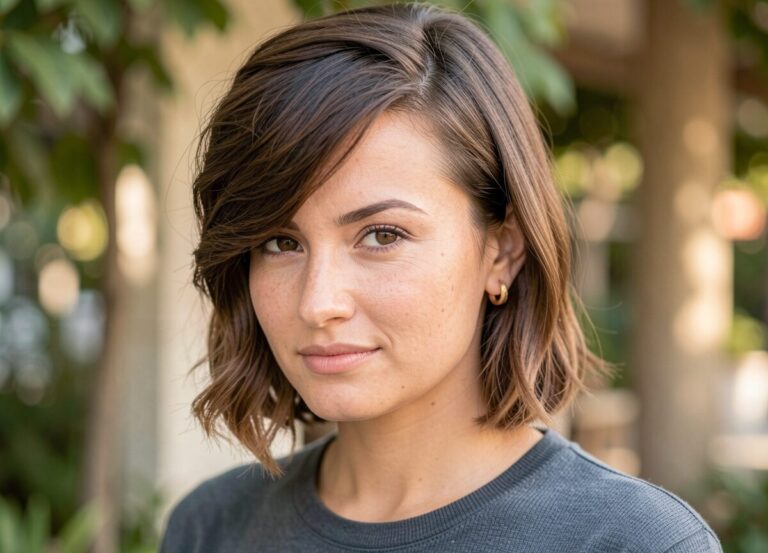
60 Shaved Hairstyles For Women
[POST: 60 Shaved Hairstyles For Women] If you're thinking about an undercut, fade, or shaved design, this is the reference library. Covers everything from subtle nape undercuts to full side-shaves.






















Frequently Asked Questions
How often should I get my hair cut?
It depends on the style. Pixie cuts need a trim every 4-5 weeks because even half an inch of growth changes the shape. Bobs hold up for 6-8 weeks. Long layered cuts can stretch to 8-12 weeks if you don't mind some grown-out texture. If you're growing your hair out, go every 10-12 weeks for a light dusting — just the split ends, no length removed. Budget around $50-$120 per visit at a mid-range salon.
What's the difference between a layered cut and a textured cut?
Layers remove weight by cutting sections at different lengths — you can see distinct layers when the hair hangs. Texturizing is done with thinning shears, razors, or point-cutting to remove bulk within a layer without changing its length. A thick-haired person might get both: layers for movement, then texturizing within those layers to reduce heaviness. Thin hair usually skips texturizing entirely since you don't want to lose any density.
Should I wash my hair before a haircut?
Clean hair, yes. Freshly styled, no. Most stylists prefer to work with hair that was washed that day or the day before — no heavy product buildup, no three-day oil. Skip the blowout and styling products. If your stylist cuts curly hair dry (and they should), come with your natural curl pattern intact. Skip the straightening iron — your stylist needs to see your real texture to cut it properly.
What haircut is best for thin or fine hair?
Blunt cuts at chin or collarbone length create the illusion of thickness because all the ends line up in one dense line. Long layers on fine hair can make it look stringy and sparse. A textured bob or a modern shag with face-framing pieces adds movement without sacrificing density. Ask your stylist for internal layers only — no chunky visible layers. Products like volumizing mousse or root-lift spray ($8-$18) make a bigger difference than the cut alone.
How do I maintain my haircut shape between salon visits?
Pin-curl or twist the sections that tend to lose shape before bed. Use a lightweight styling cream ($10-$22) on damp hair to reinforce the cut's movement. For bobs, a flat iron touch-up on just the front pieces takes 3 minutes and refreshes the whole look. Pixie cuts benefit from a small amount of matte pomade worked through the top. Avoid heavy oils or serums that weigh the cut down and flatten the layers your stylist built in.