Hairstyles by Length
Length is the single most transformative variable in hair.

How to Use This Hub
Start with a subcategory below. Each section groups styles with similar maintenance, length behavior, and finish so you can compare quickly.
Short Hairstyles
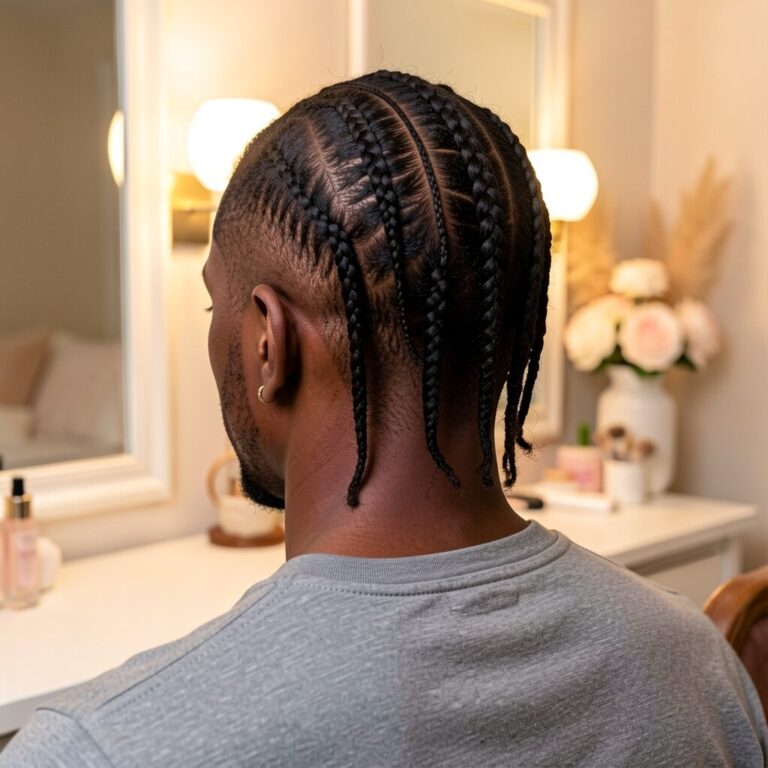
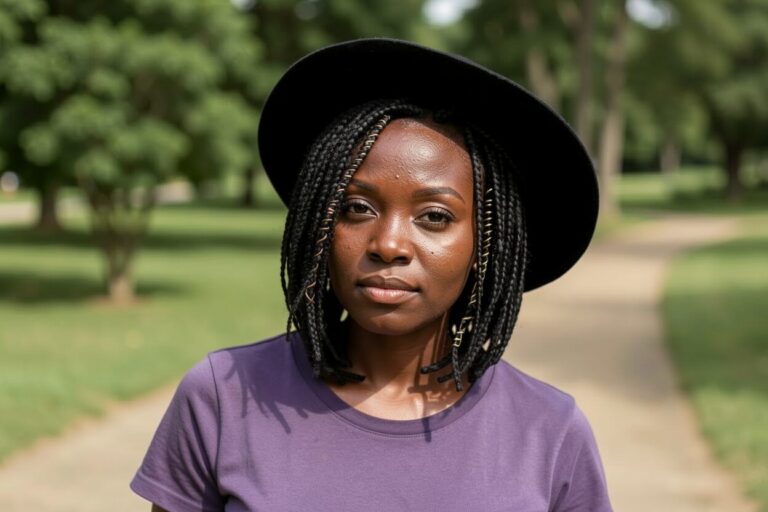
23 stylesGoing short is one of the most transformative decisions you can make with your hair.
Long Hairstyles
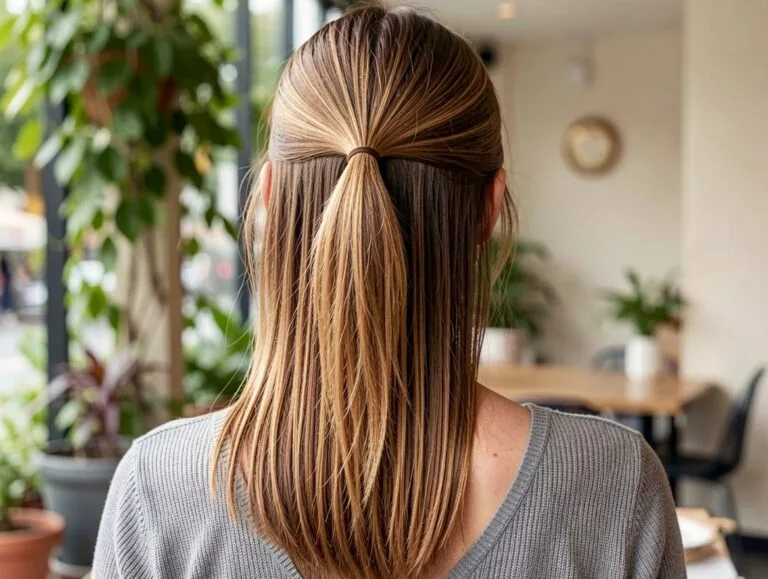
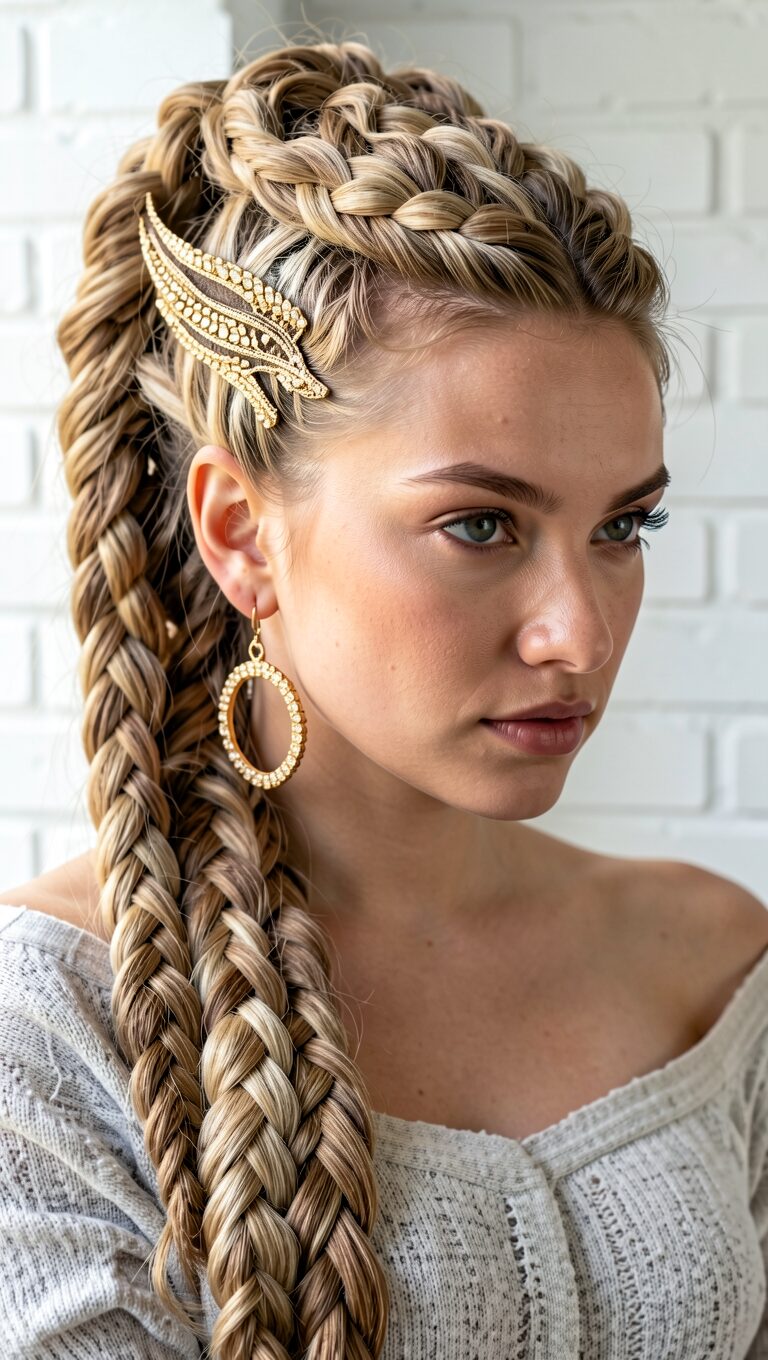
18 stylesLong hair - anything past the collarbone - is simultaneously the most versatile and the most demanding hair length.
Medium Hairstyles
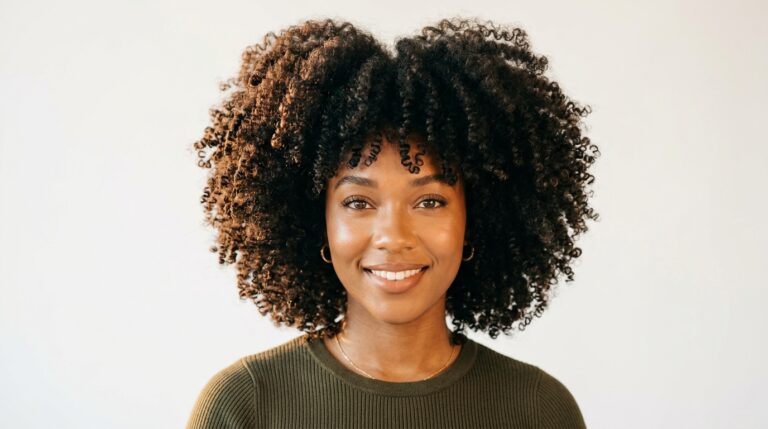
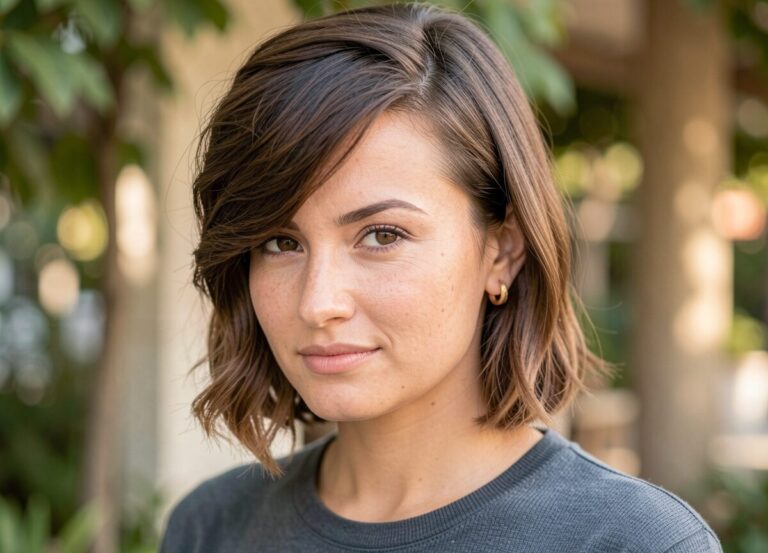
10 stylesMedium-length hair, typically from the chin to the collarbone, sits in the sweet spot that stylists call the Goldilocks zone.
Length is the single most transformative variable in hair. Going from long to short changes everything - your face shape reads differently, your morning routine halves (or doubles), and people treat you differently. It's not just aesthetics; it's identity. That's why the "should I cut it?" debate runs so deep.
Short: Bold and Low-Fuss
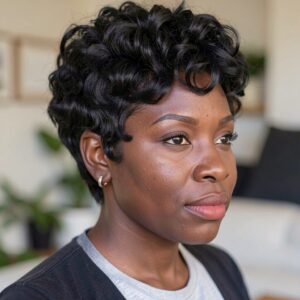
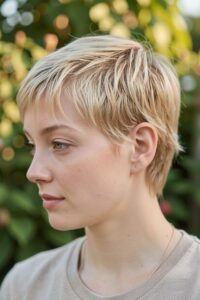
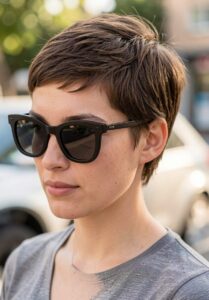
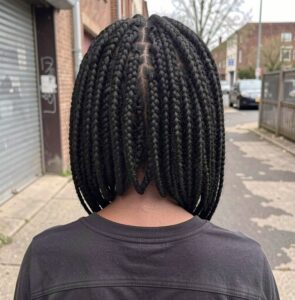
Short hairstyles sit above the shoulders: pixies, crops, and short bobs. They put your face front and center, require more frequent trims (every 4-6 weeks), and take less time to style daily. Short hair suits every face shape when cut correctly, but the margin for error is smaller - a bad short cut is harder to hide than a bad long one. The payoff is boldness. Short hair makes a statement. It says you're confident enough to let your features do the talking.
Medium: The Sweet Spot
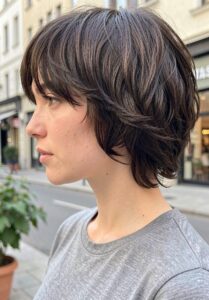
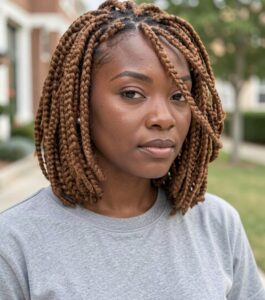
Medium-length hair - from shoulders to just past the collarbone - is where most people land, and for good reason. It's long enough to tie back, short enough to manage without constant battle. This is the Goldilocks zone where layered cuts, textured bobs, and lobs (long bobs) all live. If you're unsure about going short, medium length lets you test the waters while keeping a safety net.
Long: Versatility at a Cost
Long hair - past the collarbone - is all about maintenance. The longer it gets, the more moisture it needs, the more breakage you fight, and the longer styling takes. But long hair also offers the most versatility: updos, braids, half-up styles, waves, and straight sleek looks are all on the table. The key to great long hair is internal layering (which adds movement without losing length) and regular trims to keep ends healthy.
For each length tier, your hair texture dramatically changes what works. Fine long hair can look stringy without layers. Thick short hair can puff out without careful texturizing. The best approach is to think of length and texture as a matrix - not two separate decisions but one combined choice. What looks stunning on fine, medium-length hair might look completely different on thick, short hair.
Editor's Picks

Short Haircuts for Fine Hair And Round Faces
[POST: Short Haircuts for Fine Hair And Round Faces] Solves two concerns at once — this is the article people need when they're worried a short cut won't work for their face shape and hair density.
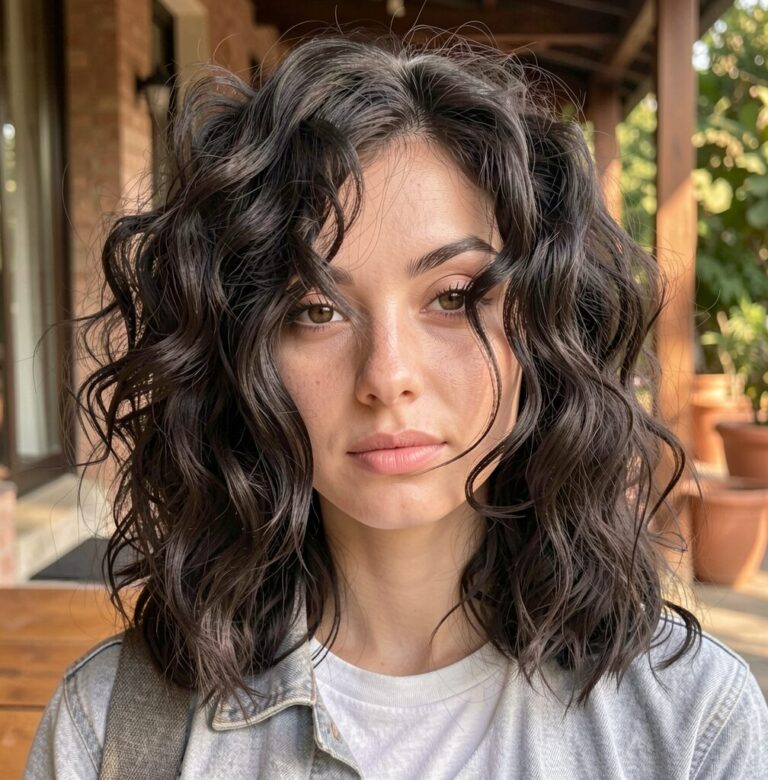
Shoulder Length Curly Hair Styles
[POST: Shoulder Length Curly Hair Styles] Medium-length curly hair is tricky territory. This guide handles the unique challenges of curl shrinkage and volume at that in-between length.
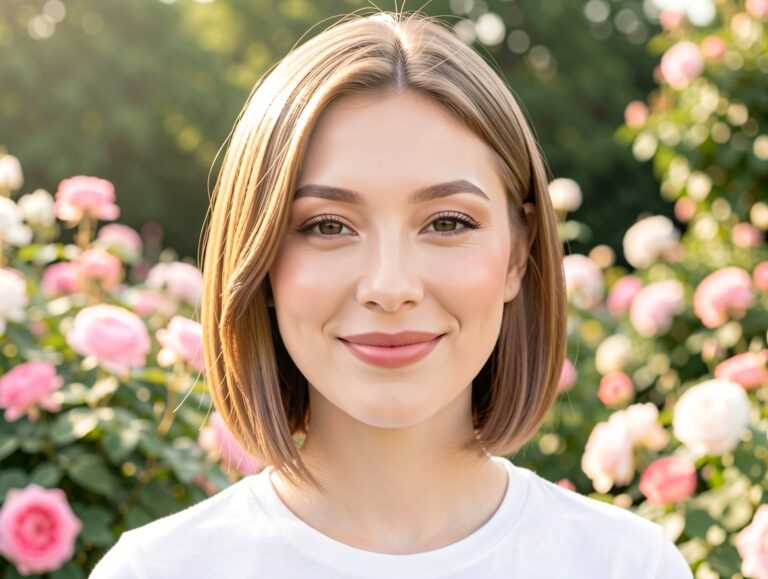
33 Layered Bob Haircuts
[POST: 33 Layered Bob Haircuts] The layered bob sits right at the intersection of short and medium — this collection covers the full range with practical notes on maintenance.




















Frequently Asked Questions
How long does it take to grow hair from short to long?
Hair grows about half an inch per month on average — roughly 6 inches per year. Going from a pixie cut to shoulder-length takes about 18-24 months, accounting for trims to keep it looking intentional during the awkward phases. Chin-length to mid-back is another 18 months. Biotin supplements, scalp massage, and avoiding heat damage can improve growth quality but won't dramatically speed up the rate. Patience and regular trims are the actual secret.
What's the most flattering hair length for round faces?
Below the chin. Anything that ends right at the jawline on a round face creates a horizontal line that emphasizes width. A collarbone-length cut or a long bob that hits 2-3 inches below the chin elongates the face. If you want to go short, a pixie with volume on top and tapered sides works because it creates vertical height. Avoid chin-length bobs and ear-length cuts that make the face look wider.
Does hair length affect how healthy it looks?
Yes, significantly. Longer hair has been exposed to more environmental damage, heat styling, and friction — so the ends are always older and more damaged than the roots. Hair at mid-back has been around for 3-4 years. That's years of sun, flat irons, and pillow friction. Short hair looks healthier because you're constantly cutting off the damaged portions. If you keep long hair, trim every 8-10 weeks and use a leave-in conditioner ($12-$25) on the bottom third.
What length requires the least daily styling?
Medium length — specifically between chin and collarbone. It's short enough to air-dry in 20-30 minutes but long enough that the weight keeps it from going wild. Very short cuts (pixies, crops) look great styled but can stick up awkwardly without product. Very long hair takes 45+ minutes to blow-dry and tangles overnight. A textured bob or collarbone lob with some built-in layers is legitimately the lowest-effort length for most hair types.