
Long Hairstyles
Long hair - anything past the collarbone - is simultaneously the most versatile and the most demanding hair length.




Next Step
Long hair - anything past the collarbone - is simultaneously the most versatile and the most demanding hair length. You can braid it, curl it, straighten it, pin it up, leave it down, part it anywhere, and reinvent it daily without cutting a single strand. But that versatility comes with a price: maintenance. Long hair needs more moisture, more careful detangling, more protection while sleeping, and more patience during washing and styling. If you're willing to put in the work, the payoff is a canvas that can become almost anything.
Layering Strategies for Long Hair
The cut structure matters more than most long-haired people realize. Long one-length hair tends to hang flat and heavy, with all the weight concentrated at the bottom. Internal layers solve this by removing bulk through the mid-shaft while keeping the overall length intact. Face-framing layered cuts add dimension without losing length. Long layers (large gaps between the shortest and longest pieces) create subtle movement. Short layers on long hair create dramatic contrast and volume at the crown. The best approach for YOUR long hair depends on your texture and density - fine hair needs fewer, longer layers to avoid looking thin; thick hair benefits from more aggressive layering to distribute weight.
Growing long hair is a patience game. Hair grows approximately 0.5 inches per month - that's 6 inches per year under ideal conditions. But breakage can eat into your gains if you're not careful. Heat damage, rough detangling, cotton pillowcases, tight ponytails, and skipped trims all cause breakage that makes long hair look ragged even as it gains length. The smartest approach is to treat your hair like expensive fabric: handle gently, protect from friction, keep it conditioned, and trim the very tips every 10-12 weeks to prevent split ends from traveling up the shaft.
Everyday and Occasion Styling
Long hair styling divides into two camps: everyday low-effort styles and occasional high-effort styles. For everyday, the go-to options are air-dried waves, loose braids, low ponytails or buns, and the "just brushed it" straight look. These take 5-15 minutes and work for any setting. High-effort styles - elaborate curls, formal updos, intricate braids, sleek straightening - are reserved for events and occasions where you want maximum impact. The beauty of long hair is having both options available without committing to either one.
Editor's Picks
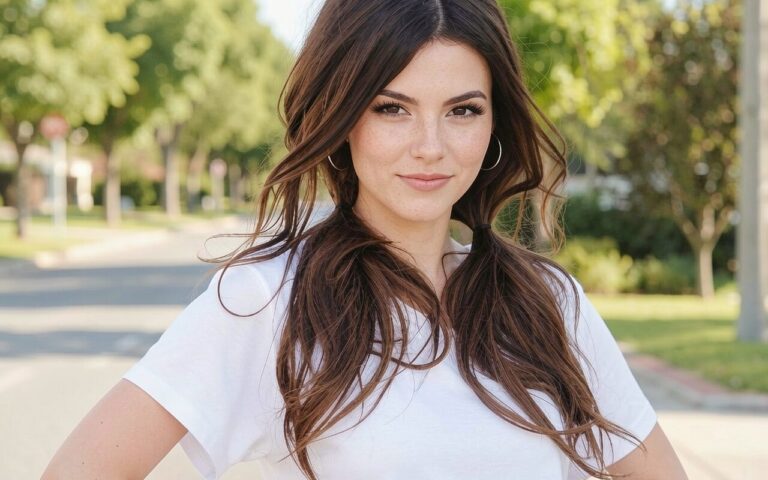
Long Hairstyles and Haircuts For Fine Hair
Addresses the biggest struggle of long-hair clients with fine texture — how to maintain length without looking flat or stringy.
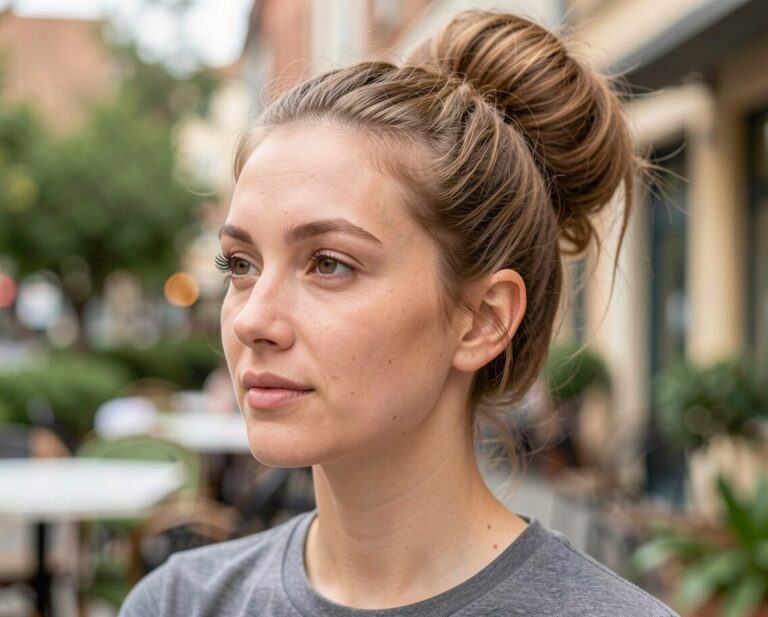
50 Updos for Long Hair
The definitive updo collection for long hair with enough variety to cover casual daily styling through formal events.

40 Different Types Of Braids
A visual encyclopedia of braiding techniques that becomes exponentially more useful with long hair — practical tutorials alongside inspiration.


















Frequently Asked Questions
How do I make my long hair look thicker?
Long layers starting at chin level create the most volume — they remove weight from the bottom third while building shape through the mid-lengths. Avoid one-length blunt cuts if your hair is fine, since all the weight pulls flat. For styling, apply a volumizing mousse (Moroccanoil Root Boost or Kenra Volume Mousse) to damp roots, blow-dry upside down for 3-4 minutes, then flip back and finish with a round brush. Texturizing spray on dry hair adds grip and the illusion of density. Color helps too: subtle highlights create light-and-shadow contrast that reads as thickness.
What's the best way to sleep with long hair?
A loose braid or a high pineapple ponytail secured with a silk scrunchie prevents tangles and preserves curls or waves overnight. Silk or satin pillowcases reduce friction that causes breakage and frizz — cotton pillowcases create 3-4 times more friction on hair strands. Avoid tight elastics that create kinks or stress the hair at the tie point; spiral coil ties or silk scrunchies distribute pressure more evenly. If you've blow-dried or curled your long hairstyle and want it intact for tomorrow, a loose top-knot held with a claw clip keeps it off your face without crushing the shape.
How often should I wash long hair?
Most people with long hair do well washing every 2-3 days. Daily washing strips the natural sebum that takes longer to travel down longer strands, leaving mid-lengths and ends chronically dry. Use dry shampoo at the roots on day two to absorb oil and extend the style (Batiste, Living Proof, or even cornstarch in a pinch). When you do wash, concentrate shampoo at the scalp only and let the suds rinse through the lengths. Apply conditioner from mid-shaft to ends — never at the roots, which causes flat, greasy-looking hair within hours.
Do I really need to trim long hair if I'm growing it out?
Yes, but less often than most stylists suggest. Trimming does not make hair grow faster — that's a persistent myth. What it does is prevent split ends from splitting further up the shaft, which causes breakage that actually shortens your hair over time. A dusting (removing just 1/4 inch, roughly 6mm) every 12-16 weeks is enough to maintain healthy ends while preserving your length. If your ends already look see-through or frayed, your stylist may need to take off 1-2 inches initially to reset, then switch to maintenance dustings.
How do I cut and maintain men's long hairstyles?
Men growing hair long should plan for 12-18 months of awkward middle stages (ear to shoulder length is the hardest phase). During the grow-out, visit a barber or stylist every 8-10 weeks for shape-up trims that clean the neckline and remove bulk around the ears without losing length on top. Once your hair reaches shoulder-length, add long layers to prevent the triangle shape that happens when thick hair grows out without shaping. For daily maintenance, use a lightweight conditioner on the ends and style with a matte-finish sea salt spray or light pomade.
What is a long bob hairstyle and how long is it?
A long bob (lob) sits between chin and collarbone length — typically 2-4 inches below the chin. It's the midpoint between a traditional bob and long hair, hitting around clavicle level. The cut works with blunt ends for a sleek look, or with textured layers for movement. A lob suits nearly every face shape because the length allows for customization: angled slightly shorter in back for round faces, one-length for oval faces, or with curtain bangs for long faces. Maintenance is moderate — trims every 8-10 weeks keep the shape clean.
What are some easy hairstyles for long hair that take under 10 minutes?
Five quick long hairstyles: (1) Low textured ponytail — pull hair to the nape, leave face-framing pieces out, wrap a strand around the elastic. Three minutes. (2) French twist — gather hair to one side, twist upward, tuck ends under, and pin vertically. Five minutes. (3) Half-up claw clip — section off the top third, twist once, clamp. Two minutes. (4) Two-strand twist bun — split into two sections, twist each, wrap them around each other, pin. Four minutes. (5) Scarf headband — tie a silk scarf around your head and let hair fall naturally. One minute.
What are some cute hairstyles for long hair for everyday wear?
Bubble ponytails (elastics every 3-4 inches down the tail, gently pulled apart for volume) look polished but take only 5 minutes. A loose side braid pulled apart for a chunky, lived-in texture works for both office and weekend. Space buns (two high buns) suit younger wearers and stay put all day. For a more polished daily style, use a 1.5-inch curling iron on just the front sections framing your face — curling only 6-8 pieces takes 7 minutes and makes the rest of your straight hair look intentionally styled.
What long hairstyles can I do myself without heat tools?
Heatless curls are the biggest category: braid damp hair into 4-6 braids before bed and unravel in the morning for waves (tighter braids = tighter waves). Wrap damp hair around a silk robe belt or heatless curling rod overnight for bouncy curls without heat damage. For updos, a messy bun secured with spin pins holds better than bobby pins and takes 2 minutes. A Dutch braid crown (two braids along the hairline, pinned at the back) looks intricate but requires only basic three-strand braiding skill.

