
30 Short Layered Haircuts That Make Styling a Breeze
Transform your look with short layered haircuts—get pro styling tips and fresh inspiration to make…
Thin hair isn't a flaw to fix - it's a texture to work with.
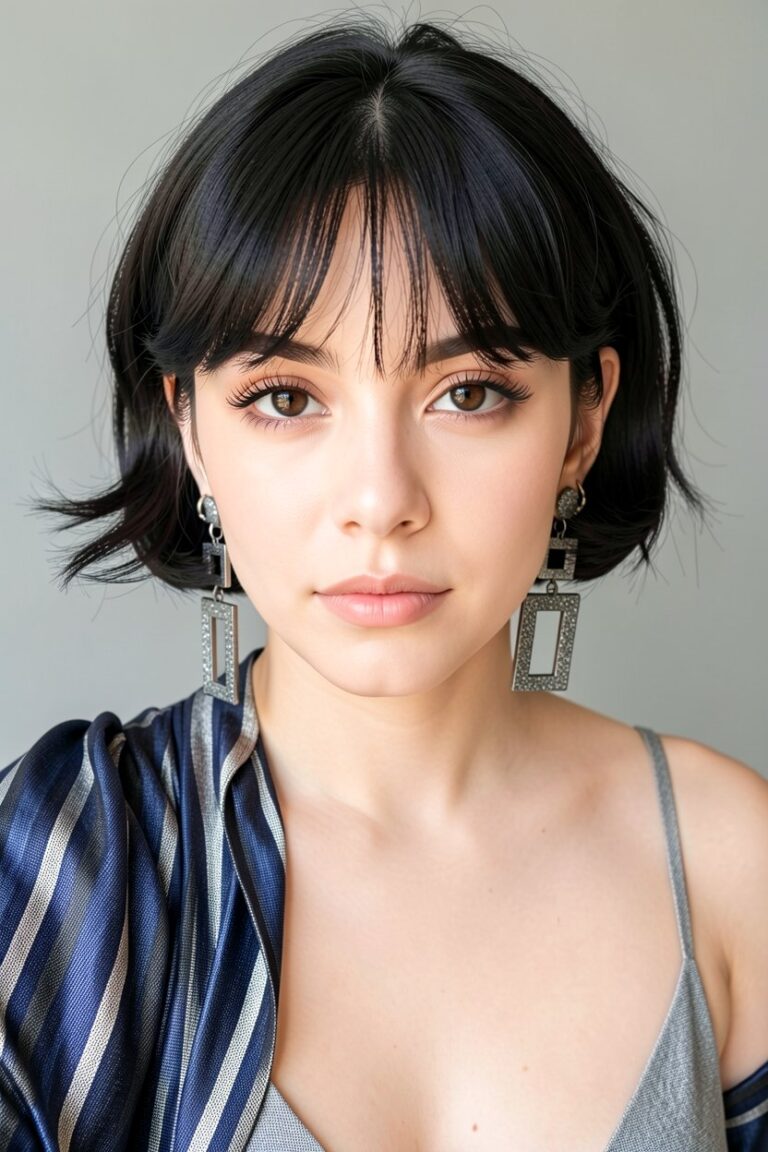
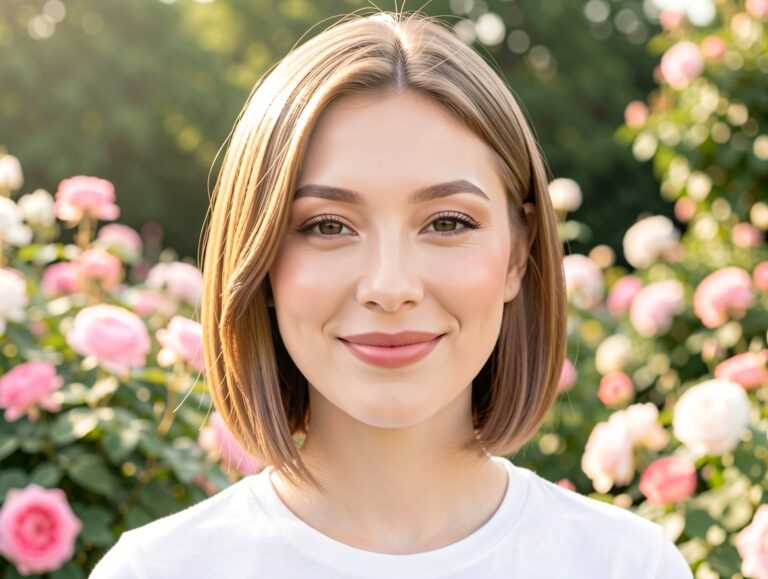


Thin hair isn't a flaw to fix - it's a texture to work with. The difference between thin hair that looks flat and lifeless versus thin hair that looks sleek and intentional comes down to three things: the right cut, the right products, and the right expectations. Stop trying to make thin hair behave like thick hair. Start making it look incredible as thin hair.
The cut is everything for thin hair. Internal layers create movement without removing weight from the perimeter, which keeps the ends from looking see-through. One-length bobs and lobs work exceptionally well because they concentrate all your hair density at a single line, creating the illusion of thickness. Blunt cuts generally outperform layered cuts for thin hair - layers on thin hair can create a wispy, stringy look unless the stylist is specifically experienced with fine textures. The absolute worst thing for thin hair is over-layering: it removes the weight you need and leaves you with transparent ends.
Avoid heavy products like plague. Thick creams, butters, and heavy serums weigh thin hair down and make it look greasy and limp within hours. Your product arsenal should be lightweight: volumizing mousse (applied at the roots only), dry texture spray, and a fine-mist hairspray. If you use conditioner, keep it off the roots - mid-lengths and ends only, and opt for a lightweight formula. Skip leave-in conditioners unless your hair is genuinely damaged; on fine hair, they just add weight.
Coloring thin hair can actually help it look fuller. Highlights add dimension and visual density. A root shadow (slightly darker roots that fade into lighter lengths) creates depth that makes hair appear thicker. Balayage adds variation that tricks the eye into seeing more volume. What to avoid: single-process color that makes everything one uniform shade, which flattens the appearance. The goal is always to create the illusion of more strands than you actually have, and color dimension is one of the most effective tools for that.
Transform your look with short layered haircuts—get pro styling tips and fresh inspiration to make…
The pageboy haircut was a classic style of the 1970s but is coming back in…
From choppy, edgy texture to softly shaped silhouettes, there are layered bob haircuts to suit…
The Best Pixie Haircuts for Older Women Over 50 Age doesn’t determine your haircut, style,…
Collarbone Length Haircuts Long hair is so last summer. This year it’s all about collarbone-skimming…

Peach Hair Trend Peach is the latest shade to be embraced by hair colorists and…

Hairstyles with Clip In Extensions Extensions are one of the beauty wonders of the world,…
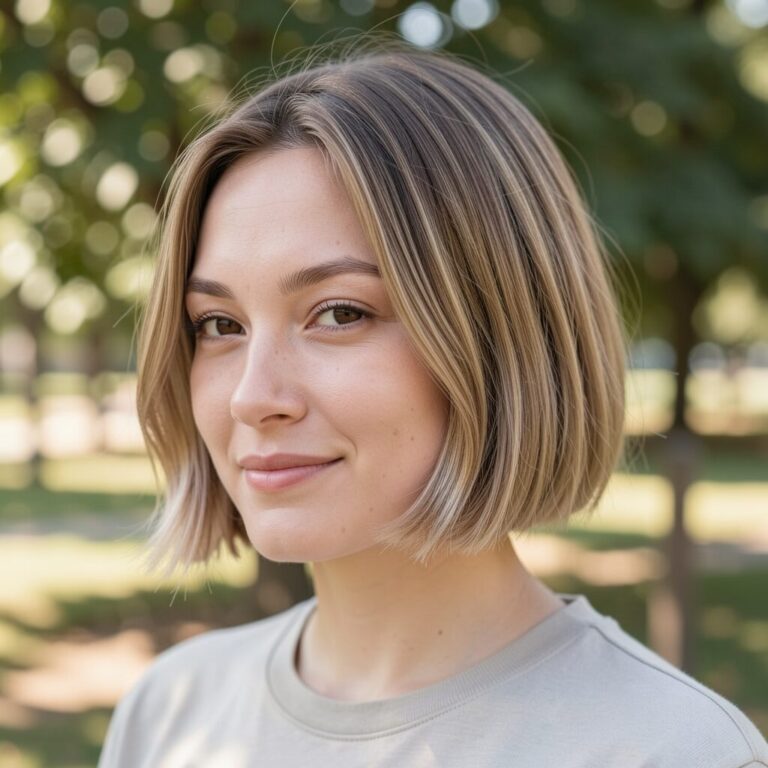
Chin Length Hairstyles Short hair, don’t care! Have you noticed women everywhere are chopping length…

1980s Hairstyles We Love! I don’t know if you have noticed, but the 1980s are…

25 Ponytail Hairstyles Ponytails are easy to do and are here to stay this year! If…

Wedding Hair Accessories Inspiration So your big day is just around the corner. Chances are…

Bobby Pin Hairstyle Ideas Bobby pins have been one of those go-to hair accessories to…
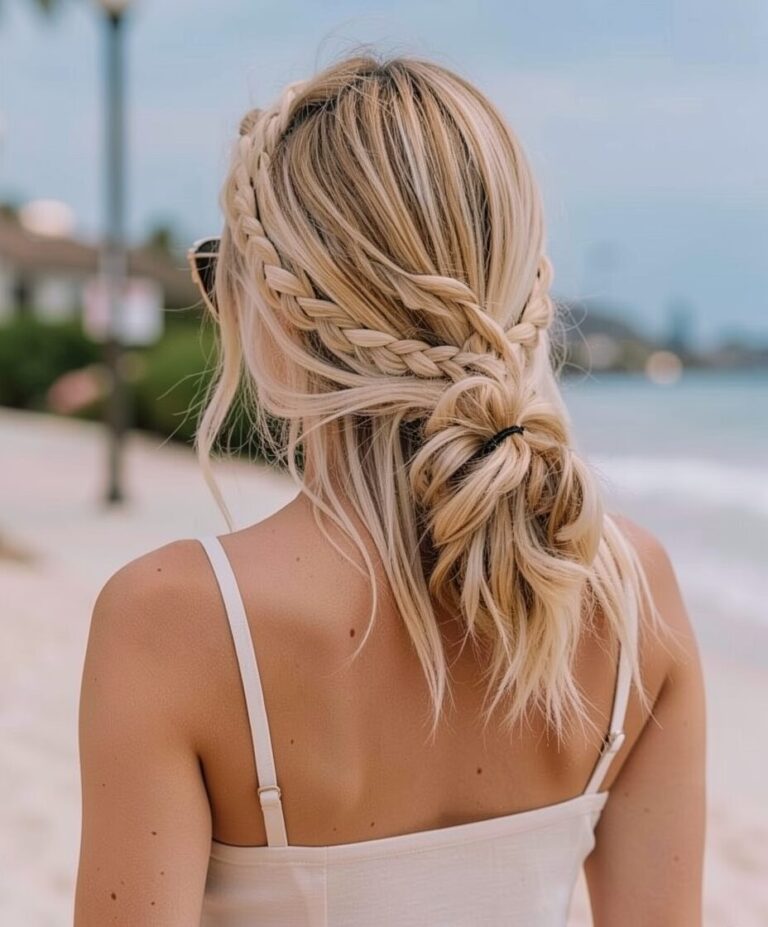
Cute Summer Hairstyles for the Beach Ready for the beach?! We always are, and we’re…

Coachella Hair Ideas for Festival Season Festival season will be here before we know it!…

30 Edgy Messy Bob Hairstyles The humble bob has been proven to endure the test…

Crimped Hairstyles It was a staple hair styling technique of the 1980s and 1990s and…

Piecey Hair Style Ideas Super sleek and polished styling is so last year. This year,…

Hairstyles For Fine Thin Hair All of us want to have luscious locks that look…

30 Fabulous Haircuts For Thin Hair For women with thin hair, finding a style that…

The Most Stylish Bob Hairstyles For Fine Hair | Inspiring New Bob Haircuts for Thin Hair…
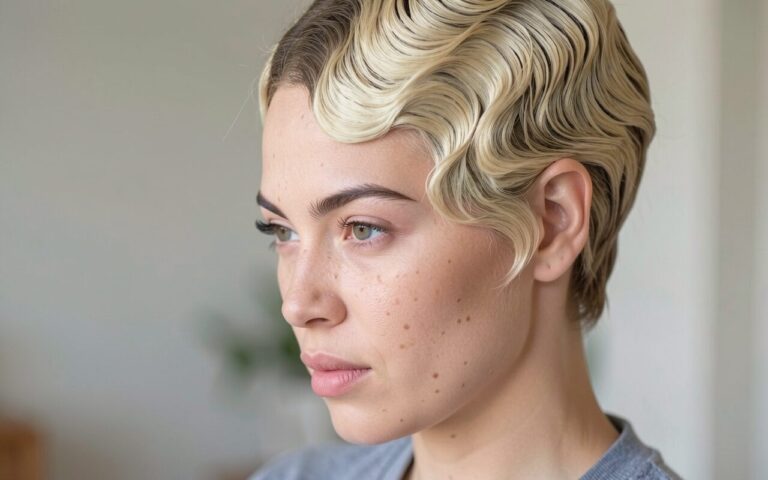
30 Finger Waves Styles Finger wave hairstyles might be instantly associated with the 1920s or…

35 Hairstyles For Women Over 60 Because the texture of your hair changes age you…

Haircuts For Women Over 50 Women in their 50s have spent enough time hearing people…
Top 20 A-Line Bob Haircuts If you’re getting tired of your long-haired look, or have…
Yes—the chemical process slightly swells each hair shaft by lifting the cuticle, adding measurable diameter to every strand. Highlights create the strongest thickness illusion because the tonal contrast between light and dark pieces adds visual depth and dimension that flat, single-color hair lacks. Babylights (micro-fine highlights) placed close to the roots work especially well for thin hair. Avoid single-process dark colors—they make the scalp more visible through the hair, which emphasizes thinness. A full highlight session runs $150-$300 and the volume effect lasts until new growth comes in, typically 8-12 weeks.
Every other day works best for most people with thin hair. Daily washing strips the natural oils that give strands grip and workable texture. On off-days, use a lightweight dry shampoo like Batiste or Living Proof at the roots—spray from 6 inches away and massage in with your fingertips to absorb oil without leaving visible residue. If your scalp runs oily and can't make it to day two, wash daily but condition only the mid-lengths and ends, keeping conditioner away from the roots where it causes thin hair to go flat.
Layers work better for thin hair in almost every scenario. Blunt one-length cuts expose gaps because every strand hangs at the same point, revealing low density at the hemline. Internal layers (sometimes called invisible layers) create movement and overlapping sections that visually fill in sparse areas. Your stylist should cut layers with a razor or point-cutting technique rather than blunt-snipping, which keeps the ends soft and pieced.
A medium-barrel curling iron (1 to 1.25 inches) adds root lift and body waves without needing high heat. Keep temperature at 300-325°F—thin hair damages noticeably faster than thick hair, and you'll see breakage within weeks at 400°F+. Velcro rollers (1.5-2 inch diameter) are an underrated zero-heat option: set them at the crown while you do makeup for 20-30 minutes and you get lasting root lift. A volume-focused blow-dry with a round brush and root-lifting spray gives the biggest daily impact. Avoid daily flat iron use—it compresses already-flat strands and causes the limp, fried texture that thin hair is prone to.
The method determines the risk. Clip-in extensions are the safest option because they're temporary—you snap them in, wear them for 8-12 hours, and remove them before bed, distributing weight across multiple clips. Quality clip-ins run $150-$400 and last about a year with care. Tape-in extensions work on thin hair when an experienced stylist spaces them properly, keeping each bond at least 1 inch from your scalp. Avoid sew-in weaves and micro-link (bead) extensions on thin hair—the continuous tension at attachment points pulls on follicles that are already producing finer strands, and traction alopecia can develop within 6-8 weeks.
Start with a volumizing shampoo and skip heavy conditioners at the roots. Blow-dry with your head flipped upside down for the first 3-4 minutes to set root lift, then use a round brush to direct sections away from the scalp. Apply a root-lifting spray or mousse (like Kenra Volume Spray or Moroccanoil Root Boost) only at the crown and part line. Finish with a light-hold hairspray—never a serum or oil at the roots, which causes instant deflation. For an immediate thickness boost, try a volumizing powder like Got2b Powder'ful sprinkled at the roots and massaged in.
A-line bobs are one of the best hairstyles for thin hair. The cut is shorter in the back (typically at or above the nape) and angles longer toward the front (reaching chin to collarbone length). This stacking effect at the back creates built-in volume where thin hair usually falls flat, while the longer front pieces frame the face with visible fullness. Ask your stylist for slight graduation (layering) through the back rather than a perfectly blunt line—this adds lift at the crown.
Thinning hair (losing density, not just naturally fine) benefits from styles that cover sparse areas without pulling on weakened follicles. A layered pixie cut concentrates remaining hair into a compact shape with built-in volume. A textured bob with side-swept bangs covers thinning temples. A soft shag with curtain bangs disguises a widening part line. Avoid tight ponytails, slicked-back buns, and braids—these put traction stress on already vulnerable areas. A strategic part change can immediately camouflage a thinning crown: shift your part 1 inch to either side so fuller hair drapes over the sparse zone.
Thin hair needs pre-styling before updos look full. Start with a texturizing spray on dry hair, then use a 1-inch curling wand to add loose bends throughout—this creates grip and visual bulk. For a ponytail, gently tug at the crown and sides before securing to create volume, then wrap a small section around the elastic. The pancaking technique works wonders on thin hair braids: after braiding, pull small pieces from each link outward to nearly double the braid's width. Messy buns and low chignons actually suit thin hair well because the intentionally loose, imperfect texture disguises low density.
The right haircut creates the illusion of 50% more density. Keep the length between chin and collarbone—anything past the shoulders stretches thin hair downward, exposing gaps at the ends. Ask for internal layers (not heavy face-framing layers, which remove bulk from the perimeter) that create overlap and movement. A razor-cut finish on the ends gives a feathered, fuller-looking hemline. Consider a textured lob with a side part—the asymmetry distributes hair unevenly, which masks thinness better than a center part.