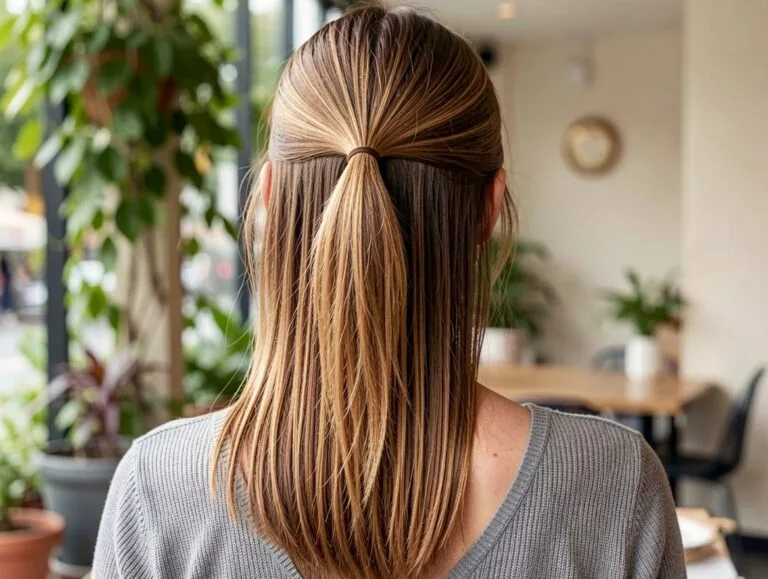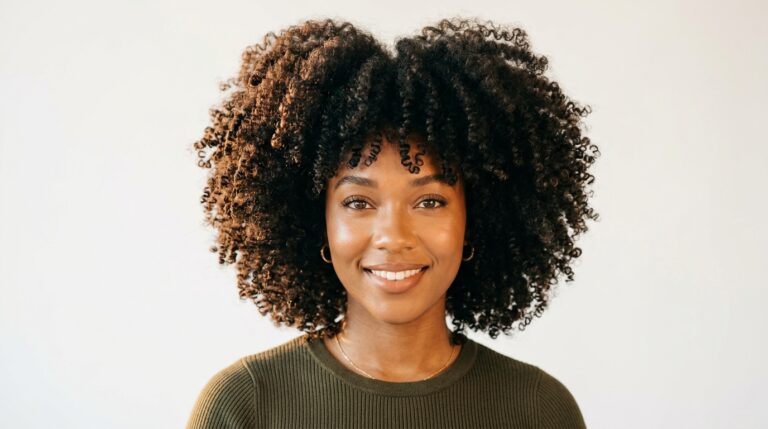
Updos & Braids Hairstyles
Hair as Architecture Updos and braids aren't just hairstyles - they're architecture.
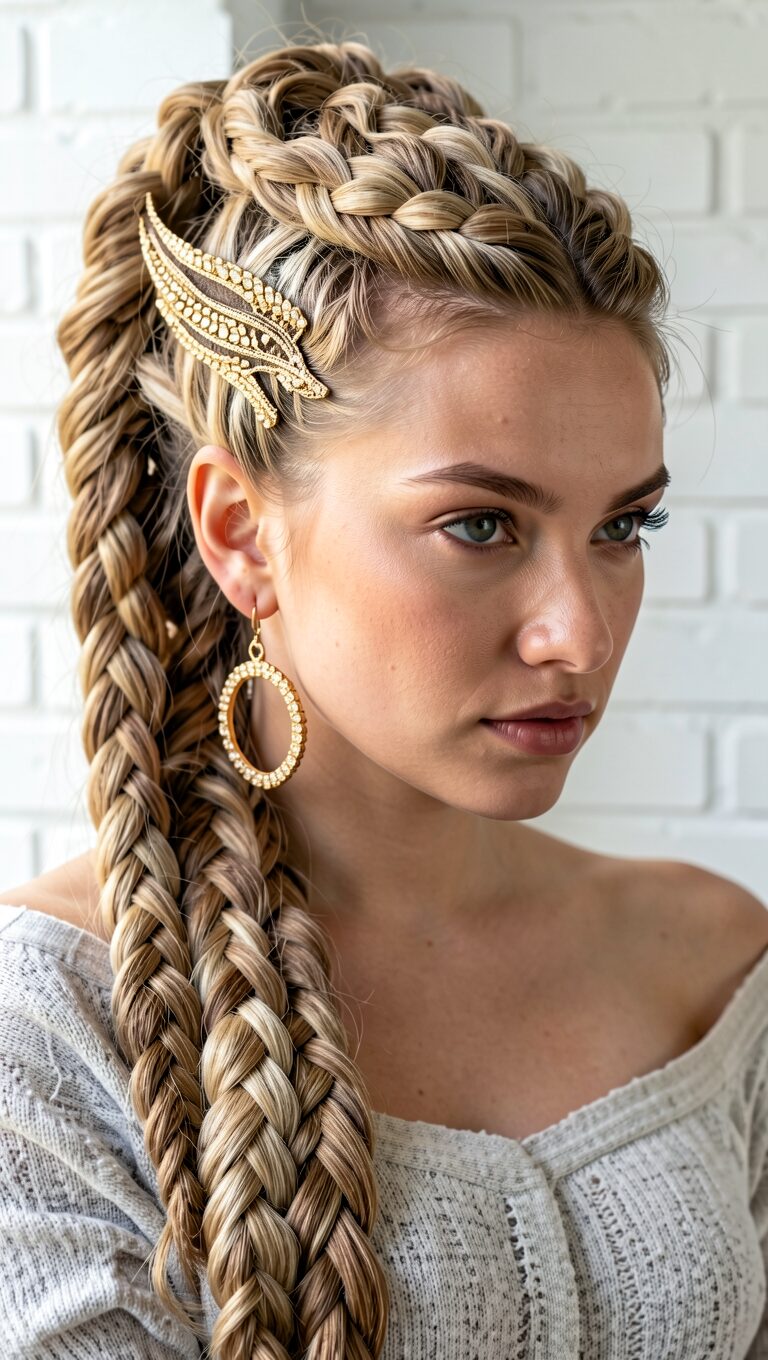
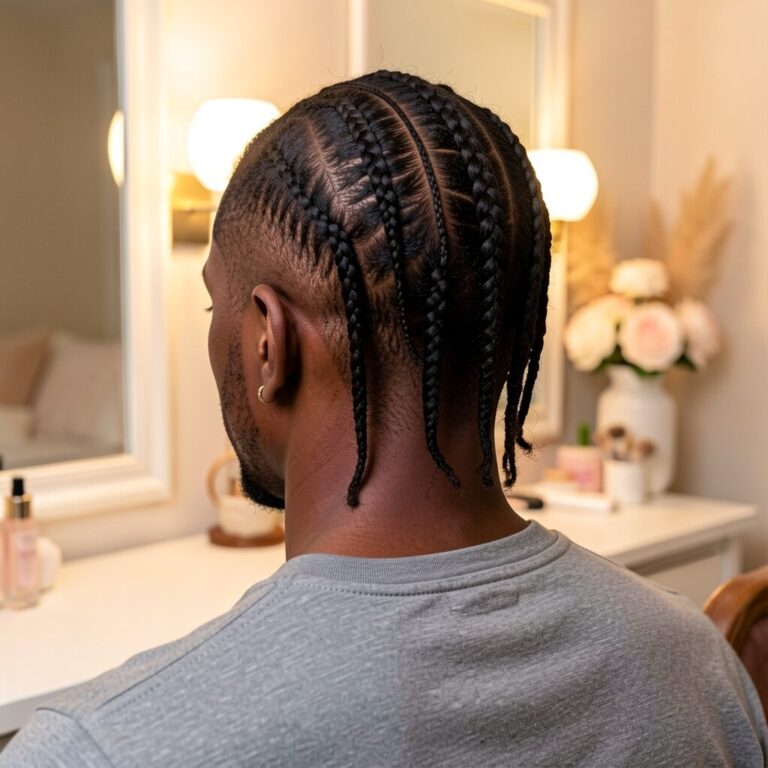
How to Use This Hub
Start with a subcategory below. Each section groups styles with similar maintenance, length behavior, and finish so you can compare quickly.
Braided Hairstyles
37 stylesA 5,000-Year-Old Art Form Braids are simultaneously one of the oldest hairstyling techniques in human history and one of the most modern…
Crochet Braids
10 stylesCrochet braids are a protective styling method where extensions are looped through a cornrow base using a latch hook (crochet needle).
Updo Hairstyles
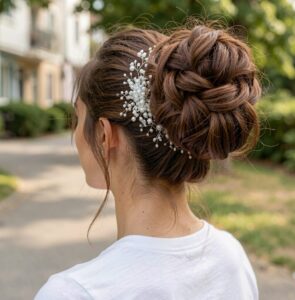
3 stylesAn updo is any hairstyle that lifts hair off the neck and shoulders, from a quick messy bun at your desk to…
Side Hairstyles
3 stylesSide hairstyles shift the visual weight of your hair to one side of the head, creating asymmetry that flatters most face shapes.
Weave Hair
2 stylesWeave hair refers to any style where extension hair is sewn, bonded, clipped, or glued to your natural hair or a cap…
Hair as Architecture
Updos and braids aren't just hairstyles - they're architecture. You're taking raw material (your hair) and engineering it into something that holds shape, defies gravity, and looks effortless even when it took 45 minutes. These styles range from the purely practical (getting hair off your neck in summer) to the deeply artistic (wedding updos that take longer to create than the ceremony itself).
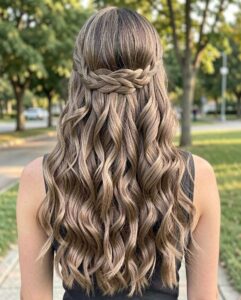
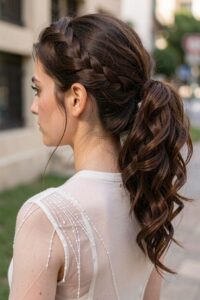
Braided styles make up the largest sub-family here. Box braids, French braids, Dutch braids, fishtails, cornrows, goddess braids, knotless braids - each technique creates a completely different look from the same basic concept of interlacing strands. The skill gap between braid styles is massive: a basic three-strand braid takes 30 seconds; a full head of knotless box braids takes 4-8 hours. Your choice depends on your skill level, the occasion, and how long you want the style to last. Protective braid styles for natural hair can last weeks. Event braids for straight hair might last one evening.
The World of Updos
Updo styles pull hair up and away from the face. Classic chignons, messy buns, French twists, and structured pinned updos all live here. The formality spectrum is wide: a 10-second messy bun is acceptable at the gym; a structured chignon is appropriate for a black-tie event. Most updos work better on day 2-3 hair (the natural oils give grip) or with a texturizing spray on clean hair. Bobby pins are your best friend - invest in good ones that grip without slipping.
Tools of the Trade
The tools you need depend entirely on the style. Braids require sectioning clips, a rat-tail comb, and possibly braiding hair for extensions. Updos need bobby pins (the good kind, not drugstore ones that spring open), U-pins for thick buns, and a strong-hold hairspray. Twist styles need your fingers, some setting cream, and patience. The one universal truth: a little texturizing product goes a long way in making any updo or braid look more lived-in and less pageant-ready. Unless you want pageant-ready, in which case, shine spray is your friend.
Editor's Picks
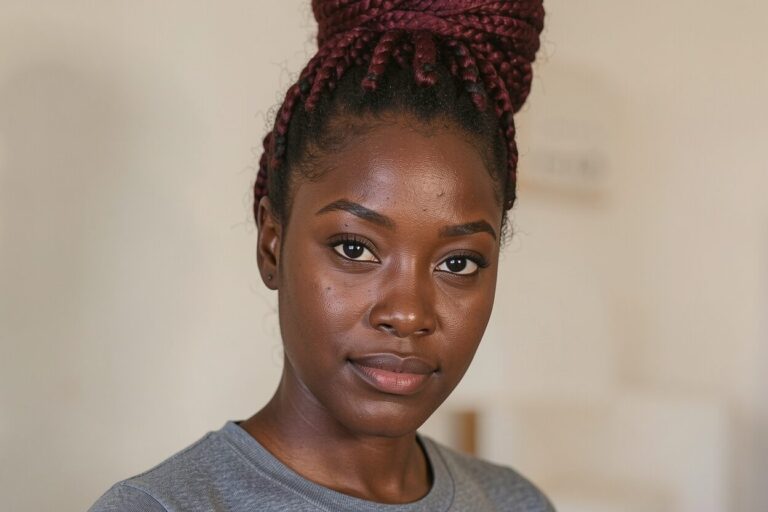
42 Big Jumbo Box Braids Styles
[POST: 42 Big Jumbo Box Braids] The go-to reference for anyone considering box braids — covers sizing, length options, and styling variations with honest expectations on installation time and cost.
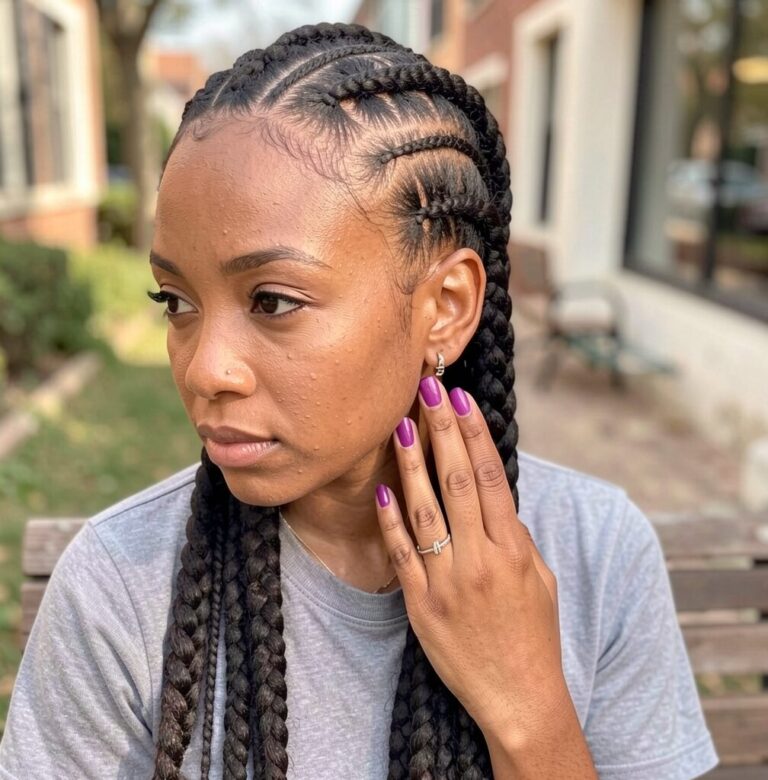
35 Feed In Braids Hairstyles For Natural Hair
[POST: 35 Feed In Braids For Natural Hair] Feed-in technique is increasingly preferred over traditional cornrows. This guide explains the difference and shows real results across different natural hair types.
Quinceanera Hairstyles
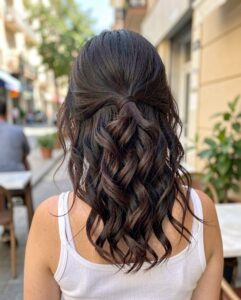
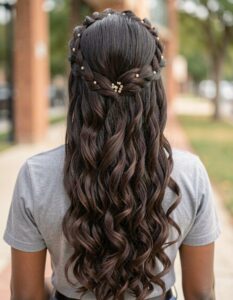
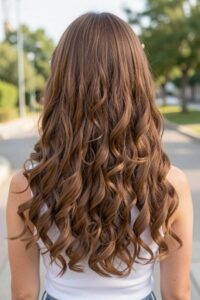
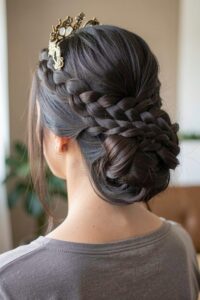
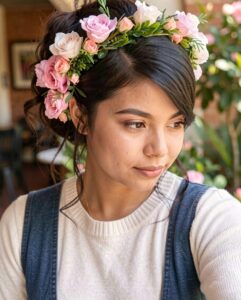
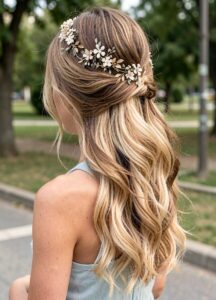
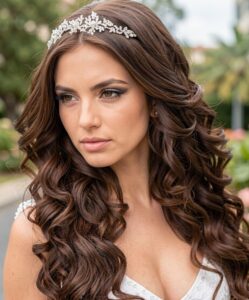
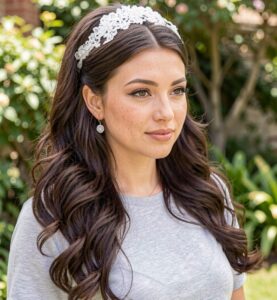
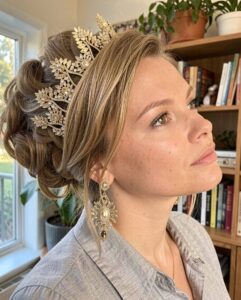
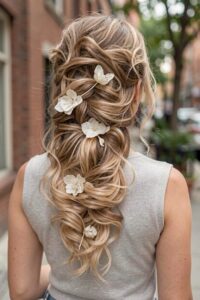
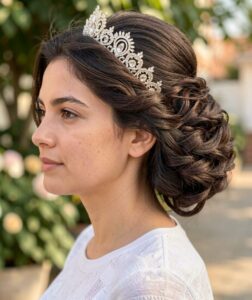
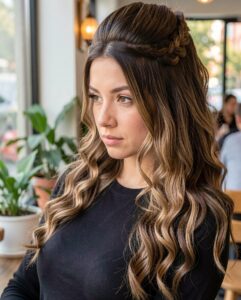
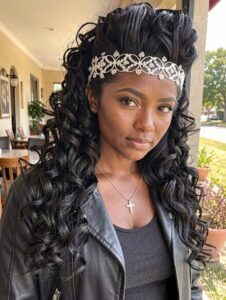
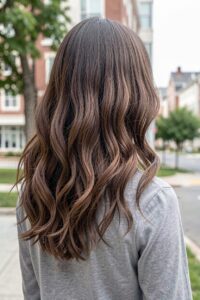
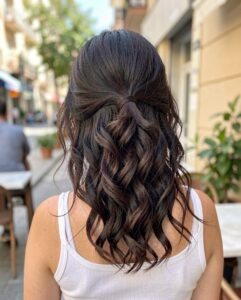
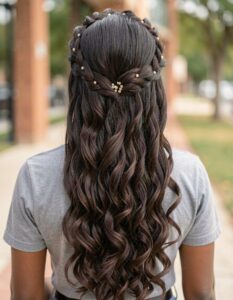
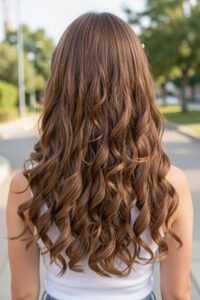
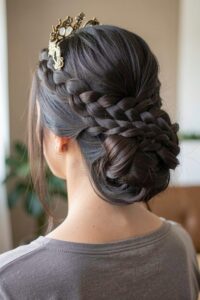
[POST: Quinceanera Hairstyles] Demonstrates formal updo craftsmanship at its most elaborate — useful reference even if you're not planning a quinceanera, because the techniques apply to any formal event.












Frequently Asked Questions
How long do box braids last?
Typically 4-8 weeks depending on your hair growth rate and how well you maintain them. Jumbo braids tend to look fresh for 4-6 weeks. Medium and small braids can last 6-8 weeks because the tighter weave pattern stays neater longer. After 8 weeks, your natural growth at the roots starts creating a fuzzy look. Sleeping with a satin bonnet ($8-$15) and moisturizing your scalp with a light oil every 2-3 days extends the lifespan significantly.
What's the difference between knotless braids and regular box braids?
Traditional box braids start with a knot at the root where the extension hair is secured to your natural hair — this creates a small bump and more tension at the base. Knotless braids start with just your natural hair and gradually feed in extension hair as the braid progresses, so the base lies flat and there's less pull on your scalp. Knotless braids cost about $20-$80 more and take 1-2 hours longer, but they're significantly gentler on your hairline.
Can an updo work on short hair?
Yes, down to about chin length. Shorter hair actually holds textured updos well because the pieces have natural grip and volume. Bobby pin strategically (use at least 15-20) and add texturizing spray for hold. A messy low bun, twisted half-up, or pinned faux-hawk all work at bob length. Below chin length, you'll need clip-in extensions ($20-$80 for a set) to create enough material for most updos. Very short pixie cuts are genuinely too short for traditional updos.
How do I prevent hair breakage from braids?
Three things: proper tension during installation, moisture while wearing them, and gentle removal. If braids hurt after 48 hours, they're too tight — have them loosened immediately. While wearing braids, spray a leave-in conditioner ($10-$18) on your scalp every 2-3 days. When removing, saturate each braid with conditioner, detangle from the bottom up with fingers (not a comb), and expect to lose some shed hair — that's normal accumulation, not breakage, unless you see short broken pieces.