The Best 26 Short Curly Hairstyles for Black Women
There are so many short curly hairstyles out there. Discover our list and images of…
Curly hair is not one thing.
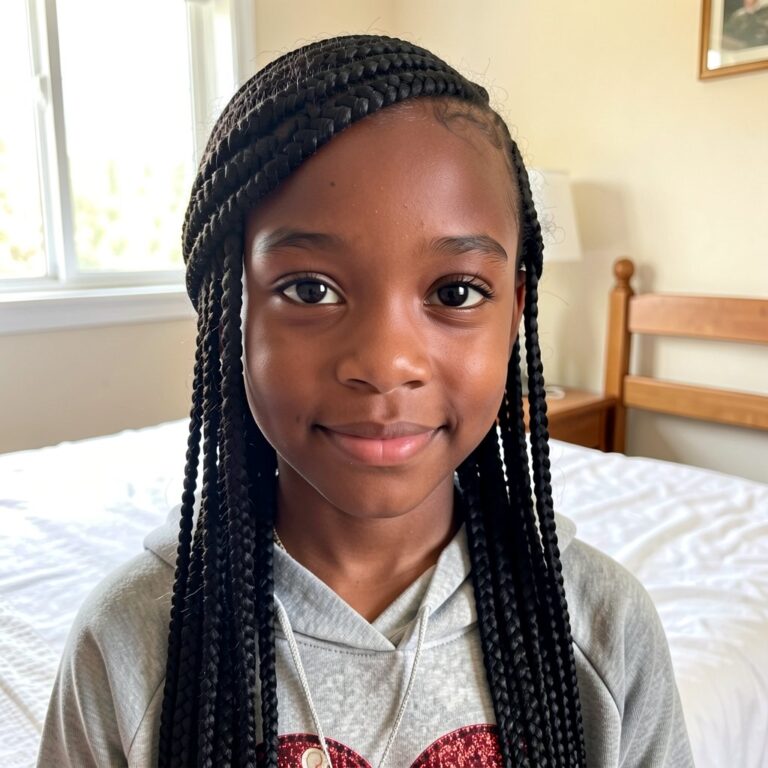

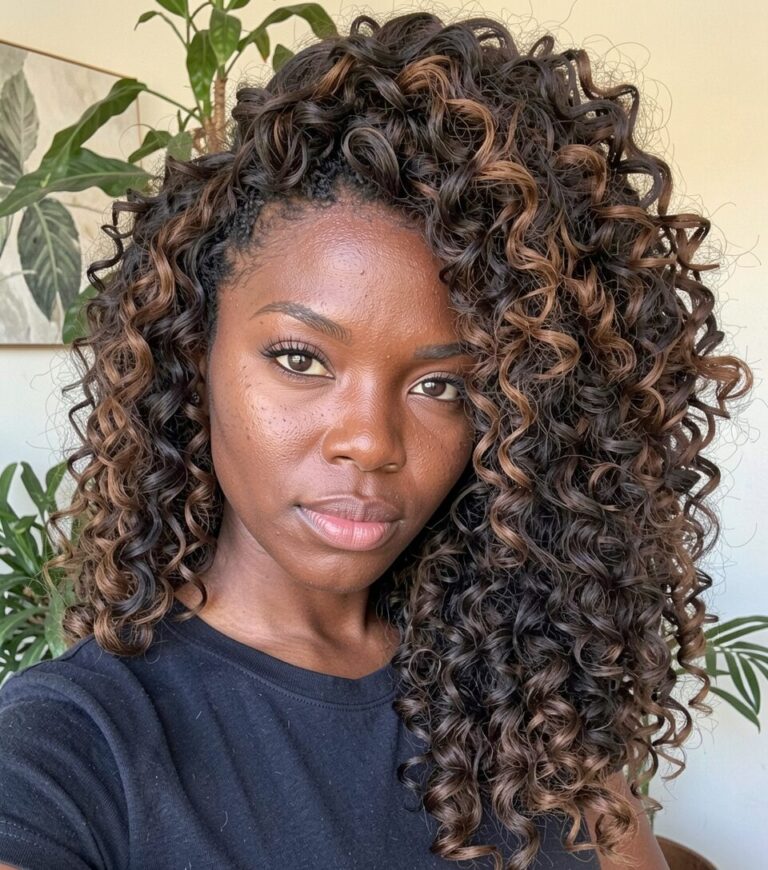
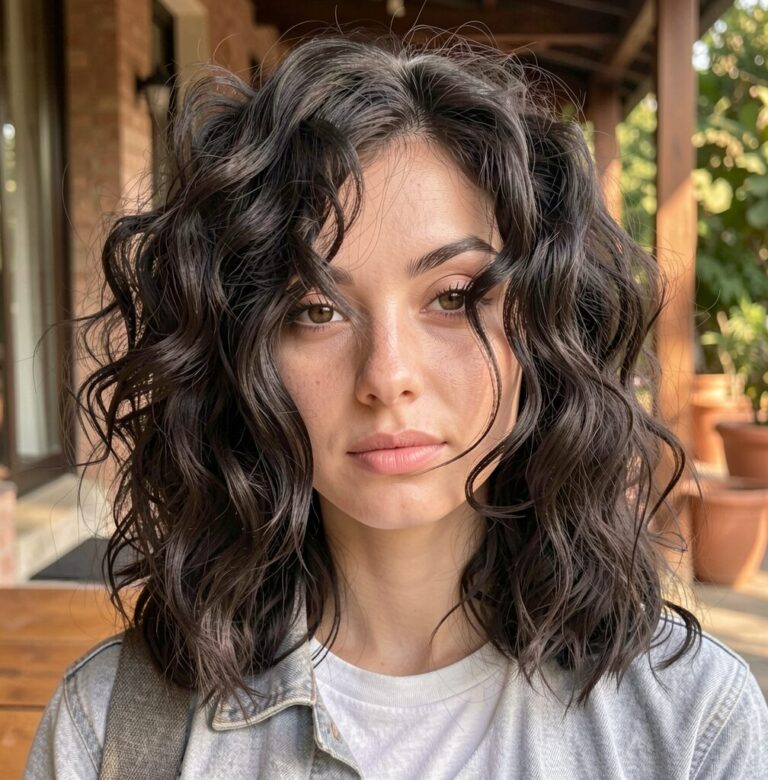
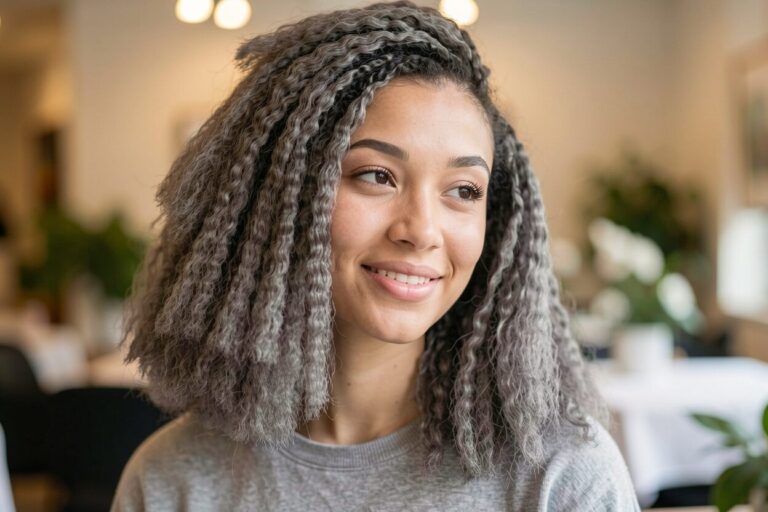
Curly hair is not one thing. It's an entire spectrum running from loose waves (type 2A) through tight coils (type 4C), and each curl pattern has its own rules for cutting, styling, and daily care. The natural hair movement of the past decade has shifted how stylists approach curls: instead of fighting the texture, modern curly cuts work with your specific pattern to maximize definition and minimize frizz. If you've spent years flat-ironing your curls into submission, the shift back to natural texture is real and happening across every age group.
Curly hair suits every face shape, but the cut matters more than with straight hair because curls add volume in specific places. Round faces do well with longer curly layers that elongate, below the collarbone. Square jaws soften with side-swept curly bangs. Oval faces can wear any curly length. Fine curly hair needs layers to avoid looking flat at the roots but heavy at the ends. Thick curly hair often benefits from internal layering to keep the shape manageable without altering the silhouette. If you have a physically active lifestyle, know that curly hair and sweat create frizz. A satin-lined cap during workouts helps preserve your style.
Short curly cuts can maximize curl definition, while long curly styles tackle the specific challenge of managing heavy curls without losing shape. The curly bob is having a moment: it sits right at the jaw and frames the face in a way straight-haired bobs cannot. If you're considering a chemical change, understanding the difference between spiral perms and regular perms matters. And if heat damage has loosened your natural pattern, recovery is possible but takes patience.
You'll wash less frequently than straight hair, every 3-5 days for most curl types, but you'll use more product per wash. Budget about $30-50 a month for a sulfate-free shampoo, conditioner, leave-in, and gel or cream. Curly cuts (dry cuts from a curl specialist) run $75-150 and are worth the premium because wet-cutting curly hair leads to uneven results once it dries and springs up. Plan salon visits every 8-12 weeks.
Tell your stylist your curl type, how much shrinkage you experience (curly hair can appear 30-50% shorter when dry), and whether you want to enhance or loosen your pattern. Test different curly cuts with the AI try-on tool to see how lengths and volumes frame your face before committing.

Essential reading for anyone transitioning back to natural curls after years of heat styling. Covers protein treatments, trimming schedules, and realistic timelines for curl recovery — usually 6-12 months.

The broadest overview of curly styling options across all curl types and lengths. Good for getting oriented before narrowing down to a specific cut or approach.

The curly bob is the most adaptable mid-length option right now. This guide shows how the cut adapts to different curl types from loose waves to tight coils, with real examples of each.
There are so many short curly hairstyles out there. Discover our list and images of…
Best Natural Hairstyles for Black Girls Natural hairstyles for Black girls are a wonderful way…
Best Leave In Conditioner For Curly Hair Reviews Leave-in conditioner is designed to provide additional…
Best Hair For Crochet Braids | Crochet Hair Brands Guide So what is the best hair…
Medium Length Curly Hairstyles We’re shouting out all our curly haired women! Curly hair is…

Glamorous ’70s Hairstyles Each modern era has hosted its share of fashion trends, but often…

50 Gorgeous Side Swept Bangs Hairstyles We Love Side swept bangs offer up an incredible…
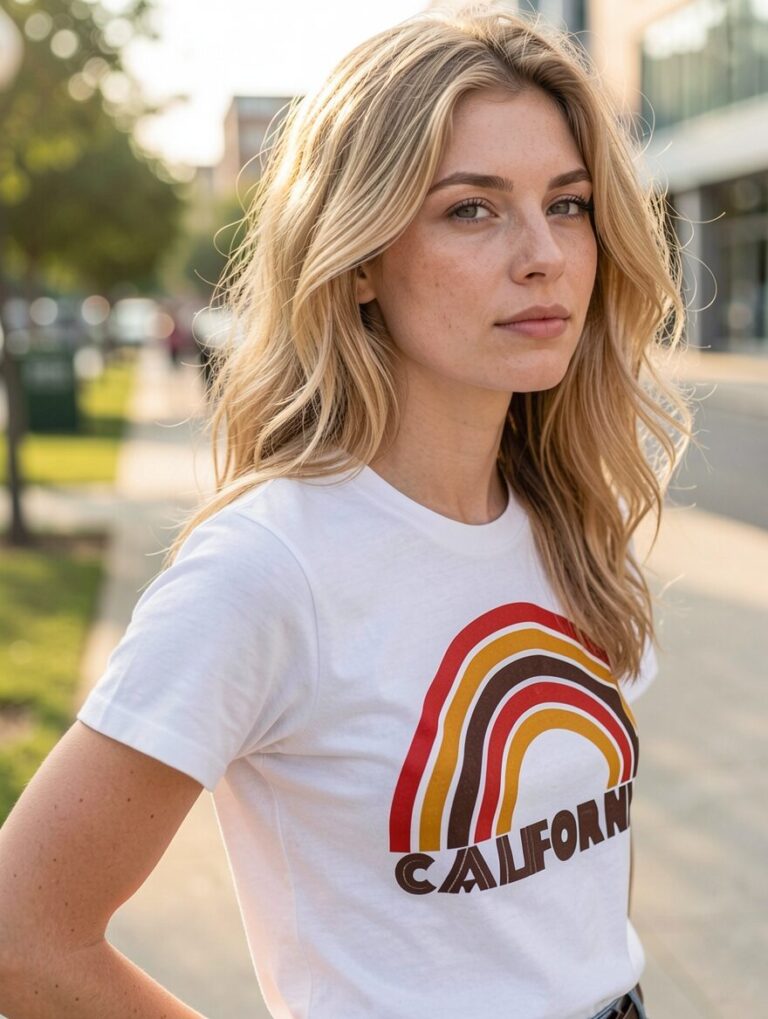
Spiral Perm vs Regular Perm Styling tools like straighteners and curling irons make it easier to…
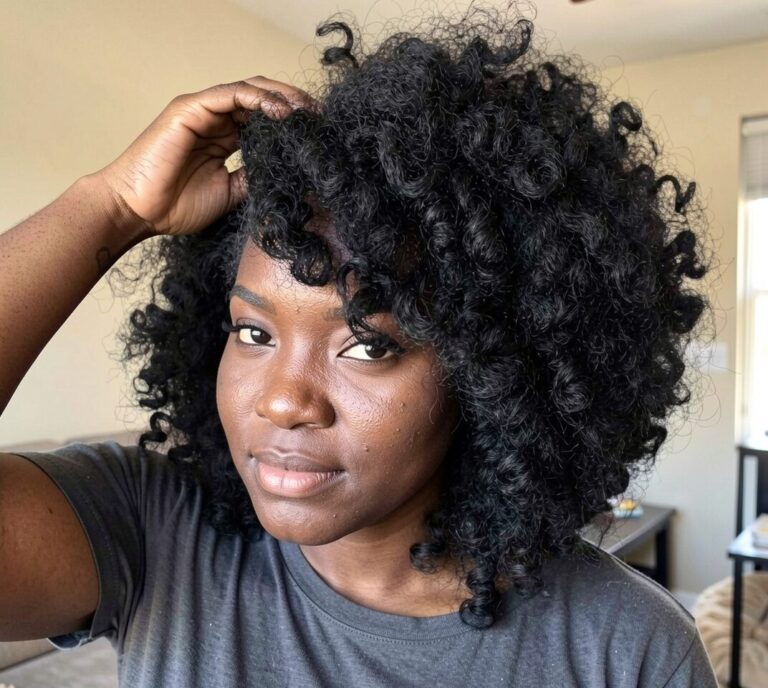
Short Crochet Hairstyles Crochet hair extensions are one of the best protective styling options for…
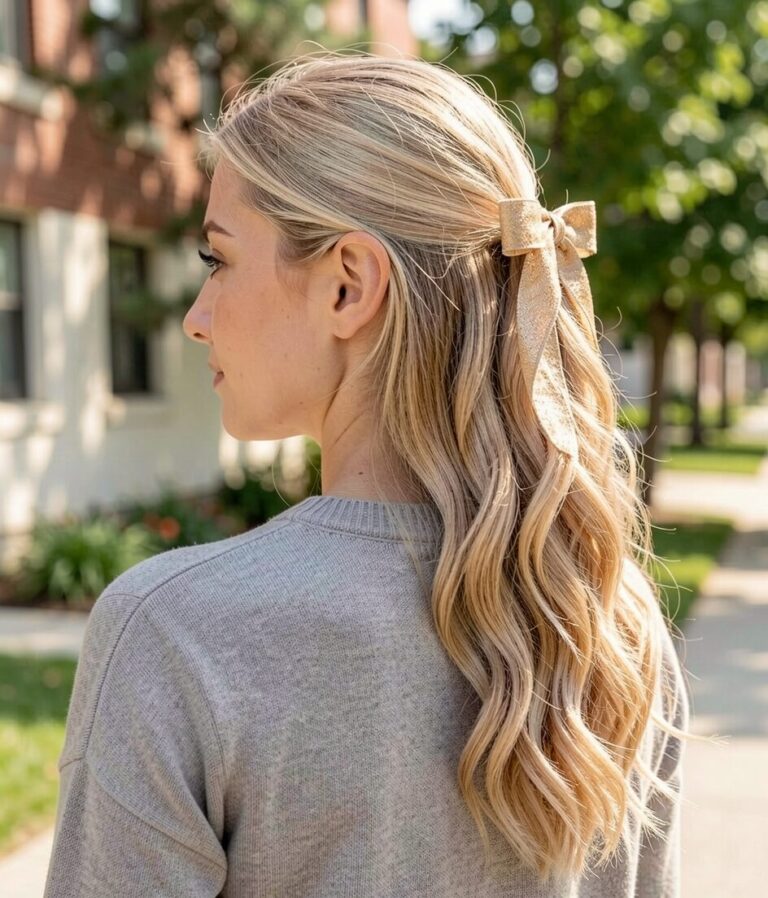
Cute Birthday Hairstyles Birthday coming up?! Happy (early) birthday, queen! It’s your special day so…
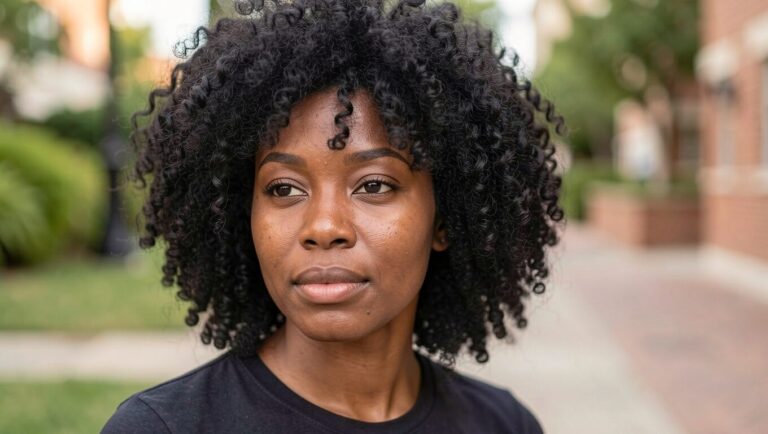
African American Natural Hairstyles for Medium Length Hair We love natural hair at every length,…
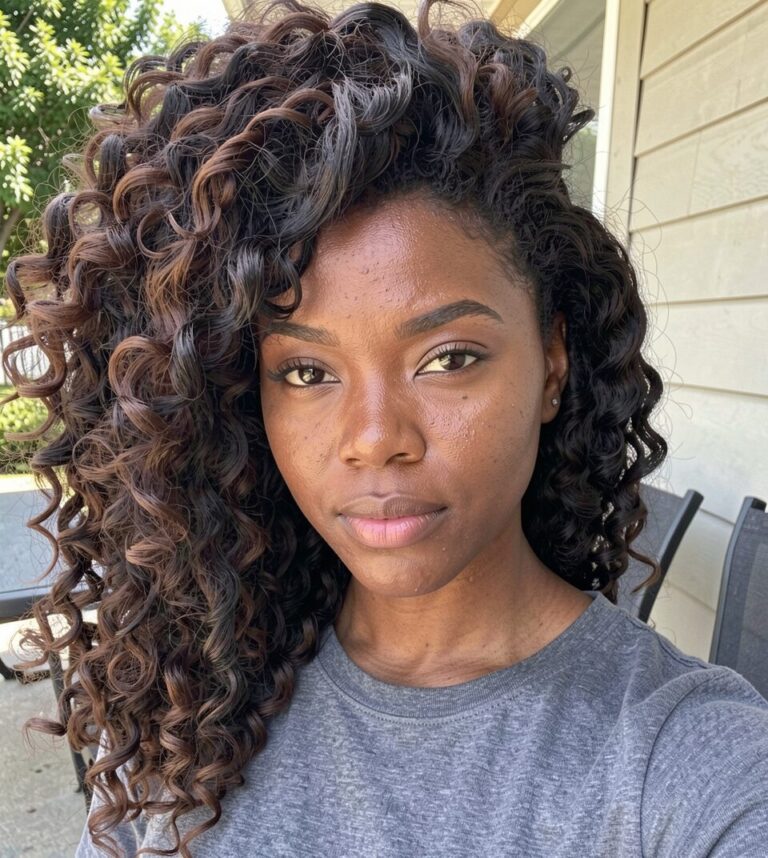
Crochet Hairstyles With Curly Hair Crochet braids are not a new style. They have been…
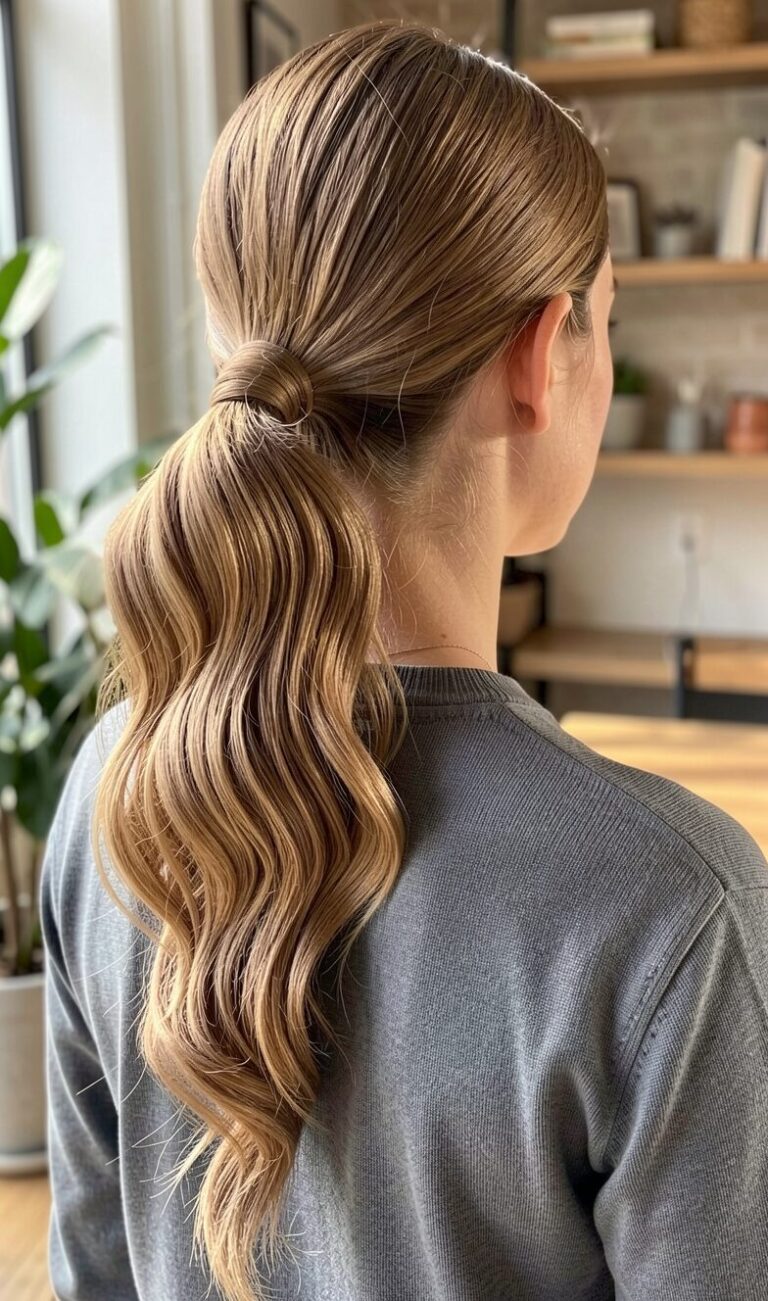
Business Hairstyles Women We wanted to show some love to our professional women. As some…
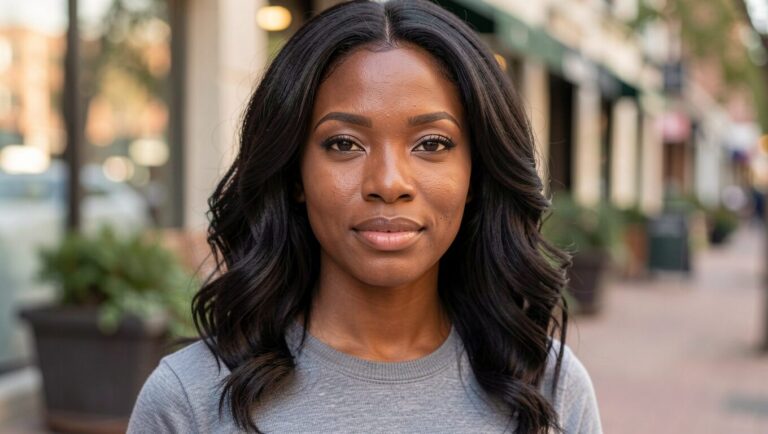
25 Amazing Wedding Hairstyles for Black Women One of the biggest times in a woman’s life…
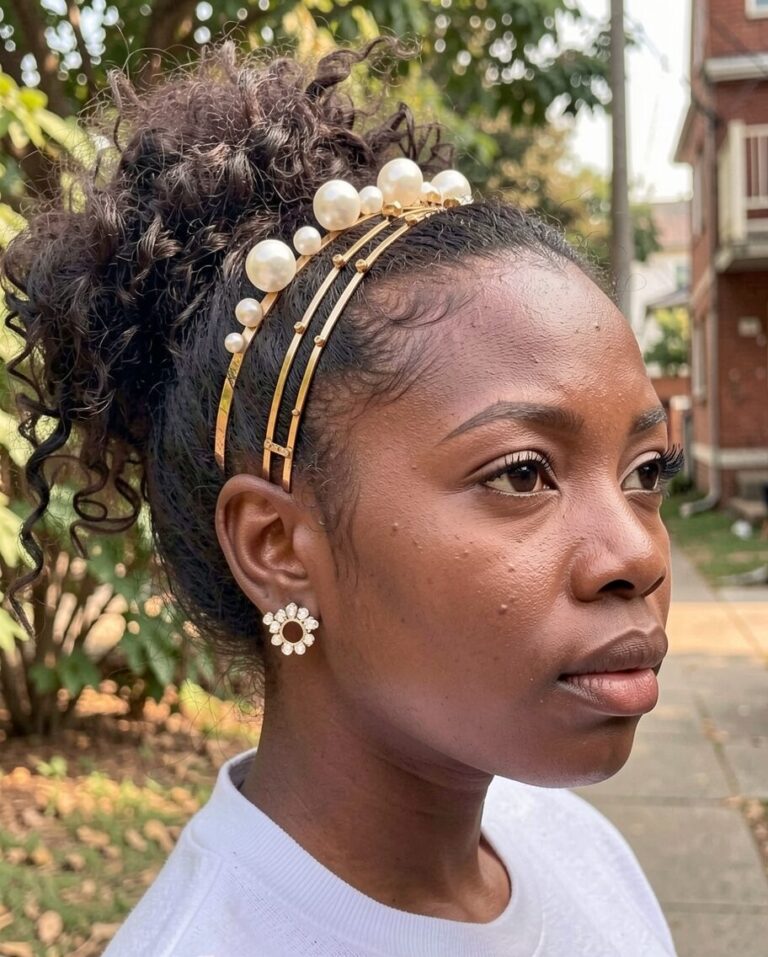
Messy Bun Curly Hairstyles Calling all our curly hair people! First, let us start by…

Summer Hairstyles 2021 Spring is here, so hopefully, that means that summer isn’t too far…

Short Textured Haircuts Thinking of chopping your hair? Going in to the salon for the…
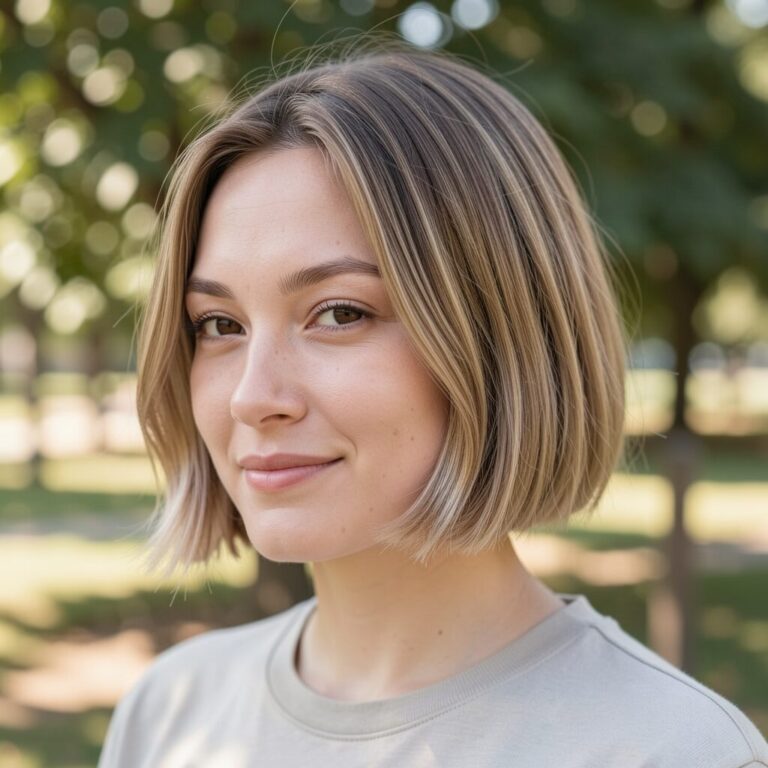
Chin Length Hairstyles Short hair, don’t care! Have you noticed women everywhere are chopping length…
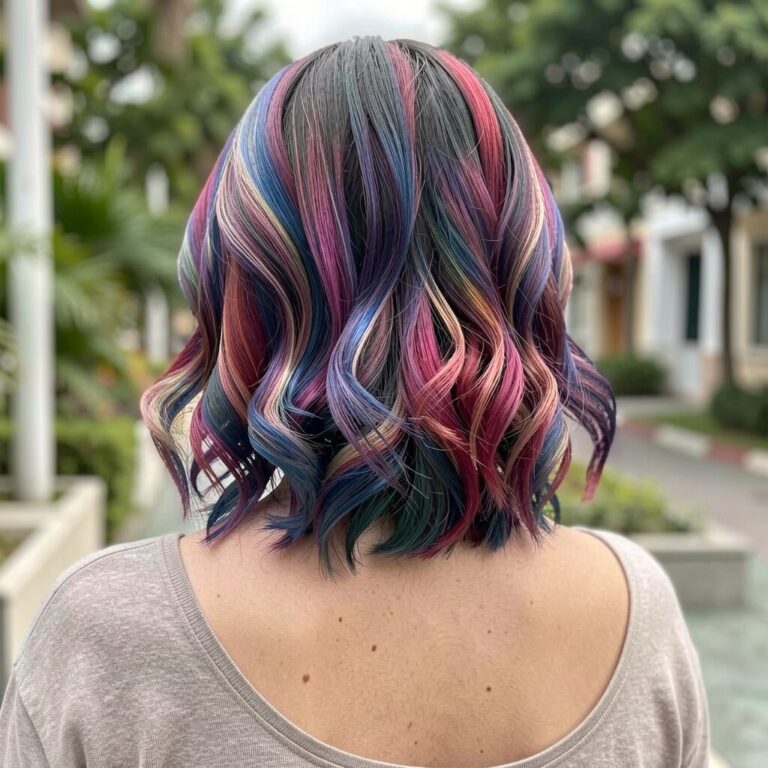
Trendy Unique Hair Color Ideas Looking for a new, unique hair color to try? Perfect!…

Best Haircuts for Oval Face Shape Do you have an oval face shape? We’re talking…
The 10 Best Hair Crimpers Let’s give a warm welcome to one of the most…

10 Best Hot Air Brushes Don’t get confused, we aren’t about hot air balloons, we…
Best Curling Irons for Fine Hair A curling iron is an important styling tool that…

1980s Hairstyles We Love! I don’t know if you have noticed, but the 1980s are…
Most curl types do best with washing every 3-5 days. Overwashing strips natural oils that curly hair desperately needs for definition and moisture. Between washes, refresh curls by spritzing with water mixed with a leave-in conditioner and scrunching. Type 2 waves can handle slightly more frequent washing (every 2-3 days) since the scalp oils travel down straighter sections more easily. Type 4 coils may only need washing once a week with co-washing in between.
Almost always a moisture-protein imbalance or a product application issue. Curly hair needs to be styled while soaking wet, not damp. Apply your styling product to dripping hair, then scrunch upward. Let it air dry completely or diffuse on low heat. Once a gel cast forms, scrunch it out with a tiny amount of oil on your palms. Touching curls before they're fully dry is the number one cause of frizz.
The curly girl method (CGM) eliminates sulfates, silicones, and heat tools. It works well for many people as a starting framework — going sulfate-free alone often improves curl definition within 2-3 weeks. That said, it's not dogma. Some curl types need occasional clarifying with a gentle sulfate shampoo to remove buildup, and some silicones (water-soluble ones) don't cause the problems CGM warns about. Treat it as a set of guidelines to experiment with, not rigid rules.
Dry cutting is generally better for curly hair because the stylist can see your actual curl pattern, shrinkage, and natural fall. Wet cutting can lead to surprises since a section that looks even when wet might spring up 3 inches shorter once dry. Some experienced curl stylists cut wet and account for shrinkage mentally. The real qualifier is finding a stylist who specializes in curly hair. Ask to see their portfolio of curly clients.
A satin or silk pillowcase is the minimum since cotton creates friction that pulls curls apart overnight. For tighter curls, pineapple your hair (loose, high ponytail with a silk scrunchie) before bed. For shorter curls, try a satin bonnet or buff. In the morning, shake your head upside down and scrunch with a tiny bit of water or refresher spray. Some people get 4-5 good days from a single wash-and-style cycle this way.