30 Pencil Curls Hairstyles
How to Curl Your Hair Using a Pencil And Different Pencil Curls Hairstyles It seems…
Curly hair is not one thing.


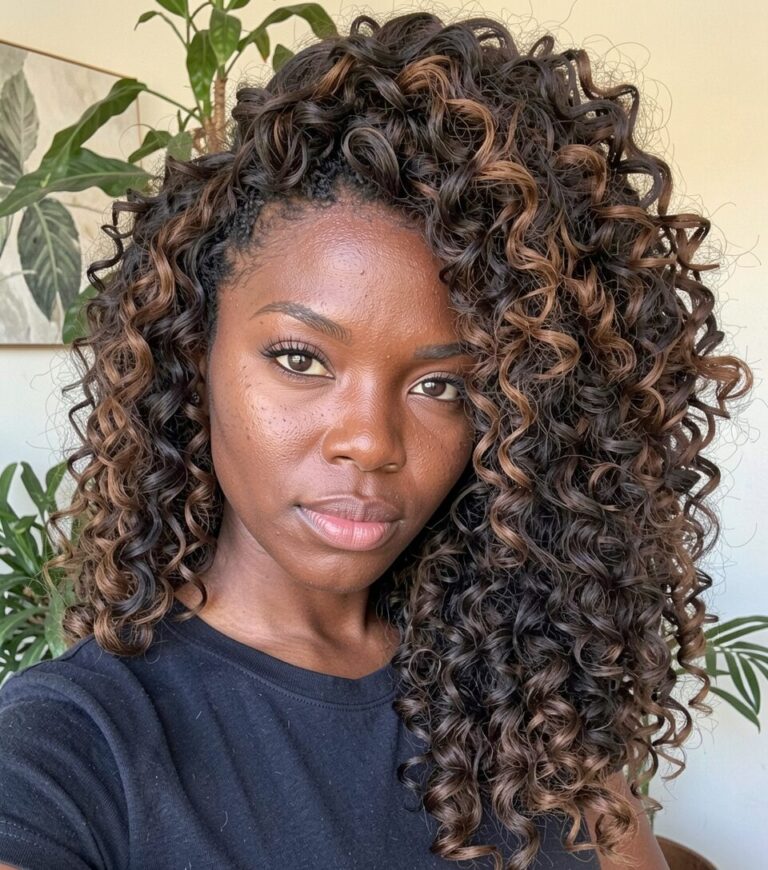
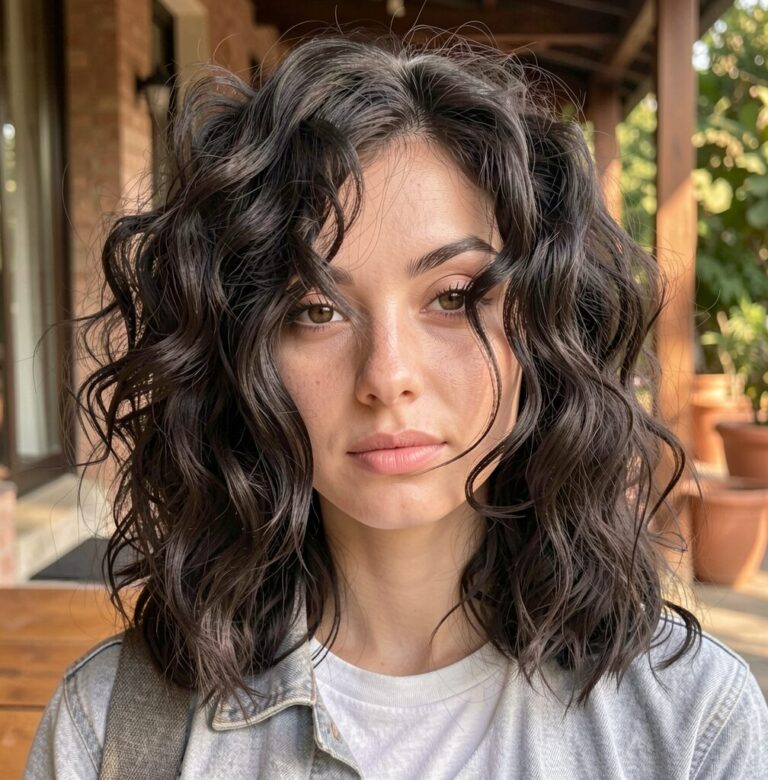
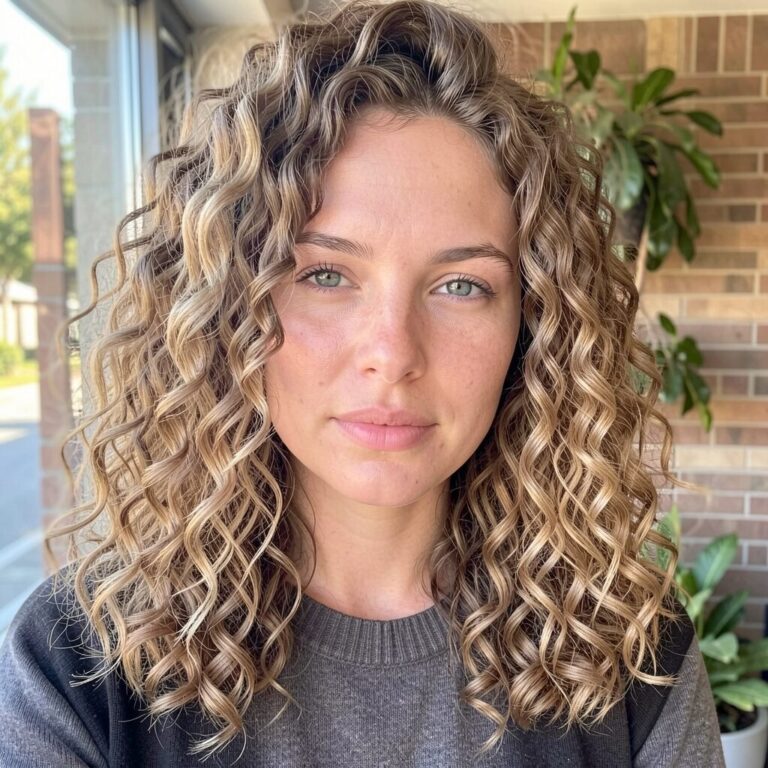
Curly hair is not one thing. It's an entire spectrum running from loose waves (type 2A) through tight coils (type 4C), and each curl pattern has its own rules for cutting, styling, and daily care. The natural hair movement of the past decade has shifted how stylists approach curls: instead of fighting the texture, modern curly cuts work with your specific pattern to maximize definition and minimize frizz. If you've spent years flat-ironing your curls into submission, the shift back to natural texture is real and happening across every age group.
Curly hair suits every face shape, but the cut matters more than with straight hair because curls add volume in specific places. Round faces do well with longer curly layers that elongate, below the collarbone. Square jaws soften with side-swept curly bangs. Oval faces can wear any curly length. Fine curly hair needs layers to avoid looking flat at the roots but heavy at the ends. Thick curly hair often benefits from internal layering to keep the shape manageable without altering the silhouette. If you have a physically active lifestyle, know that curly hair and sweat create frizz. A satin-lined cap during workouts helps preserve your style.
Short curly cuts can maximize curl definition, while long curly styles tackle the specific challenge of managing heavy curls without losing shape. The curly bob is having a moment: it sits right at the jaw and frames the face in a way straight-haired bobs cannot. If you're considering a chemical change, understanding the difference between spiral perms and regular perms matters. And if heat damage has loosened your natural pattern, recovery is possible but takes patience.
You'll wash less frequently than straight hair, every 3-5 days for most curl types, but you'll use more product per wash. Budget about $30-50 a month for a sulfate-free shampoo, conditioner, leave-in, and gel or cream. Curly cuts (dry cuts from a curl specialist) run $75-150 and are worth the premium because wet-cutting curly hair leads to uneven results once it dries and springs up. Plan salon visits every 8-12 weeks.
Tell your stylist your curl type, how much shrinkage you experience (curly hair can appear 30-50% shorter when dry), and whether you want to enhance or loosen your pattern. Test different curly cuts with the AI try-on tool to see how lengths and volumes frame your face before committing.

Essential reading for anyone transitioning back to natural curls after years of heat styling. Covers protein treatments, trimming schedules, and realistic timelines for curl recovery — usually 6-12 months.

The broadest overview of curly styling options across all curl types and lengths. Good for getting oriented before narrowing down to a specific cut or approach.

The curly bob is the most adaptable mid-length option right now. This guide shows how the cut adapts to different curl types from loose waves to tight coils, with real examples of each.
How to Curl Your Hair Using a Pencil And Different Pencil Curls Hairstyles It seems…

How to Curl Your Hair Without Heat | No Heat Curls Styles and Tutorials Curling…
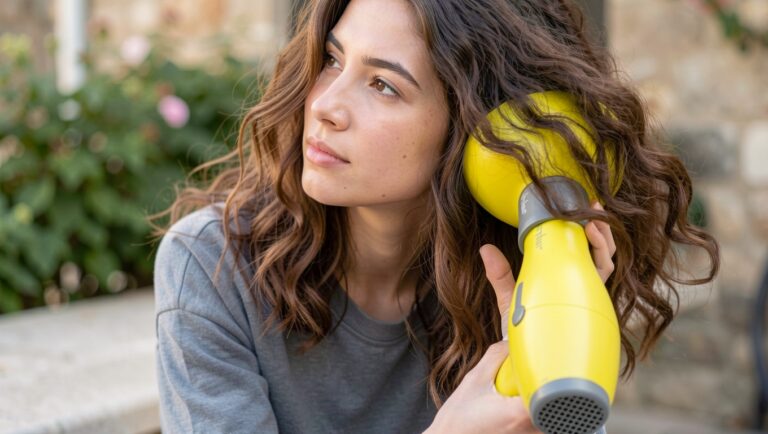
10 Best Hair Dryer Diffusers for Curly Hair Is your hair the wild and glorious…

35 Perm Hairstyles: Stunning Perm Looks Perm hairstyles were hugely popular in the ’80s, making…

35 Hairstyles For Women Over 60 Because the texture of your hair changes age you…
Cute Easy Hairstyles For Long Hair Growing your hair long takes commitment, and sometimes it…
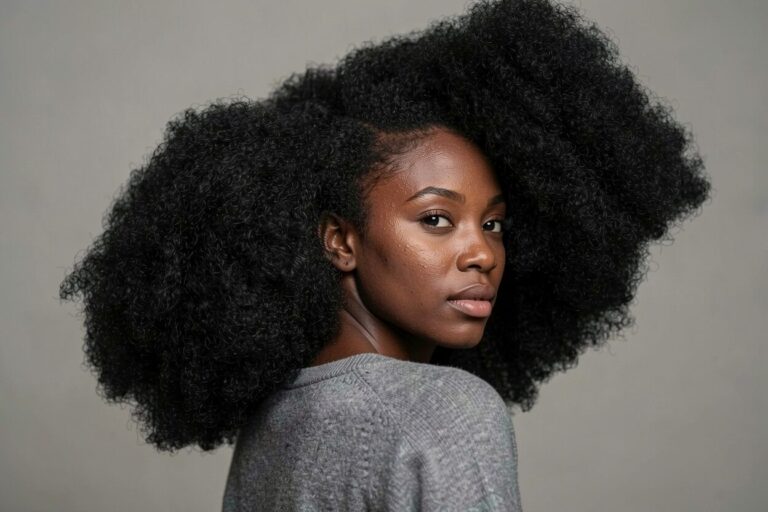
25 Best Natural Hair Products That Actually Work From moisturizers and makeup to hair dyes…

35 Crochet Braid Styles with Human Hair For those of you too young to remember…

Hairstyles For Medium Length Thick Hair Being born with thick hair can sometimes feel like a…
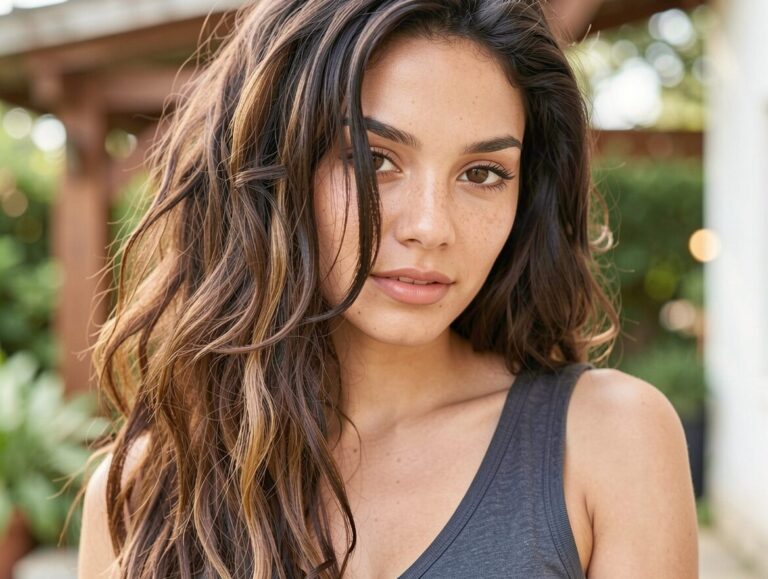
20 Curly Hairstyles for Long Thick Hair If you are reading this article, you have…

25 Chic Medium Length Layered Haircuts Layers are such a great way to add some personality to…

25 Cute Side Hairstyles Side hairstyles were a big hit in the 80’s and 90’s.…

Top 25 Wavy Hairstyles Unlike curls waves are something that you just virtually cannot mess…
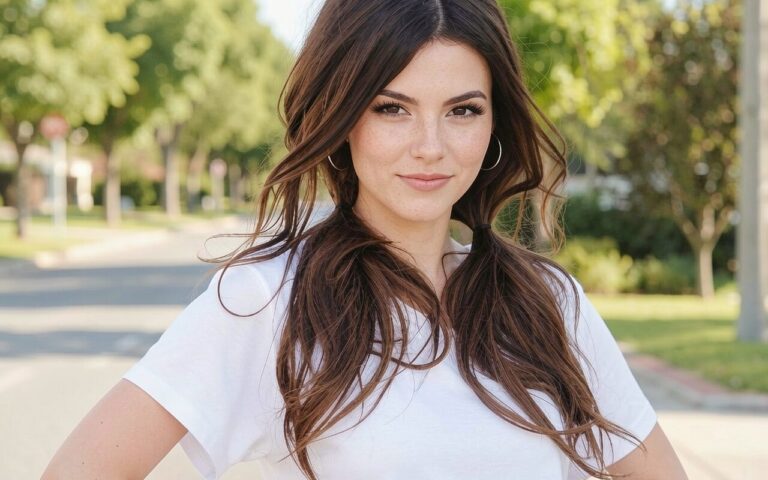
Cute Long Hairstyles For Women Long hair is definitely in. Many women with long hair…
25 Beautiful Curly Hairstyles Curly hair is one of the most versatile hair textures. Many…

20 Stunning Medium Length Hairstyles for Thin Hair Are you struggling with thinning hair? There are…
Wash every 3-5 days for most curl types (2C-3C). Type 2 waves can handle washing every 2-3 days since scalp oils travel more easily down looser patterns. Type 4 coils often do best with once-a-week washing plus a mid-week co-wash with a silicone-free conditioner. Overwashing strips the natural sebum that curly hair relies on for definition and moisture retention. Between washes, refresh by spritzing with a 3:1 water-to-leave-in conditioner mix in a spray bottle and scrunching upward.
This is almost always a product application or drying issue. Curly hair must be styled while soaking wet — not towel-dried, not damp, but dripping. Apply gel or curl cream with praying hands motion, then scrunch upward. The product needs water to distribute and form a cast. Diffuse on low heat (hover, don't touch) or air dry 2-4 hours. Never touch your hair while it dries. Once the gel cast is fully hard and crunchy, scrunch it out with a pea-sized drop of argan oil. Touching curls before they're 100% dry is the number one cause of frizz.
The Curly Girl Method (CGM) eliminates sulfates, silicones, heat tools, and terrycloth towels from your routine. Core principles: wash with a sulfate-free cleanser or co-wash, condition generously, apply styling products to soaking wet hair, air dry or diffuse, and sleep on satin. Most people see noticeable improvement in curl definition within 2-3 weeks of going sulfate-free. Low-porosity hair sometimes needs a sulfate clarifying wash monthly to remove product buildup that water-soluble cleansers miss. Some water-soluble silicones (like dimethicone copolyol) provide slip without the heavy coating CGM warns about.
Dry cutting is better for curly hairstyles because the stylist sees your actual curl pattern, spring factor, and how each section falls naturally. Wet cutting on curly hair leads to uneven results — a section that looks chin-length when wet might spring up to ear-length once dry, especially on type 3B-4C hair where shrinkage reaches 50-75%. Some Devacurl-trained stylists cut in a specific dry-cut method called 'the Deva cut,' shaping each curl individually ($75-150, about 30-60 minutes longer than a standard cut). The key qualifier isn't the technique — it's finding a stylist who works with curly hair daily.
A satin or silk pillowcase ($10-25) is the minimum — cotton creates friction that breaks up curl clumps and pulls moisture out overnight. For medium to long curls, pineapple your hair: gather into a loose high ponytail with a silk scrunchie. For shorter curls, a satin bonnet ($8-15) keeps everything contained. Some people medusa clip: pin individual curl sections loosely to the crown with duckbill clips, then cover with a bonnet. In the morning, flip upside down, shake gently, and scrunch with a light mist of water. This gives most people 4-5 good curl days from a single wash.
A curly pixie cut with 2-3 inches on top and tapered sides is the easiest to maintain — style with a curl cream and finger coils in under 5 minutes. A curly bob (jaw to chin length) works on all curl types and looks fuller than it would on straight hair because of natural volume. For type 3 curls, a DevaCut layered bob removes bulk strategically while preserving curl shape. A wash-and-go shag with curtain bangs frames the face and requires almost no daily effort — just scrunch in gel on wash day.
On wash day: apply curl cream and gel to soaking wet hair, scrunch, and air dry or diffuse (this is your foundation for the next 3-5 days). Day 2: most curls look their best — just fluff at the roots with a pick. Day 3-4: spritz flat or frizzy sections with water mixed with leave-in conditioner, re-scrunch, and let those sections air dry for 15 minutes. Day 5+: pull into a pineapple, high bun, or half-up style when the curls lose definition.
Twist-outs and braid-outs give defined curls on any hair type without heat. For a twist-out: section damp hair into 12-20 sections, apply curl cream, two-strand twist each section tightly, air dry overnight or for 6+ hours, then unravel and separate with oiled fingers. More twists = tighter curls; fewer twists = bigger waves. For a braid-out: same process but three-strand braid each section for a more waved pattern. Finger coils create springy ringlets: wrap small sections around your index finger, slide off, and let dry.
Type 2 (wavy): a layered lob with long layers enhances wave pattern without adding too much volume. Type 3A-3B (loose to medium curls): a rounded layered cut or shag with face-framing layers shows off spiral definition. Type 3C (tight curls): a tapered shape that's shorter in the back and longer in the front creates a balanced silhouette. Type 4A-4B (coily): a shaped TWA, defined twist-out, or stretched updo highlights texture. Type 4C (kinky): protective styles like Bantu knots, flat twists, or chunky twist-outs work with the tight coil pattern.
Wash and condition, then apply a lightweight gel (not a heavy cream, which weighs down bob-length curls) to soaking wet hair. Scrunch upward, clip the roots at the crown with duckbill clips to add volume while drying, and diffuse or air dry. Once dry, remove clips and scrunch out the gel cast with a drop of lightweight oil. For a curly bob, layers are essential — without them, bob-length curly hair poofs into a triangle shape. Ask your stylist for a rounded silhouette with internal layers that remove weight from the interior without shortening the perimeter.