Straight Hairstyles
The key thing most people misunderstand about straight hair is that it is not one thing.




Next Step
The key thing most people misunderstand about straight hair is that it is not one thing. There is a massive difference between fine straight hair that goes limp by noon and thick straight hair that holds a blunt cut like armor.
Cuts for Straight Hair
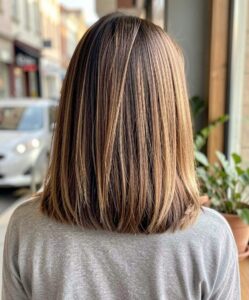
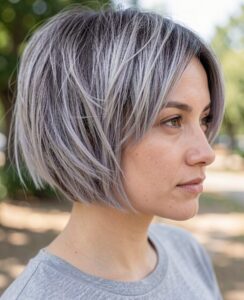
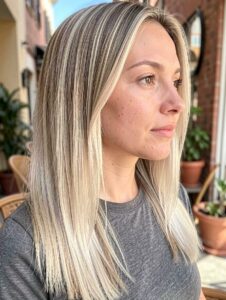
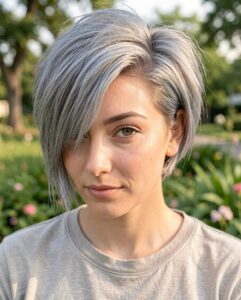
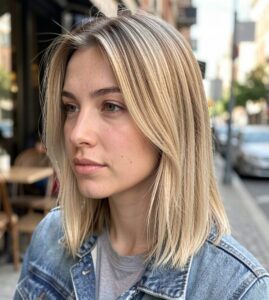
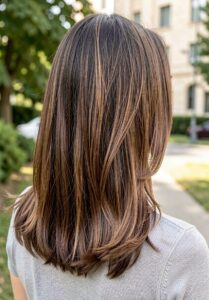
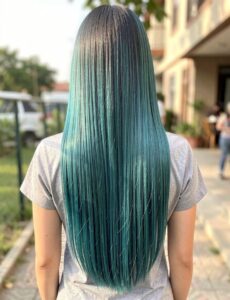
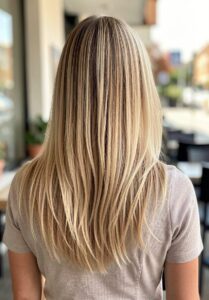
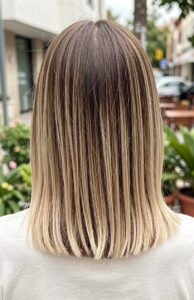
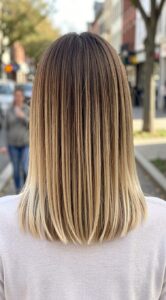
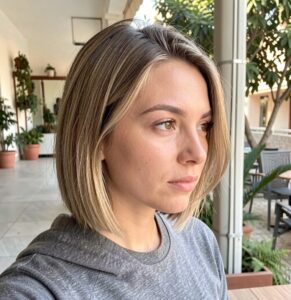
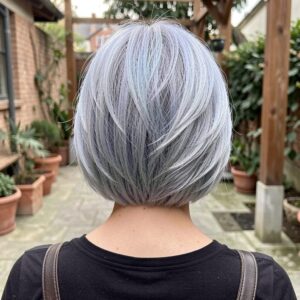
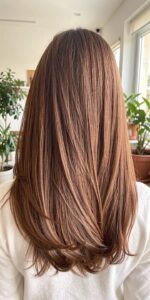
Fine straight hair benefits from layered cuts like a Layered Bob or Feathered Hair Styles because layers create the illusion of volume. Thick straight hair can handle blunt cuts, collarbone-length chops, and heavy bangs without going shapeless. Round faces do better with side-swept bangs and longer layers below the jawline than a blunt chin-length bob.
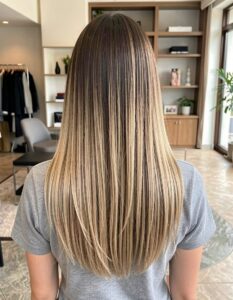
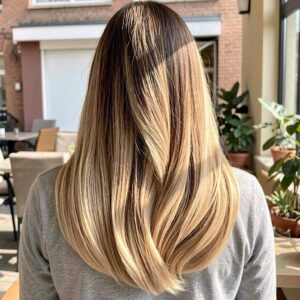
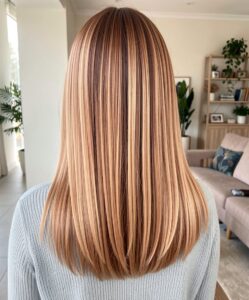
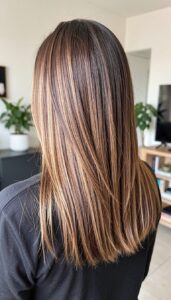
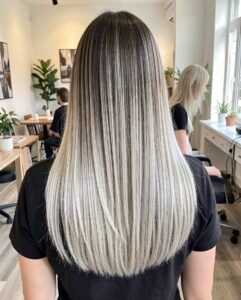
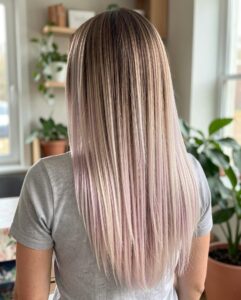
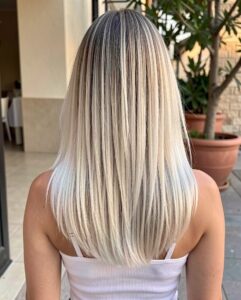
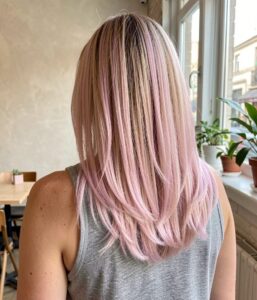
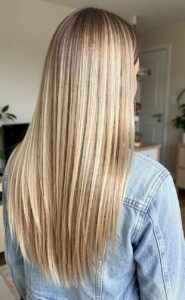
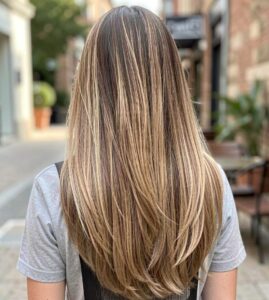
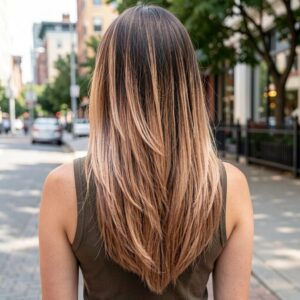
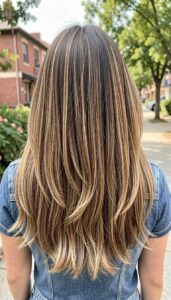
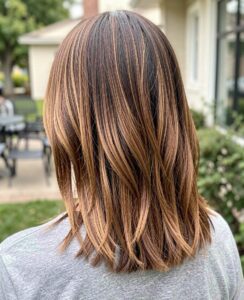
The Pageboy Haircut for Women is making a genuine comeback since the clean geometric lines need smooth texture to land. Curtain Bangs Hairstyles on Long and Short Hair remain one of the most requested salon styles: low-commitment, they grow out gracefully and soften a strong forehead. Collarbone Length Haircuts sit in a sweet spot for both office and weekends. 30 Shag Haircuts bring movement without a curling iron. Balayage Straight Hair adds dimension through color rather than cut.
Care and Styling
Natural straight hair needs washing every two to three days; a lightweight volumizing shampoo and a good dry shampoo are your staples. If you flat-iron regularly, you need heat protectant before every session and a deep conditioning treatment every two weeks. A keratin treatment ($250-$400, lasts three to four months) cuts blow-dry time in half. Budget $60-$80 every six to eight weeks for trims since blunt cuts on straight hair show split ends fast.
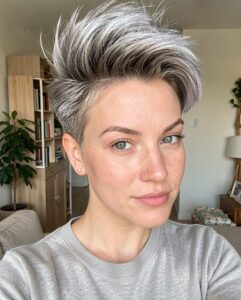
Tell your stylist how much time you actually spend on your hair each morning. A high-maintenance blowout is pointless if you have ten minutes before work. Try different straight styles on your own photo using the AI try-on tool before committing.
Editor's Picks
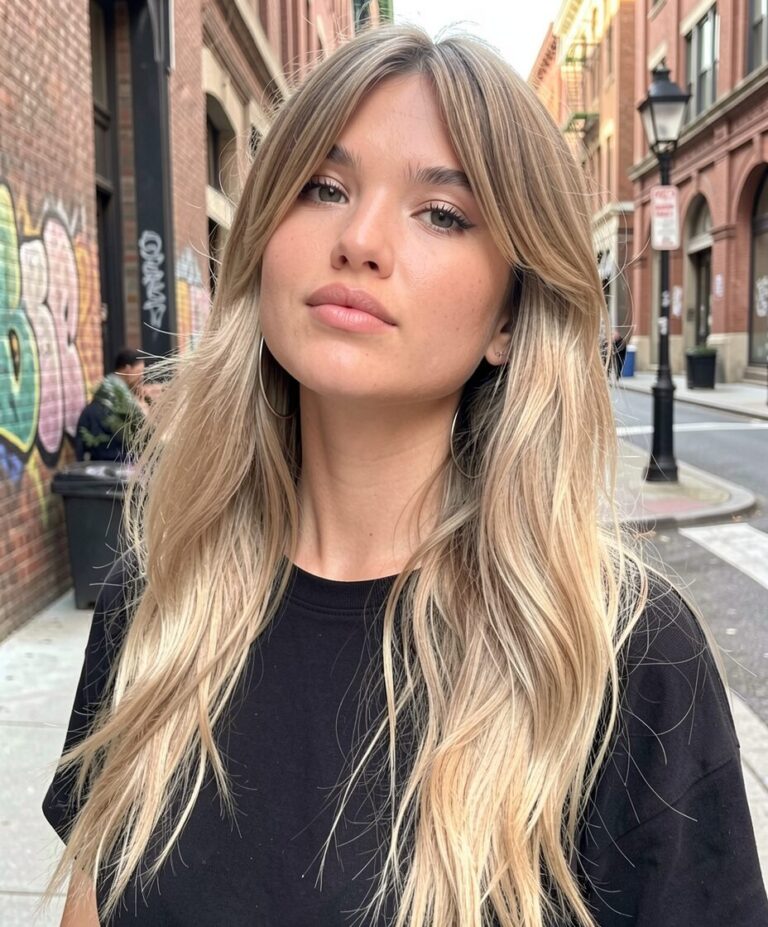
Curtain Bangs Hairstyles on Long and Short Hair
The most requested bang style in salons right now. This guide covers how curtain bangs work on different hair lengths and face shapes, with practical advice on growing them out gracefully.

Collarbone Length Haircuts
Hits the sweet spot between short and long. This length works across nearly all hair densities and is the easiest straight style to maintain with minimal salon visits.

35 Feathered Hair Styles
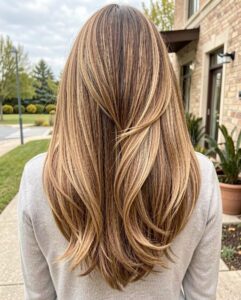
Feathered layers are one of the best techniques for adding movement and volume to straight hair without losing length. This collection covers modern interpretations of the classic technique.






Frequently Asked Questions
How do I keep straight hair from going flat and limp by mid-afternoon?
The biggest mistake is applying heavy conditioner to your roots. Only condition from mid-length to ends. Apply a volumizing mousse like Kenra Volume Mousse or a root-lifting spray to damp roots before blow-drying, and direct the airflow at your roots while lifting sections upward with a round brush. Flip your head upside down for the last 2 minutes of drying to set lift at the crown. A light-hold texturizing spray after styling gives grip without weight. The best trick most people miss: apply dry shampoo at the roots before bed, not after hair has already gone flat.
How long does a keratin treatment last on straight hair and is it worth the cost?
A professional keratin treatment typically lasts 3 to 4 months, depending on wash frequency and shampoo type. Expect to pay $250 to $400 at a salon, with the appointment running 2 to 3 hours including blow-drying and flat-ironing the treatment in at 450 degrees. It eliminates frizz, cuts daily blow-dry time in half, and makes hair feel noticeably smoother and silkier to the touch. You must use a sulfate-free shampoo afterward or you will strip the treatment out within 3 to 4 weeks. Avoid washing for 72 hours after the appointment.
What is the best haircut for thin, straight hair that lacks volume?
A chin-length blunt bob or a collarbone-length cut with subtle internal layers gives thin straight hair the most body. Avoid going past your shoulders because extra length pulls thin hair down and makes it look flat and sparse. Face-framing layers starting at the cheekbones add movement without sacrificing density. Ask for blunt ends rather than razor-cut ends; razor cutting on very fine hair can make tips look wispy and see-through instead of full. A slight A-line shape, shorter in back and angling 1 to 2 inches longer in front, creates visual thickness.
Can I get straight hairstyles to hold curls or waves for an event?
Yes, but straight hair resists curl, so prep is everything. On clean, fully dry hair, apply a medium-hold mousse and let it dry completely. Use a 1-inch barrel curling iron set to 380 degrees Fahrenheit. Curl each 1-inch section, hold for 8 to 10 seconds, then pin the curl against your head with a duckbill clip while it cools completely. Do not touch the curls for at least 20 minutes. Once cool, unpin all sections, flip your head upside down, shake gently, and set everything with a flexible-hold hairspray, spraying from 10 inches away.
How often should I trim straight hair to keep it looking sharp?
Blunt cuts on straight hair need trimming every 6 to 8 weeks because the clean line shows damage, split ends, and uneven growth immediately. Layered or textured straight hairstyles can stretch to 8 to 10 weeks before losing their shape. If you see split ends traveling up the shaft or your ends start looking thin and scraggly, you have waited too long. Ask your stylist for a dusting, removing just one-eighth of an inch, if you are growing your hair out but still want to maintain the shape.
What are some cute hairstyles for straight hair?
A sleek low ponytail with a center part looks polished with almost no effort. Wrap a small section of hair around the elastic to hide it and secure with a bobby pin underneath. Bubble ponytails, made by placing elastics every 2 to 3 inches down a ponytail and gently pulling each section wider, add dimension to flat straight hair. A deep side part with one side tucked behind the ear and the other side sweeping across the forehead creates an instantly different silhouette. Two French braids work on straight hair if you use texturizing spray first for grip.
Are braids a protective hairstyle for straight hair?
Braids protect straight hair from mechanical damage like friction against clothing collars, wind tangling, and heat tool overuse. A loose French braid or two Dutch braids overnight prevent breakage from tossing and turning on cotton pillowcases. However, braids worn too tight or in the same position repeatedly cause traction damage at the part line and hairline, regardless of hair texture. For actual hair protection on straight hair, the biggest gains come from reducing heat styling, not from the braid itself. Braid with a satin or silk scrunchie at the end rather than a rubber elastic to avoid snapping off ends.
How do you keep straight hair smooth overnight without restyling in the morning?
Wrap your hair in a loose, low bun or a single braid at the nape before bed, secured with a silk scrunchie. Sleep on a satin or silk pillowcase, which reduces friction that causes frizz and tangles. Avoid terry cloth towels and cotton pillowcases that roughen the hair cuticle. In the morning, unravel the braid and smooth any creases with 2 to 3 passes of a flat iron at 320 degrees.
What are protective hairstyles for straight hair?
Low buns, loose braids, and claw clip twists are the best protective straight hairstyles because they minimize exposure to friction, sun, and wind. A loose French braid keeps ends tucked away from rubbing against jacket collars, which is a top cause of split ends. Silk-lined caps or bonnets protect hair overnight. Unlike textured hair, straight hair rarely needs elaborate protective styles; the priority is reducing heat damage and mechanical breakage. Limit flat iron use to twice per week at most, always at 340 to 380 degrees with a heat protectant spray.
How do you get the flow hairstyle with straight hair?
The flow hairstyle requires growing the top and sides to at least 4 to 5 inches so hair sweeps back naturally from the forehead and tucks behind or over the ears. Blow-dry damp hair backward and slightly to one side using a medium round brush, directing the nozzle from front to back to train the direction. Apply a light-hold cream or matte paste, working it through with your fingers to shape the sweep. The awkward growing-out phase lasts 2 to 3 months; wear a headband or push hair back with a water-based pomade during that time.