Hairstyles with Bangs
Bangs can completely reshape how your face reads without touching a single strand behind your ears.

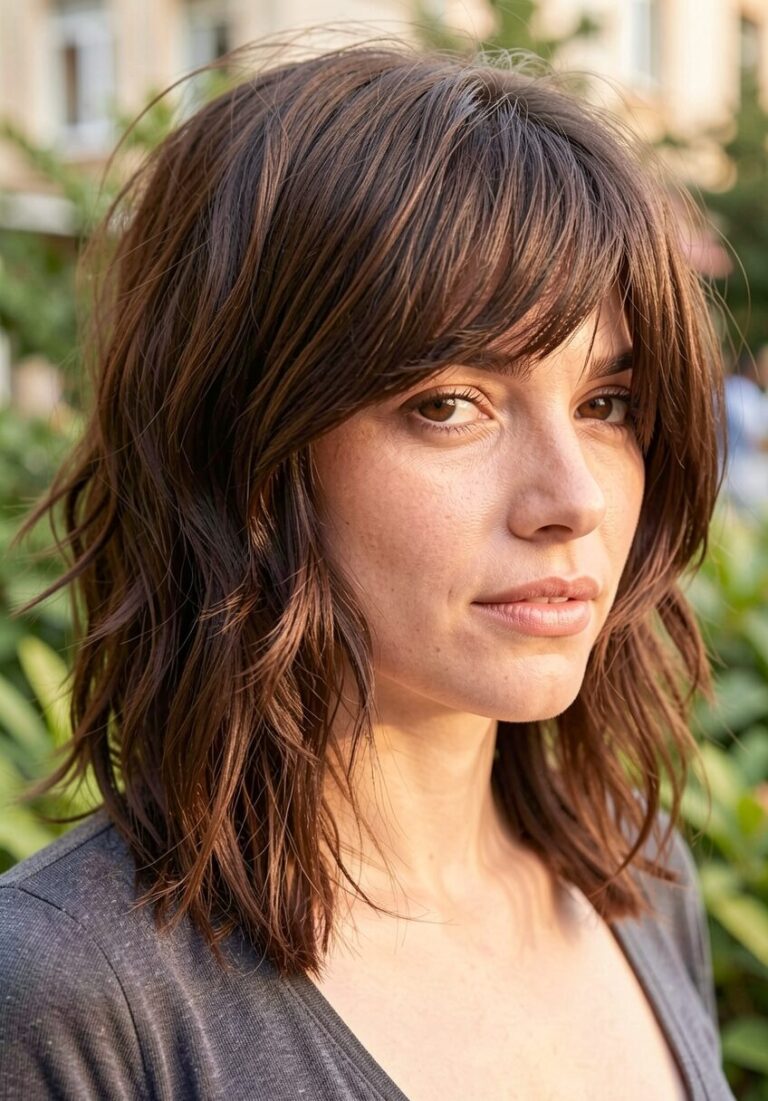
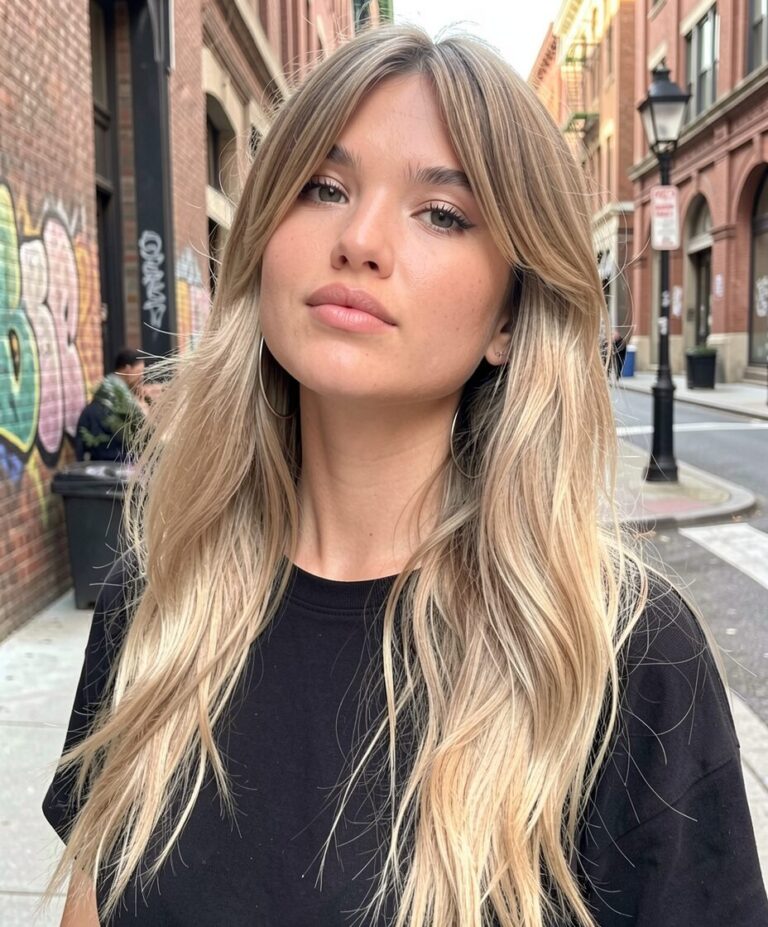


Bangs can completely reshape how your face reads without touching a single strand behind your ears. They frame your eyes, shorten a long forehead, soften strong features, and give any hairstyle a point of view. But here's the thing about bangs: they're the most high-maintenance part of any haircut. They grow into your eyes every 3-4 weeks, they show oil faster than the rest of your hair, and they require their own mini-styling routine every morning. If you're not ready for that commitment, clip-in bangs let you test the waters.
Styles for Every Face
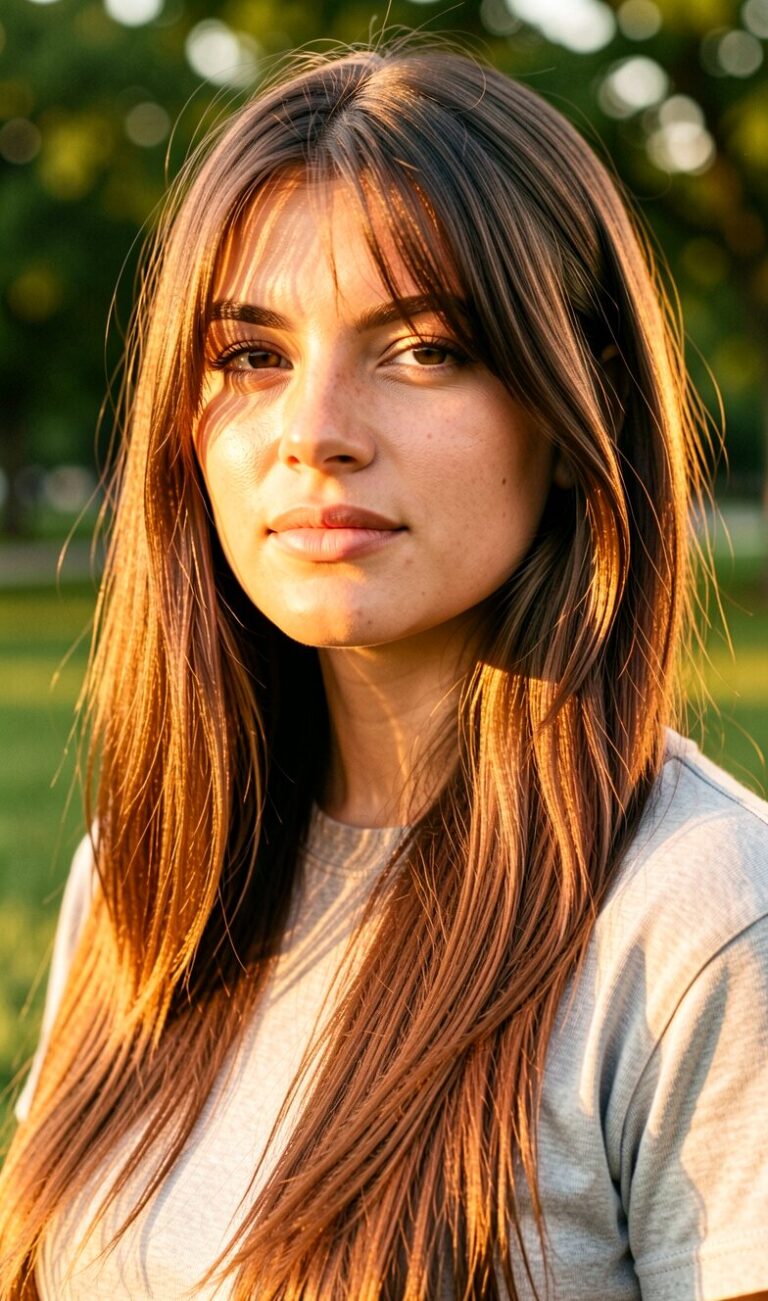
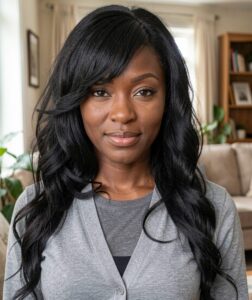
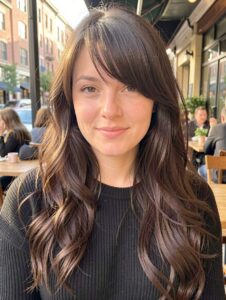
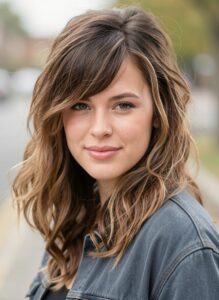
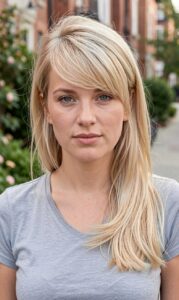
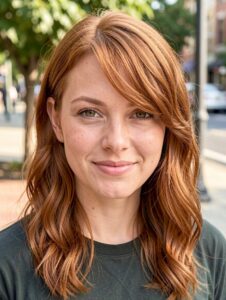
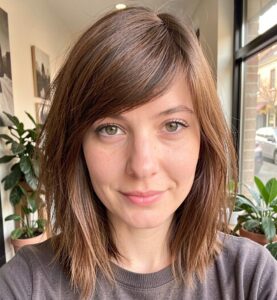
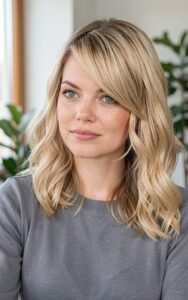
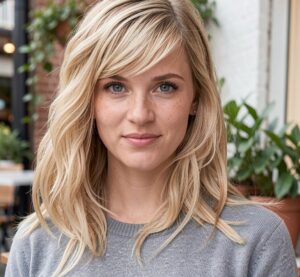
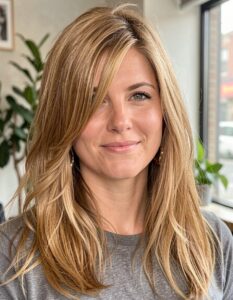
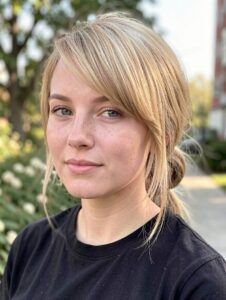
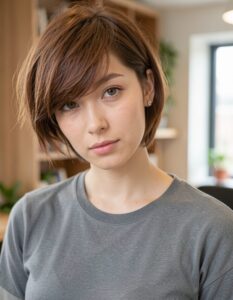
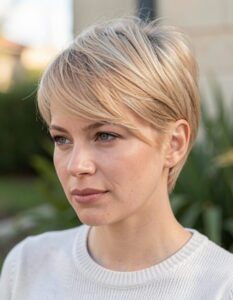
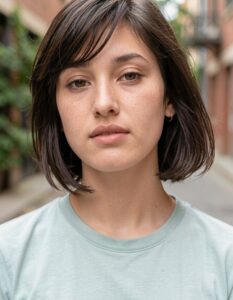
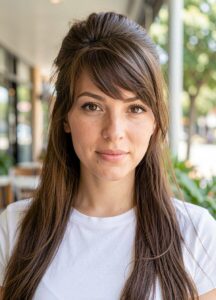
Curtain bangs are the easiest entry point - they split down the middle, frame the face on both sides, and grow out gracefully when you're done with them. They work on literally every face shape because the parting adapts to your features. Blunt bangs are the statement choice: a clean horizontal line across your forehead that screams intentional. They suit oval and oblong faces best and look incredible on straight, thick hair. Wispy bangs are thinner, more transparent, and work well on fine hair that can't support the weight of a full blunt bang. Side-swept bangs angle across the forehead for an asymmetrical look that adds movement and suits round and square faces.
The face shape conversation is unavoidable with bangs. Round faces benefit from side-swept or curtain bangs that add vertical lines. Square jaws soften with wispy or textured bangs that break up the horizontal line of the jaw. Heart-shaped faces (wide forehead, narrow chin) were basically designed for bangs - they balance the proportions by covering the widest part. Oval faces can wear any bang style without risk.
The Upkeep Reality
Maintenance is the make-or-break factor. Bangs need trimming every 2-4 weeks - some people learn to do this at home with a pair of sharp shears (cut vertically, never horizontally, or you get a shelf). Daily styling usually means 2 minutes with a round brush and blow dryer, or a quick pass with a flat iron. Dry shampoo is your daily companion because forehead oils hit your bangs first. If you work out frequently, the sweat factor with bangs is real - headbands help during exercise, and a dry shampoo refresh after is essential. The trade-off is worth it for most people: bangs genuinely take years off your appearance and add personality to even the simplest haircut.
Editor's Picks
Curtain Bangs Hairstyles on Long and Short Hair
Curtain bangs are the most requested fringe style in salons right now. This post shows how they work across every hair length, making it the most versatile reference for anyone considering bangs.

Bangs and Glasses Hairstyles
A specific, practical problem that millions of people search for. This post addresses the real styling challenge of pairing fringe with frames.

Wispy Bangs Styles
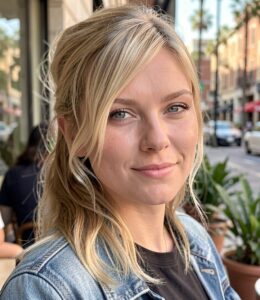
Wispy bangs are the lowest-commitment entry point into fringe and the easiest to grow out. Ideal recommendation for bang-curious readers who are not ready for a full blunt cut.



















Frequently Asked Questions
How long does it take to grow out bangs if I don't like them?
From standard brow-skimming blunt bangs to fully blended into the rest of your hair takes 4-6 months, since hair grows about half an inch per month. The worst phase hits around month 2-3 when the fringe hangs in your eyes but won't tuck behind your ears. Survival tools for the awkward stage: wide headbands, bobby pins angled back at the temple, and clipping the growing fringe into a small braid along your part line. Curtain bangs grow out the most gracefully because they already have a center part and blended edges. Side-swept bangs are second-easiest.
Can curly hair have bangs?
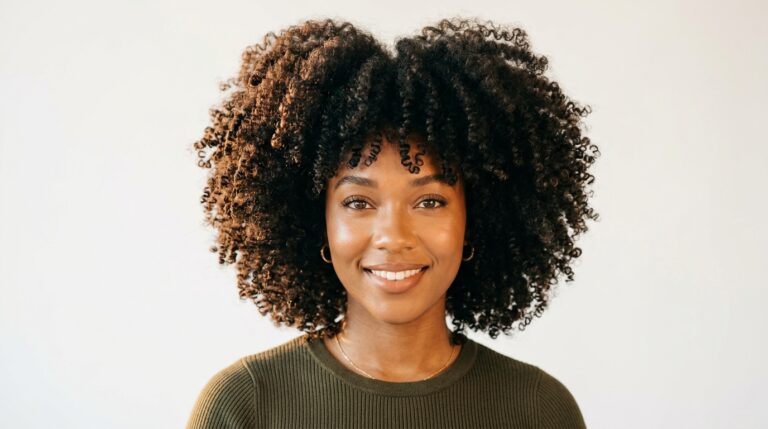
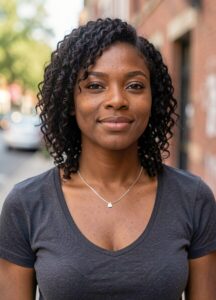
Curly hair takes bangs well, but the cutting technique is completely different from straight-hair bangs. A stylist experienced with curls will cut the fringe dry, after styling, and leave it at least 1-1.5 inches longer than the desired final position because curls spring up 25-40% when they dry. Curly bangs hairstyles look best as curtain bangs or shaggy, layered fringe rather than blunt straight-across cuts. Avoid thinning shears on curly fringe — they create wispy ends that frizz. Style curly bangs by scrunching with a curl cream and diffusing on low heat.
Why do my bangs get greasy so fast?
Your forehead has a higher density of sebaceous glands than any other part of your scalp, and bangs sit against that oily skin all day, absorbing sebum within hours. The fix is targeted maintenance: keep a travel-size dry shampoo (Batiste or Living Proof) for midday touch-ups, blot your forehead with oil-absorbing sheets every few hours, and rinse just your bangs at the sink on non-wash days — takes 30 seconds. Clip your bangs back while sleeping to reduce overnight oil transfer. A mattifying styling powder like Got2b or Schwarzkopf at the roots adds 3-4 hours of freshness.
Should I cut my own bangs at home?
Get the initial cut at a salon — a professional shapes the angle, density, and layering for your face shape and hair texture, which takes experience to get right ($15-$25 for a bang trim). For maintenance trims every 2-3 weeks between salon visits, you can carefully trim dry bangs at home using point-cutting: hold the scissors vertically and snip tiny amounts at the very tips rather than cutting straight across. Never cut bangs wet — they shrink 1/4 to 1/2 inch when dry and you'll end up shorter than intended.
Which bangs work best with glasses?
Curtain bangs are the top choice because they part at the center and sweep to the sides, staying completely clear of the top of your frames. Side-swept bangs angled away from the bridge also work well and keep one eye fully visible. Avoid very thick, heavy blunt bangs with large-frame glasses — the combination covers too much of your face and makes features look crowded. Wispy, textured bangs with piece-y ends give the lightest look with any frame style. If you wear thick-rimmed frames, ask your stylist to thin the bang section by 30-40% so light passes through.
What are the different types of bangs hairstyles?
There are seven main types: (1) Blunt bangs — cut straight across, thick, from ear to ear. (2) Curtain bangs — parted in the center, shorter in the middle, longer at the temples. (3) Side-swept bangs — angled across the forehead in one direction. (4) Wispy bangs — thin, piece-y, and see-through. (5) Micro bangs — cut well above the eyebrows for a bold look. (6) Bottleneck bangs — shortest at the center, flaring wide past the cheekbones like a bottleneck shape. (7) Shaggy bangs — heavily layered and textured, blending into a layered cut.
What is a side bang hairstyle and how is it styled?
Side bangs are cut at an angle from a deep side part so the fringe sweeps diagonally across the forehead. The shortest pieces typically sit at brow level, and the longest reach the cheekbone. To style: blow-dry damp bangs in the direction you want them to fall using a small round brush, applying tension as you direct the airflow from root to tip. Finish with a light-hold hairspray to prevent them from flopping back to center. Side bangs flatter oval, heart, and long face shapes by breaking the symmetry and drawing attention to the eyes.
How do I style a bun with bangs?
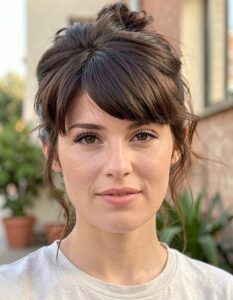
Start by styling your bangs first — blow-dry them into place with a round brush while the rest of your hair is still clipped up. For a sleek low bun: gather hair at the nape, twist into a coil, secure with U-pins and bobby pins, and smooth flyaways with a small amount of pomade. For a messy high bun: flip your head upside down, gather at the crown, twist loosely, wrap, and pin. Leave a few face-framing pieces loose alongside the bangs for softness.
How do I hide my bangs when I want them out of my face?
Five reliable methods depending on bang length: (1) Bobby pin twist — twist the bangs to one side and pin behind the ear with 2-3 pins. Works at any length. (2) Headband — a wide fabric headband pushes bangs straight back and holds all day. (3) Braided back — once bangs reach nose-length, french braid them along your hairline into the rest of your hair. (4) Pompadour pin-back — tease the roots slightly, push bangs backward, and pin at the crown for volume. (5) Slicked back — apply gel or pomade, comb bangs straight back, and let them dry flat.