How To Use Flexi Rods on Natural Hair
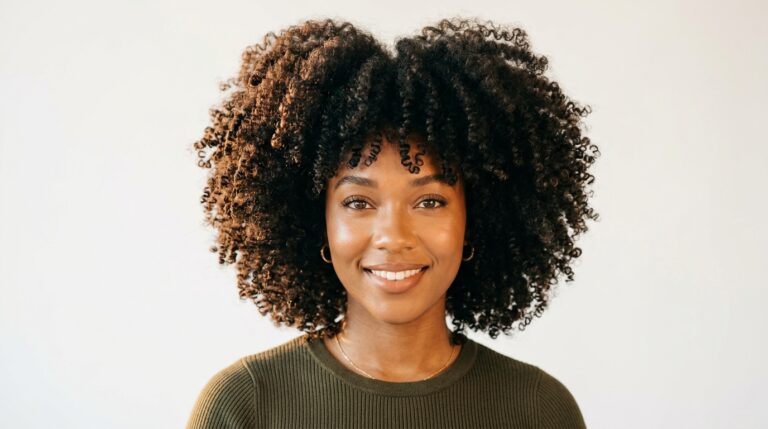
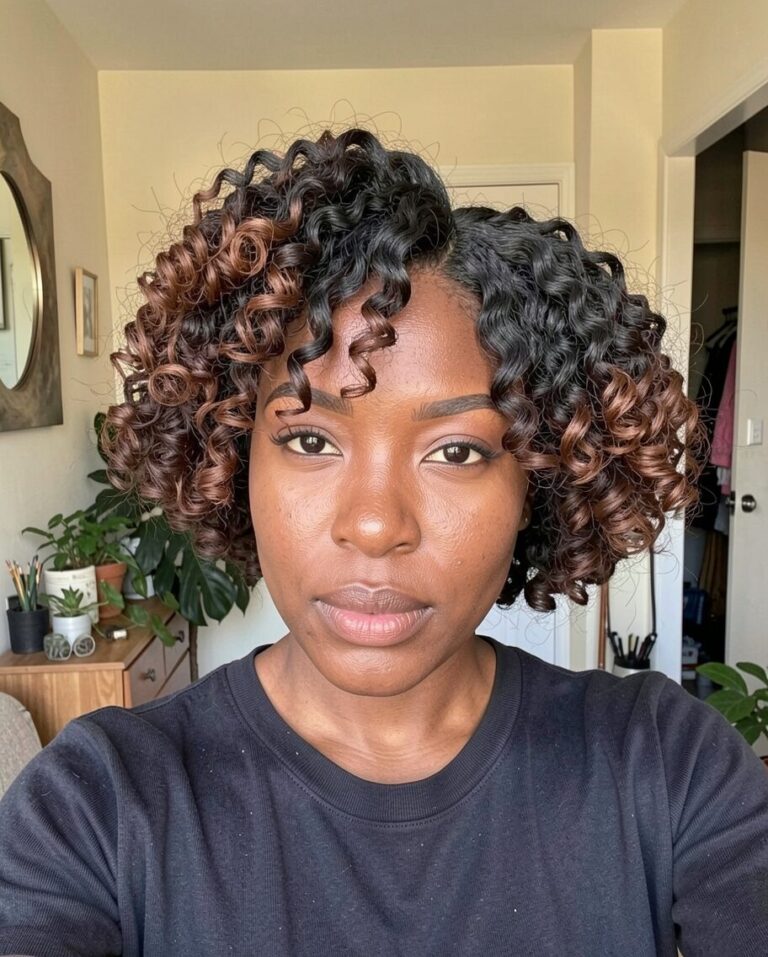
Flexible curling rods or flexi rods are a styling tool used to enhance or create…
Hair color can completely reinvent how you look without changing a single strand of your cut.
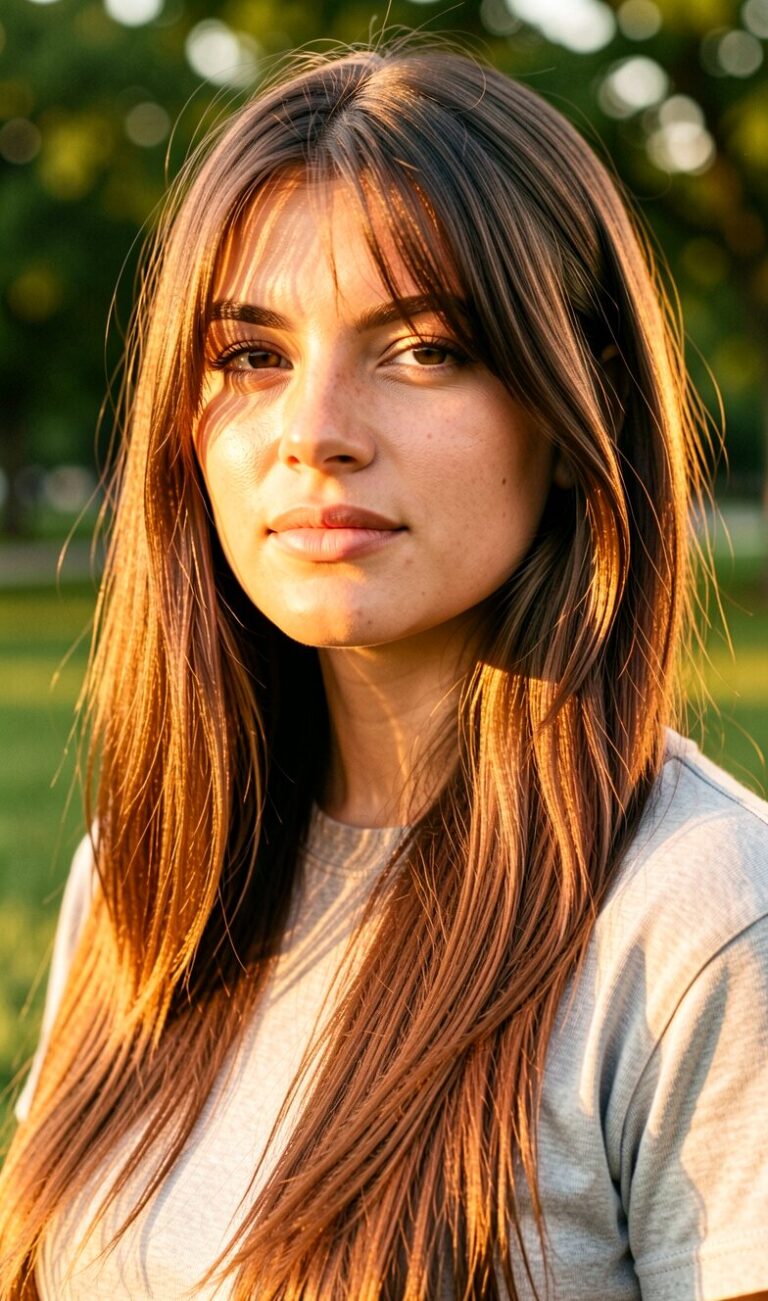
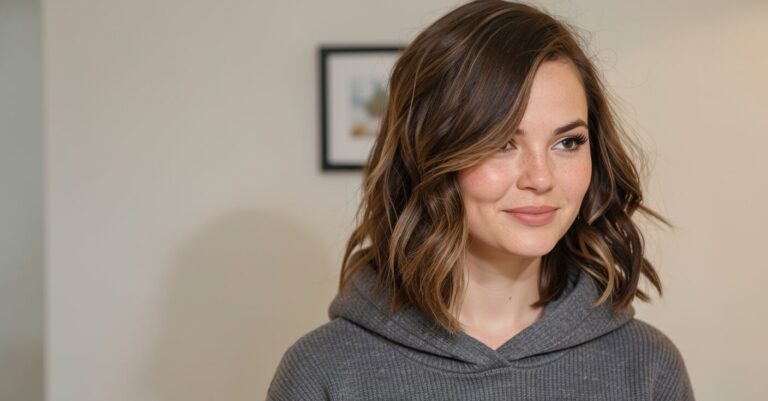
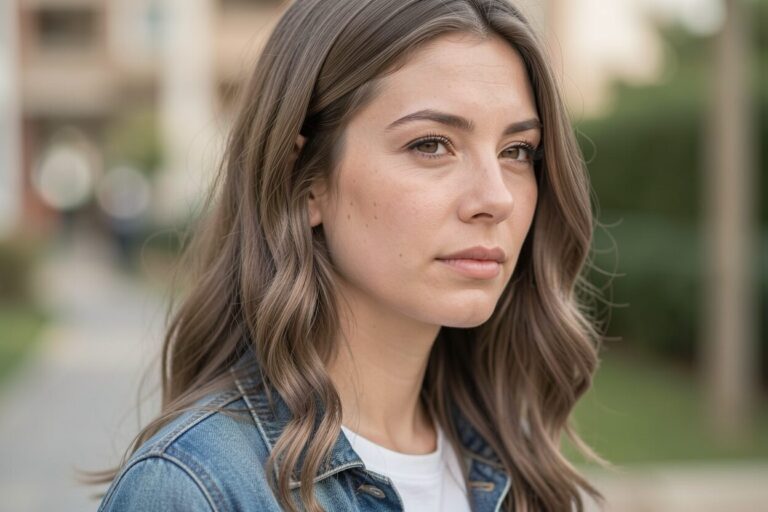
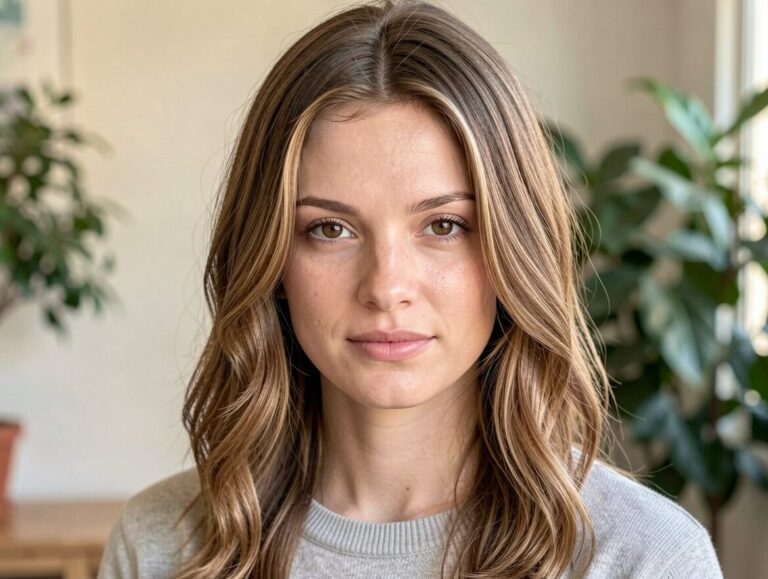
Start with a subcategory below. Each section groups styles with similar maintenance, length behavior, and finish so you can compare quickly.
Blonde hair is the most requested color change in salons worldwide, and it's also the most complex to execute well.
Highlights are the most versatile color technique in any salon's toolkit.
Ombre is the color technique that solved the root touch-up problem.
Brown hair is the most common natural hair color in the world, which means it runs an enormous spectrum from nearly-black espresso…
Red hair sits in a category of its own.
Hair color can completely reinvent how you look without changing a single strand of your cut. Whether you're going for a subtle enhancement or a dramatic transformation, the technique matters as much as the shade. The wrong application method on the right color still ends in disaster.
The three major coloring techniques you'll encounter: full (all-over) color, highlights/lowlights, and balayage/ombre. Full color gives you uniform coverage and is ideal for going darker, covering grays, or making a dramatic single-shade shift. Highlights weave lighter strands throughout your hair for dimension. Balayage is the hand-painted technique that creates those sun-kissed, "I just came back from vacation" gradients. Ombre is similar but with a more defined transition line between your root color and the lighter ends.
Blondes run a massive spectrum. Platinum and icy blondes are high-maintenance but head-turning - expect salon visits every 4-6 weeks and a serious hair care routine to prevent brassiness. Warm honey and buttery blondes are more forgiving and suit a wider range of skin tones. Strawberry blonde sits at the intersection of red and blonde and is surprisingly versatile. If you're going blonde from dark hair, be patient - it's a multi-session process. Rushing it fries your hair.
Brown is the most underrated color family. Rich chocolate, warm caramel, cool ash brown, and deep espresso all live here, each creating a completely different vibe. Brown hair is lower maintenance than blonde, more office-friendly than fashion colors, and takes to highlights and lowlights beautifully. Red shades range from subtle auburn to fiery copper to deep burgundy. Reds are notoriously hard to maintain because the pigment molecules are larger and wash out faster. Invest in color-safe products and cold water rinses if you go red.
Your skin's undertone determines which colors will look natural versus jarring. Warm undertones (gold or olive skin) pair with warm shades: golden blonde, copper red, warm brown. Cool undertones (pink or blue skin) suit ash blonde, cool brown, and burgundy reds. Neutral undertones have the most flexibility. When in doubt, a balayage that blends two to three complementary shades is the safest bet because it creates dimension without committing to a single tone that might clash.
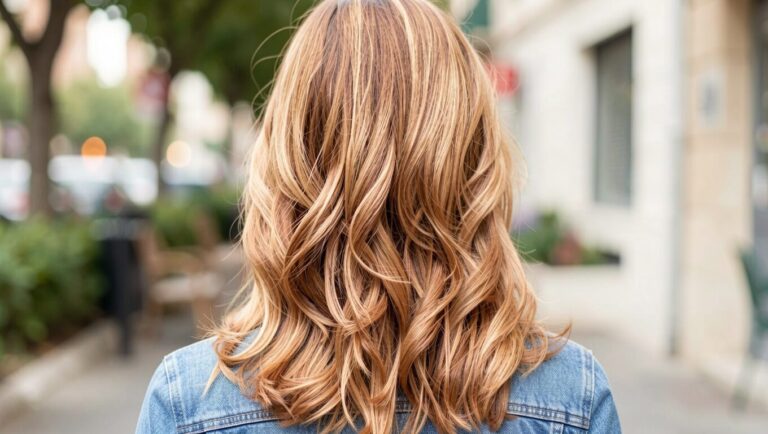
The largest balayage reference on the site with 50 real examples across different base colors, making it useful for anyone considering any form of color.
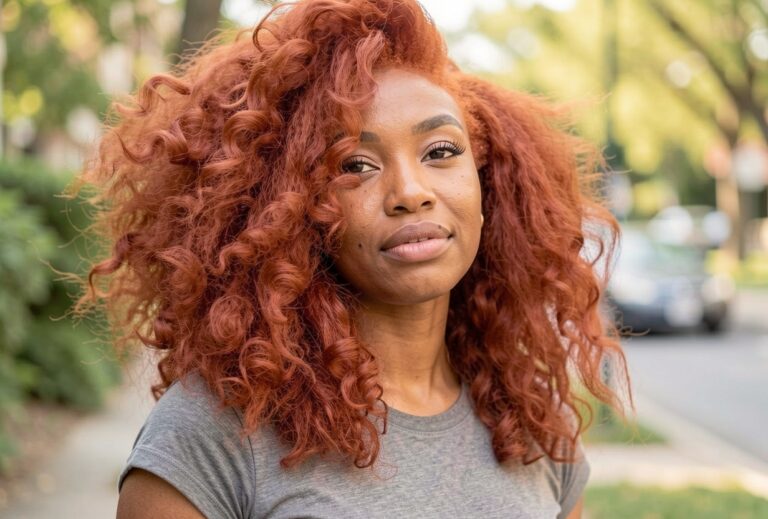
Addresses a specific need that's underserved in most color guides — matching hair color to deeper skin tones with examples that actually demonstrate the combinations.
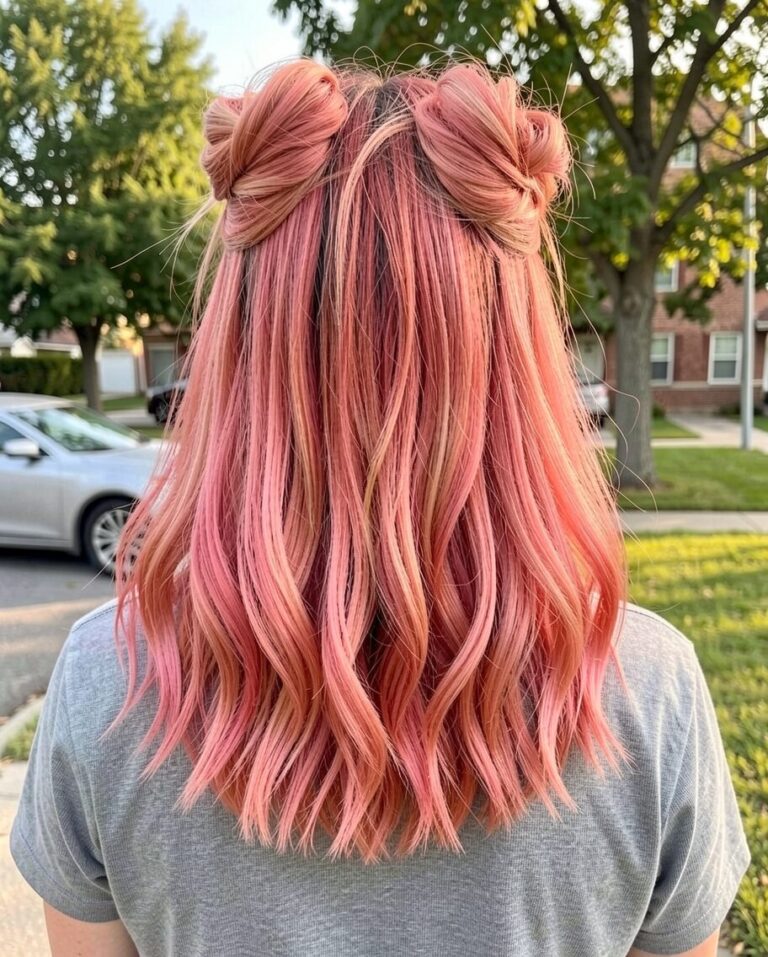
Practical product review covering the most popular semi-permanent brand with real color results, application tips, and fade timelines.
Flexible curling rods or flexi rods are a styling tool used to enhance or create…
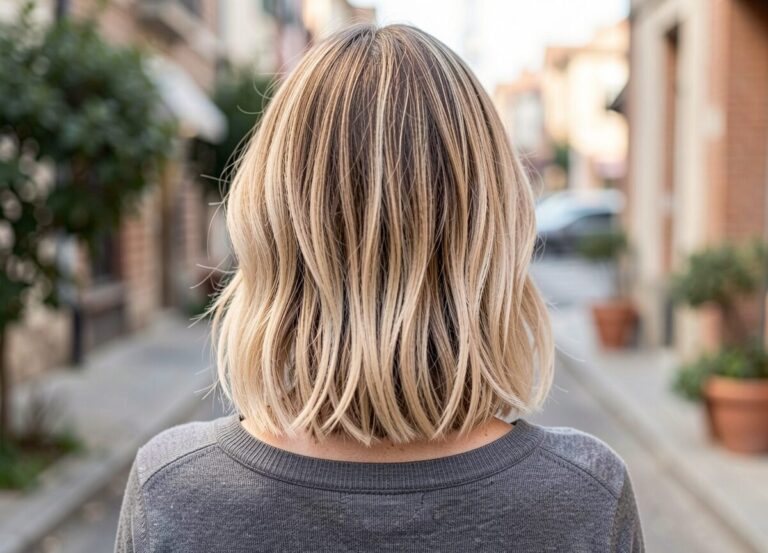
Blonde Balayage Short Hair Are you looking to brighten up your hair for the colder…
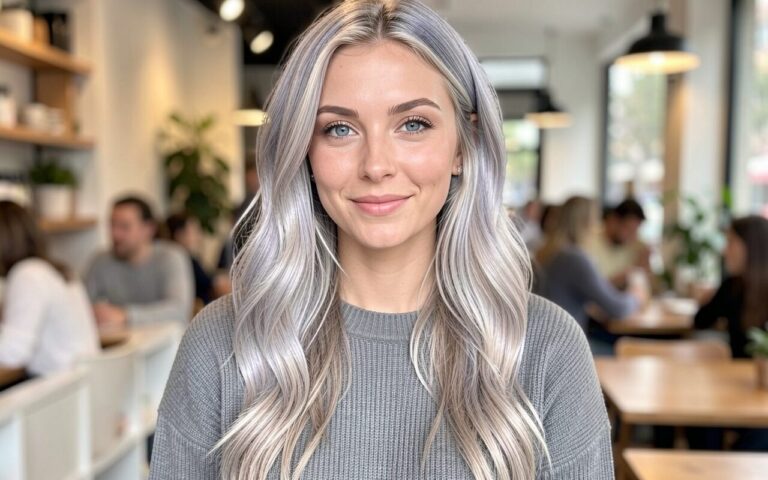
Ash Blonde Hair Colour Ideas and Looks There are lots of unconventional hair colours that…
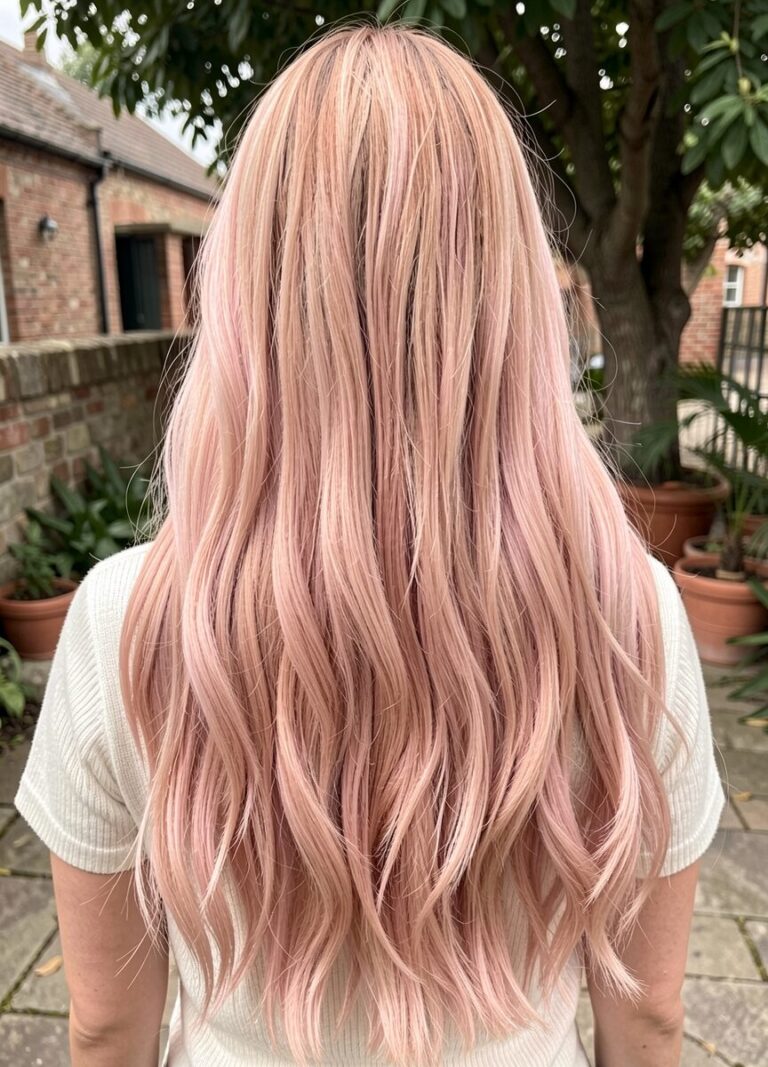
Rose Pink Hair Looks Pink hair has been a big hair colour trend for a…

35 Pink Highlight Looks With Winter fast approaching, many women are changing their hair colour…
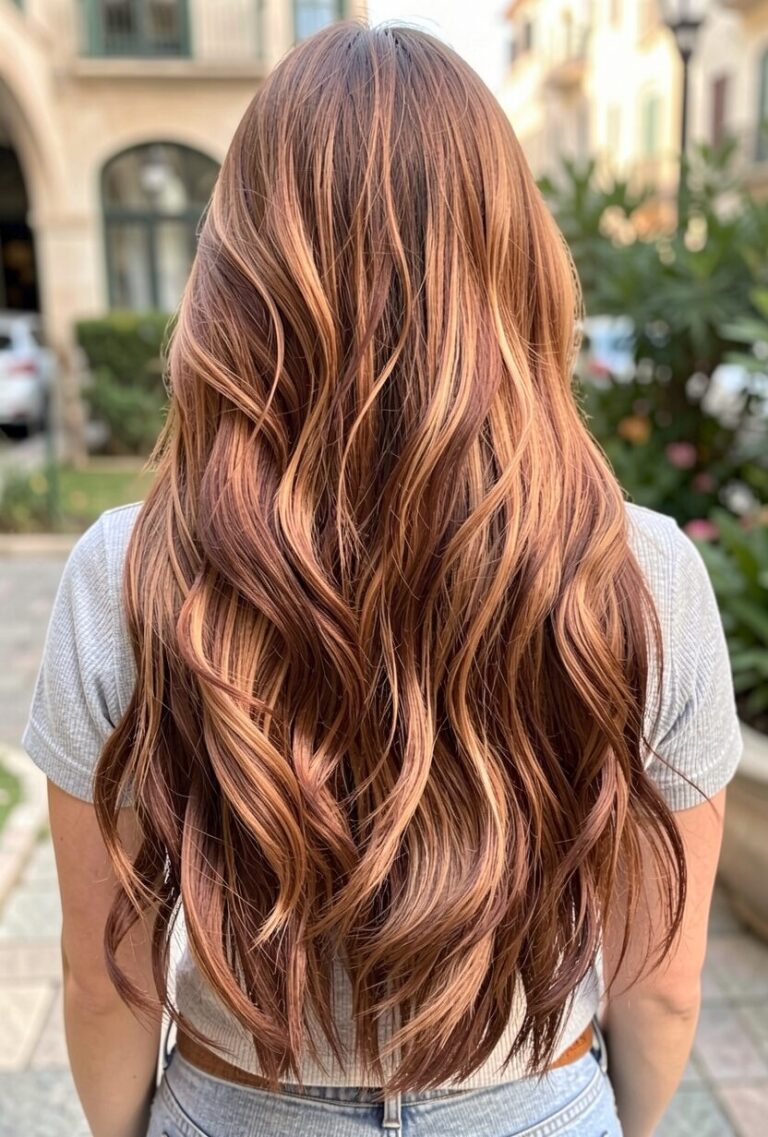
40 Awesome Balayage Red Hair Inspiration Red, and the many different shades of red, is…

Icy Blonde Hair Color Ideas If you are looking for vibrant new hair color for…
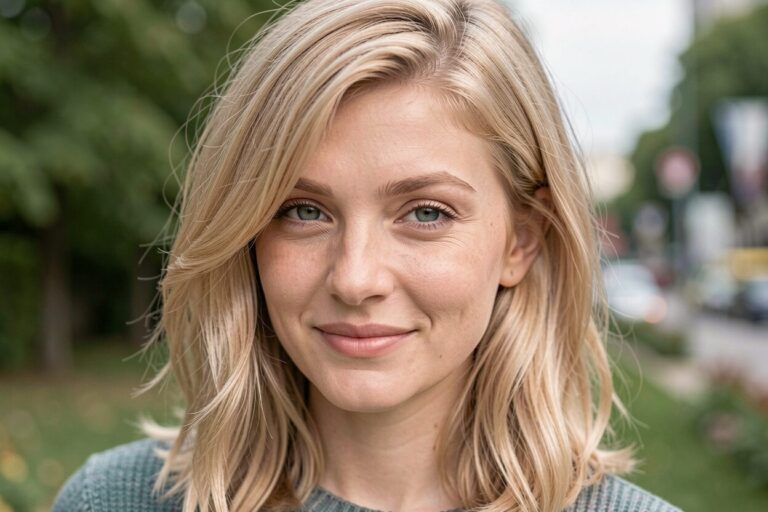
35 Rose Gold Hair Color Styles If you’re looking to wear a hair color trend that’s more…

Blue and Purple Hair Color Ideas With sunny weather coming soon, one might be seriously…

Partial Highlights Looks With Spring here and Summer following close behind (hopefully), you may be…
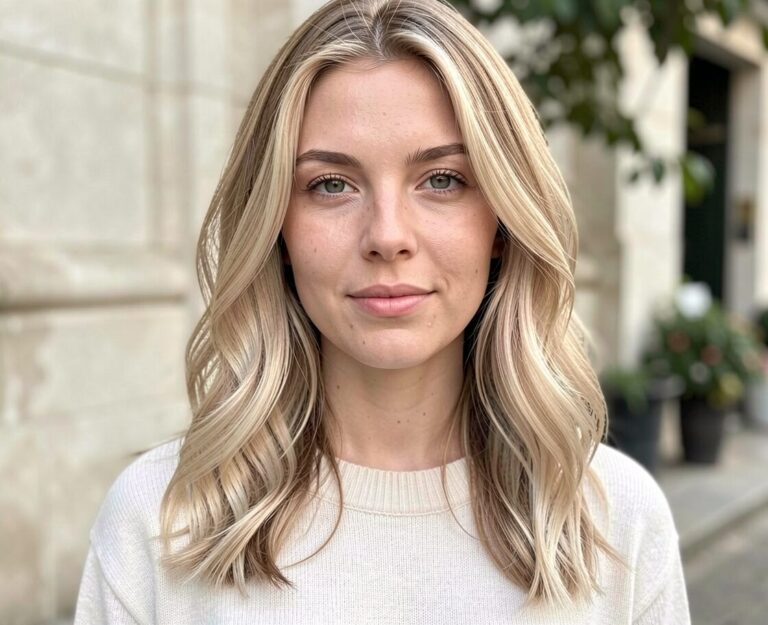
Toasted Coconut Hair Color Looks There is a new highlighting trend emerging for summer 2019,…

Lilac Hair Looks Lilac hair is the beauty trend of the moment, with many of…
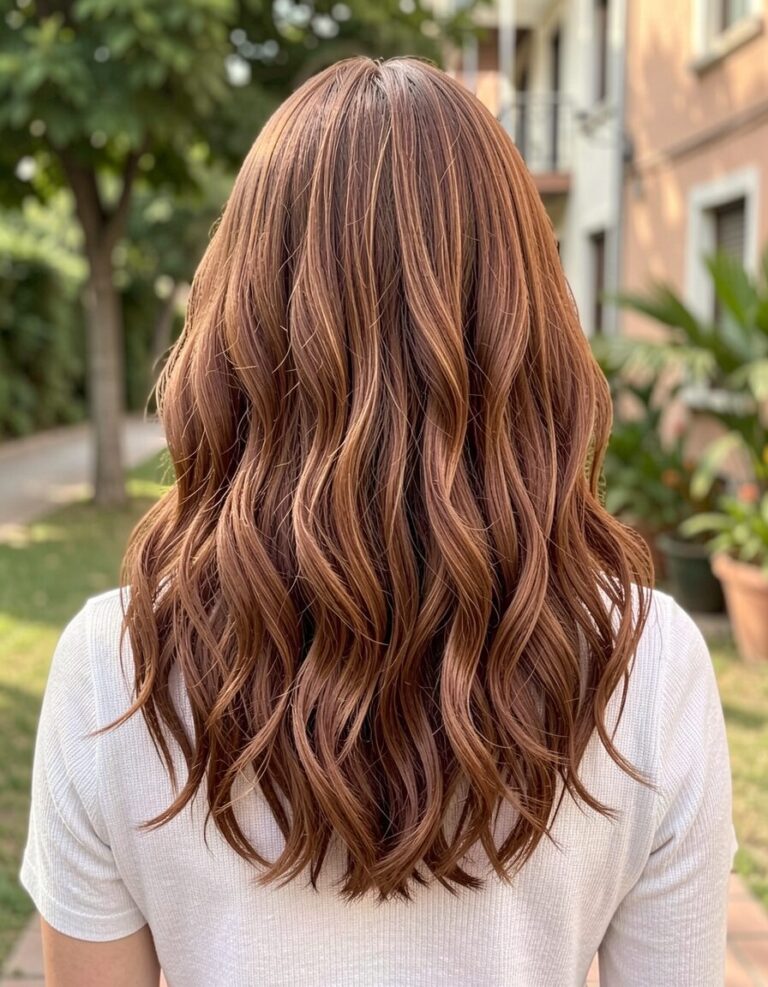
Stunning Caramel Highlights Highlights are a great way to add depth and definition to your…
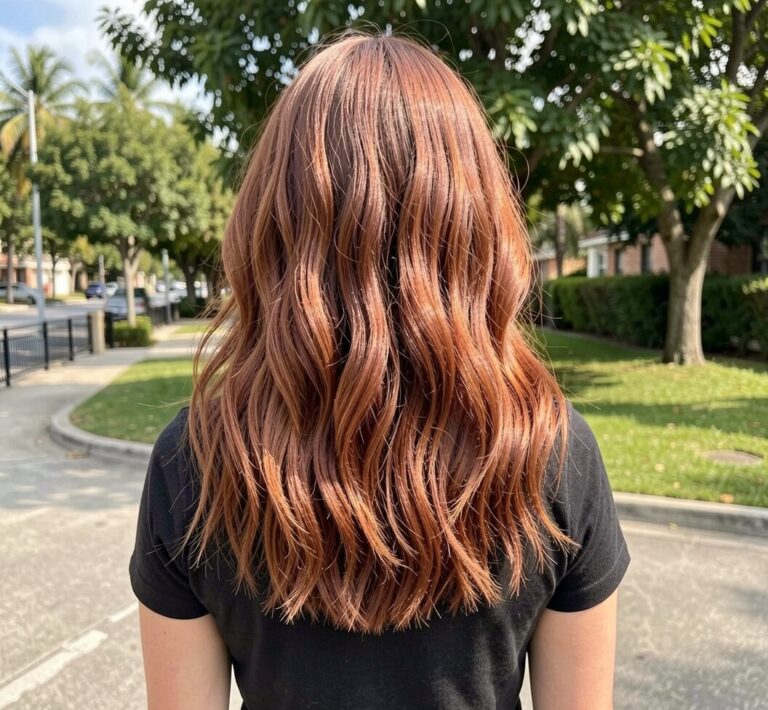
Cinnamon Hair Dye Trend Delicious and festive, the cinnamon hair trend is a great way…
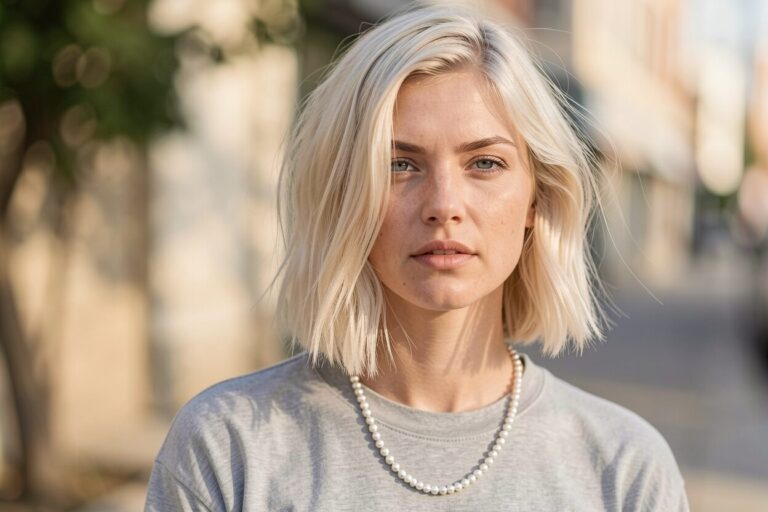
30 Platinum Blonde Shades and Styles If blondes have more fun, platinum blonde hair is the ultimate…

24 Blorange Hair Color Ideas Last year a new hair color began to dominate Instagram…
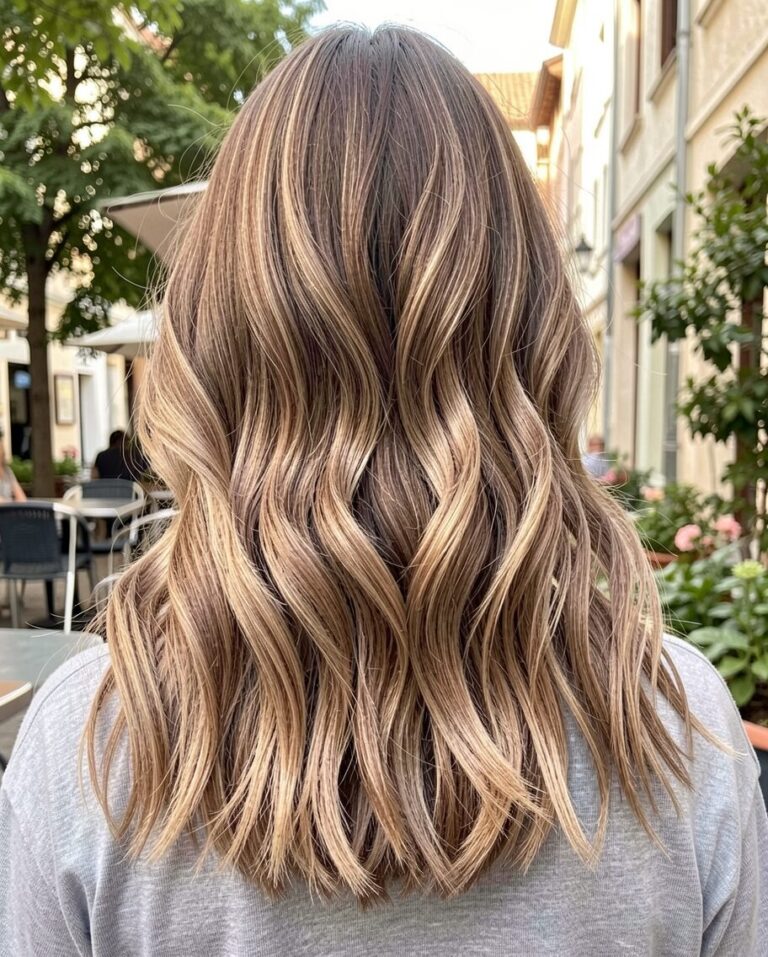
Mushroom Brown Hair Color Looks It only takes a browse on Pinterest or a quick…
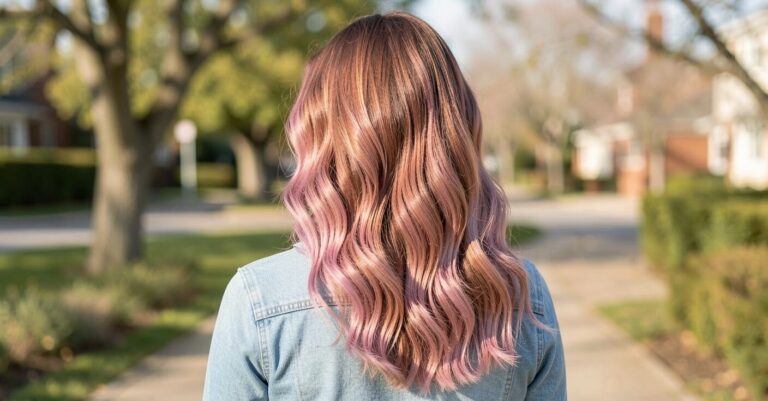
What is Color Melting? One of the latest in high-tech hair coloring techniques, color melting…

35 Sombre Hair Ideas And Looks Ombre is a great technique for adding color to…
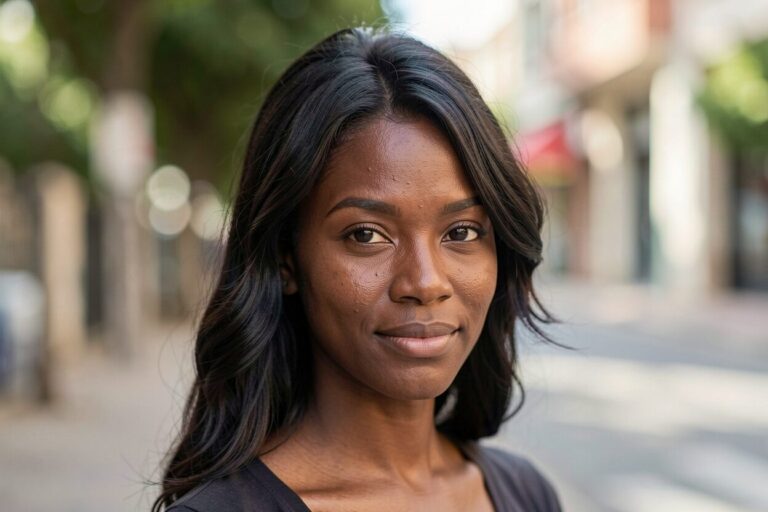
35 Dark Brown Hair Color Ideas Whether you were born with dark brown hair or…
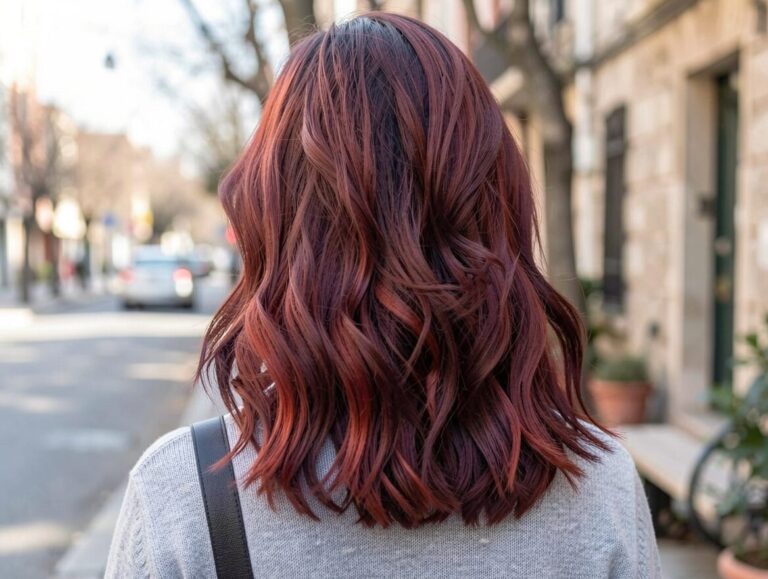
Red Highlights Less common than blonde, brown or black hair, red is a favorite choice…
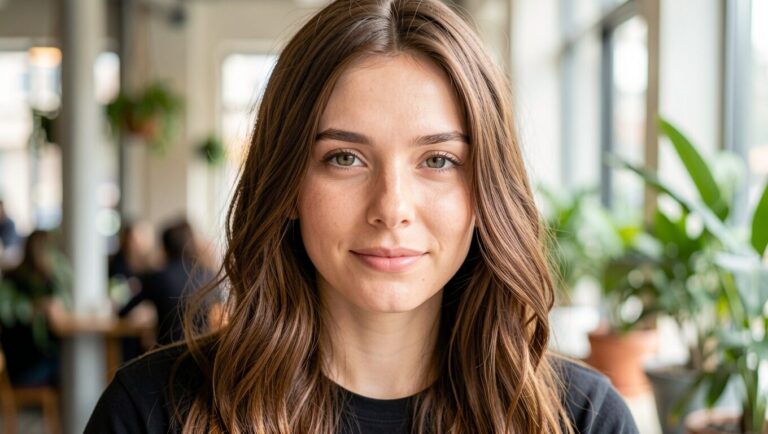
Chestnut Brown Hair Color Ideas Brown hair is far from boring, but with so many…

35 Stunning Blonde Faux Locs Looks Locs are a well-loved hairstyle that hold a lot…

Hair Chalk Reviews | How to Chalk your Hair Tutorial Crazy hair colors have been trendy…
Single-process permanent color needs root touch-ups every 4-6 weeks, costing $75-120 per visit at a salon. Balayage and highlights stretch to 8-16 weeks because the freehand placement grows out without a hard line. Semi-permanent color (like Clairol Natural Instincts or dpHUE Gloss) fades over 6-8 washes with no visible root line, so you simply reapply when the tone dulls. Grey coverage on fast-growing hair may need touch-ups every 3-4 weeks — root concealer sprays like Color Wow or Rita Hazan buy you an extra week between appointments.
Single-process color going your natural shade or darker is the safest DIY hair color idea. Use a demi-permanent formula like Madison Reed or Revlon ColorSilk for your first attempt — it fades over 28 washes without leaving a harsh grow-out line. Apply to dry, unwashed hair in thin sections using the included brush, and set a phone timer for exactly the recommended minutes. Never attempt bleach or lightening at home — uneven placement causes orange banding and breakage. For zero-commitment color, semi-permanent options like Overtone or Manic Panic deposit pigment without any developer and wash out in 8-15 shampoos.
Darker shades and colors within 2 levels of your natural hair color last longest because they deposit pigment without opening the cuticle. Permanent formulas in the brown-to-black range (levels 1-5) effectively last until they grow out — around 6-8 weeks before roots show. Reds fade fastest across all hair color categories because red pigment molecules are physically the largest and slip out of the cortex first; expect noticeable fading after 4-6 washes. Vivid fashion colors (blues, purples, pinks) lose intensity within 4-8 washes regardless of formula.
Going the same level or darker over existing color is safe and straightforward — the new pigment deposits on top without issue. Going lighter over previously colored hair is the problem: color cannot lift color, so layering lightener over old dye produces unpredictable orange or muddy tones. A colorist can apply a color remover (like Joico Color Eraser, processing for 20 minutes) or controlled bleach to strip old pigment first, costing $50-100 as an add-on.
Start with balayage or partial highlights rather than all-over bleach — you are lightening 40-60% less total hair, which preserves the majority of your hair's protein structure. Request a bond-building additive during processing: Olaplex No.1 ($25-35 add-on), K18, or Redken pH-Bonder reconnect disulfide bonds as the bleach works. Lift gradually — 2-3 levels per appointment over 2-3 sessions spaced 6-8 weeks apart, rather than forcing 6 levels in one sitting with 40-volume developer. Between appointments, use a protein treatment like Aphogee Two-Step or K18 Leave-In weekly, and keep heat tools below 350°F.
Start with a demi-permanent gloss in a shade within 2 levels of your natural color — brands like dpHUE, Kristin Ess, or Madison Reed are designed for home use with clear instructions. Glosses process in 20 minutes, deposit shine and subtle color, and fade without a visible root line over 4-6 weeks. For bold color without bleach, try Overtone conditioner-based color on your existing shade. Face-framing money pieces are a forgiving DIY project: you are only coloring 2 small sections, so mistakes are easily fixed.
Check your vein color on the inside of your wrist: blue-purple veins indicate cool undertones (ash blonde, platinum, burgundy, and espresso work best), green veins indicate warm undertones (golden blonde, copper, caramel, and chocolate brown flatter you), and mixed veins mean neutral undertones that suit almost any shade. Fair skin with cool undertones looks washed out with golden tones but sharp with ash or strawberry blonde. Medium skin with warm undertones lights up with honey, auburn, and rich copper. Dark skin with warm undertones pairs well with caramel highlights, deep auburn, or warm chestnut.
For under 30% grey, demi-permanent color blends greys without a hard root line — it fades over 28 washes, so regrowth is gradual. At 30-50% grey, permanent single-process color in a shade one level lighter than your natural provides full coverage while softening contrast at the roots. Above 50% grey, consider highlights or lowlights instead of all-over color: they blend the grey and silver into a dimensional pattern so regrowth is invisible for 8-12 weeks. Golden or warm tones tend to mask grey better than cool ash shades because the warmth neutralizes the silver.
A chocolate gloss layered over natural dark brown adds richness and mirror-like shine in a single 20-minute salon visit ($40-60). Espresso lowlights — darker pieces woven through your base — create depth without any lightener. Demi-permanent auburn or burgundy formulas deposit red-copper tones that catch light and show movement, especially in sun, without lifting your base. For a subtle shift, ask for a toning gloss in dark caramel or dark honey: the warm undertone shows only in direct light and fades naturally.
Golden tones are one of the most effective choices for grey blending. The warm yellow-gold pigment fills the porous grey strands more evenly than cool ash shades, which can turn grey hairs green or blue-tinted. A golden blonde or golden brown demi-permanent covers up to 50% grey while looking natural on warm and neutral skin tones. The warmth also softens the contrast between colored and grey regrowth, buying you an extra 1-2 weeks before roots become visible.