
Face Shape Quiz
Find your face shape in 60 seconds and discover which hairstyles flatter you most.
Here's something most people don't realize: every great haircut starts with one question — what shape is your face? It's the first thing a skilled stylist evaluates during a consultation, before they even touch your hair. Your face shape determines which cuts create balance, which angles flatter you, and which proportions to play up or tone down. Most of us have never actually been told our face shape. Once you figure it out, the guesswork disappears.
The quiz takes under a minute. Five quick questions about your facial proportions — forehead width, jawline shape, where your face is widest, how long vs. wide it is, and how prominent your cheekbones are. We score your answers against the same criteria stylists use and match you to one of seven face shapes: oval, round, square, heart, oblong, diamond, or triangle. You'll get tailored hairstyle recommendations for your specific shape. Below the quiz, we've put together a deep-dive guide covering every shape in detail, with celeb examples, styling do's and don'ts, and the pro techniques stylists use to assess face shape during consultations.
This quiz uses the proportional analysis method used by professional hairstylists. It evaluates 5 key facial measurements: forehead width relative to jawline, jawline shape and angle, the widest point of your face, face length-to-width ratio, and cheekbone prominence. Your answers are scored against established face shape criteria to determine your closest match among 7 recognized face shapes.
Which best describes your forehead?
What's the shape of your jawline?
What's the widest part of your face?
How long is your face relative to its width?
How would you describe your cheekbones?
The 7 Face Shapes Explained
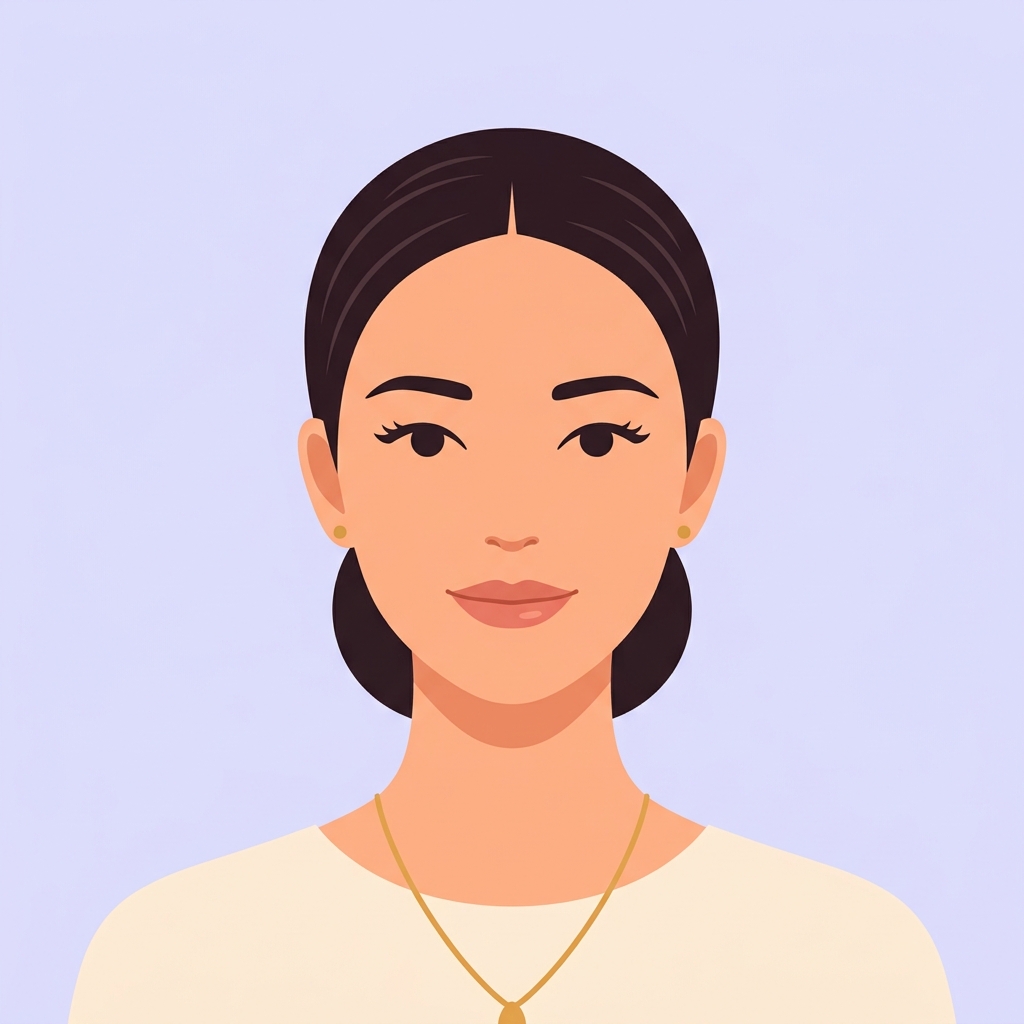
Oval
Oval is the shape stylists call "the easy one" — and for good reason. The forehead is slightly wider than the chin, the jawline curves gently, and the cheekbones sit as the widest point. Length runs about 1.5x the width. Beyonce, Jessica Alba, George Clooney — all oval. The big advantage? Almost every hairstyle works. Pixie cuts, blunt bobs, long layers, curtain bangs — go wild. That said, oval isn't "better" than other shapes. It's just the baseline stylists use as a reference point. If you've got an oval face, your real challenge is narrowing down options, not finding them. One thing to watch: avoid piling too much height on top with zero width. That can stretch your proportions and make the face look longer than it actually is.
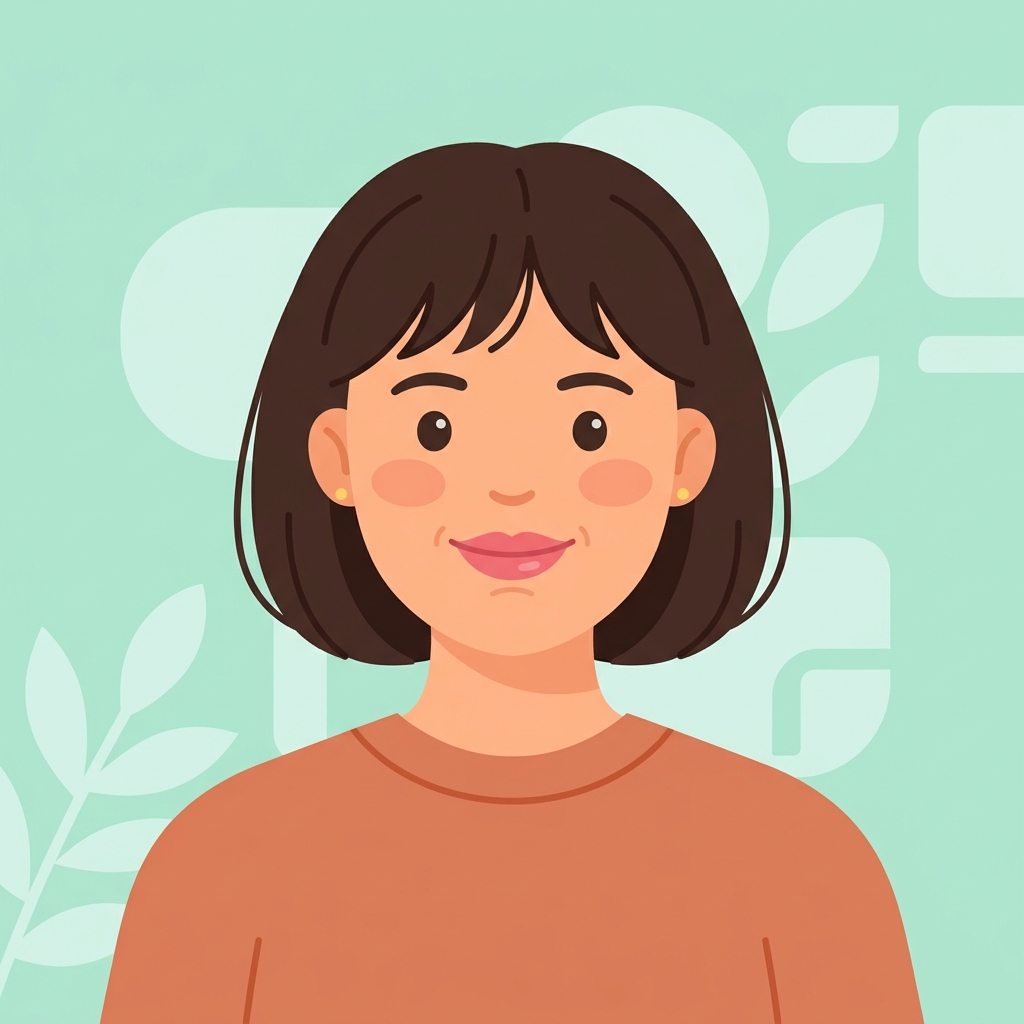
Round
If your face measures roughly the same in width and length, with soft curves instead of sharp angles — you're round. The cheekbones are the widest point, the jawline is soft rather than defined, and the forehead and jaw are close to the same width. Selena Gomez, Chrissy Teigen, Leonardo DiCaprio — all round faces, and all gorgeous. The common misconception is that round faces need to be "fixed." They don't. The goal is adding angles and vertical lines to complement those natural curves. A deep side part instantly creates asymmetry. Layers that fall below the chin draw the eye downward. Volume at the crown adds height. These aren't corrections — they're enhancements. What to skip: chin-length bobs that hit right at the widest point, and center parts that emphasize the symmetry you're trying to break up.
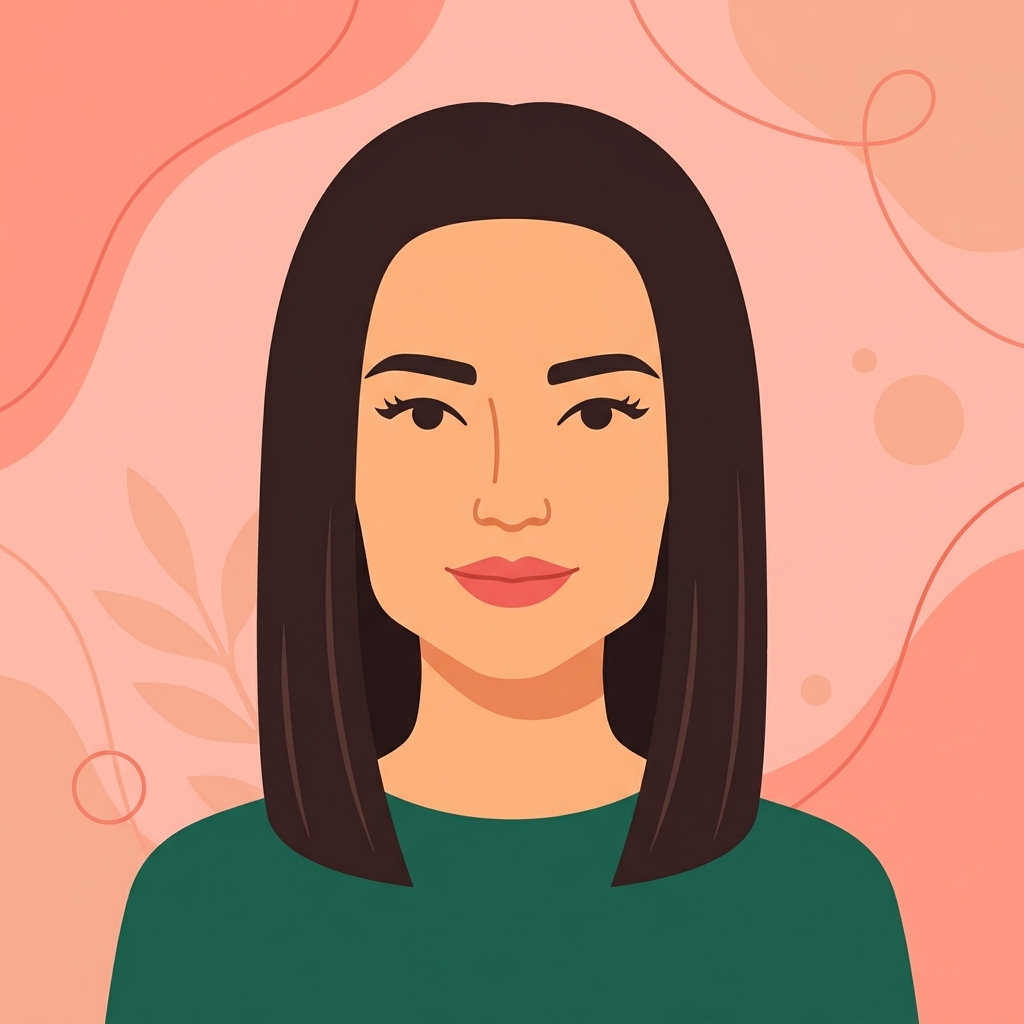
Square
That strong jawline? That's your superpower. Square faces have a jaw that's roughly the same width as the forehead and cheekbones, with defined angles that give the face a bold, structured look. Angelina Jolie, Brad Pitt, Olivia Wilde — this is the face shape that photographs like a dream. The jaw is the star here, and you don't want to hide it. The trick is softening the horizontal lines without losing that definition. Soft waves that fall past the jaw break up the strong lines beautifully. Side-swept bangs add diagonal movement. Layers around the face create softness. What to be careful with: blunt, one-length cuts at chin height can turn a strong jaw into a boxy silhouette. A little texture and movement goes a long way.
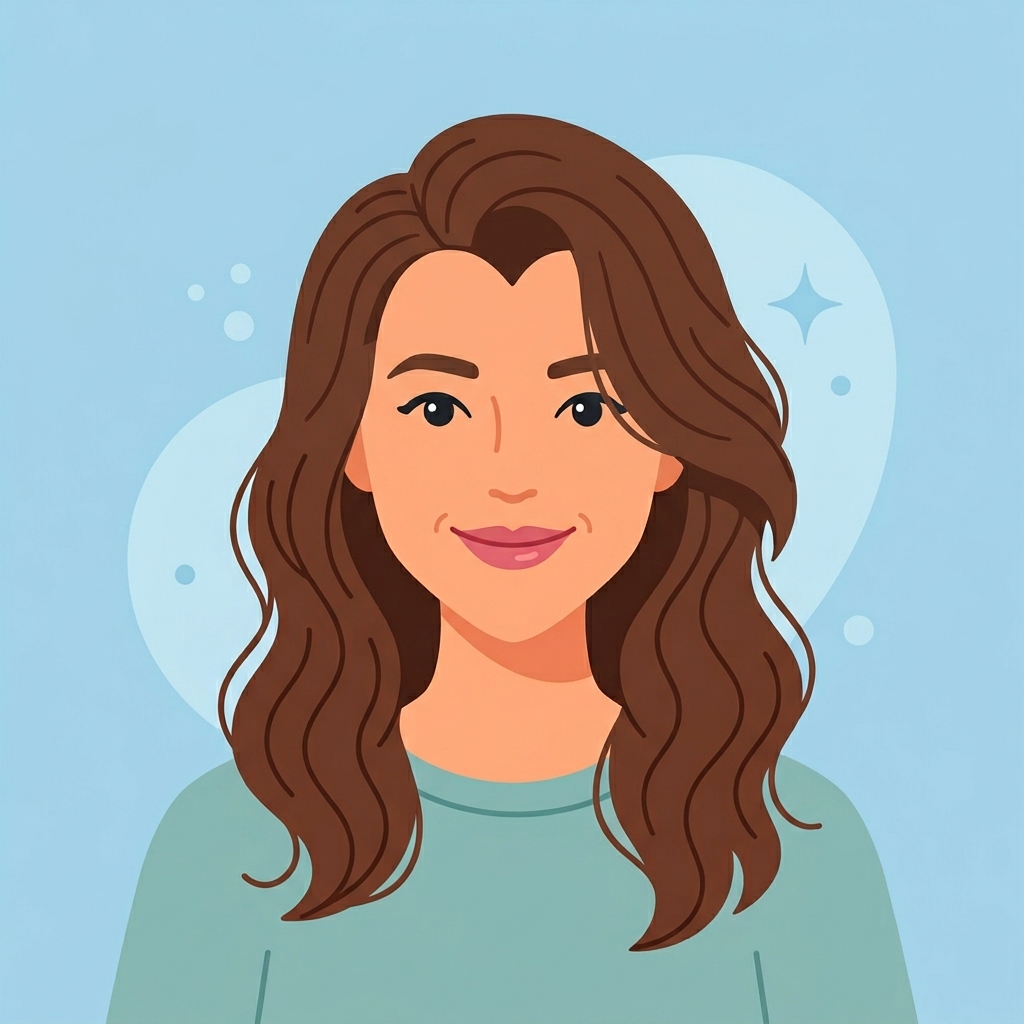
Heart
Picture an inverted triangle: wide at the top, narrowing to a point at the bottom. That's the heart shape. The forehead is the widest part, cheekbones are prominent, and the chin tapers to a narrow point — sometimes with a cute widow's peak at the hairline. Reese Witherspoon is the textbook example. Scarlett Johansson and Ryan Gosling also fall here. The styling playbook is basically the opposite of round faces: you want to add visual weight below the cheekbones and take attention away from the forehead. Chin-length bobs are incredible on heart faces because they add width exactly where you need it. Side-swept bangs balance out a wider forehead without looking heavy. Medium-length styles with volume around the jaw? Chef's kiss. What doesn't work as well: slicked-back styles that fully expose the forehead, or super-short crops that emphasize the width difference between top and bottom.
Oblong
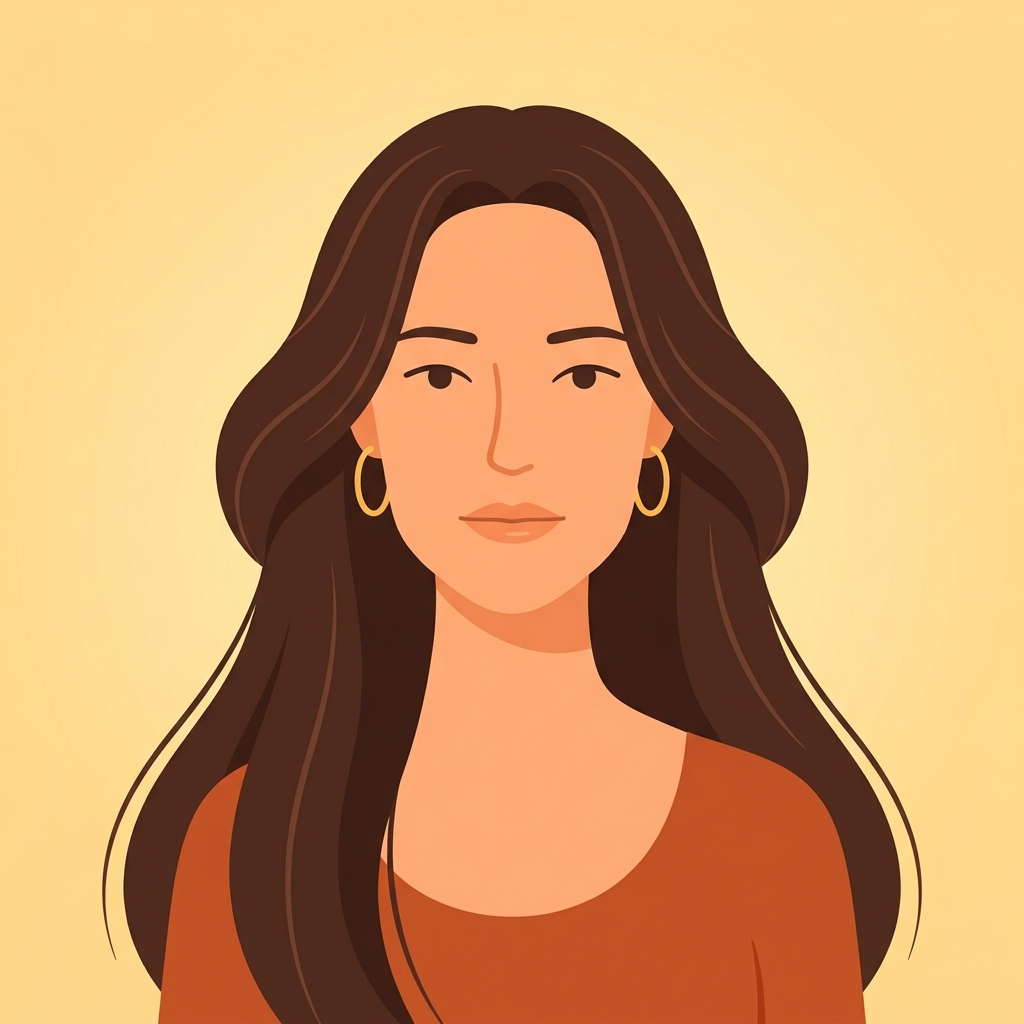
Sometimes called rectangular, oblong faces are clearly longer than they are wide. The forehead, cheekbones, and jaw are all about the same width — no single feature dominates — but the overall length is what stands out. Sarah Jessica Parker, Adam Driver, Liv Tyler. Elegant faces that sometimes feel "too long" to their owners (they're not — but I get it). The golden rule: add width, avoid adding length. Bangs are genuinely transformative here — they visually cut the face length by an inch or two instantly. Any type works: blunt, curtain, wispy, side-swept. Beyond bangs, think horizontal: waves at ear or chin level, voluminous bobs, styles with width at the sides. What to avoid: super-long straight hair with a center part. That creates a waterfall effect that makes the face look even longer. If you love long hair, add layers and volume at the midpoint.
Diamond
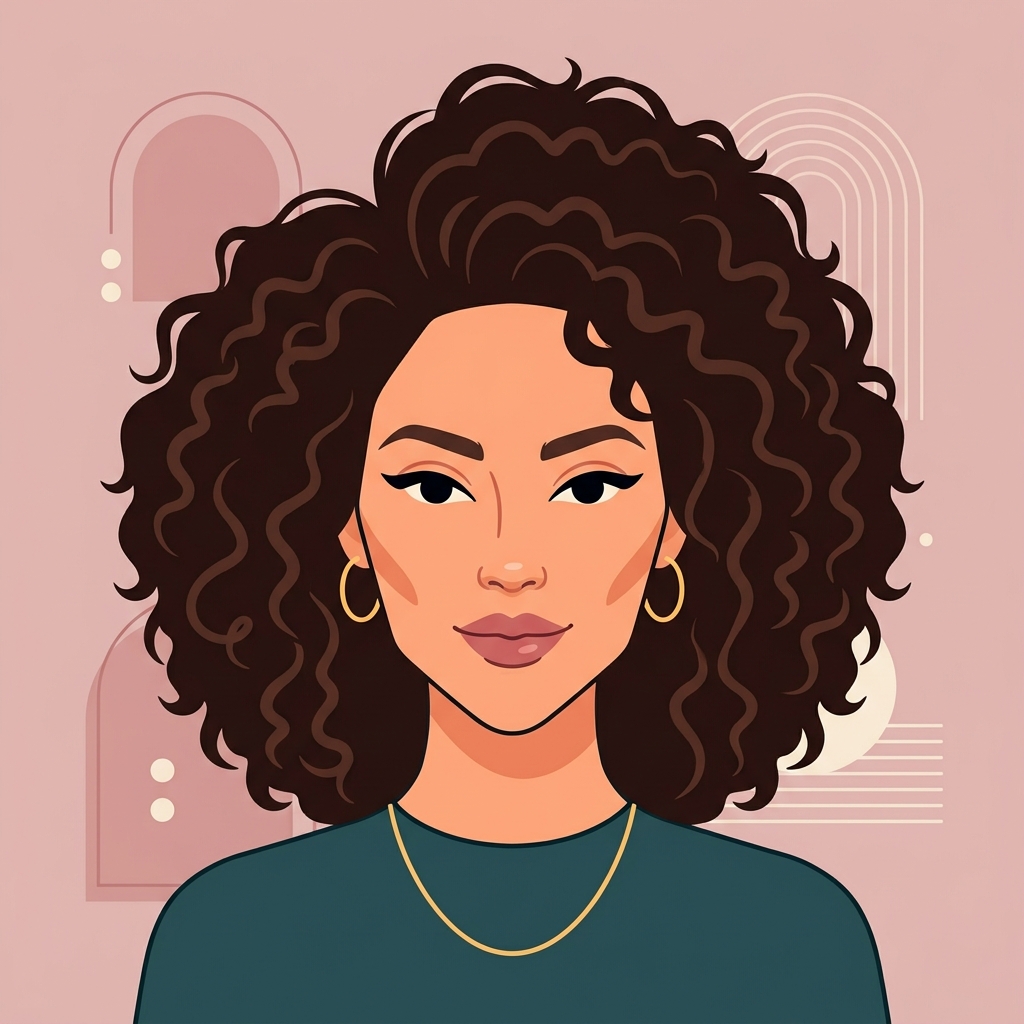
Diamond is the rarest face shape, and honestly? One of the most striking. The cheekbones are the star — high, wide, and dramatic — while both the forehead and jawline are relatively narrow. It creates this gorgeous angular look that's pure editorial material. Rihanna, Vanessa Hudgens, Robert Pattinson — all diamonds. The strategy here is about balance: you want to add a bit of visual width at the forehead and chin so the cheekbones don't overwhelm everything. Side-swept bangs accomplish this perfectly — they broaden the forehead and add an easy diagonal line. Chin-length layers and textured bobs fill out the lower face. Tucking hair behind the ears actually works great here because it shows off those cheekbones, as long as you've got some fringe softening the forehead. Avoid full slick-backs that expose the narrow forehead completely — that can make the cheekbone width look exaggerated.
Triangle
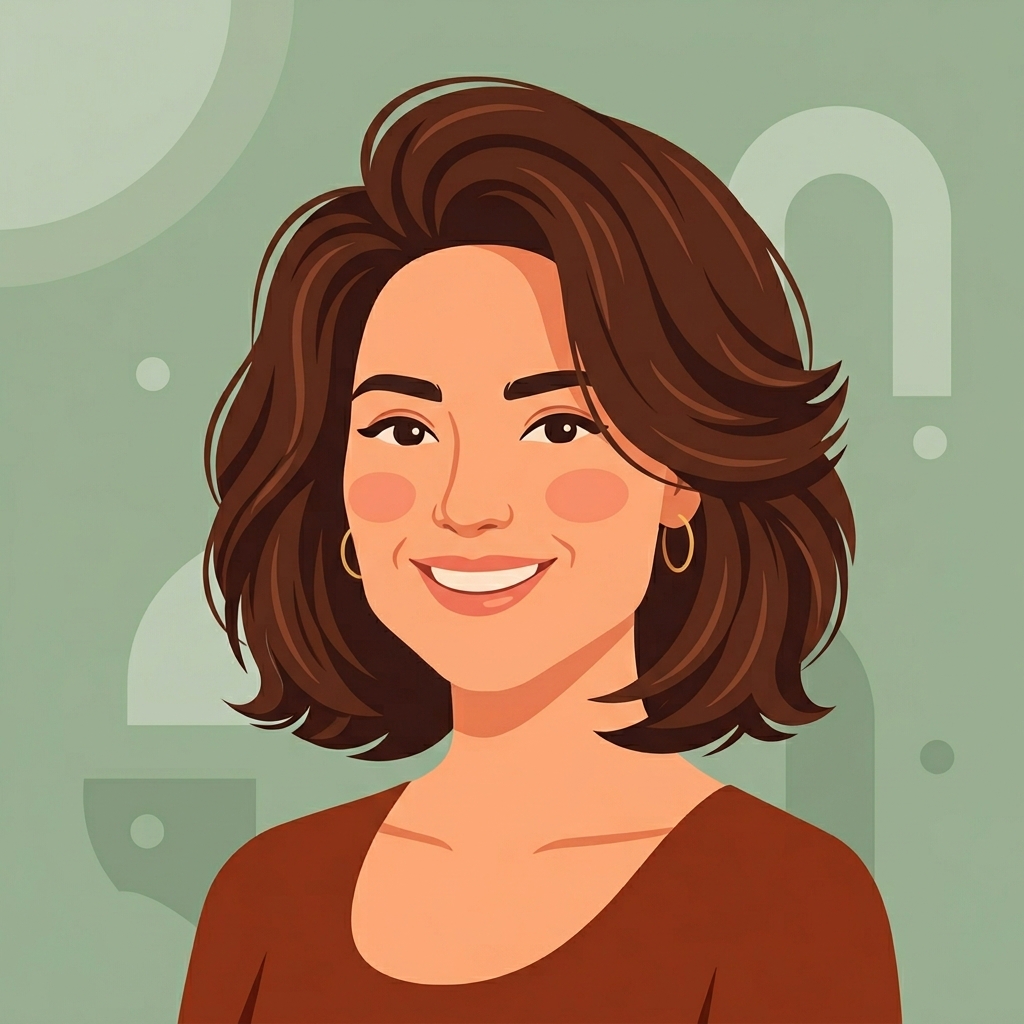
Also called pear-shaped, the triangle is essentially a heart shape flipped upside down. The jawline is the widest point, and the face tapers upward to a narrower forehead. Think Minnie Driver, Eli Manning, Kelly Osbourne. This shape is less common in style guides, which means fewer generic tips floating around online — so let's fix that. The strategy is the mirror image of heart faces: you're building volume up top to match the width at the bottom. Volume at the crown is huge — blowouts, teased roots, anything that adds lift above the ears. Side-swept bangs widen the forehead visually. Longer styles that drape over the jaw edges help soften that width. Here's what to avoid: chin-length bobs. They cut across the widest point and make it the focal point. Same goes for tucking all your hair behind your ears — it puts the jaw on display. Keep some hair falling forward around the face to create that frame.
Why Face Shape Matters for Hairstyles
Ever had a haircut that looked amazing on someone else but weirdly wrong on you? That's face shape at work. Your hair doesn't exist in a vacuum — it frames your face, and that frame either creates visual balance or fights against it. A bob that's stunning on a heart-shaped face can make a round face look like a dinner plate. Long curtain bangs that elongate a round face beautifully can overwhelm a petite oval. This isn't about rigid rules or "you can never wear X." It's about understanding the physics of visual proportion — the same principles artists and designers have used for centuries.
The underlying concept is dead simple. Your hair adds visual weight wherever it falls. So you use that weight strategically: add it where your face is narrower, reduce it where your face is wider. Round face? Create vertical lines and angles. Long face? Add horizontal volume. Square jaw? Soften it with waves and texture. These aren't arbitrary fashion opinions — they're based on how the human eye processes proportion and symmetry. It's the same reason a wide mat on a narrow photo makes it look balanced, or why tall buildings use horizontal bands to avoid looking like a pencil. Your hair is the frame. Choose the right frame and everything clicks.
Best Hairstyles for Each Face Shape
Let's get specific. Here are the actual cuts and styles that work for each shape, and more importantly, why they work. Use these as a starting point and try them on with our virtual try-on tool before you sit down in the chair — seeing a style on your actual face beats imagining it every time.
Oval faces: your playground. Pixie, bob, lob, long layers, bangs, no bangs — seriously, go nuts. The only rule is don't pile all the volume at the crown with nothing at the sides, because that turns oval into oblong. Otherwise, this is the shape where you get to follow trends guilt-free.
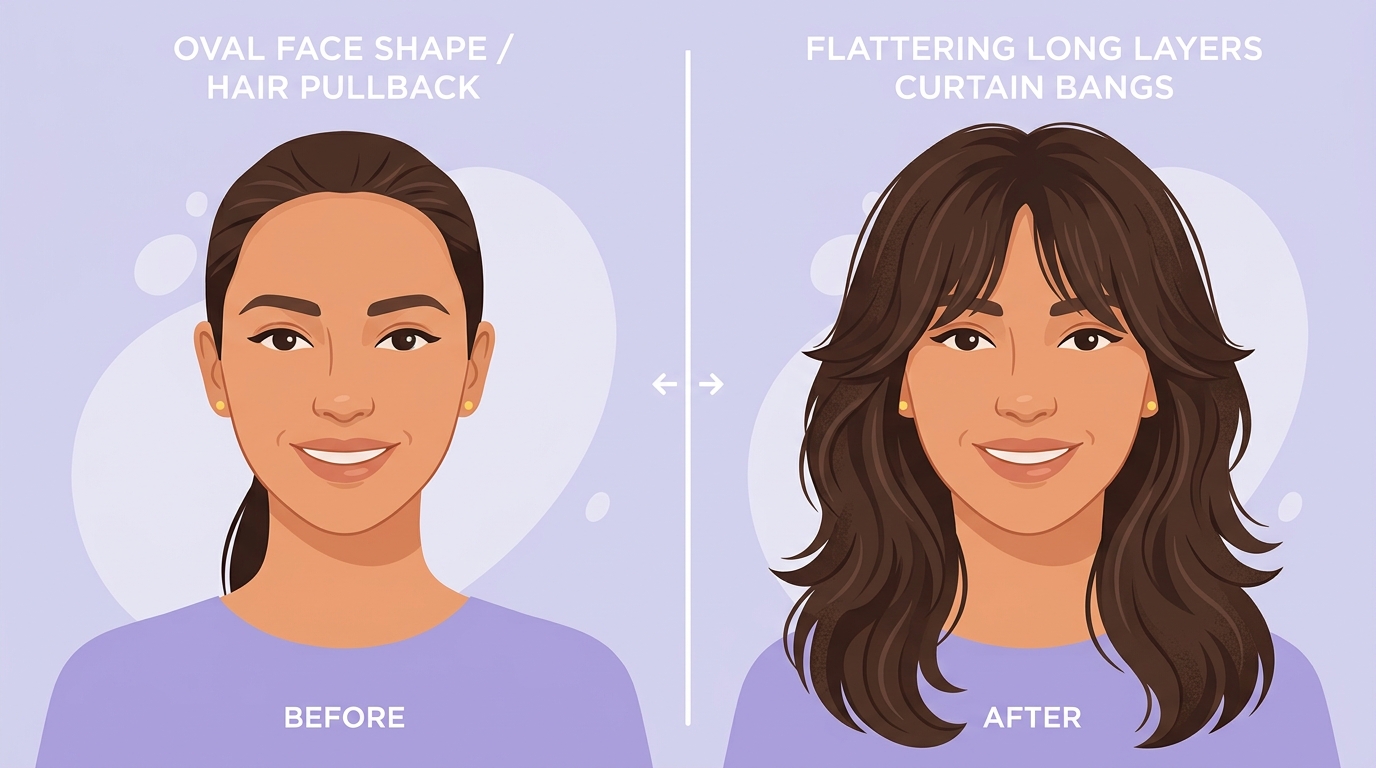
Round faces: long layers below the chin, deep side parts, face-framing pieces, and anything that adds vertical lines. The lob (long bob) is basically designed for you. The goal is elongation — draw the eye up and down, not side to side.
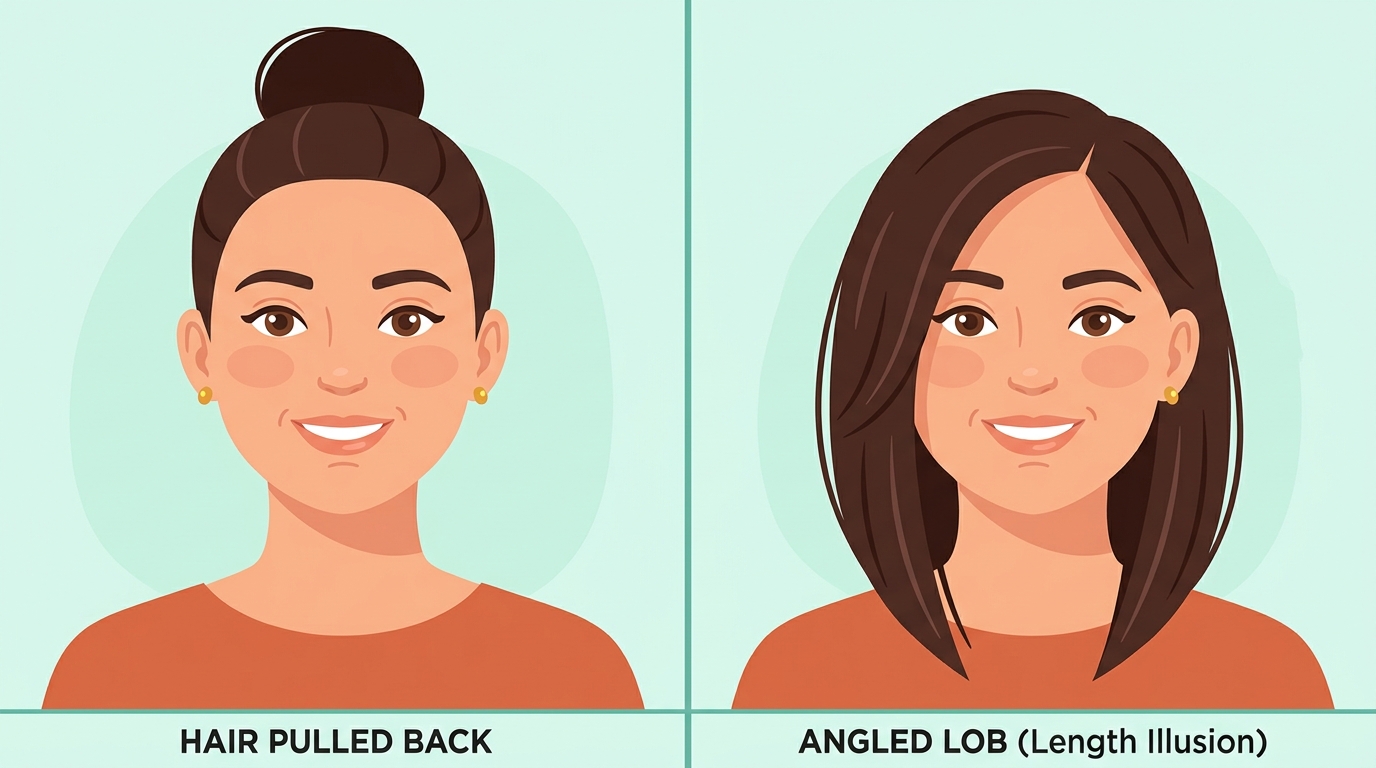
Heart faces: chin-length bobs are your secret weapon, plus side-swept bangs and medium styles with volume below the cheekbones. The wider forehead and narrow chin mean you want to add visual weight at the bottom half of your face.
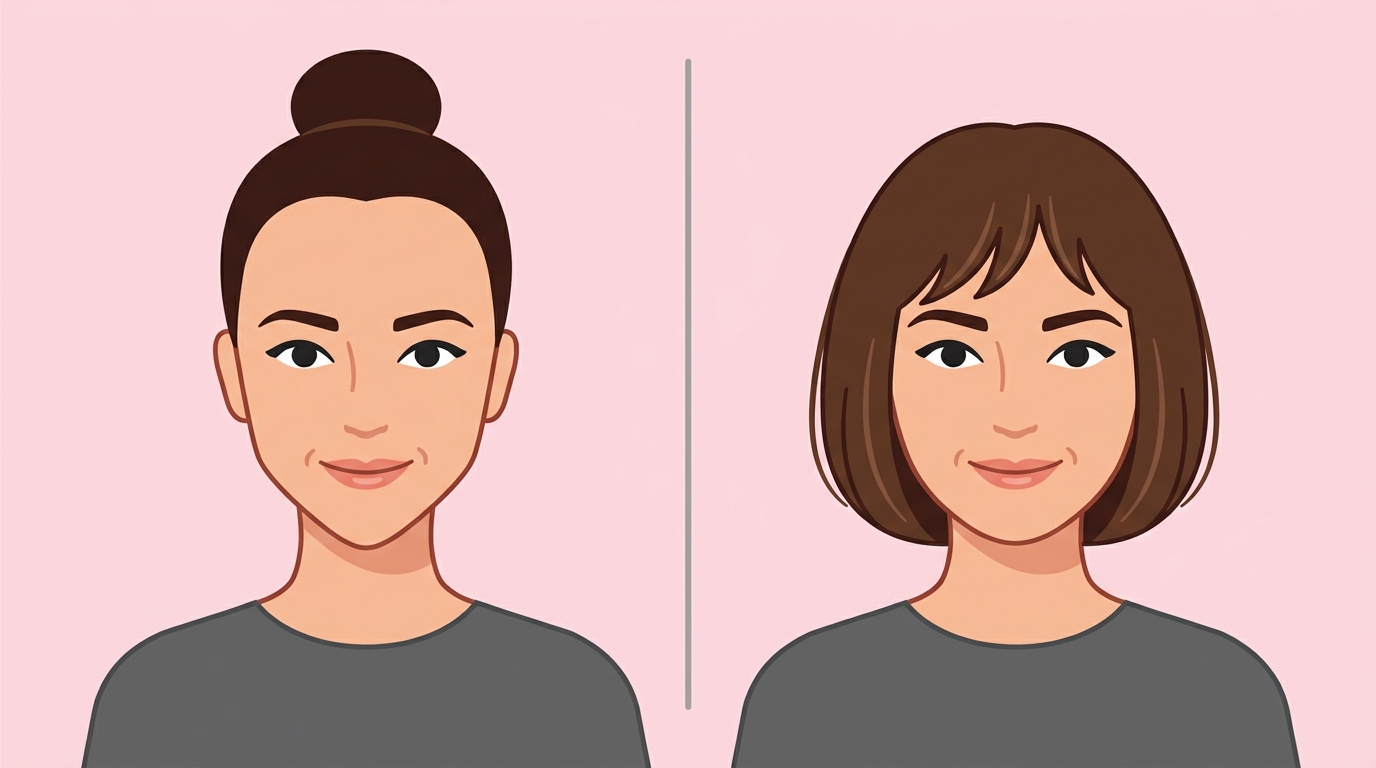
Square faces: soft waves past the jawline, wispy or curtain bangs, textured layers — you want movement, not rigid lines. Your strong jaw is actually a great feature, so the right cut enhances it with softness rather than hiding it.
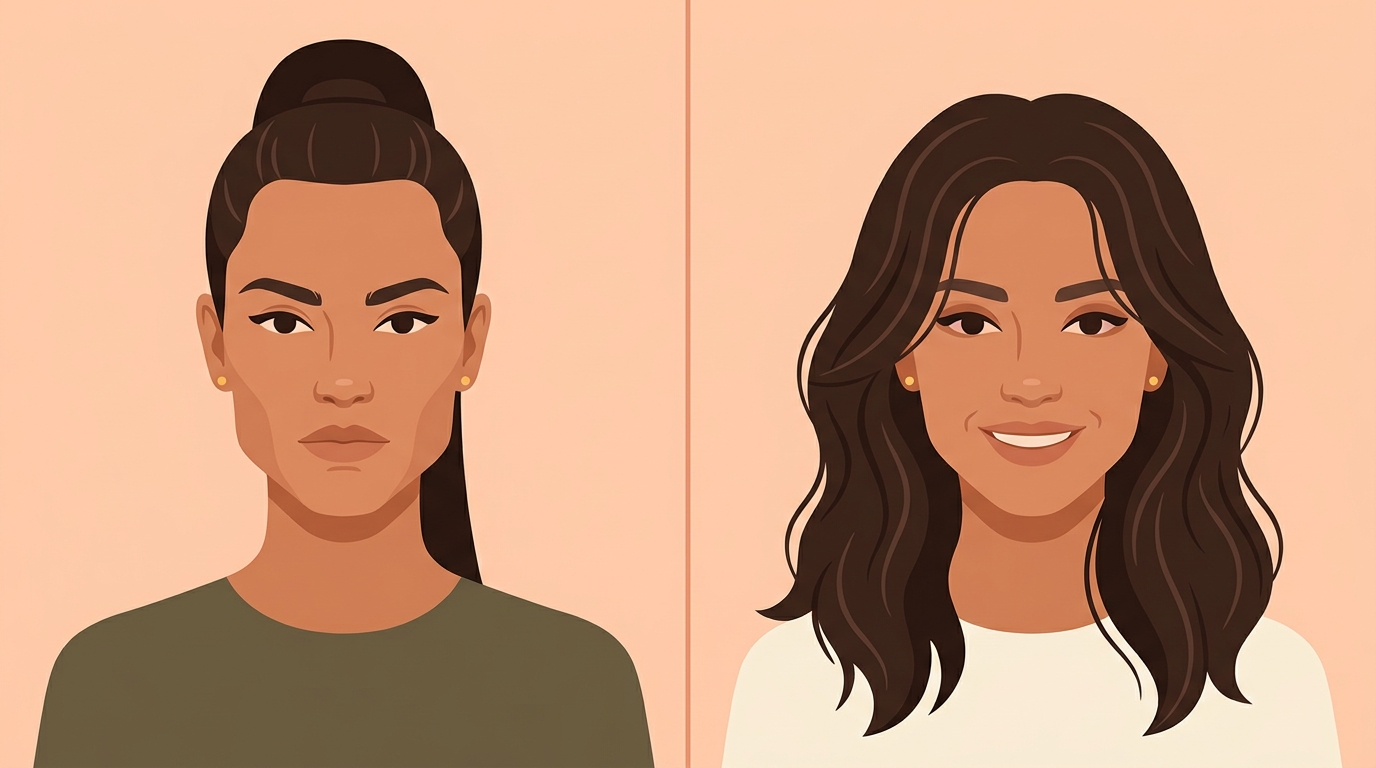
Diamond faces: side-swept bangs to widen the forehead, chin-length texturized layers, and avoid anything slicked tight against the head. Oblong and triangle faces follow similar principles — bangs for oblong to break the length, crown volume for triangle to balance a wider jaw.
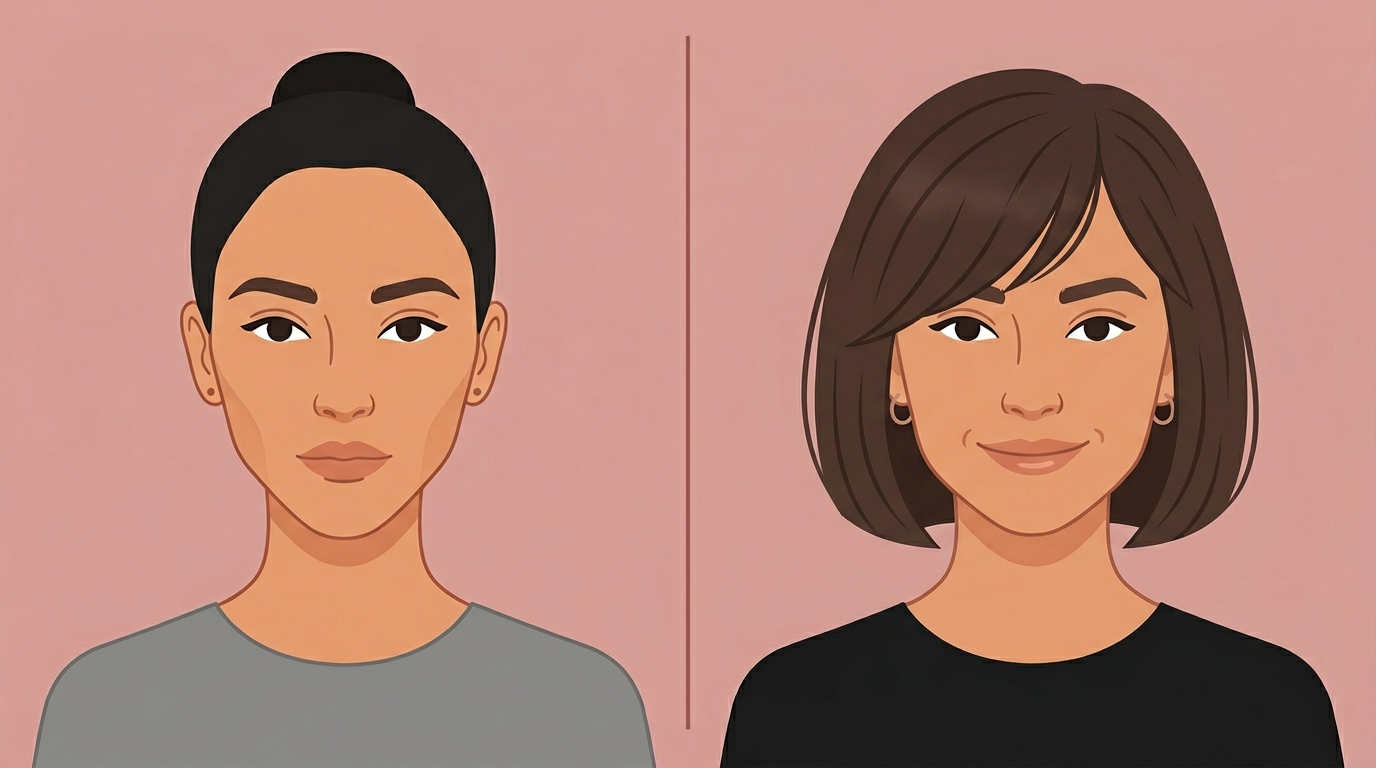
How Professional Stylists Assess Face Shape
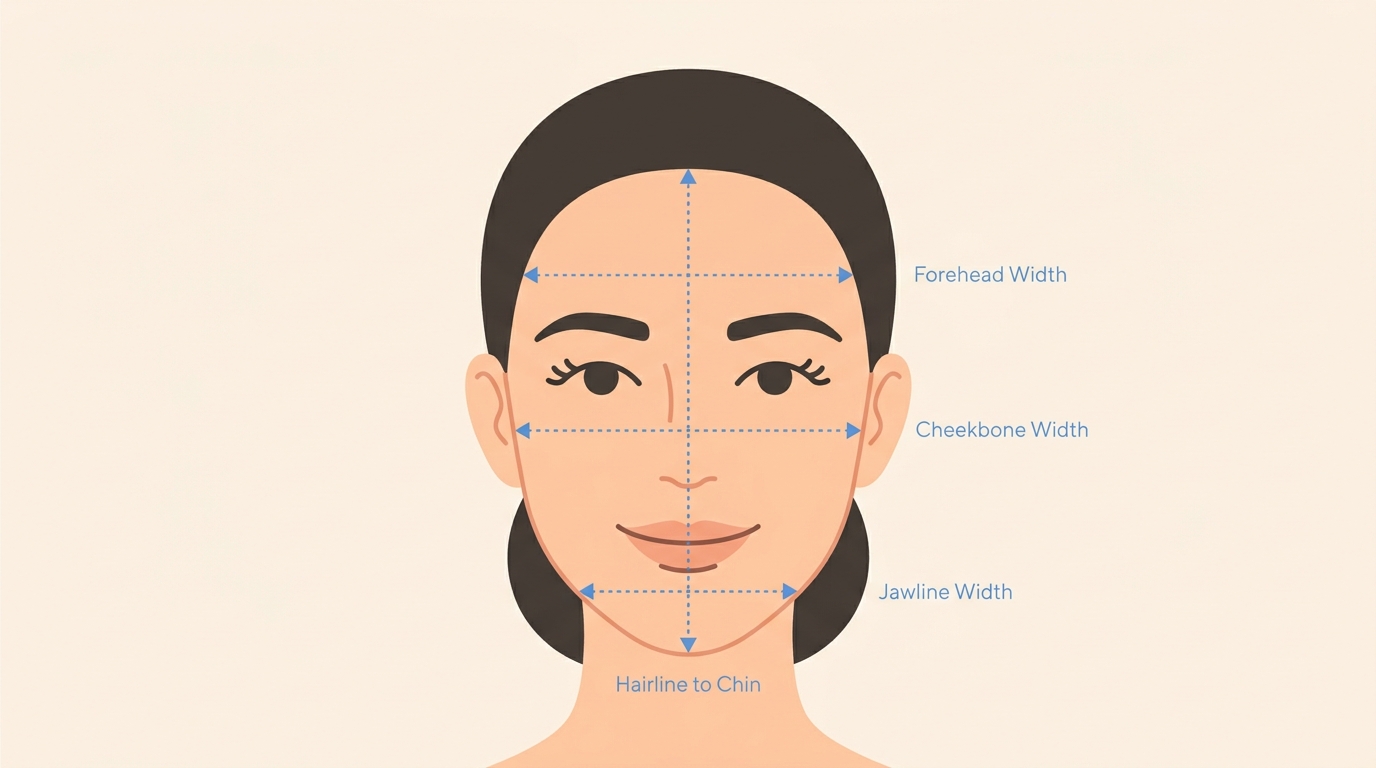
When you sit down for a consultation with a good stylist, they're not guessing. They're running a mental calculation based on four measurements: forehead width (temple to temple), cheekbone width (across the widest point), jawline width (jaw angle to jaw angle), and face length (hairline center to chin tip). These four numbers tell the whole story. If cheekbones are widest and length is 1.5x the width, that's oval. If everything's roughly equal with a soft jaw, that's round. If the jaw matches the forehead with strong angles, square. Top-tier stylists can eyeball this in seconds — they've done it thousands of times.
Want to DIY it? Grab a flexible measuring tape and stand in front of a mirror with your hair pulled all the way back. Measure all four dimensions and write them down. Then decode: length much greater than width? Oblong. Cheekbones widest? Oval (if jaw is softer) or diamond (if forehead and jaw are both narrow). Forehead widest? Heart. Jaw widest? Triangle. Everything roughly equal with angular jaw? Square. Roughly equal with soft jaw? Round. It takes 2 minutes and it's surprisingly accurate. Way more reliable than staring at yourself trying to "see" a shape — our brains are terrible at objective self-assessment. Numbers don't lie.
Beyond Face Shape — Other Factors That Matter
Face shape is the starting point, not the whole picture. Your hair texture might be the bigger factor in practice — that effortless beachy wave that looks stunning on fine hair? It might take 45 minutes with a curling iron on thick, coarse hair. A blunt bob that's wash-and-go on straight hair needs daily flat-ironing on wavy hair. Be realistic about what your actual hair will do. Forehead height matters too. Got a bigger forehead? Bangs are an instant game-changer (and there's no shame in that — Zooey Deschanel built an entire aesthetic around it). Shorter forehead? Skip the heavy bangs and go for styles that give the illusion of more vertical space.
Your neck matters more than you'd think. A longer neck can pull off ultra-short crops beautifully, while a shorter neck looks best with styles that elongate the neckline — V-shaped napes, long layers that draw the eye down. Then there's lifestyle, the factor nobody wants to talk about honestly. That gorgeous layered blowout you saw on Pinterest? It takes 25 minutes every morning. If you're a dry-shampoo-and-go person (no judgment — same), pick a style that looks good air-dried. And here's the truth that overrides everything else: confidence is the best accessory. If a style makes you feel powerful, magnetic, like the person you want to be — wear it. The "rules" are guidelines. You're not bound by them. A round-faced woman who loves her chin-length bob and rocks it with confidence? She looks better than someone with a "perfect" cut who fidgets with it all day.
Frequently Asked Questions
Now that you know your face shape, see how different hairstyles actually look on you.
Try On Hairstyles →