Viking Braids: 31 Epic Styles to Channel Your Inner Warrior
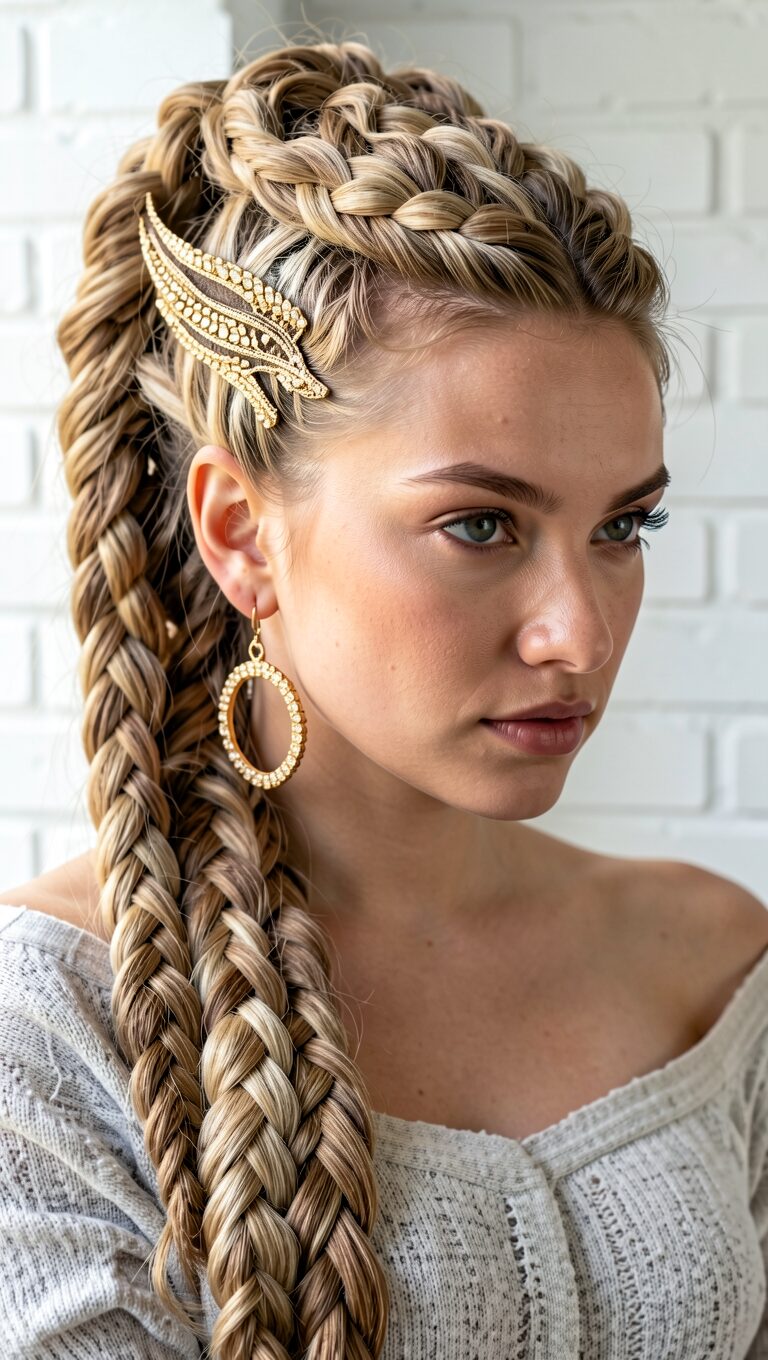
Rock bold viking braids with chunky sections, wild texture, and unique accents. Get inspired by…
A 5,000-Year-Old Art Form Braids are simultaneously one of the oldest hairstyling techniques in human history and one of the most modern…
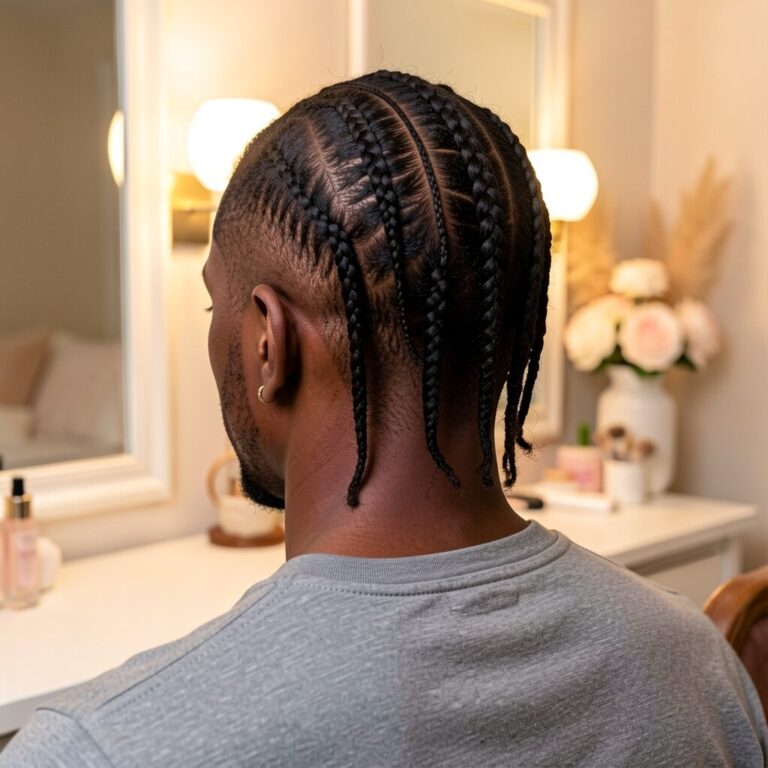
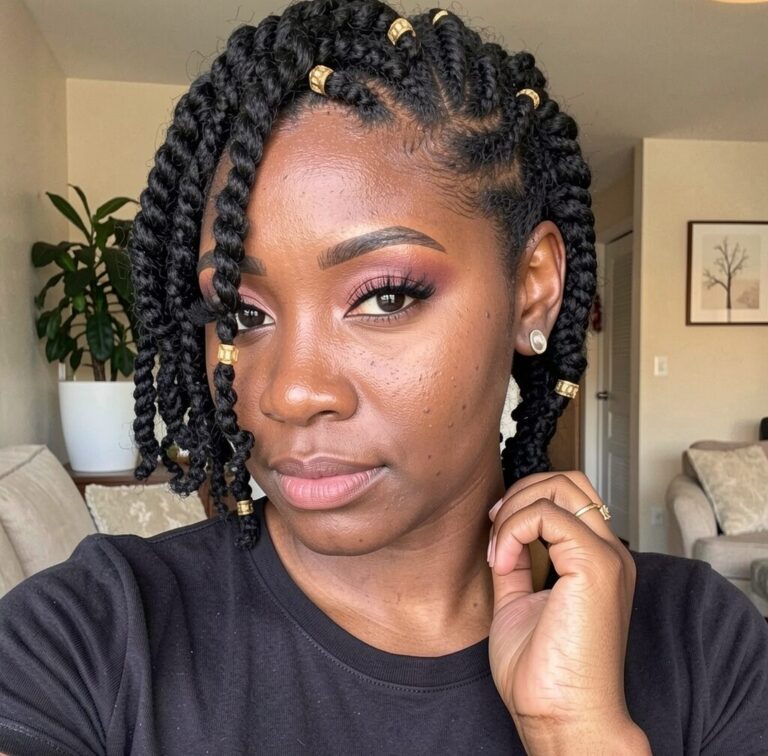

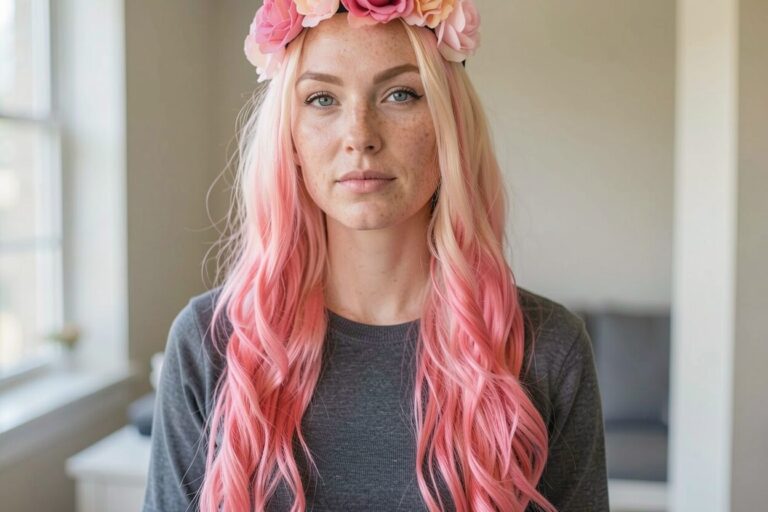
Braids are simultaneously one of the oldest hairstyling techniques in human history and one of the most modern fashion statements. Archaeological evidence shows cornrow patterns in African civilizations dating back 5,000 years. Today, braided styles range from quick three-strand braids that take 30 seconds to elaborate full-head installations that require 6-8 hours of skilled work. The technique is simple - interlacing strands - but the variations are nearly infinite.
The protective styling aspect of braids is often the primary motivation for Black and natural hair communities. Box braids, knotless braids, cornrows, and goddess braids all tuck away fragile ends, reduce daily manipulation, and give hair a recovery period. The key to healthy protective braiding is tension management - braids that are too tight cause traction alopecia (permanent hair loss along the hairline). Knotless braids have surged in popularity precisely because they start with your natural hair and gradually add extension hair, distributing weight more evenly than traditional box braids.
For non-Black hair, braids serve different purposes: French braids and Dutch braids add visual interest to everyday styles. Fishtails create an intricate look that's actually easier than it appears. Waterfall braids add a romantic, boho element. Rope twists (two-strand twists) are the easiest braid variant for beginners. Most of these styles work best on day-2 or day-3 hair because clean hair is slippery and harder to grip. A texturizing spray before braiding adds the grip needed to keep everything in place. Those who love the texture of braids combined with added volume might also explore crochet braids as a versatile alternative.
Braids as evening and event styles are their own category. Crown braids (braids wrapped around the head like a halo) are classic for weddings and proms. Braided updos combine the texture of braids with the polish of an updo. Half-up braided styles work for less formal events. The beauty of braids for occasions is that they hold up better than most other styles through hours of dancing, humidity, and general movement. Pin them well, hit them with hairspray, and they'll last the entire event.
Learning to braid is a skill that improves dramatically with practice. Start with a basic three-strand braid, move to French and Dutch braids, then try fishtails. YouTube tutorials are genuinely useful here - braiding is a physical skill that benefits from watching hands in motion. Most people can master a decent French braid within a week of daily practice. The muscle memory becomes automatic.
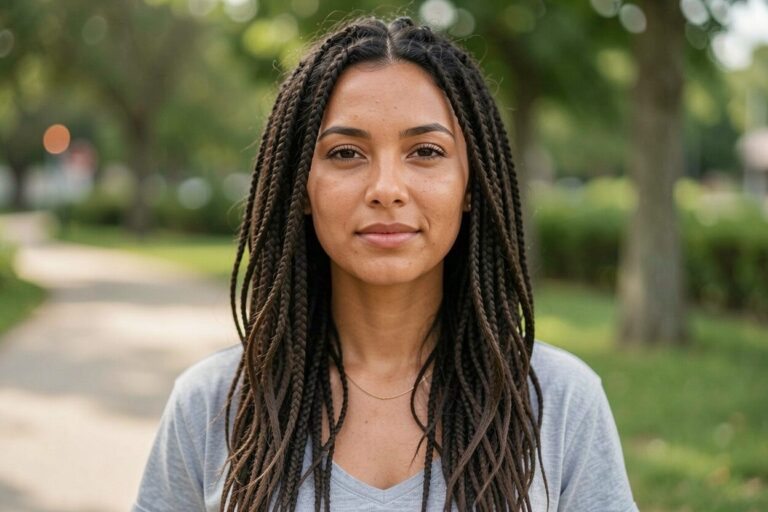
The largest box braids resource available — 100 variations covering different sizes, lengths, colors, and styling options in one reference.
A visual glossary of braiding techniques that helps you name exactly what you want before sitting in the stylist's chair.
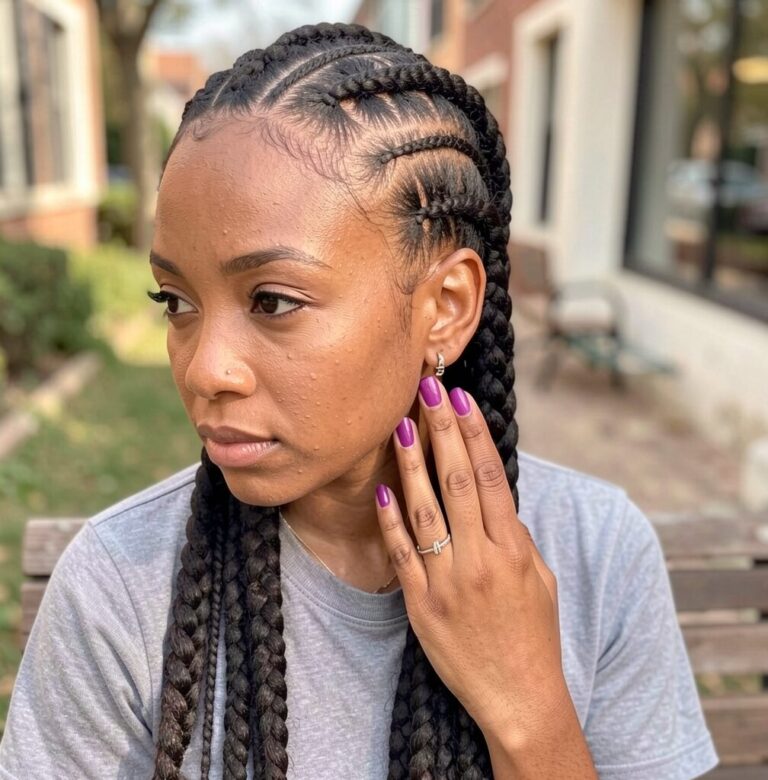
Feed-in braids are the modern evolution of cornrows — lighter, flatter, and less tension on the hairline. This guide shows the full range of patterns and sizes.
Rock bold viking braids with chunky sections, wild texture, and unique accents. Get inspired by…
Turn heads with bold Pop Smoke braids—get tips on neat parts, defined rows, and the…
35 Natural Hairstyles Braids | Braided Hairstyles for Natural Hair Some of us just want…
40 Different Types Of Braids Whether you’re looking for a trendy new way to wear…
Hippie and Bohemian Hairstyles If your summer schedule revolves around music festivals or you’re all…
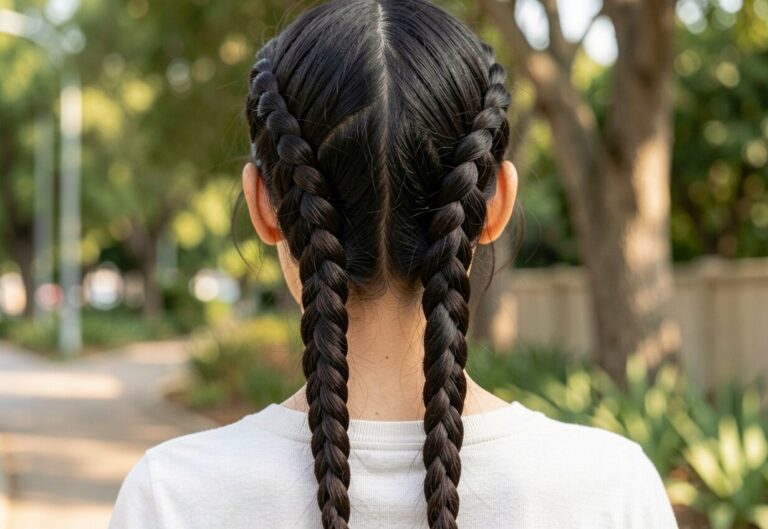
How To Do Two French Braids: Tutorial If you’ve been spending any time looking at…
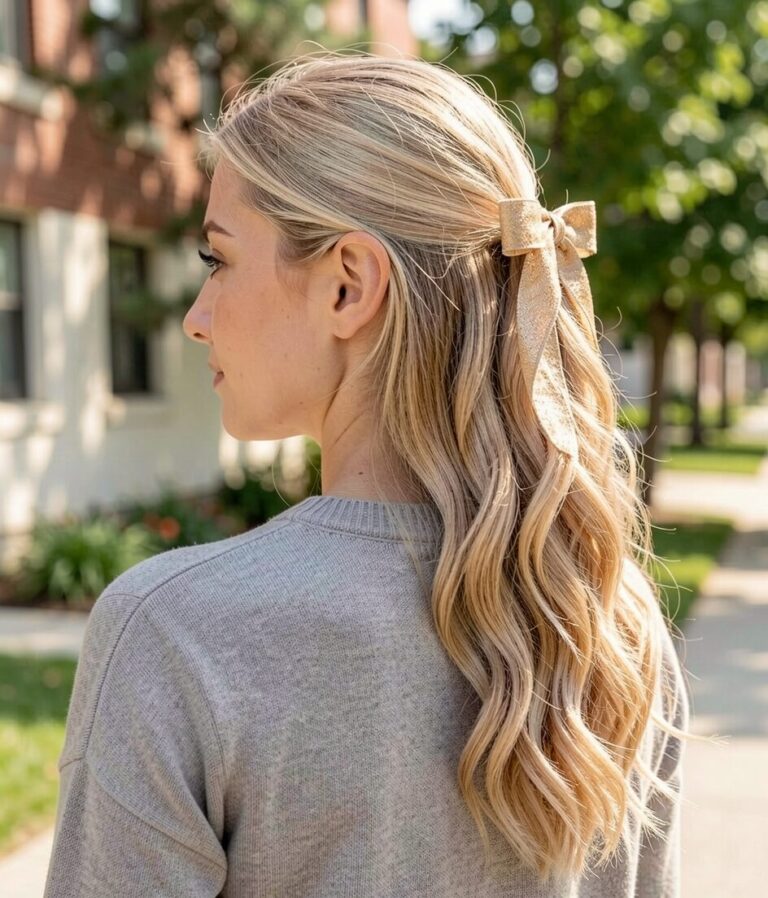
Cute Birthday Hairstyles Birthday coming up?! Happy (early) birthday, queen! It’s your special day so…
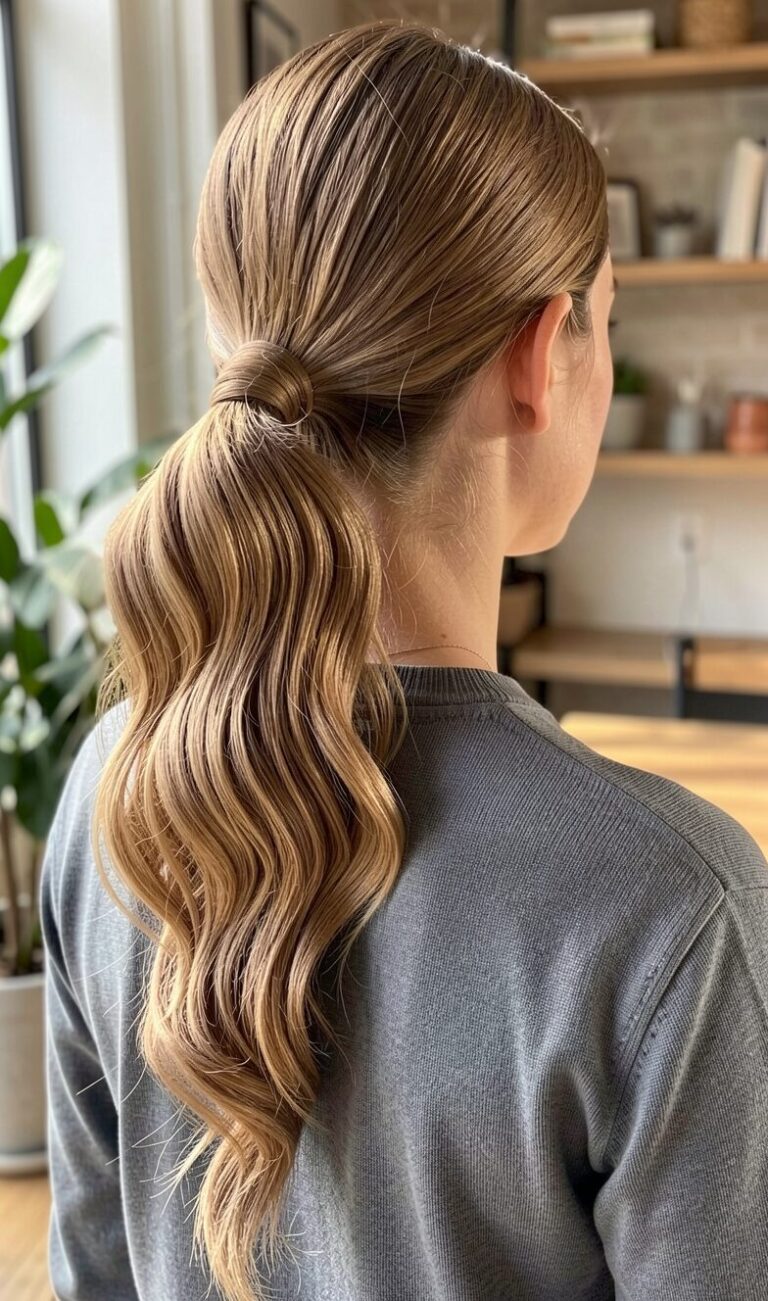
Business Hairstyles Women We wanted to show some love to our professional women. As some…

Top 25 Messy Buns Bun hairstyles can be easy or complicated, sophisticated or casual, and…

Party Hairstyles for New Years and Christmas Hello holiday season! Every year it seems like…

Two Braids Hairstyles Ahhh the braided hairstyles! Don’t you just LOVE them?! So do we.…
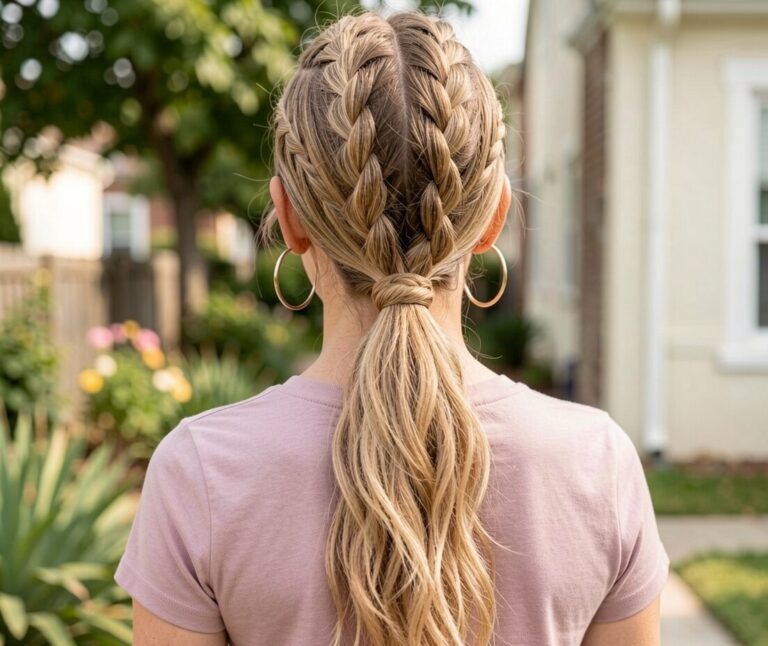
Braided Ponytail Hairstyles With winter in full swing, for many of us, there has been…
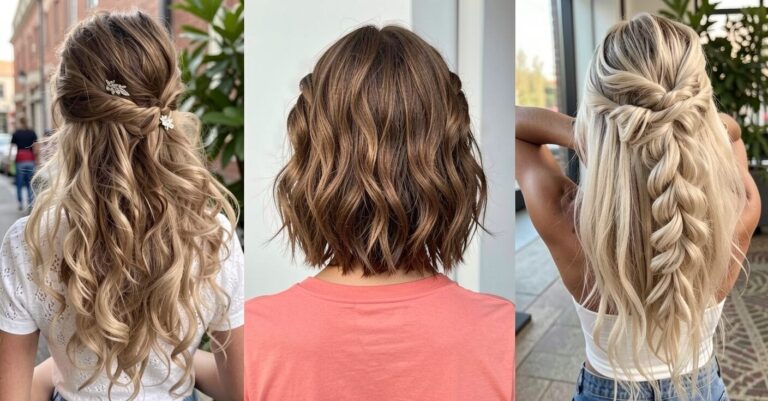
Stylish Half Up Half Down Prom Hairstyles Prom season is almost upon us, which means…
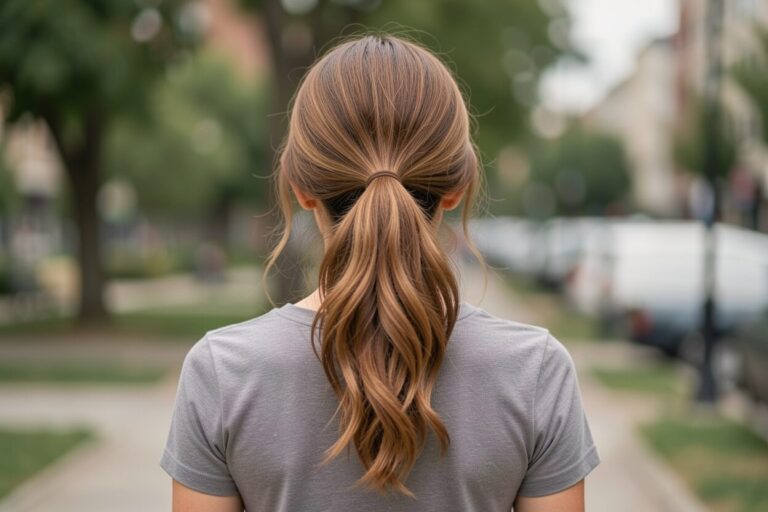
Braided Wedding Hairstyles If you are planning you upcoming nuptials, you sure to be excited…

25 Elegant Hairstyles It’s fun to participate in the latest trends when it comes to…
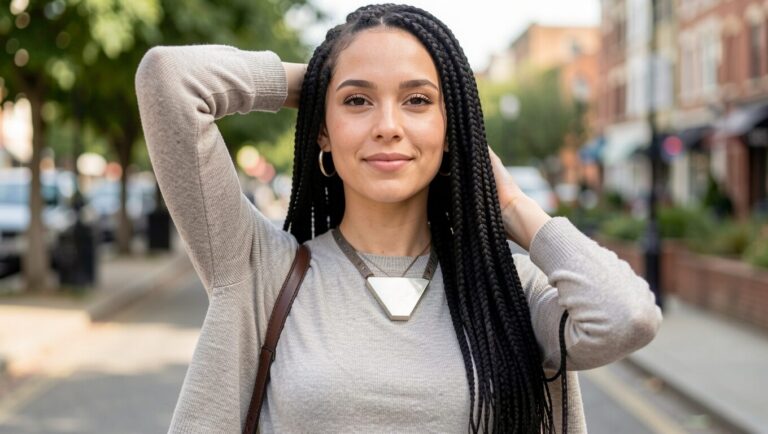
Chic Black Braided Hairstyles Since the beginning of time one of the most worn styles of…

Bridal Hair Styles Every bride wants to look and feel their best on their wedding…

Braided Hairstyles for Short Hair If you have short hair you may have the impression…
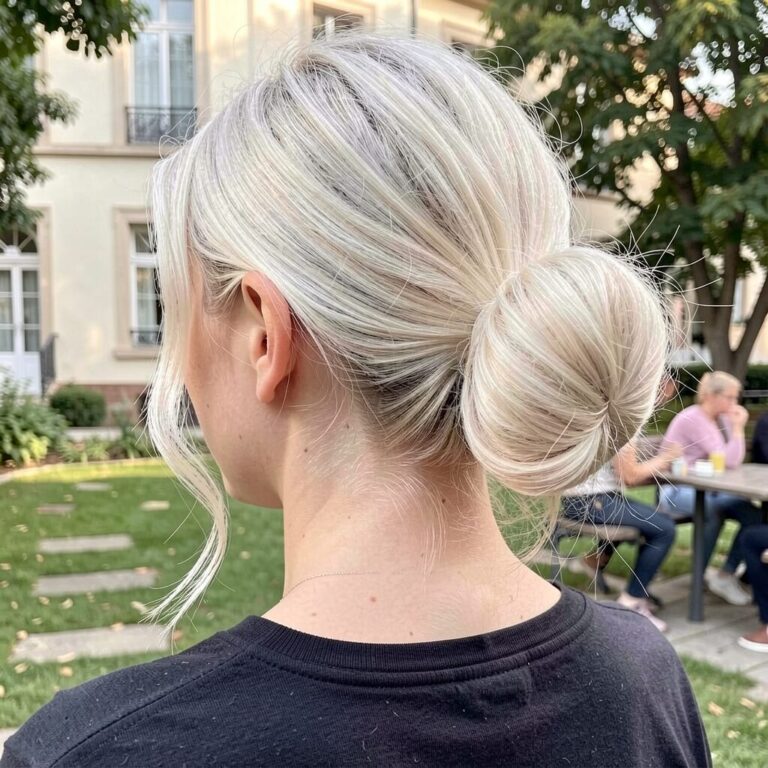
Sock Bun Hairstyles and How To Do A Sock Bun The sock bun is a…

Mother Of The Bride Hairstyles On your daughter’s big day, it can be tough to…
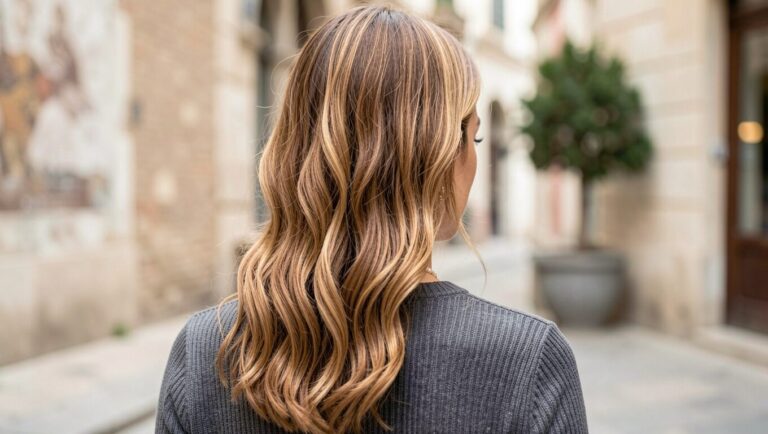
Cute Homecoming Hair Ideas Homecoming is an important time in any young girl’s life. It…
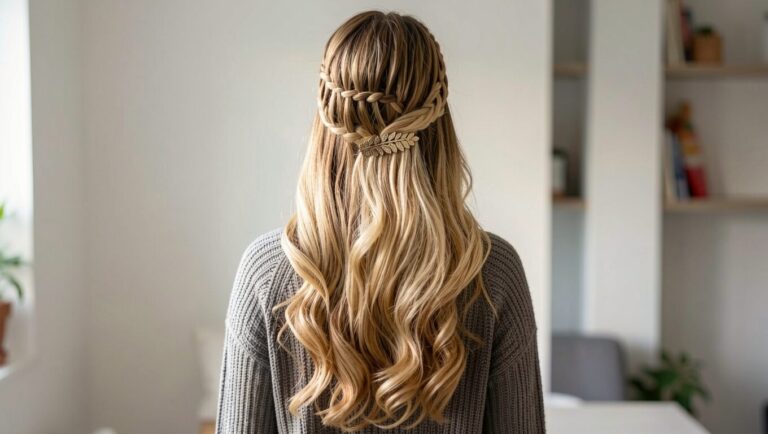
Ladder Braid Tutorial If you love hairstyles that are innovative and intricate, you’ve probably already…

How To Do A Dutch Braid Dutch braids are everywhere right now, and the good news is…

’90s Hairstyles We Love Whether you were old enough to remember them the first time…
Properly installed box braids last 6-8 weeks with daily maintenance. After week 6, new growth at the roots creates 1-1.5 inches of loose hair that weakens the attachment point. Pushing past 8 weeks risks matting at the base, product buildup that breeds bacteria, and traction breakage from the combined weight of extensions plus unsupported new growth.
Braids themselves cause no damage — excessive tension at installation does. Braided hairstyles installed too tightly at the hairline cause traction alopecia: the constant pulling destroys follicles permanently if repeated over months or years. Warning signs include small white bumps along the part lines, headaches that last beyond the first night, and visible scalp redness at the edges. A skilled braider creates clean parts without pulling skin taut. Installation should feel snug, never painful. If it hurts during or after installation, take those braids out immediately — the discomfort will not ease over time.
Mix sulfate-free shampoo with water at a 1:3 ratio in an applicator bottle and apply directly to the scalp between braid parts. Massage with fingertip pads — never your nails — in small circular motions along each part line. Rinse thoroughly with lukewarm water, squeezing water through the braids in a downward direction only to prevent frizzing. Follow with a diluted leave-in conditioner spritzed on the scalp and lightly on the braids.
Kanekalon is synthetic fiber priced at $5-10 per pack — lightweight, holds braided hairstyles firmly, and comes pre-stretched in every color including ombré. The drawback: its alkaline coating irritates sensitive scalps, causing itching and bumps. Soaking packs in apple cider vinegar for 15-20 minutes before installation neutralizes this. Human braiding hair costs $15-40+ per pack, feels softer against the skin, and can be flat-ironed or curled for style versatility. It is heavier, so full-head installations add noticeable weight. For standard box braids and cornrows, kanekalon is the industry standard.
You need about 2-3 inches of natural hair for most braided hairstyles with extensions. Feed-in braids (also called stitch braids) work on hair as short as 1.5 inches because the braider gradually adds extension hair to your natural hair as they go, building grip without needing length. Crochet braids require only 2 inches since your natural hair is cornrowed flat and the extensions loop through with a latch hook. Without extensions, you need at least 4-5 inches for a secure three-strand braid. Dutch braids, crown braids, and braided bangs all work well at 3-4 inches.
Start with a simple three-strand braid or two Dutch braids — these are the foundation of all braided hairstyles and build your muscle memory. Section hair with a rat-tail comb while slightly damp, apply a smoothing cream or edge control for grip, and work in front of two mirrors so you can see the back. Begin at the hairline and cross sections under (Dutch) or over (French) while adding small pieces from each side. Keep consistent tension — firm enough to hold but not pulling at the roots.
Braids are a protective hairstyle when installed and maintained correctly. They protect by tucking your ends — the oldest, most fragile part of the hair shaft — away from daily friction, heat, and environmental exposure. This reduces breakage and allows you to retain length over months. The protection works only if installation tension is gentle, you moisturize the scalp 2-3 times weekly, you sleep in a satin bonnet, and you remove the braids within 6-8 weeks. Leaving braids in too long, neglecting moisture, or reinstalling with no rest period between sets causes more damage than wearing your hair out.
A braided mohawk requires cornrowing the sides flat against the head (angled upward toward the center) and leaving the middle section full with volume or braided detail. Section the hair into three zones: left side, center strip (3-4 inches wide from forehead to nape), and right side. Cornrow each side in 3-5 rows going upward, tucking the ends under at the center part line. For the center, you can do chunky feed-in braids, twist-outs for volume, or a single large French braid down the middle. The style takes 1.5-2.5 hours depending on the center detail.
Two French braids (pigtails) are the easiest beginner braided hairstyle — they use a basic over-under-add pattern and sit on either side of your head where your hands can reach comfortably. A single side braid pulled over one shoulder requires zero back-of-head work. A half-up braided crown takes the front two sections, braids them along the hairline, and pins them at the back — it takes 10 minutes and works on medium to long hair. Bubble braids are technically not braids at all: you ponytail sections with clear elastics every 2 inches down and gently pull each section wide.
A braided bob uses box braids or knotless braids cut to chin or shoulder length — typically 10-14 inches of extension hair. The shorter length reduces weight on the scalp by roughly 30-40% compared to waist-length braids, which makes it more comfortable and safer for finer hair or sensitive edges. Installation takes 3-5 hours and costs $150-250 depending on your braider and location. A braided bob lasts 4-6 weeks, slightly shorter than longer braids because the shorter ends are more prone to frizzing and unraveling.